Brow Lamination and Tint: How to Keep the Result Natural
Brenda Cammo Team
Brow lamination and tint can be a useful pairing when you want your eyebrows to look more defined without looking heavily made up. Lamination focuses on the direction and styling of the brow hairs, while tint adds depth so the shape is easier to see. Together, they can make a morning routine feel simpler, particularly if your brows are naturally light, grow in different directions or look less visible in photographs.
The key is not simply asking for darker or fluffier brows. A natural-looking result comes from a clear conversation about your existing hair pattern, skin tone, daily make-up habits and how much definition feels like you. The goal is to enhance the brows you have, not to create a copied shape or a colour that feels disconnected from your features.
What brow lamination and tint each contribute
Although they are often booked together, brow lamination and tint do different jobs. Understanding that distinction makes it easier to explain what you want at your appointment.
Brow lamination changes how the hairs sit
Brow lamination is a styling service for the natural eyebrow hairs. It helps guide the hairs into a more uniform direction, which can make brows appear fuller, neater or more lifted. This does not create new hairs or permanently change the structure of your brow. Instead, it makes more of the hair you already have visible through intentional placement.
That can be especially helpful where hairs point downwards, cross over one another or grow in several directions. However, a brushed-up finish does not have to mean every hair is standing vertically. The final styling can be adapted so the front of the brow remains soft, the body has gentle fullness and the tail stays controlled.
Tint adds visible depth
Brow tint colours the existing brow hairs, making them easier to see against the skin. It can bring greater definition to naturally fair hairs, add visual continuity where the brow looks lighter through the middle or tail, and reduce the need for daily pencil or powder for some people.
A tint is not automatically meant to be dark. The most natural choices are usually based on the depth and undertone of your natural brow hair, your hair colour and the amount of contrast you normally enjoy in your make-up. A softer tint can still make a meaningful difference, particularly once the hairs have been styled by lamination.
Why the combination can look natural rather than dramatic
The combination works because each step supports the other. Lamination can reveal and organise hairs that were already present but less noticeable. Tint can then give those hairs more visibility. When both choices are balanced, the brow may look more complete without having a solid, block-like appearance.
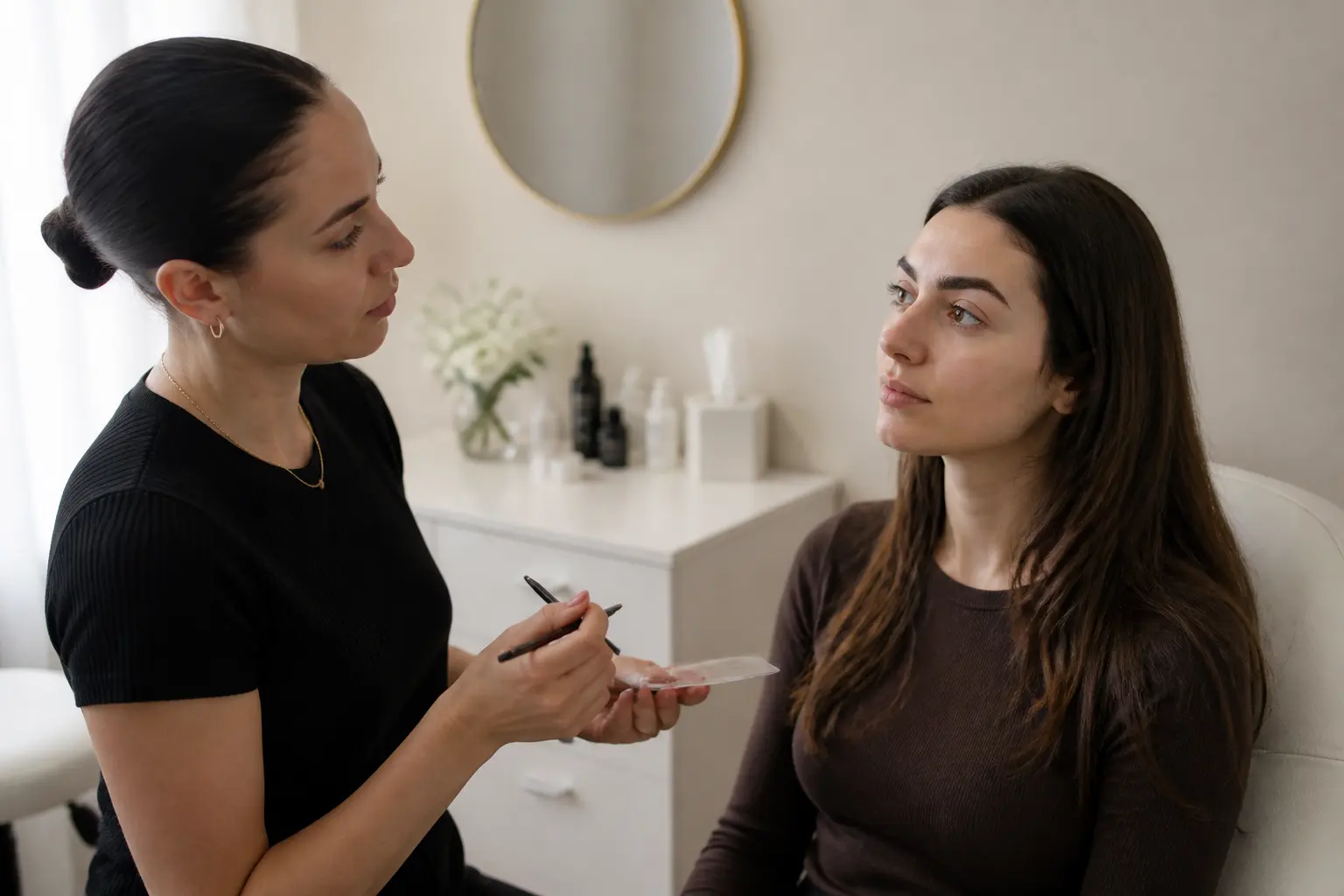
Natural does not mean identical on every person. Some clients prefer a softly groomed effect that is close to their usual brows. Others want a more polished result for work, holidays or fewer make-up steps in the morning. Both preferences are valid. What matters is setting a level of definition that suits your face and feels comfortable to maintain.
A natural brow result should still look like your brow: simply more organised, visible and intentional.
What to say at your appointment
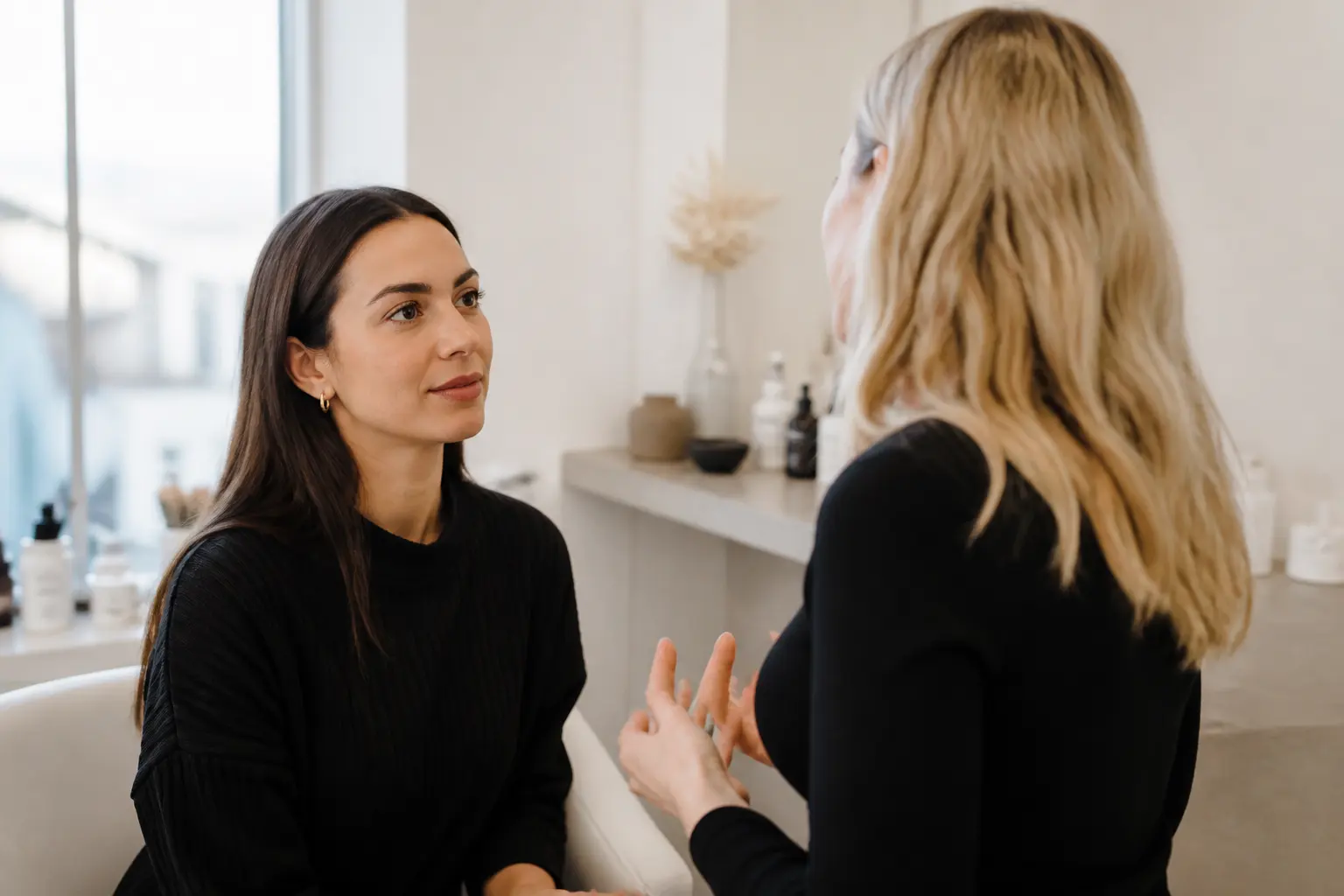
Specific language helps your brow professional understand the finish you have in mind. Rather than relying only on words such as “natural” or “defined”, describe what you like and what you want to avoid.
Talk about your usual brow routine
Let the professional know whether you usually leave your brows bare, use tinted gel, fill gaps with pencil or prefer a more sculpted make-up look. Someone who wears very little make-up may want a lighter tint and a softer lamination direction. Someone who regularly fills their brows might appreciate enough tint to replace part of that routine, while keeping the colour harmonious with their features.
If you wear brow products daily, mention this too. It provides useful context for deciding how noticeable the tint should be and how you expect the hairs to sit after styling.
Describe the level of lift you like
Images can be useful as a starting point, but it is also worth explaining what you notice in them. Do you like feathery fronts? Would you rather avoid a strongly brushed-up effect? Do you want the arch to look tidier without becoming sharper? These details are more helpful than requesting a particular trend by name.
You can say that you would like the brows to look lifted but not overly vertical, or fuller through the front while keeping the tail sleek. This gives room for a personalised approach based on the direction, length and density of your natural hairs.
Be clear about colour comfort
Tell your professional if you have previously felt that brow colour looked too dark, too warm, too cool or too obvious. The first look after tinting can appear more noticeable than the settled result, so it is sensible to plan around an important event rather than booking at the last minute.
It is also helpful to say whether you would prefer to begin subtly. A restrained first tint can make it easier to learn what level of definition feels right for you. Colour can then be adjusted in future appointments according to your experience, your hair colour and the changing light of the season.
Personal factors that shape the result
No two brow lamination and tint appointments should be approached as though every brow has the same starting point. Your individual hair growth, density and skin characteristics all matter.
Hair direction and density
Brows with hairs that grow downwards or sideways may show a more obvious change from lamination because the service can make the existing hair pattern look more orderly. Sparse areas, uneven density and short hairs require a more considered discussion. Lamination may help distribute the visible hairs, but it cannot fill an area where there is little or no natural hair.
Being realistic about this is part of achieving a polished result. In some cases, tint may improve contrast while lamination creates a neater overall direction. In others, a softer approach may be preferable so the brow does not look as though it is trying to cover a gap unnaturally.
Natural hair colour and complexion
Very fair brow hairs can look much more visible with tint, while naturally dark brows may need only a subtle colour adjustment or none at all. Your complexion, hair colour and the contrast you prefer also influence the choice. A colour that appears natural in strong daylight may look deeper indoors, which is one reason a consultation should consider your everyday life rather than a single photograph.
If you colour your hair, have grey or white brow hairs, or regularly change your make-up look, mention it. These details can help guide a tint choice that feels intentional rather than mismatched.
Skin sensitivity and recent treatments
Before any brow service, share relevant information about sensitivity, irritation, allergies and any recent facial or skin treatments around the brow area. A professional consultation and patch test process, where appropriate, are important parts of planning safely and responsibly.
Do not arrive assuming that every treatment is suitable at every moment. If the skin is compromised, irritated or recovering from another procedure, it may be better to postpone or adjust the appointment. Honest information helps the professional make a considered recommendation.
How to avoid an overdone finish
A defined result does not require an exaggerated shape, a very dark tint or an extreme lift. In fact, the smallest choices often make the biggest difference to whether brows still feel like your own.
- Keep the front soft: A lighter, less uniform front can look more realistic than a strong square beginning.
- Choose colour with restraint: Depth can be added gradually. A tint does not need to match the darkest hair on your head exactly.
- Work with the existing arch: A personalised design should respect your natural brow structure rather than force a completely new angle.
- Style for your routine: Consider whether you want a more fluffy daytime look or a controlled shape that needs minimal effort.
- Allow for natural asymmetry: Brows are sisters, not identical twins. Small differences in growth and height are normal.
A good consultation also includes what you do not want. If you dislike very dark brows, sharp angles, a high arch or a wet-look finish, say so directly. This is not being difficult; it is useful information for creating a result you will enjoy seeing every day.
Preparing for your brow appointment
Arrive with a clear idea of your routine, but avoid feeling you need to diagnose your own brows in advance. Your role is to explain your preferences and relevant skin history; the professional can assess how the natural hairs are growing and what is realistic on the day.
- Bring reference images only if they help explain the finish you like.
- Point out any areas you usually fill with make-up or feel less confident about.
- Share details of recent skin sensitivity or treatments near the brows.
- Explain if you have an upcoming event and when it is taking place.
- Ask how to care for the brows afterwards and when to book your next visit.
Planning ahead is particularly useful before a holiday, swimming plans, photographs or an occasion where you want to feel fully settled with the result. Giving yourself time removes pressure and allows your brow routine to feel familiar before the event.
Aftercare: keeping the finish neat
Aftercare should follow the specific guidance provided at your appointment, as your needs can vary. The first day is particularly important for allowing the brows to settle after lamination. Avoid treating the service as a reason to add more product immediately. Often, a simple routine and gentle handling are the best way to appreciate how the brows sit naturally.
Once you are advised that you can resume styling, use only what you need. Some people find a light brush through is enough, while others prefer a small amount of brow gel for extra hold. If you usually apply make-up, start gently and see what the tint has already achieved before adding pencil or powder.
When brow lamination and tint may be a good conversation to have
This combination may be worth discussing if your brows are naturally full but unruly, if light hairs make your brow shape less visible, or if you want more definition without committing to a daily make-up routine. It can also suit people who want a polished but flexible result that works with both minimal make-up and a fuller look.
It may not be the right choice at every appointment or for every brow. The most useful next step is an individual assessment that considers your natural hairs, skin condition, colour preferences and lifestyle. A thoughtful plan is always more valuable than following a trend without context.
Frequently asked questions
Will brow lamination and tint make my brows look much darker?
Not necessarily. Lamination makes hairs more visible through styling, and tint adds colour, but the level of depth can be discussed before the service. Tell your professional if you prefer a subtle result or are concerned about brows looking too dark at first.
Can I ask for a soft brow lamination rather than a very fluffy look?
Yes. Brow lamination can be tailored around the direction and finish you prefer. Explain that you want lift and neatness while keeping the front soft or the overall shape controlled.
Does tint fill in empty gaps in the brow?
Tint colours existing hairs, so it can make fine or light hairs easier to see. It does not create hairs in areas where there is no natural growth. A consultation can clarify what level of visual improvement is realistic.
Should I bring inspiration photos?
You can, especially if they help explain the level of colour or lift you like. Use them as a guide for the mood and finish rather than expecting an identical result, because brow growth and facial features differ from person to person.
How do I know whether the tint colour is right for me?
Discuss your natural brow hair, head hair colour, complexion and usual make-up style. Mention colours you have disliked before and whether you want a barely there or more polished effect. Starting with a balanced choice can guide future adjustments.
Brow lamination and tint are most successful when they begin with a straightforward conversation, not a one-size-fits-all request. By explaining the level of lift, colour and definition you feel comfortable with, you create the best conditions for brows that look refined while still feeling recognisably yours. When you are ready, book a Brow Lamination appointment and choose the Malta location that suits your routine.