One Brow Sits Higher Than the Other: What Brow Mapping Can Consider Before Threading
Brenda Cammo Team
It is very common to notice that one eyebrow sits slightly higher than the other. You may see it most clearly in photographs, when applying brow pencil, or after one side seems easier to shape than the other. This does not automatically mean your brows have been shaped incorrectly. Natural differences in facial structure, muscle movement, hair growth and previous hair removal can all affect how each brow appears.
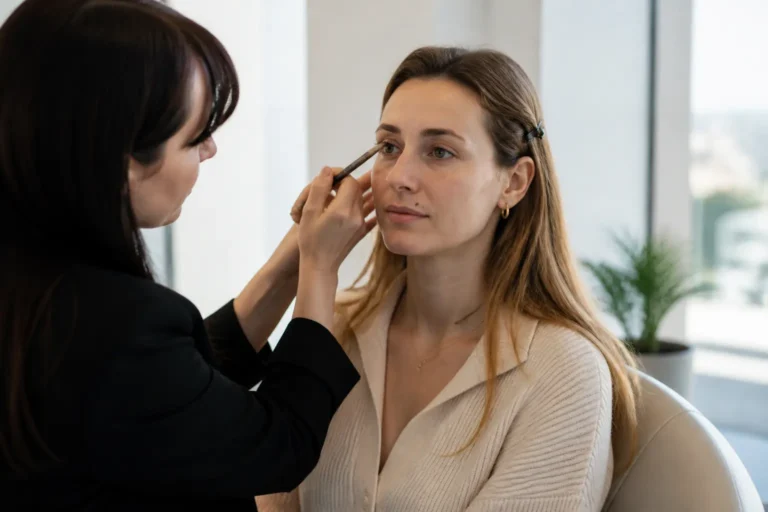
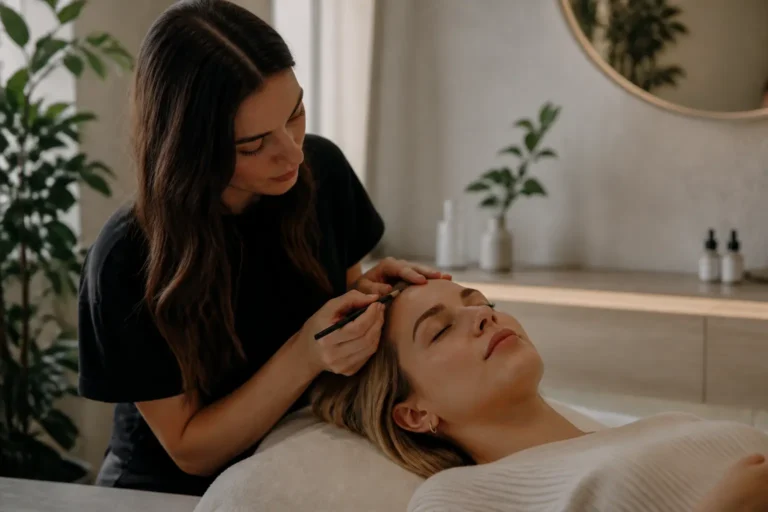
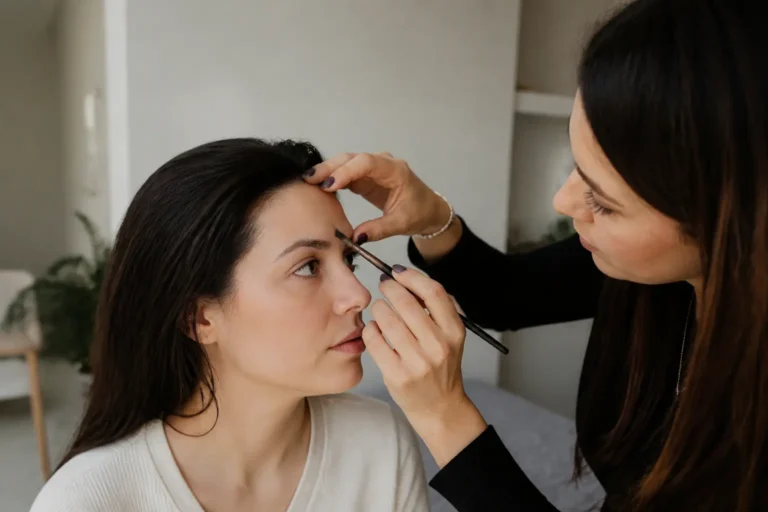
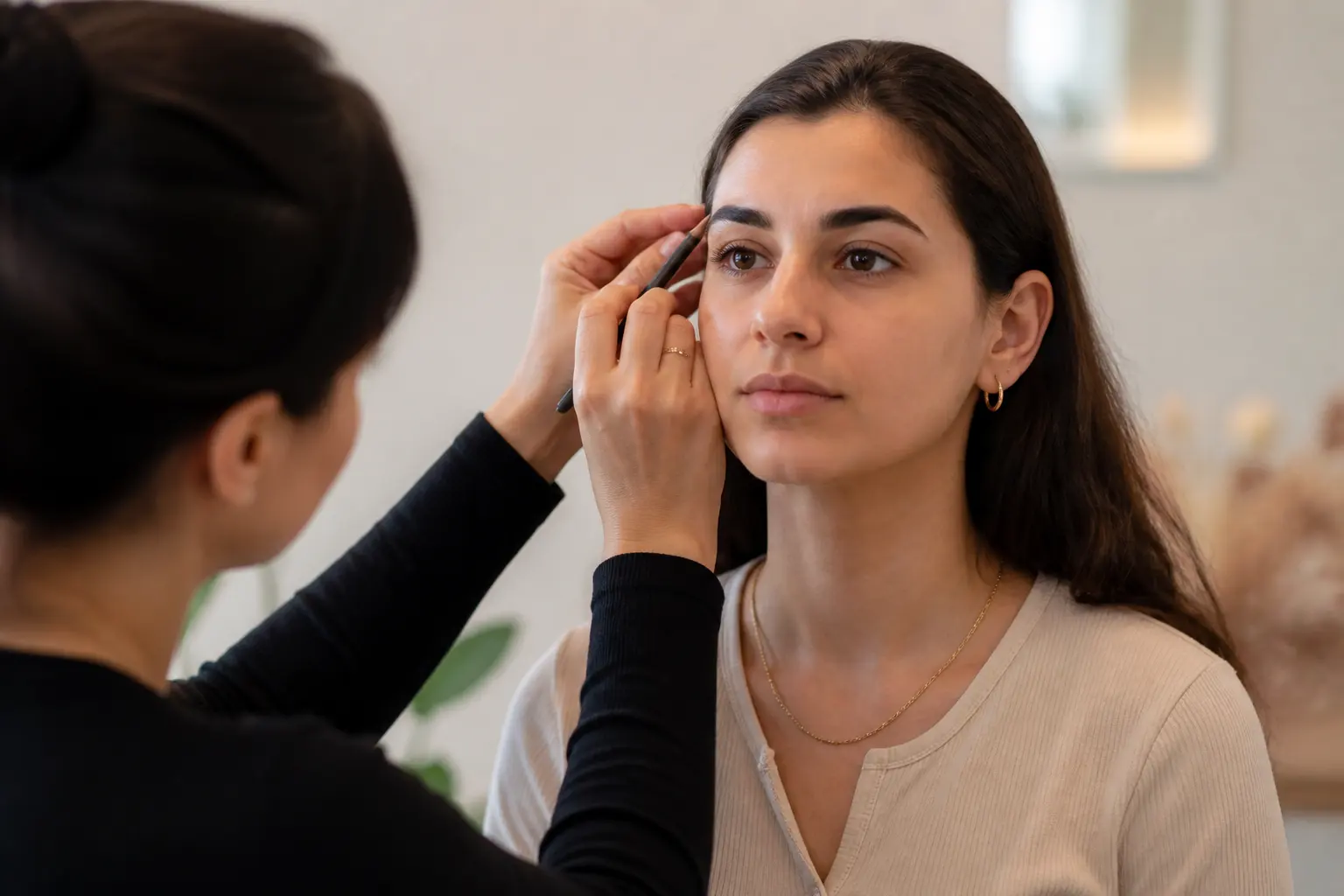
Before eyebrow threading, brow mapping can provide a useful starting point. Rather than treating both brows as two identical lines to copy, mapping helps the brow artist look at their individual position, density, direction and relationship to your features. The aim is a balanced, wearable result that respects your natural brows and facial expression.
Here is what a personalised brow mapping conversation can consider when one brow appears higher than the other.
Why one eyebrow may sit higher than the other
Faces are not perfectly symmetrical. Small differences between the left and right sides are normal, including around the eyes, brow bones, forehead and cheeks. Brows can reflect those differences even when they have never been over-plucked or professionally shaped.
A higher-looking brow may be linked to several visible factors:
- Natural bone structure: the brow area may sit differently from one side to the other.
- Muscle movement: many people raise one eyebrow more easily when talking, concentrating or reacting. Repeated expressions can make an existing difference more noticeable.
- Hair direction and density: one brow may grow flatter, higher, fuller or more sparsely at the arch or tail.
- Previous shaping habits: regularly removing hair from one side more than the other can gradually change the apparent height or thickness.
- Make-up placement: pencil, pomade and concealer can make an uneven position look stronger, particularly when the same template is applied to both sides.
- Viewing angle: mirrors, phone cameras, lighting and head position can all change what you notice.
A difference in brow height is therefore not something that should be approached with a one-rule solution. Removing a great deal of hair from the higher brow, or repeatedly lifting the lower brow by taking hair away underneath, can reduce useful density without necessarily creating a more harmonious appearance.
What brow mapping means before threading
Brow mapping is the process of marking guide points and observing the brow area before shaping begins. It helps create a shared plan between you and the therapist: where the brow may begin, where the arch may naturally work best, how the tail relates to the rest of the brow, and which hairs can be removed while protecting the overall shape.
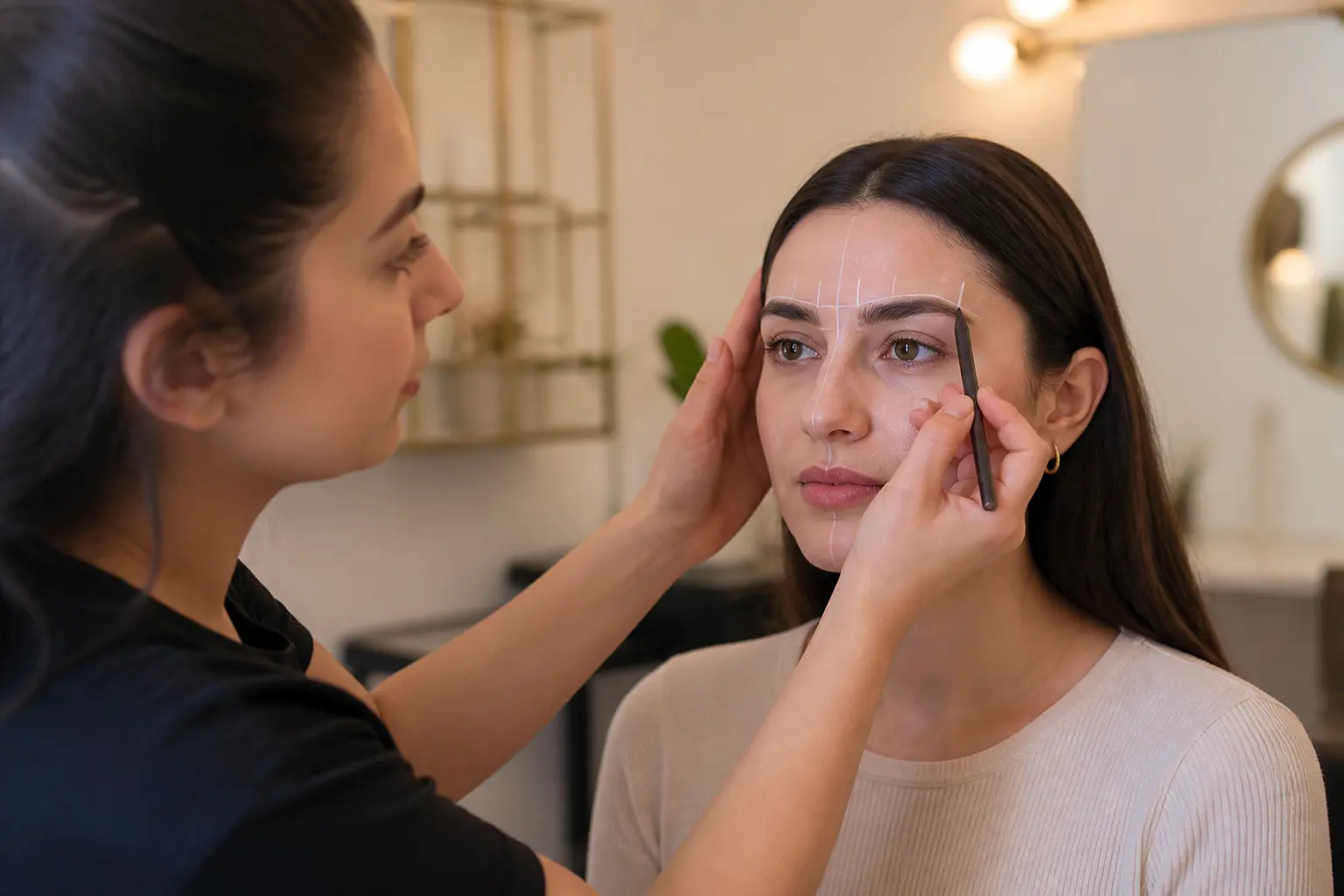
For someone with one eyebrow higher than the other, mapping is especially valuable because it slows the process down. Instead of immediately trying to make both brows match at every point, the design can account for the face as a whole.
At Becammo, threading and brow design are approached as personalised services. A design can be adapted to different brow types, growth patterns and facial profiles, rather than relying on one fixed brow trend. This matters for clients with naturally asymmetric brows as well as those growing out an old shape or managing uneven density.
What a brow artist can look at during mapping
Your natural brow starting points
The inner ends of the brows are often the first area people try to make perfectly equal. Yet the natural hairline at the front of each brow may not begin at exactly the same height or density. One side may also have softer, finer hairs that create a less defined start.
Mapping can identify the natural beginning of each brow while considering the centre of the face and the bridge of the nose. The goal is usually to avoid bringing the brows too close together or removing so much that the front appears abrupt. A gentle, realistic adjustment is often more flattering than a heavily squared-off start.
The apparent height of each arch
When one brow sits higher, the arch may be part of what makes the difference visible. The higher brow might have a more pronounced natural lift, while the lower brow may grow in a flatter line. In other cases, the brows are similarly positioned but one arch has been shaped too sharply in the past.
During mapping, the artist can assess whether the contrast is coming from the brow’s true placement, the location of the arch, the thickness around the upper and lower lines, or a combination of these details. This helps avoid a common mistake: over-thinning one brow in an attempt to lower it.
Thickness and density on each side
Balance is not only about height. A fuller brow can appear lower, heavier or more prominent, while a sparse brow can appear more lifted because more skin is visible around it. If one side has noticeably more density through the body or tail, threading can focus on tidying and defining without taking away the hairs that support the shape.
For example, a brow that looks lower may not need a dramatically higher arch. It may simply benefit from careful cleaning beneath selected hairs, while the fuller side is kept soft enough that both brows feel more proportionate together.
Hair growth direction
Brows do not always grow in the same direction on both sides. One may have hairs that point upward near the front, while the other lies flatter or changes direction at the arch. This can affect how high, full or tidy each brow appears between appointments.
Mapping considers the hair that is actually present and how it naturally lies. Threading can refine the outline, but it cannot change every individual growth direction. Understanding this distinction helps set a result that is easier to maintain with your usual brow routine.
Your resting expression and natural movement
It is useful for the brow area to be assessed while your face is relaxed. If you instinctively raise one brow while looking in the mirror, the difference may seem larger than it is at rest. Equally, an expressive brow can look different when you smile, talk or concentrate.
A thoughtful consultation may include checking the brows at rest and observing their relationship to your expression. The intention is not to stop normal facial movement. It is to design brows that still look considered when your face moves naturally.
Previous over-plucking or uneven home shaping
Many uneven brow concerns have a history. Perhaps one brow was over-plucked years ago, one tail is slower to fill in, or you have been trying to correct the difference at home each week. These details are important because they affect what can reasonably be shaped during the current appointment.
If one brow is missing supportive hairs, the best plan may involve preserving growth and tidying only clear stray hairs for a period of time. Building a more balanced shape can be gradual. A careful design is often more useful than attempting a major correction in one session.
What threading can and cannot do for uneven brow height
Threading uses a twisted thread to remove selected hairs with precision. It can be a practical option for cleaning the brow area, softening an overgrown outline and creating a clearer shape around your existing brow pattern.
When one brow is higher than the other, threading may help create a more balanced visual effect by adjusting small areas of fullness and definition. Depending on your natural growth, this may include refining the lower line, reducing an overly sharp arch, preserving density where it is needed, or cleaning selected hairs that distract from the intended shape.
However, threading cannot alter the underlying bone structure or make naturally different brows identical. It also cannot instantly replace hairs that have been removed in the past or change how every brow hair grows. The most successful outcome is usually brows that look like they belong together, not brows that look copied and pasted.
Good brow design works with natural asymmetry. The aim is visual harmony, facial balance and a shape you can comfortably maintain.
How to prepare for a brow mapping and threading appointment
A few simple steps can make the consultation clearer and give the artist more information to work with.
- Pause home tweezing if possible. Letting the brows grow for a little while can reveal the true pattern and provide more options for shape planning.
- Arrive with minimal brow make-up. If you normally fill your brows in, this is useful information, but beginning with clean brows makes natural density and hair direction easier to assess.
- Bring up previous shaping concerns. Mention if one tail has been over-plucked, if one brow grows more slowly, or if you regularly struggle with a particular area.
- Explain your normal routine. Share whether you use pencil, powder, pomade, brow gel, tint or henna. Your preferred finish can influence how soft or defined the design should feel.
- Discuss an upcoming occasion. If you are booking before a wedding, holiday, photoshoot or another event, say so. This gives you and the artist a chance to plan timing and keep the result appropriate for the occasion.
- Be open about your goal. You may want a tidier version of your current shape, a softer brow, a clearer arch or help growing out an uneven area. Clear expectations support a more personalised plan.
Common approaches that can make asymmetry more noticeable
Trying to solve a higher brow quickly can sometimes create a new problem. Consider avoiding these habits before speaking with a brow professional.
Removing too much from the lower edge
Taking too many hairs from underneath the lower brow may create temporary lift, but it can also make that brow too thin or disconnected from its natural structure. If the brows already have different densities, the contrast can become more obvious.
Chasing exact measurements at home
Measurements can be useful as a guide, but faces are three-dimensional and expressive. Repeatedly checking each brow against a ruler or a phone filter may lead to over-correction. A shape that looks balanced in real life matters more than a pair of brows forced into identical lines in one close-up image.
Changing the brow shape every few days
Brow hairs grow at different speeds, so frequent spot-plucking can make it difficult to see the overall pattern. A regular professional threading routine, paired with a pause on home removal between appointments, can make changes easier to assess over time.
Expecting tint or make-up to solve the whole issue
Brow tint, henna and make-up can add definition and create a more even-looking finish, especially where hairs are fair or sparse. They do not change brow placement. They work best when used alongside a thoughtful shape plan rather than as a substitute for one.
When a gradual brow plan may be the best option
If your brows have substantial differences in density, tail length or old shaping marks, a single threading appointment may be the first step rather than the final answer. The brow artist may recommend keeping certain areas untouched, allowing selected hairs to grow, and reviewing the shape at future visits.
This approach can feel less dramatic at first, but it protects the hairs that may be useful for creating better balance later. It also gives you time to see how the brow settles into your everyday routine, including how it looks without make-up and with your preferred products.
A gradual plan is particularly worth considering when you have been correcting one brow at home for a long time. Patience can be part of a well-designed result.
Choosing the right goal for your brows
When one brow sits higher than the other, the right goal is rarely perfect symmetry. Instead, think about what would make your brows feel more comfortable and cohesive: a softer arch, a clearer outline, more balanced fullness, or a shape that works better with your glasses and make-up routine.
Brow mapping before threading creates room for that conversation. It allows the design to respond to your features, your natural hair growth and your preferences, while keeping the result realistic. If you are unsure where to begin, book an eyebrow threading and design appointment at the Becammo location that is most convenient for you, in Sliema or Swieqi, and discuss the shape you see in the mirror before any hairs are removed.
Frequently asked questions
Can eyebrow threading make one eyebrow lower?
Threading can refine the hairs around the brow and may help reduce the appearance of a difference in height. It cannot move the brow’s natural position or change the underlying structure of the face. The available hair growth will influence what is possible.
Should I remove hairs from the higher brow to make both brows even?
Not necessarily. Removing too much hair from the higher side can make it thinner or less balanced. A brow mapping assessment can help identify whether the difference comes from the arch, density, hair direction or natural facial asymmetry before shaping begins.
Why does one eyebrow look higher in photos?
Camera angle, lighting, lens distance, head position and facial expression can all make a natural difference look stronger. Compare your brows in a relaxed position and in normal daylight before deciding that a major correction is needed.
Can brow make-up help uneven brows look more balanced?
Yes, make-up can add definition to sparse or softer areas and can help you create a more even visual finish. It is most effective when it follows a shape that has been planned around your natural brow pattern.
How long should I stop tweezing before a brow mapping appointment?
The best timing depends on your individual growth and how much hair has been removed recently. If you can, avoid further correction before the appointment and tell the brow artist about your usual tweezing routine so they can assess the available growth.