Brow Lamination for Uneven Density: What to Discuss First
Brenda Cammo Team
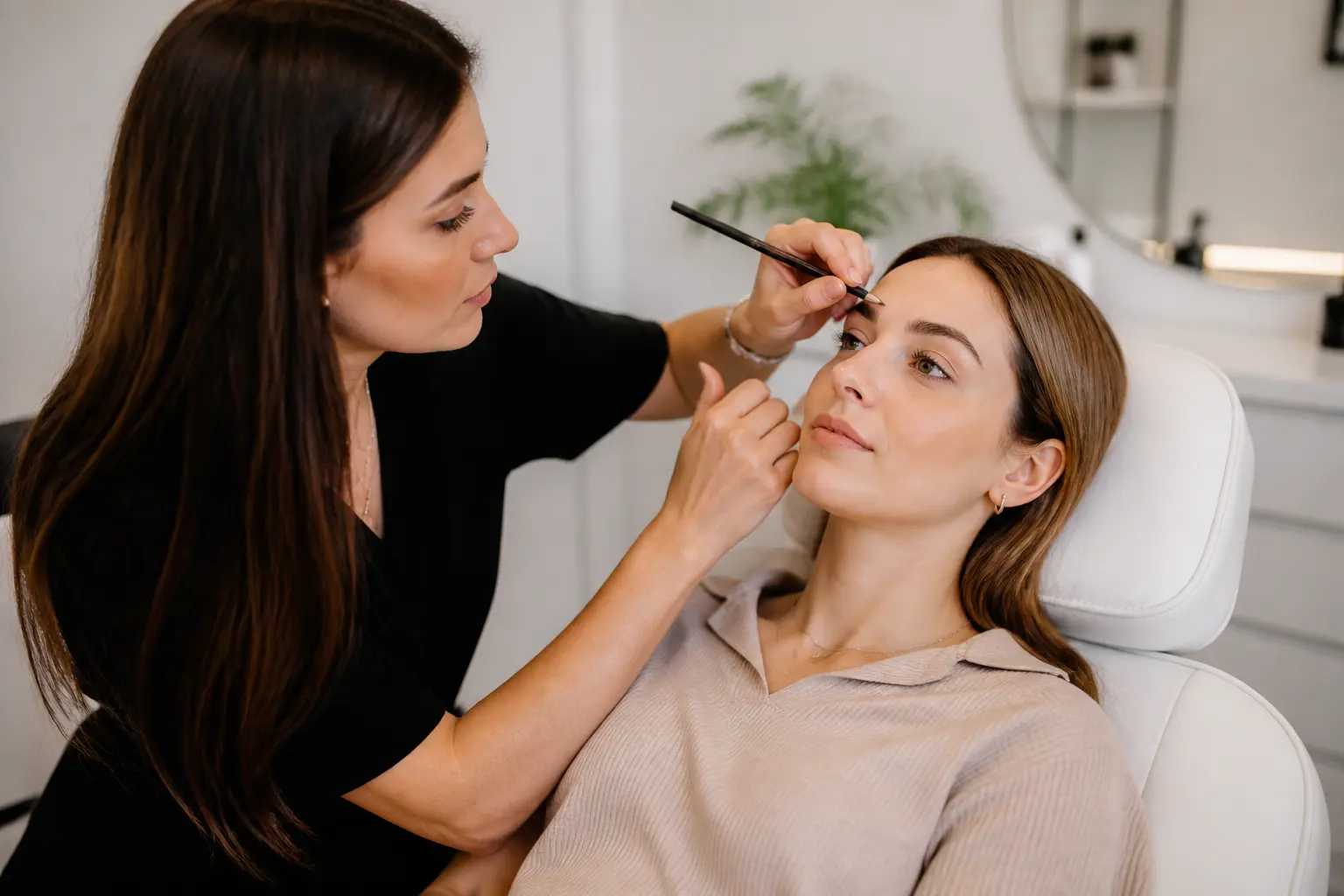
Brows with uneven density can be difficult to style from one day to the next. One section may look naturally full while another appears lighter, grows in a different direction or needs more time with a pencil to create balance. If you are considering brow lamination for uneven brows, a personalised consultation is the right place to begin.
Brow lamination is a styling service designed to help the existing brow hairs sit in a more controlled, brushed-up direction. It can change how the hairs work together visually, but it does not create new hairs or permanently fill an area where there is less natural growth. That distinction matters, especially when your goal is a more even-looking brow rather than a completely different brow.
A thoughtful conversation before the appointment can help clarify what is realistic for your brow pattern, which areas deserve the most attention and whether brow lamination suits the finish you have in mind.
What uneven brow density can look like
Uneven density does not always mean that both brows are sparse overall. It may simply mean that the hairs are distributed differently across each brow or within one brow. For example, you may notice:
- a fuller front with a lighter arch or tail;
- one brow that naturally grows flatter while the other has more lift;
- small areas where hairs point in several directions;
- a brow that looks denser when brushed down but less even when brushed up;
- different hair texture from one side to the other;
- an area that needs daily make-up for definition while the rest of the brow does not.
These variations are common. Brows are sisters rather than identical twins, and their growth, direction and density can differ naturally. A personalised design should work with those differences rather than force both brows into one rigid template.
How brow lamination may change the appearance of uneven brows
The main visual role of brow lamination is to make the brow hairs easier to arrange in a chosen direction. For some people, lifting and guiding existing hairs can help a lighter-looking section blend more smoothly into the rest of the brow. For others, it can make the natural spacing between hairs more noticeable, particularly if the desired look relies on strong, vertical “fluffy” styling.
That is why the question is not simply, “Will brow lamination make my brows fuller?” A more useful question is: “How will my own brow hairs look when they are styled into a different direction?”
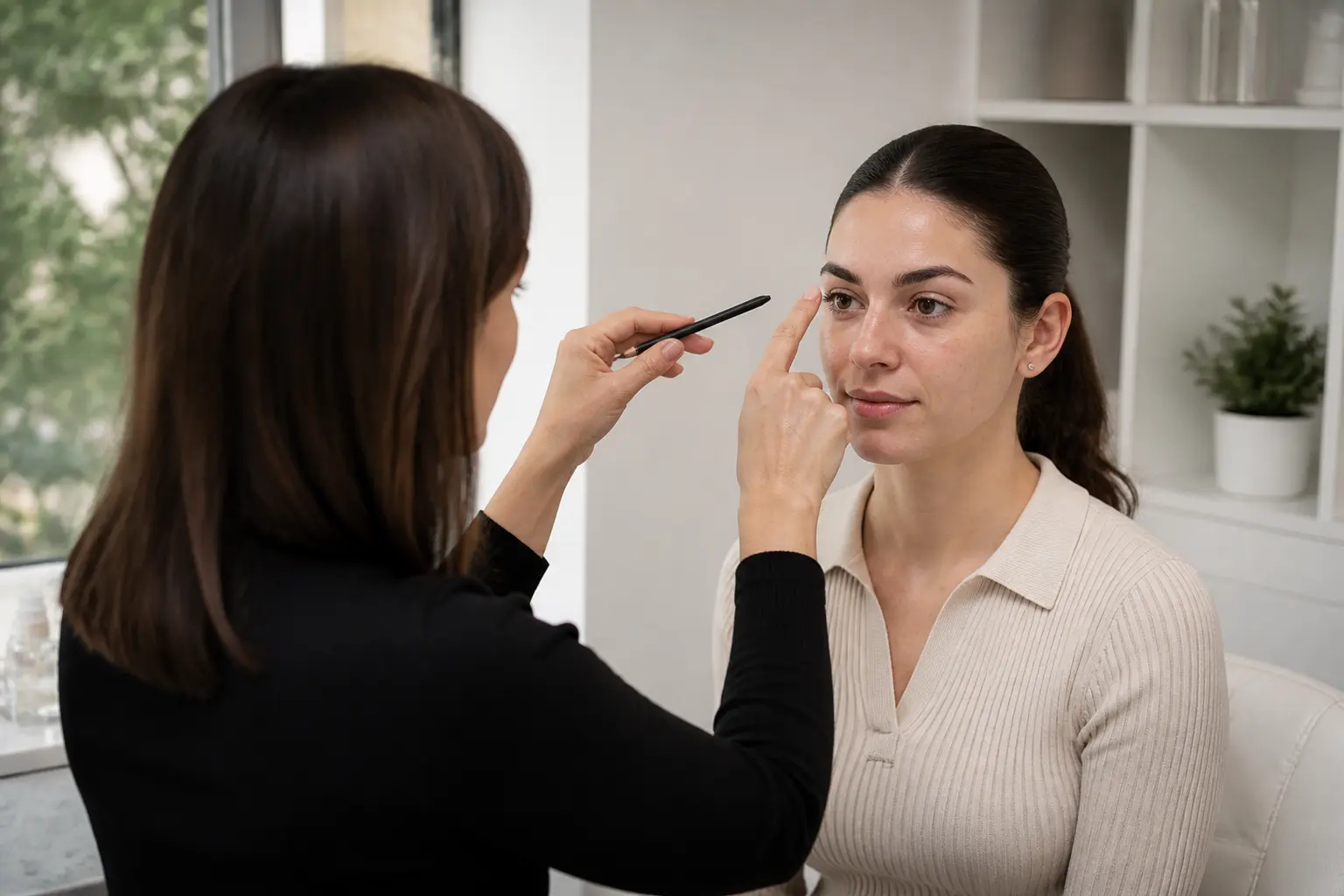
During a consultation, the professional can look at the brow as it naturally sits, then consider how its hairs may be arranged for a balanced result. The aim is not to overstate fullness. It is to choose a finish that feels polished, wearable and suited to your existing brow pattern.
What a personalised consultation can consider
Your natural hair distribution
The first consideration is where your hairs are naturally concentrated. Some brows have strong density at the front but become lighter through the arch. Others have a fuller tail and a softer inner brow. Looking at this distribution helps identify whether a brushed-up finish could make the overall shape appear more connected, or whether a softer direction would better support the areas with less density.
This observation is especially important when one brow has visibly more hair than the other. The goal may be visual harmony rather than exact matching. Small differences can often be softened through considered styling, but a consultation should be honest about what the existing hairs can achieve.
Hair direction and movement
Hair direction has a major effect on how dense brows appear. Hairs that cross over one another, point downwards or grow away from the main brow line can create gaps in the visual shape even when there are plenty of hairs present.
A consultation can consider whether guiding these hairs upwards, diagonally or more softly to the side may make the brow look more orderly. The most suitable direction is individual. A dramatic upright look is not automatically the best choice for every brow.
Hair length and texture
Longer brow hairs may offer more styling flexibility, while shorter hairs may create a subtler effect. Texture also matters. Some hairs are fine and soft; others are coarser, more resistant or naturally curly. These features can influence the finish that feels most balanced and manageable after the appointment.
Rather than choosing a trend-led result from a photograph alone, it helps to discuss how you normally wear your brows and how much structure you would like in everyday life. A polished, softly lifted brow can be just as effective as a more visibly laminated finish.
The outline you want to see
When density is uneven, the desired outline should be discussed carefully. You may want a clearer arch, more lift at the front, a neater tail or simply less time spent trying to make both brows look aligned with make-up.
The professional can assess how the natural hairs sit within the intended shape. This does not mean creating an artificially narrow or overly sharp brow. It means finding a design that respects your facial features, your current brow growth and your personal preference.
How you use brow make-up
Your usual make-up routine is useful information. If you rely on pencil, powder, pomade or tinted brow gel, say so during the consultation. The right styling plan may depend on whether you prefer to keep filling a lighter area, want a more natural no-make-up appearance or are happy with a combination of professional brow grooming and light make-up at home.
Brow lamination can be part of a routine, not necessarily a replacement for every product you use. Someone with a small low-density area may still choose a little make-up after the brow has been styled and shaped. The difference is that the surrounding hairs may sit more neatly, making any finishing product easier to apply with precision.
Questions worth asking before you book
A consultation works best when you explain both what you notice and what you hope to change. Consider asking:
- Would a lifted or softer styling direction suit my uneven areas better?
- Will brow lamination make the lighter section look more balanced, or more visible?
- Which parts of my brow have enough hair to be styled effectively?
- Should I keep my current brow shape or make subtle adjustments?
- Can threading or brow shaping be planned around the look I want?
- Would tint or henna be relevant to my goal, or is lamination alone the more suitable focus?
- What daily styling habits should I discuss before leaving the studio?
These questions move the conversation beyond a generic “before and after” expectation. They make room for an individual recommendation based on your actual brow hairs.
Brow lamination, tint and shaping: different roles
It is easy to group all brow services together, but each has a different purpose. Brow lamination focuses on styling the direction of existing hairs. Tint or henna may be considered when the goal includes more visible colour or definition. Threading and design focus on removing selected hairs and refining the outline.
| Service focus | What it can help address | What it does not do |
|---|---|---|
| Brow lamination | Hair direction, lifted styling and a more organised appearance | Create new brow hairs |
| Tint or henna | Added visible definition through colour | Change the direction in which brow hairs grow |
| Threading and design | Refining the shape and removing selected hairs | Increase natural density |
For uneven density, the most suitable option may be one service or a carefully considered combination. It depends on whether the main concern is hair direction, colour contrast, shape, or a mixture of all three. There is no need to choose every option at once. A consultation can help you decide which concern should take priority.
When a softer result may be the better choice
Social media often presents brow lamination as a highly lifted, bold look. In practice, a personal approach may be more subtle. If the front of your brow is much denser than the tail, brushing every hair straight upwards could draw attention to the contrast. A softer lift, a diagonal direction or a more gently structured finish may look more even.
Likewise, if one brow naturally has less density, trying to make it look identical to the fuller brow may lead to an overworked appearance. A better outcome can be two brows that look related in shape and expression while retaining natural individuality.
The most successful brow result is not always the most dramatic one. It is the one that makes sense for your natural density, direction and day-to-day routine.
What to share at your appointment
Before brow lamination, be open about anything that could affect the consultation or your comfort. Mention if you have had a recent brow service, if you are currently using products around the brow area, if you have experienced sensitivity in the area before, or if you are unsure how you want your brows to look. Clear information supports a more considered service plan.
You can also bring a few reference images, but use them as a conversation starter rather than a fixed promise. A photo may show a person with a very different brow density, hair texture, facial structure or styling routine. The useful part is identifying what you like: softness, lift, a fuller-looking front, a straighter outline or reduced reliance on daily brow products.
How to prepare for a useful consultation
- Observe your brows without make-up. Notice where they look fuller, lighter, flatter or less defined.
- Think about your normal routine. Consider how much time you are willing to spend brushing or filling your brows each morning.
- Choose your priority. Decide whether your main aim is lift, tidiness, colour, shape or a more balanced appearance.
- Be realistic about natural variation. A good design can make differences less distracting, but it does not need to erase every asymmetry.
- Ask about aftercare before you leave. Knowing how to look after the styled result is part of choosing a service that fits your lifestyle.
A balanced expectation for uneven density
Brow lamination may be a helpful option when uneven density is partly caused by hairs growing in different directions or sitting outside the shape you want to see. It may help the existing brow look more coherent by organising those hairs into a more intentional pattern.
However, it should not be presented as a way to replace absent hair growth or guarantee symmetry. An area with noticeably fewer hairs may still need light make-up for added definition, or it may be better approached with a softer shape that does not emphasise the gap. The value of a personalised consultation is that it gives you a clear, realistic plan before you commit to a particular look.
Conclusion
If your brows have uneven density, brow lamination can be worth exploring for its styling potential rather than as a promise of instant fullness. The best result begins with an honest look at your natural hair pattern, the direction of growth, the shape you enjoy wearing and the amount of maintenance that suits your routine.
At Becammo, a brow lamination appointment can start with that individual conversation, helping you choose a finish that feels balanced and true to your brows. When you are ready, use the booking system to select the most convenient Malta location and discuss your brow goals at the appointment.
Frequently asked questions
Can brow lamination make sparse areas disappear?
No. Brow lamination works with the hairs already present and does not create new hairs. It may help some areas look more organised when existing hairs can be guided into a more favourable direction.
Is brow lamination suitable if one brow is fuller than the other?
It may be suitable, but the styling direction should be chosen individually. A consultation can assess how each brow sits and aim for a balanced overall impression rather than identical brows.
Should I choose tint as well as brow lamination for uneven brows?
That depends on whether colour definition is one of your goals. Lamination addresses hair direction, while tint or henna can add visible colour. Discussing both concerns first helps avoid choosing services simply because they are commonly paired.
Can I still use brow pencil after brow lamination?
Yes, if it suits your routine. Some people still use a small amount of pencil or other brow make-up to define a lighter area. The consultation can take account of how you prefer to finish your brows at home.
What should I bring to a brow lamination consultation?
You do not need to bring anything special, but it helps to arrive ready to discuss your usual brow routine, any recent brow services, your preferred level of definition and reference images that show the style elements you like.