Eyebrow Threading With a Brow Scar: What to Discuss First
Brenda Cammo Team
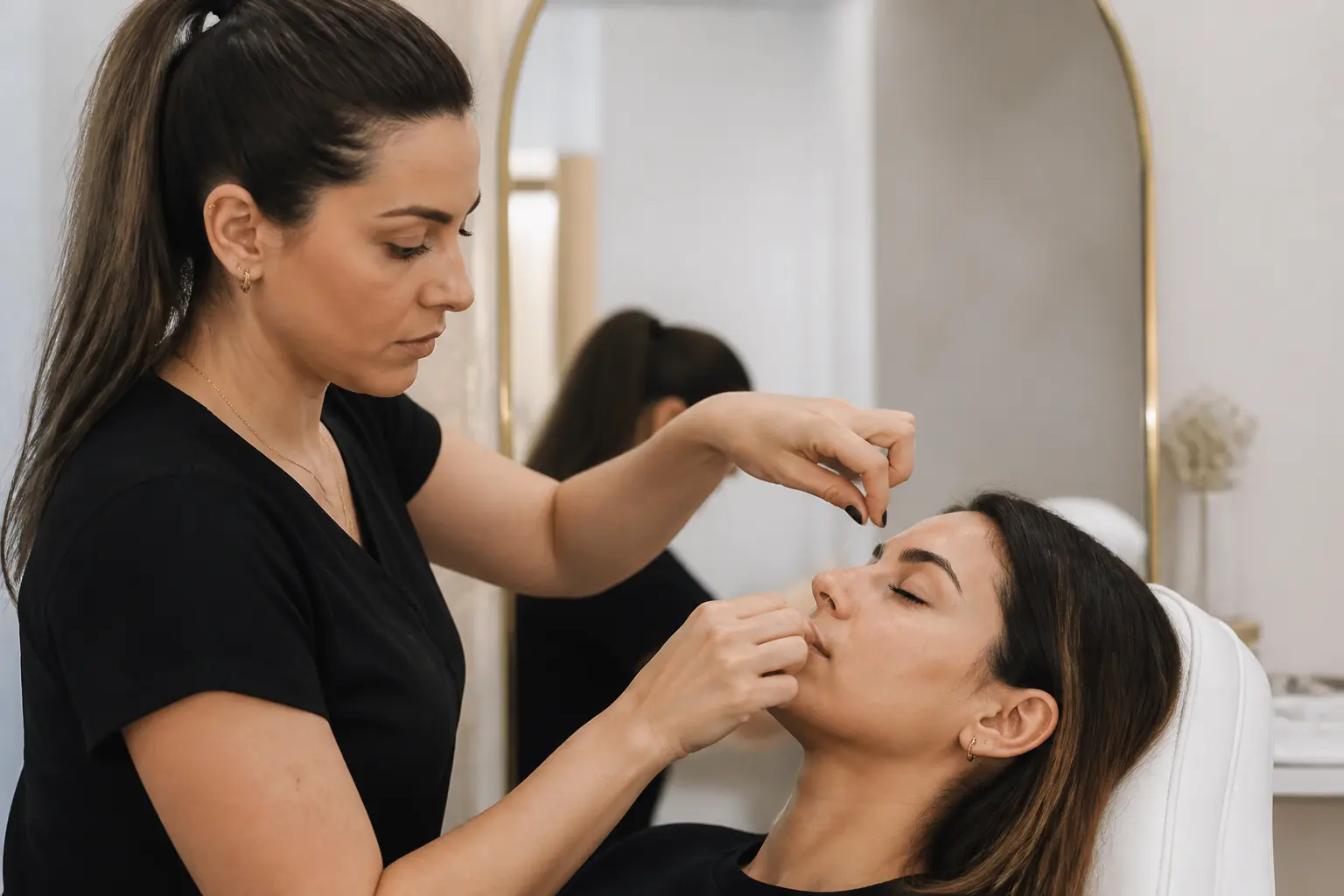
An eyebrow scar can change the way hairs grow, create a visible gap or simply make you more cautious about brow appointments. That does not automatically mean eyebrow threading is unsuitable. It does mean the design conversation matters.
When you book eyebrow threading with a scar, the aim should not be to force both brows into an identical template or remove hair around the scar without thought. A more considered appointment looks at your natural growth, the position and condition of the scar, your everyday brow routine and the level of definition you actually want.
Threading can be a precise way to tidy hairs around the brow area because it uses a twisted thread to remove selected hairs. However, a scarred area may have a different texture, sensitivity or pattern of hair growth from the surrounding skin. A personalised design conversation helps set a careful plan before the shaping begins.
Why an eyebrow scar can affect brow design
Scars are individual. Some sit discreetly within the brow and are only noticeable when hair is brushed aside. Others create a small break in the line of the brow, alter the direction of nearby hairs or extend beyond the brow shape itself. The visual effect can vary depending on lighting, makeup, skin tone and how full the natural brow is.
Hair may grow through, beside or not at all within the scarred area. It is also common for the hairs close to a scar to behave differently: they may lie flatter, point in a different direction or look finer than the rest of the brow. None of this means the brow is “wrong”. It simply means that symmetry needs to be approached as balance, rather than strict sameness.
A thoughtful threading appointment can focus on the brow as a whole. Sometimes that means preserving useful hairs near a gap. Sometimes it means cleaning the surrounding outline so the natural structure appears clearer. In other cases, the most useful outcome is a tidy, wearable shape that leaves space for a small amount of brow makeup at home.
What to mention before the threading starts
You do not need to arrive with a perfect explanation of your scar. A few clear details can help your brow specialist understand what matters to you and work more carefully around the area.
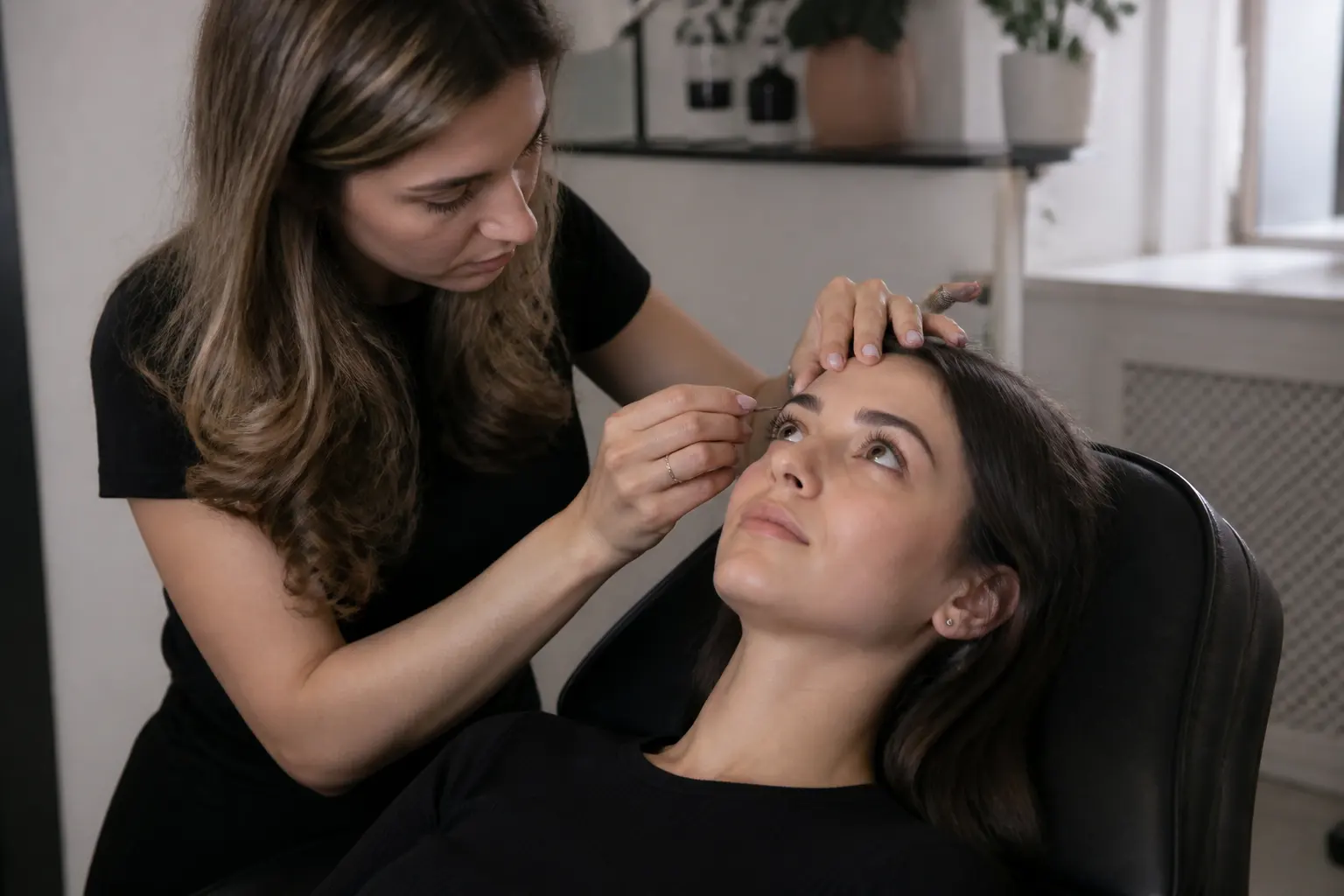
Tell them whether the scar is recent or fully settled
If the skin is still healing, tender, broken, irritated or affected by a recent procedure or injury, it is important to say so before any hair removal begins. Threading should not be carried out over compromised skin. If you are unsure whether the area is ready for a beauty appointment, pause and seek appropriate medical guidance first.
A fully settled scar may still feel different from the surrounding skin, so mentioning any ongoing tenderness, tightness or sensitivity remains useful. Do not assume that a scar which looks calm will necessarily feel comfortable during hair removal.
Point out exactly where it sits
Scar placement can influence the design choices. A small line beneath the brow may have little impact on the main shape, while a scar crossing the upper edge, arch or tail may be more central to the overall look. Showing the area clearly allows the specialist to avoid guessing.
If you normally cover the scar with pencil, powder, pomade or concealer, explain where you tend to place product. This reveals whether your priority is a softer everyday brow, a sharper makeup outline or simply a cleaner base for filling a sparse section.
Explain what you would like to change — and what you do not want changed
It is helpful to describe your goal in practical terms. For example, you may want the brow to look neater while keeping as much fullness as possible. You may prefer to retain hairs around the scar rather than create a very crisp arch. Or you may want guidance on a shape that makes your regular makeup routine feel easier.
It is equally useful to state your limits. If you have previously over-plucked the area, are growing your brows out or feel nervous about making the gap more noticeable, say so. A conservative first appointment can be a sensible way to understand how the brow settles after a tidy-up.
How personalised design can work around a scar
Personalised brow design is not about making every face fit one fashionable brow shape. It is about considering facial proportions, natural hair density, brow direction and the features that make each brow distinct. With a scar involved, the conversation may include a few extra decisions.
Preserving hair where it creates useful coverage
One of the most important principles can be restraint. Hairs close to a scar may contribute more to the finished shape than they appear to before grooming. Removing them simply because they sit outside a conventional line can reduce coverage and make a sparse section more obvious.
During threading, a specialist can identify which hairs are genuinely distracting and which ones support the brow’s overall balance. This does not mean leaving every stray hair untouched. It means prioritising the hairs that help the brow look naturally complete.
Adjusting the outline instead of chasing identical brows
Natural eyebrows are sisters rather than exact twins, and this is especially relevant when one brow includes a scar. Trying to copy every millimetre of the unaffected brow can result in unnecessary removal from the other side. A better goal is often visual harmony: brows that suit your face, retain their natural character and look balanced at a normal conversational distance.
The specialist may soften one edge, preserve extra density near the gap or avoid over-defining the arch. Small adjustments can make the brows feel more cohesive without pretending that the scar does not exist.
Considering the direction of nearby hairs
Hair direction matters as much as hair quantity. When hairs beside a scar grow sideways, upwards or in an uneven pattern, brushing technique and product choice may become part of the plan. Threading can clean around the area, but the finishing strategy may be deliberately soft so that the brow remains easy to style between appointments.
If the hairs are long enough to cross a sparse section when brushed, a specialist may discuss whether keeping some length is more useful than trimming too much. The right choice depends on how the hair behaves naturally and on the finish you prefer.
What threading can and cannot do for a scarred brow
Threading is a hair-removal and shaping method. It can tidy the brow area, clarify the outline and support a more intentional design. It cannot change scar tissue, promise hair growth through a scar or guarantee that two brows will become identical.
This distinction is important because it keeps expectations realistic. A good threading result may be a brow that looks cleaner and more balanced while still retaining the natural evidence of a scar. For many people, that is a more useful and authentic outcome than an overly sharp shape that requires constant correction.
If the main goal is to create the appearance of fuller brows, your appointment conversation may also include temporary cosmetic options such as brow pencil, powder, tinted products or henna/tint where suitable. These choices should be discussed individually, particularly if the skin is sensitive or the scar area remains reactive.
Preparing for an appointment
A little preparation can make the design conversation clearer and help the threading session run more smoothly.
- Arrive without heavy brow makeup if possible, so the natural growth pattern is visible.
- If you usually fill the scar area, consider taking a photo of your preferred everyday brow makeup look to show what feels like you.
- Avoid picking, exfoliating or irritating the brow area shortly before the appointment.
- Let the specialist know about recent skin reactions, sensitivity or any products that have made the area uncomfortable.
- Do not remove hairs around the scar immediately before your booking; keeping the natural growth visible supports better design decisions.
- Allow enough time before an important event for any temporary redness to settle.
At Becammo, threading uses a single-use thread for each client. Cotton thread is the usual material, while polyester may be considered for clients with a relevant allergy. Hygiene, a clear consultation and careful handling matter in every brow appointment, particularly when a client has an area they would like treated with extra consideration.
Questions worth asking during your brow consultation
You do not need technical beauty vocabulary to have a useful consultation. Simple questions can help you understand the proposed approach and decide whether it matches your comfort level.
- Which hairs would you recommend keeping near the scar, and why?
- Can we begin with a conservative tidy-up rather than a major reshape?
- Will the design leave me enough hair to style the gap with makeup if I choose?
- How can I brush or fill this area between appointments?
- Is tint or henna appropriate for the look I want, considering my skin and the scar area?
- When should I return if I want to maintain the shape without over-removing hair?
A design conversation should feel collaborative. You should know what will be shaped, what will be preserved and why that approach has been chosen. If you prefer a low-maintenance brow, a soft finish may be more suitable than a highly sculpted outline. If you enjoy a defined makeup look, the design can aim to create a clean framework without removing the hairs that give you useful coverage.
Aftercare: keeping the brow area comfortable
After threading, the skin may look temporarily pink or feel slightly sensitive. This can be more noticeable around an area that is already delicate. Keep the brow area clean, avoid touching it unnecessarily and follow the aftercare guidance given during your appointment.
It is sensible to avoid applying heavily fragranced products or experimenting with unfamiliar brow cosmetics immediately afterwards. If you plan to use makeup, wait until the skin feels settled and use clean applicators. If you notice unusual irritation, persistent discomfort or a skin reaction, seek appropriate professional advice rather than continuing to apply products over the area.
For ongoing maintenance, avoid trying to correct every new hair at home. Small changes can quickly alter the balance around a scar, especially where coverage is limited. Booking regular, appropriately spaced threading appointments can help preserve the agreed design while allowing the brow specialist to reassess growth over time.
Conclusion
An eyebrow scar does not require you to abandon brow shaping or hide your natural features. The most useful starting point is an honest conversation about the scar, your comfort, your growth pattern and the result that feels right for you.
With a personalised approach, threading can focus on tidiness, proportion and a shape that works with your brow rather than against it. When you are ready, choose the Becammo location in Sliema or Swieqi that suits you and book an eyebrow appointment with enough time for a proper design discussion.
Frequently asked questions
Can I have eyebrow threading if I have an old brow scar?
Often, a settled scar can be discussed as part of a threading consultation. The specialist should assess the area visually and ask about sensitivity before shaping. If the skin is still healing, irritated or broken, postpone the appointment and seek appropriate medical guidance.
Will threading make an eyebrow scar disappear?
No. Threading shapes and removes hair; it does not remove or alter scar tissue. It may help create a tidier brow outline around the area, but it should not be presented as a way to erase a scar.
Can threading make a gap in my eyebrow look worse?
It can if too much useful hair is removed near the sparse area. This is why a conservative, personalised design is important. Explain that you want to preserve coverage, especially at a first appointment.
Should I use brow pencil before my appointment?
It is usually easier to assess natural growth with minimal makeup on the brows. However, a photo showing how you normally fill the scar area can be useful during the consultation.
Can I have tint or henna if I have a scar in my eyebrow?
Suitability depends on the condition of the skin, any sensitivity and the desired effect. Mention the scar before booking or at the start of the appointment so the brow specialist can discuss the most appropriate option for you.
How often should I book threading for a scarred eyebrow?
Timing depends on your individual hair growth and how much shaping you want. Rather than following a fixed rule, ask for guidance based on the design agreed during your appointment and avoid over-tidying the area at home.