Why Eyebrow Hairs Grow at Different Speeds Between Appointments
Brenda Cammo Team
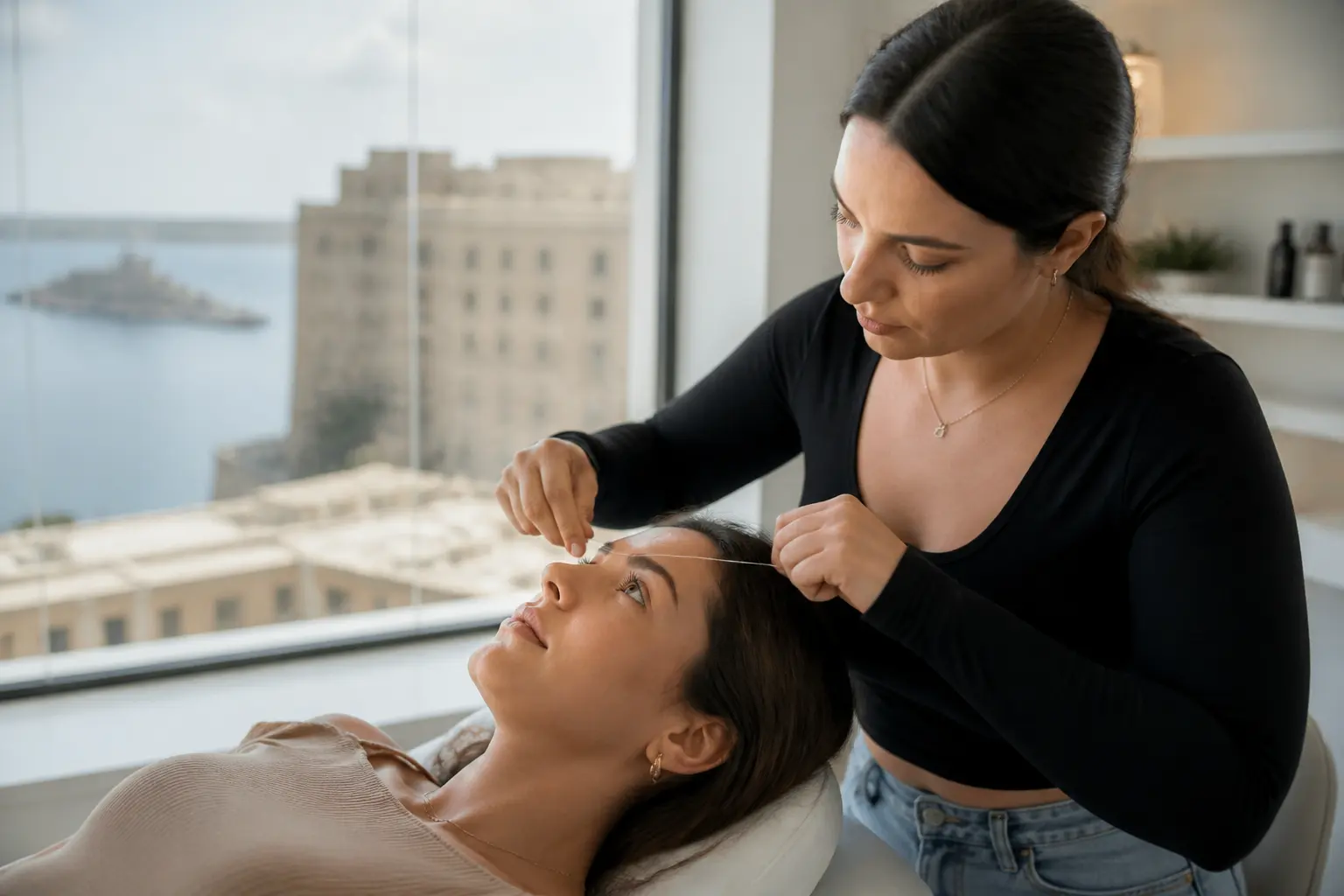
It is completely normal to notice a few eyebrow hairs returning before the rest. One side may appear to grow in more quickly, a hair beneath the arch may suddenly look long, or the front of one brow may seem fuller only days after a threading appointment. This does not necessarily mean your brows are becoming uneven or that the previous design has changed.
Eyebrow hairs do not all follow one shared timetable. Each follicle has its own growth pattern, and the hairs across your brows can be at different points in that pattern at the same time. Between threading appointments, this creates the familiar feeling that a handful of hairs are always making an early appearance.
Understanding what is happening can make maintenance less frustrating. It also helps you avoid the common habit of repeatedly removing hairs at home, which can gradually blur a shape that was designed to grow out naturally.
Eyebrow hairs grow in individual cycles, not as one group
Like other body hair, eyebrow hair moves through a cycle that includes an active growing phase, a transition phase and a resting phase. The important practical point is that neighbouring follicles are not perfectly synchronised. While one hair is actively growing, another may be resting and another may be close to shedding and restarting its cycle.
This independent timing is why freshly shaped brows do not usually grow back as a uniform row. Instead, you may first notice one or two fine hairs near the lower line, a stronger hair around the tail, or a small amount of texture returning above the natural outline.
Eyebrow hair also has a much shorter active growth phase than scalp hair, which is one reason brow hairs stay relatively short. A review of hair-cycle biology notes that eyebrow follicles have an active phase measured in months rather than the years typical of scalp follicles. Read the clinical review of the hair growth cycle.
That shorter cycle does not mean every eyebrow hair grows at exactly the same visible rate. Genetics, the individual follicle, hair thickness, the direction in which a hair emerges and where it sits within the brow can all affect what you notice in the mirror.
Why one eyebrow can seem to grow back faster
Brows are sisters rather than identical twins. Their natural density, direction and outline may be similar, but they are not mirror copies. A little difference in regrowth is therefore expected.
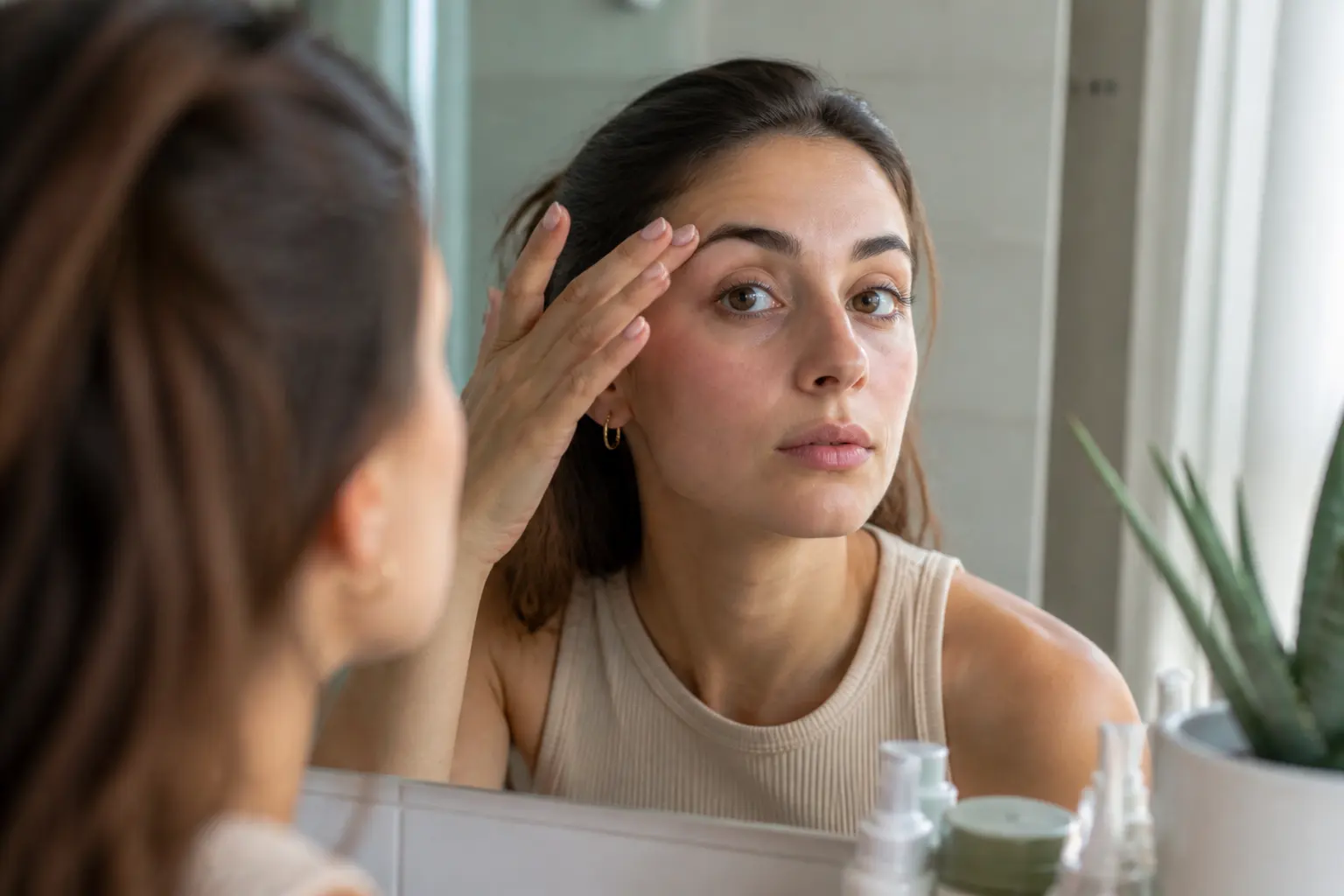
Follicles are at different points in their cycle
This is the main reason. If more hairs in the left brow happen to be in an active phase after your appointment, that brow may look as though it is returning first. A few weeks later, the pattern can look different again.
Hair thickness makes growth more noticeable
A darker or coarser hair can be visible very early, even if it has not grown very far. Fine, pale hairs may be present too, but they are less obvious against the skin. This can create the impression that one area is growing more quickly when the difference is really about visibility.
Direction changes how long a hair looks
Eyebrow hairs do not all grow in the same direction. At the front, hairs often sit more upright; through the body of the brow, they tend to angle across; and around the tail, they may lie flatter or point outwards. A hair that projects away from the skin can look longer than one of the same length that lies flat.
Your natural brow density is uneven
Many people have a denser front on one side, a softer tail on the other, or a small sparse area through the arch. Threading works with the hair available and the proportions of your face. It cannot make every follicle behave identically, so natural differences may become more visible as hairs grow through.
Daily habits can draw attention to one area
Close-up mirrors, brow makeup, skincare application and simply touching the brow area can make you more aware of individual hairs. You may also unconsciously inspect your stronger brow more closely because it is the first place where regrowth catches your eye.
What you may notice between threading appointments
Regrowth rarely looks the same for every client. However, a few patterns are especially common and usually fit within a normal brow-maintenance routine.
- Early return beneath the lower brow line: A few hairs may become visible below the shape before the rest of the brow looks due for attention.
- A more obvious tail: Because the tail is finer and more tapered, even a small amount of regrowth can make it seem less defined.
- One longer hair: A single hair can sit at a different stage from its neighbours and appear to “jump ahead”.
- Softness around the arch: The arch can gradually lose its crispness as fine hairs emerge around its edges.
- Different timing on each side: One brow may look ready for a tidy-up before the other. This does not automatically mean the original design was uneven.
It is also worth remembering that threading removes the visible hair from the follicle; it does not reset every follicle into the same growth stage. The next hairs emerge according to their own cycles. That is why a professional shape can remain recognisable while a small number of hairs return at different times.
Does threading make eyebrow hair grow back unevenly?
Threading itself is not the reason eyebrows appear to regrow at different speeds. The uneven pattern is already part of how individual follicles cycle. Threading simply makes the contrast easier to see because it leaves the surrounding skin and the intended brow outline clean.
In fact, a carefully planned threading appointment can make the grow-out period easier to manage. The design focuses on the brows’ natural structure rather than chasing a perfectly identical template. This leaves room for the fact that brows have different densities, directions and growth patterns.
At Becammo, threading design is approached with brow mapping and personalised assessment, taking account of the existing hair, face proportions and the way each brow naturally grows. The aim is a balanced overall expression, not the removal of every hair that appears between appointments.
Why over-tweezing between appointments can make things harder
When one or two hairs appear, it can be tempting to correct them immediately. The difficulty is that an isolated hair may look out of place only because the next group of hairs has not emerged yet. Removing it without seeing the full regrowth pattern can gradually make a brow thinner, shorter or less balanced.
This is particularly relevant around the arch and tail. These areas can look sparse quickly when a few necessary hairs are removed. If you are trying to grow out brows that have previously been over-plucked, frequent checking and correction can make it difficult to see which hairs are contributing to the shape.
A more helpful approach is to decide in advance what is truly outside your intended outline and what can wait for your next appointment. If you are unsure, leave the hair in place and ask your brow professional to assess it. A temporary period of softness is often easier to manage than trying to rebuild a section that has been repeatedly removed.
A simple between-appointment routine
- Brush brows into their natural direction. This lets you see whether a hair is genuinely outside the shape or simply sitting awkwardly.
- Use light makeup only where you want extra definition. A fine pencil, powder or tinted brow product can soften visual gaps without requiring more hair removal.
- Avoid magnifying-mirror decisions. What looks prominent at very close range may not affect your overall brow shape.
- Do not chase symmetry hair by hair. Assess both brows from a normal distance and consider the full face rather than one tiny area.
- Book a tidy-up when the outline, rather than one hair, is starting to feel less defined. This keeps the decision focused on the design as a whole.
How to decide when your brows are ready for threading again
There is no single calendar rule that suits every brow. Some people prefer a regular routine because they like a consistently polished outline. Others wait until the lower line, arch or tail has visibly softened. Your preferred frequency can also depend on hair density, colour contrast, makeup habits and whether you are growing out a previous shape.
The most useful sign is not one early hair. It is the point at which the overall design starts to lose clarity for you. You may notice that the lower line no longer looks clean, the arch feels less defined, or brow makeup is taking more effort than usual.
If you are deliberately growing your brows out, communicate that clearly at the beginning of the appointment. A shape-first threading plan can prioritise tidiness while protecting hairs that may be useful for future fullness. That approach is very different from removing everything that has emerged since the last visit.
Can you make eyebrow hairs grow at the same speed?
You cannot reliably make every eyebrow follicle enter the same stage at the same time. The natural growth cycle is individual to each follicle, and eyebrows are not designed to regrow as one synchronised group.
What you can do is make the in-between stage look more intentional. A design that respects your natural density, a measured approach to home maintenance and a realistic appointment rhythm all help the brows look balanced as they grow through.
If your concern is not ordinary uneven regrowth but a sudden, marked change in brow density, clearly defined bare patches, scaling, irritation or hair loss elsewhere, it is sensible to speak with a GP or dermatologist. These changes deserve individual assessment rather than repeated cosmetic correction. DermNet provides an overview of hair-loss patterns and when they may need attention.
Threading appointments are about shape, not chasing every hair
Seeing a few hairs return at different times is a normal part of having eyebrows. The goal of a threading appointment is not to force every follicle into the same rhythm. It is to create a clean, personalised shape that still works as natural regrowth appears.
When you allow the design to grow through instead of constantly correcting it at home, you give yourself and your brow professional a clearer view of the hair that is actually available. At your next appointment, choose the Sliema or Swieqi location that suits you and book the eyebrow service that matches your routine. A considered tidy-up can restore definition while keeping the shape aligned with your natural brow growth.
Frequently asked questions
Why do I get one long eyebrow hair before the rest grow back?
That hair is likely at a different stage of its individual cycle from the surrounding hairs. Its thickness or direction may also make it appear more prominent. One early hair does not mean that all the other hairs will remain behind it.
Why does one eyebrow look fuller after threading?
Natural differences in density, hair colour, direction and growth timing can make one brow look fuller as regrowth begins. A professional design aims for visual balance while respecting those natural variations.
Should I pluck hairs that return between threading appointments?
If you are confident that a hair is well outside the intended shape, you may choose to remove it. However, if you are unsure, especially around the arch or tail, it is usually safer to leave it for your next threading appointment rather than risk changing the shape.
Does trimming make eyebrow hair grow back faster?
Trimming changes the visible length of the hair shaft but does not alter the follicle’s growth cycle. A blunt trimmed end can sometimes make regrowth look more obvious, even though the underlying growth pattern has not changed.
How can I make uneven regrowth less noticeable?
Brush the hairs into place, use a light brow product where you want extra definition and avoid removing hairs simply because they appear early. Keeping the original outline intact is often the most effective way to make the grow-out stage look tidy.
When should I ask for help about eyebrow hair changes?
Ordinary uneven regrowth is common. Seek individual advice if you notice sudden or pronounced thinning, bare patches, persistent irritation or changes that feel different from your usual brow pattern.