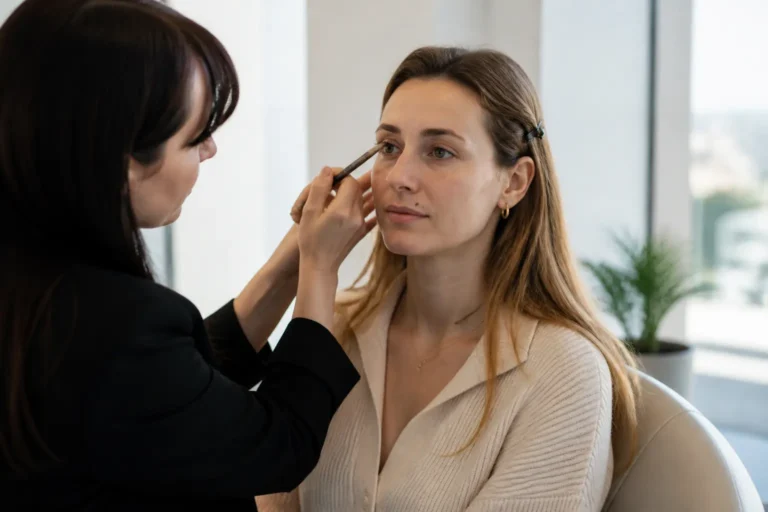
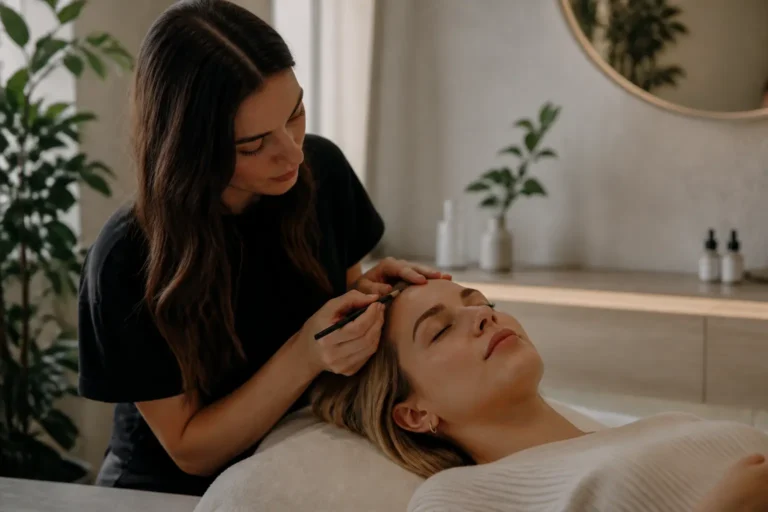
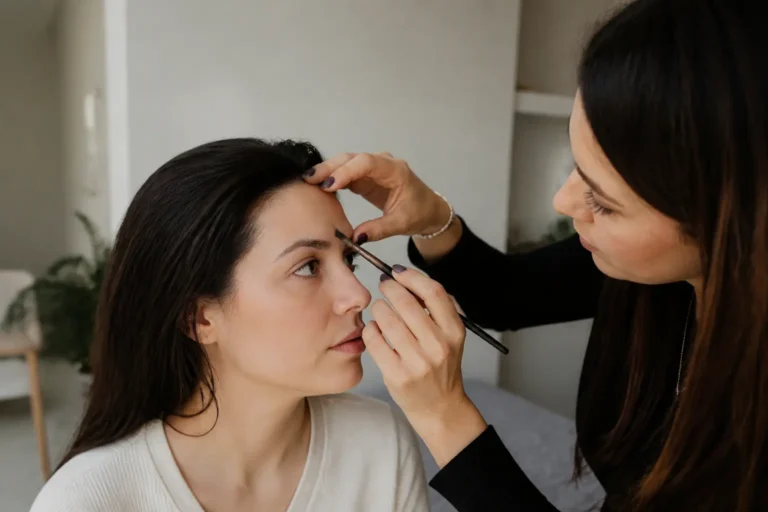
Eyebrow Henna or Tint: Which May Suit Very Fair Brow Hairs?
Brenda Cammo Team
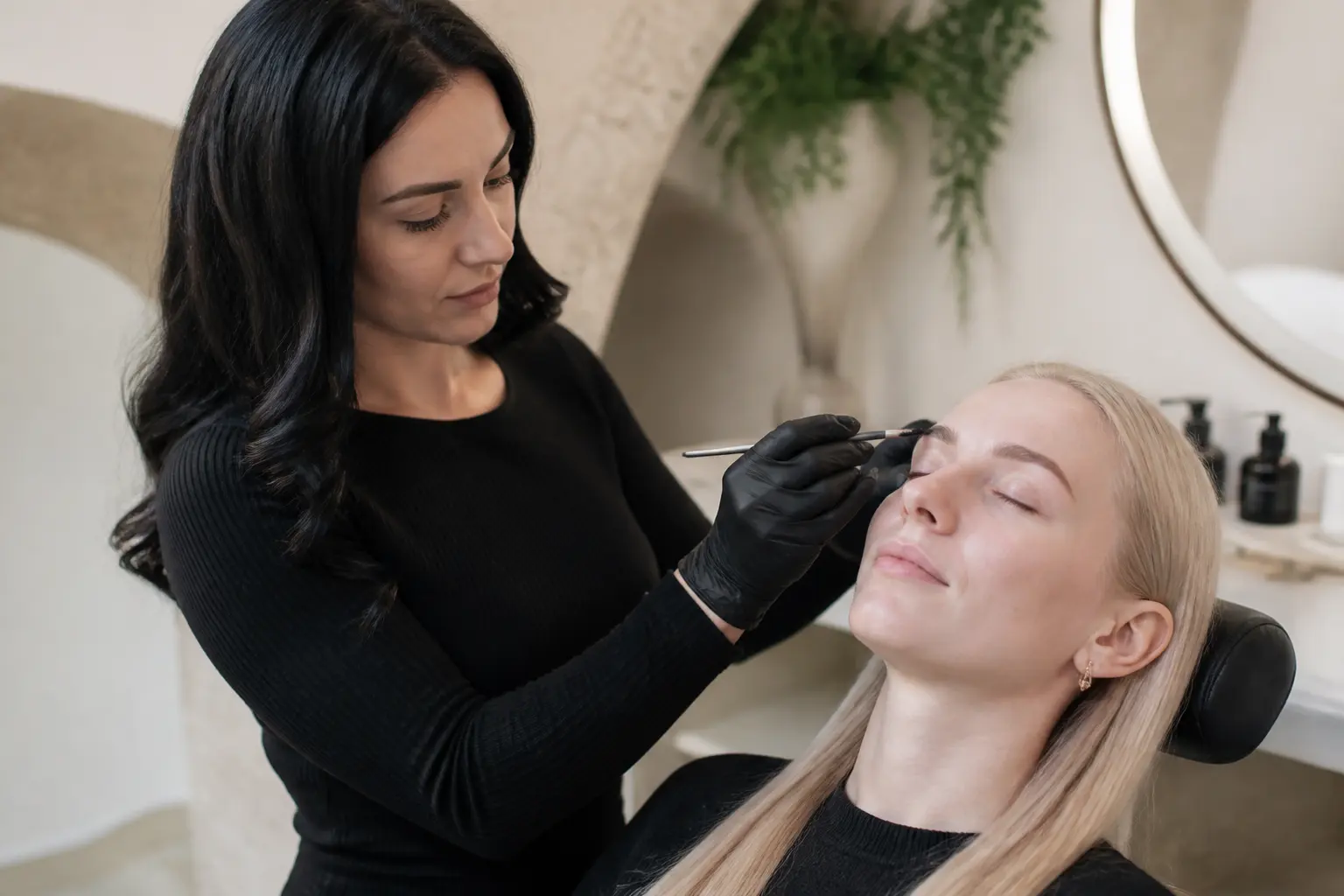
Very fair brow hairs can make the eye area look softer, but they can also make brows seem less visible than you would like. If you regularly rely on a pencil, powder or tinted gel for definition, eyebrow henna or tint may be worth considering as part of a personalised brow routine.
The key question is not simply which option creates the darkest result. For blonde, pale, grey or white brow hairs, the more useful question is: what type of definition would look balanced with your natural colouring, skin tone and preferred level of maintenance?
Both henna and tint can add visible colour to brow hairs. However, they can create a different visual effect, particularly when the starting point is very fair. A professional consultation and careful shade choice matter more than choosing a trend-led look or copying someone else’s brows.
Why very fair brow hairs need a personalised approach
When brow hairs are light, even a subtle change in colour can have a noticeable effect on the face. A shade that looks soft on medium-brown hairs may appear much stronger on pale blonde or grey hairs. Equally, colouring that is too light may not provide the definition you hoped for.
This is why a one-size-fits-all brow colour is rarely the best approach. A suitable result should take account of several points:
- Your natural brow hair colour and density.
- Your hair colour now, rather than a colour you wore in the past.
- Your skin tone and undertone.
- Whether you wear daily brow makeup.
- Whether you want a soft, natural-looking frame or a more polished makeup effect.
- How much visible colour you are comfortable with during the first few days after the appointment.
- Your usual skincare and cleansing habits.
For some people, the goal is simply to make fine hairs easier to see. For others, it is to create a clearer outline around an existing shape. These are different goals, and they may lead to a different choice between henna and tint.
What eyebrow tint can do for fair brows
Eyebrow tint is a colouring service designed to make brow hairs appear more visible. On very fair hairs, it can bring out hairs that were already present but easy to miss, helping the brow look more complete without needing to draw on every detail with makeup.
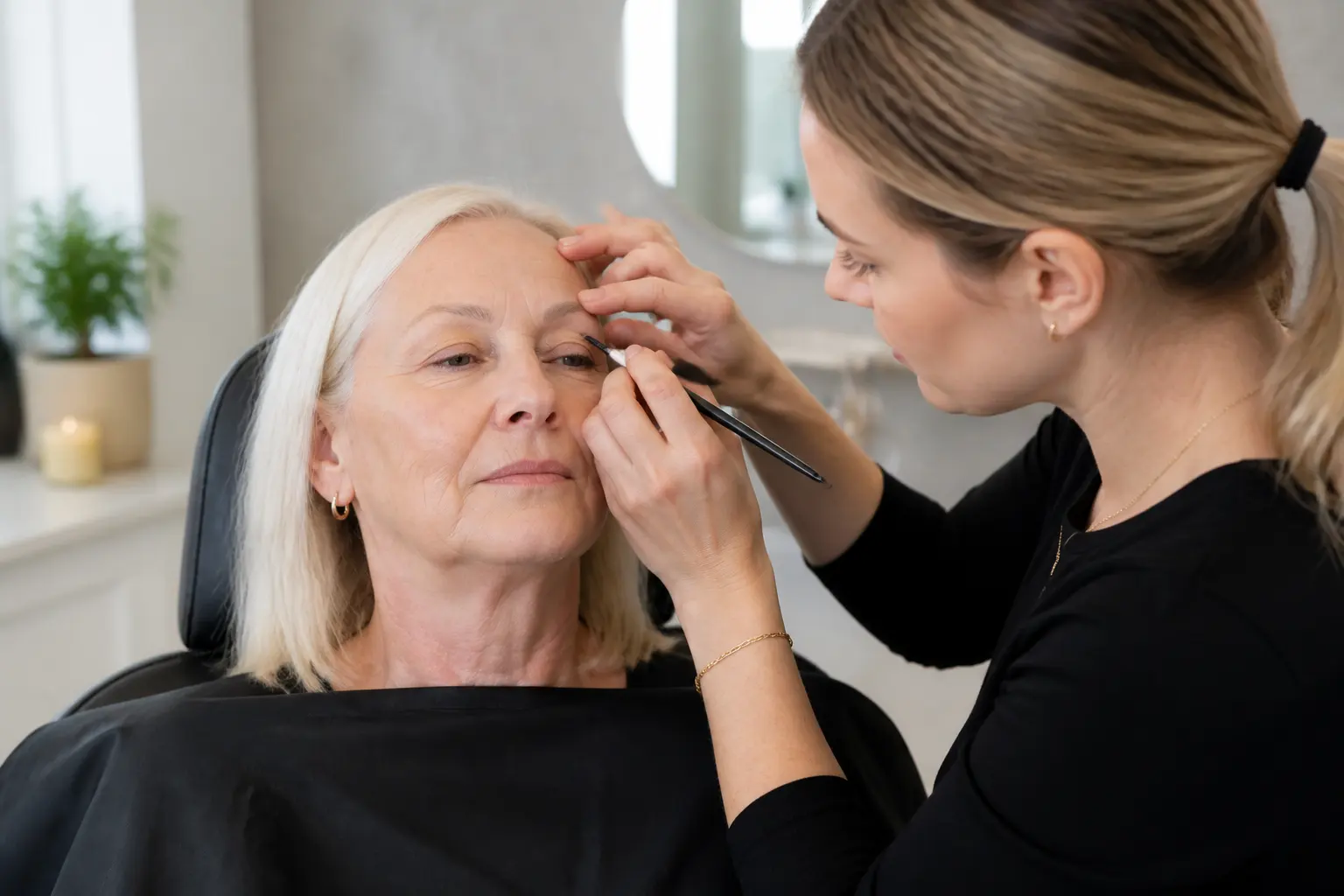
Its appeal is often its flexibility. A tint can be discussed in terms of how soft or how defined you want the final look to feel. Someone who prefers a minimal everyday routine may want a gentle enhancement. Someone who usually fills their brows with pencil may prefer a more noticeable but still balanced result.
When tint may be a good conversation to have
Tint can be particularly useful to discuss if you have fair brows but still have a reasonable amount of natural hair through the shape. By colouring those hairs, it may make the brow line easier to read from a normal speaking distance.
It may also suit people who want the following:
- A neat everyday enhancement rather than a strongly filled-in appearance.
- More visible hairs at the front of the brow or through the arch.
- A brow routine that still leaves room for pencil or gel on occasions when they want extra definition.
- A result that works with their existing natural brow shape.
For very pale brows, it is worth being clear about your expectations. Tint colours hair; it does not create new hairs where there are none. If an area is sparse, the colouring may make existing fine hairs more noticeable, but it cannot replace the visual density created by makeup or a different semi-permanent brow procedure.
What eyebrow henna can do for fair brows
Eyebrow henna is another way to introduce colour and definition to the brow area. It is often considered by people who want a more pronounced makeup-style effect than colouring the hairs alone.
With very fair brow hairs, henna can be an appealing option when the aim is to create a clearer brow silhouette. Depending on the individual starting point and the selected shade, it may help the brow area look more structured, especially for people who usually spend time building shape with brow products.
When henna may be a good conversation to have
Henna may be worth discussing if your priority is visible definition and you like the appearance of softly filled brows. It can also be relevant when the natural brow hairs are fair enough that tinting them alone may not give the level of visual structure you want.
That does not mean henna must look heavy. A natural-looking result is still possible when the shape, colour depth and placement are chosen carefully. The important point is that very fair hairs can make any brow colour appear more noticeable, so the design should be adapted rather than rushed.
Before booking, tell the brow professional if you usually prefer:
- A fluffy, light brow with only gentle framing.
- A defined arch and a clearer tail.
- A soft front with slightly more depth through the middle and tail.
- A polished brow effect that reduces how much makeup you use day to day.
Henna or tint: the main difference for very fair brow hairs
The most useful way to compare henna and tint is by looking at the finish you want, not by assuming one is automatically better for all fair brows.
| Question | Tint | Henna |
|---|---|---|
| What is the main visual focus? | Making natural brow hairs more visible. | Creating visible colour and a more defined brow impression. |
| Who may prefer it? | People who want a subtle, everyday enhancement. | People who like a more structured, softly filled effect. |
| What should fair-haired clients consider? | Even a modest shade change can look significant on pale hairs. | Colour depth and shape need careful planning to avoid an overly strong look. |
| Does it replace brow makeup completely? | Not necessarily; some people still add makeup for events. | It may reduce daily filling for some people, depending on their desired finish. |
| What should guide the choice? | Your natural density, desired softness and maintenance preference. | Your desired definition, skin response, existing shape and maintenance preference. |
For example, a person with full but pale blonde brows may find that tint provides the visible lift they wanted. Another person with very light, sparse hairs may prefer to discuss henna because their main goal is a clearer outline and a more makeup-ready look. Neither answer is universal.
Start with shape before focusing only on colour
Colour can make a considerable difference, but it tends to look most balanced when it follows a brow shape suited to the individual face and natural hair growth. This is where threading and brow design can support the overall result.
Threading uses a fine thread to remove unwanted hairs with precision. When paired with a considered design, it can help clarify the brow boundaries before colour is introduced. This may be especially helpful if very fair hairs blend into the skin and make it difficult to see where the natural brow begins or ends.
A shape-first approach should not mean making brows thinner or forcing a dramatic arch. It should mean working with the natural brow pattern, preserving useful hairs and creating proportion that feels right for you. Fair brows often benefit from this restraint: a well-placed, softly coloured brow can look more harmonious than one that is made overly dark or sharply outlined.
How to choose a flattering shade for pale blonde, grey or white brow hairs
Shade selection deserves a proper conversation. “Darker” does not always mean “more flattering”, particularly if your brows are very light and your overall colouring is soft.
During your appointment, explain how you normally like your brows to look. If possible, describe the brow makeup shades you already use successfully. This gives a useful starting point, although professional colour selection should still be based on your current brow hairs and skin rather than the label on a makeup product.
Useful points to mention at your appointment
- If your brow hairs have become lighter, grey or white over time.
- If you colour your scalp hair and want your brows to coordinate without matching too exactly.
- If you have recently used self-tan, as this can change how colour appears against the skin.
- If your skin is sensitive or you have had a reaction to colouring products in the past.
- If you are preparing for photos, a holiday or an event and have a specific look in mind.
- If you prefer to build colour gradually rather than make a dramatic change in one appointment.
A good result should look intentional in daylight, not only under salon lighting. It should also suit the amount of makeup you genuinely enjoy wearing. If you prefer a bare-faced, low-maintenance routine, say so. If your normal style includes eyeliner, bronzer and a defined brow, that is useful context too.
Patch testing, skin sensitivity and honest expectations
Colour services involve products applied near the eye area, so safety and suitability should come before the desired shade. Share any history of sensitivity, irritation or previous reactions with the professional before your appointment. Follow the studio’s guidance on consultation and patch testing where this is required or recommended.
It is also sensible to mention active skin irritation, recent reactions around the brow area, or skincare that may leave the skin feeling particularly reactive. A professional may advise postponing or adjusting an appointment when the brow area is not in a suitable condition.
Results and how long colour remains noticeable vary between people. Natural hair texture, skin type, cleansing habits, sun exposure, skincare products and the original lightness of the hairs can all affect the visual result. Rather than looking for a fixed promise, plan for an individual assessment and ask what maintenance may make sense for your routine.
Practical examples: which option may fit your routine?
You have full but almost invisible blonde brows
You may lean towards tint if your main aim is to reveal the hairs you already have. Combined with a tidy shape, this can offer a clean, understated result that still feels like you.
You have fair brows and use pencil every morning
Henna may be worth discussing if you want more visible definition and a brow effect that resembles your usual makeup routine. Ask for a result that suits your comfort level rather than assuming the darkest possible shade is necessary.
Your brows contain a mixture of blonde and grey hairs
Book with the expectation of a personalised colour discussion. Mixed hair tones can respond differently visually, so it is useful to explain whether you want the brows to look softer, warmer, cooler or simply more even.
You want colour but are nervous about a major change
Say that you would prefer a conservative first appointment. Starting with an approach that respects your comfort level can help you understand how brow colour sits with your complexion before making future adjustments.
Aftercare habits that can help you enjoy the result
Your brow professional will give advice tailored to the service you receive. In general, follow those instructions carefully, particularly during the period immediately after the appointment. Avoid experimenting with new products around the brow area straight away, and let the studio know if you have any concerns about sensitivity or the result.
For day-to-day styling, use brow makeup as an optional finishing touch rather than an obligation. A light brow gel may be enough on some days; on others, you may still enjoy adding a little pencil through a sparse area. The goal is a routine that feels easier, not a rule that you must never use makeup again.
Conclusion
For very fair brow hairs, both eyebrow henna and tint can be valuable options, but they answer slightly different needs. Tint may suit you if you want existing hairs to become more visible with a softer everyday effect. Henna may be more appropriate to discuss if you want stronger visual definition and a more structured brow appearance.
The best choice comes from looking at your natural hairs, desired shape, skin considerations and the amount of definition you actually enjoy wearing. A threading and brow design appointment can bring these elements together, helping you choose colour as part of a balanced brow plan rather than as a stand-alone decision. When you are ready, choose the Becammo location that is most convenient for you and book the brow service that matches your goal.
Frequently asked questions
Is henna always better than tint for very fair eyebrows?
No. Henna may suit people seeking more visible definition, while tint may suit those who want to highlight natural hairs with a softer effect. The right option depends on your brow density, preferred finish and individual assessment.
Can tint make blonde eyebrow hairs look too dark?
Any colour change can appear noticeable on very fair hairs. Discuss your desired level of definition before the appointment and be clear if you prefer a subtle result.
Does eyebrow henna create new brow hairs?
No. Henna does not create new hairs. It can contribute to a more defined visual effect, but areas with little or no natural hair may still need an individual design discussion.
Should I have threading before henna or tint?
Many people choose to combine brow shaping and colour so the final result follows a clear, personalised brow design. Your professional can advise on the most suitable order for your appointment.
Can I still use brow pencil after henna or tint?
Yes. Brow pencil, powder or gel can still be used when you want extra definition. Colour services may simply reduce the amount of makeup you choose to apply on ordinary days.
What should I tell the brow professional before colouring very fair hairs?
Explain your usual brow makeup routine, any previous sensitivity to colouring products, your desired level of definition and whether you are preparing for a particular event. These details support a more personalised recommendation.