Why Massage Therapists Suggest Water After Your Massage
Brenda Cammo Team
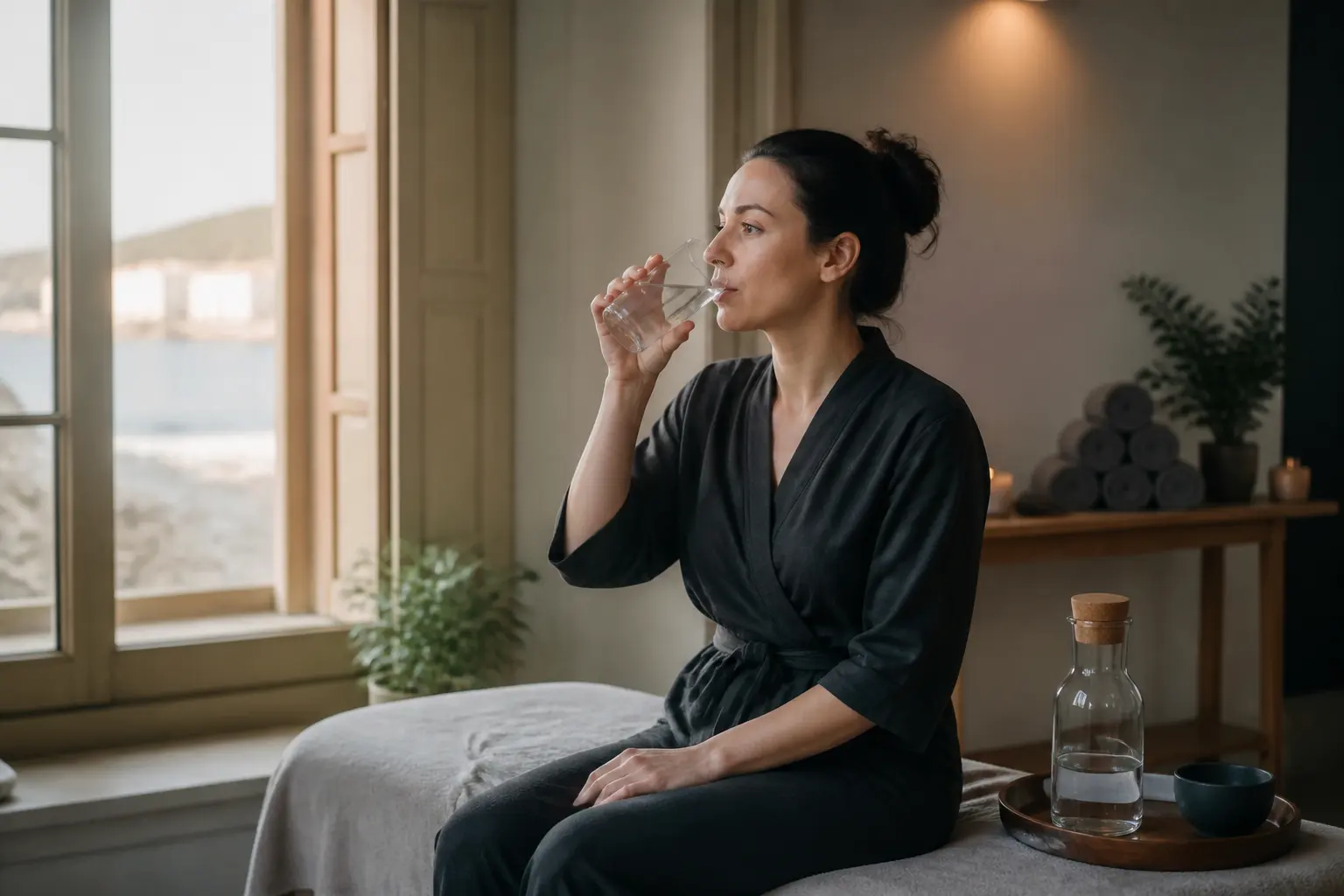
A glass of water after a massage is one of the most familiar pieces of aftercare advice. It is simple, practical and easy to follow, especially after a relaxing appointment when you may be ready to head straight back into a busy day in Malta.
But why do massage therapists suggest it? The useful answer is less dramatic than many wellness myths suggest. Drinking water after a massage helps you maintain normal hydration, particularly if you arrived thirsty, had spent time in warm weather, exercised beforehand or simply had not drunk much during the day. It can also be a calming part of a sensible post-massage routine.
What water does not do is “flush toxins released by massage”. Your body already has systems, including the kidneys and liver, that manage waste. You do not need to force large amounts of water after a session. Instead, think of hydration as one supportive habit alongside rest, gentle movement and paying attention to how you feel.
Whether you book a relaxing massage, sports massage, deep-tissue work, reflexology or lymphatic drainage, a professional studio should give you clear, individual aftercare guidance. Here is what drinking water after a massage can realistically help with, and how to make it part of a comfortable recovery routine.
Why hydration matters after a massage
Massage involves time on the treatment bed, warmth, physical contact and, depending on the style, sustained work on areas that feel tight or tired. It does not automatically dehydrate you. However, many people begin an appointment slightly under-hydrated without realising it.
Busy schedules, air-conditioned spaces, coffee, alcohol, a walk in warm weather or a workout can all affect how much fluid you have had during the day. In Malta, warmer days can make it particularly easy to overlook regular drinking when you are moving between work, errands and time outdoors.
Water after your massage is therefore a gentle prompt to return to your usual hydration habits. The NHS advises most people to drink regularly through the day, using the colour of urine as one general guide. Pale yellow urine usually suggests you are drinking enough, while dark, strong-smelling urine can be a sign that you need more fluids. Individual needs vary with weather, activity, pregnancy, illness and personal health circumstances. NHS guidance on water and hydration explains that water is a healthy choice, although other drinks and water-rich foods contribute to fluid intake too.
At a professional massage appointment, the aim is not to turn aftercare into a strict rule. It is to help you leave feeling informed and comfortable. If you are thirsty, have some water. If you are not thirsty, keep a drink available and continue sipping normally during the rest of your day.
Can water reduce post-massage soreness?
Some people feel wonderfully loose and settled after a massage. Others may notice mild tenderness later that day or the following day, especially after firmer pressure, sports massage or work on areas that were already very tense.
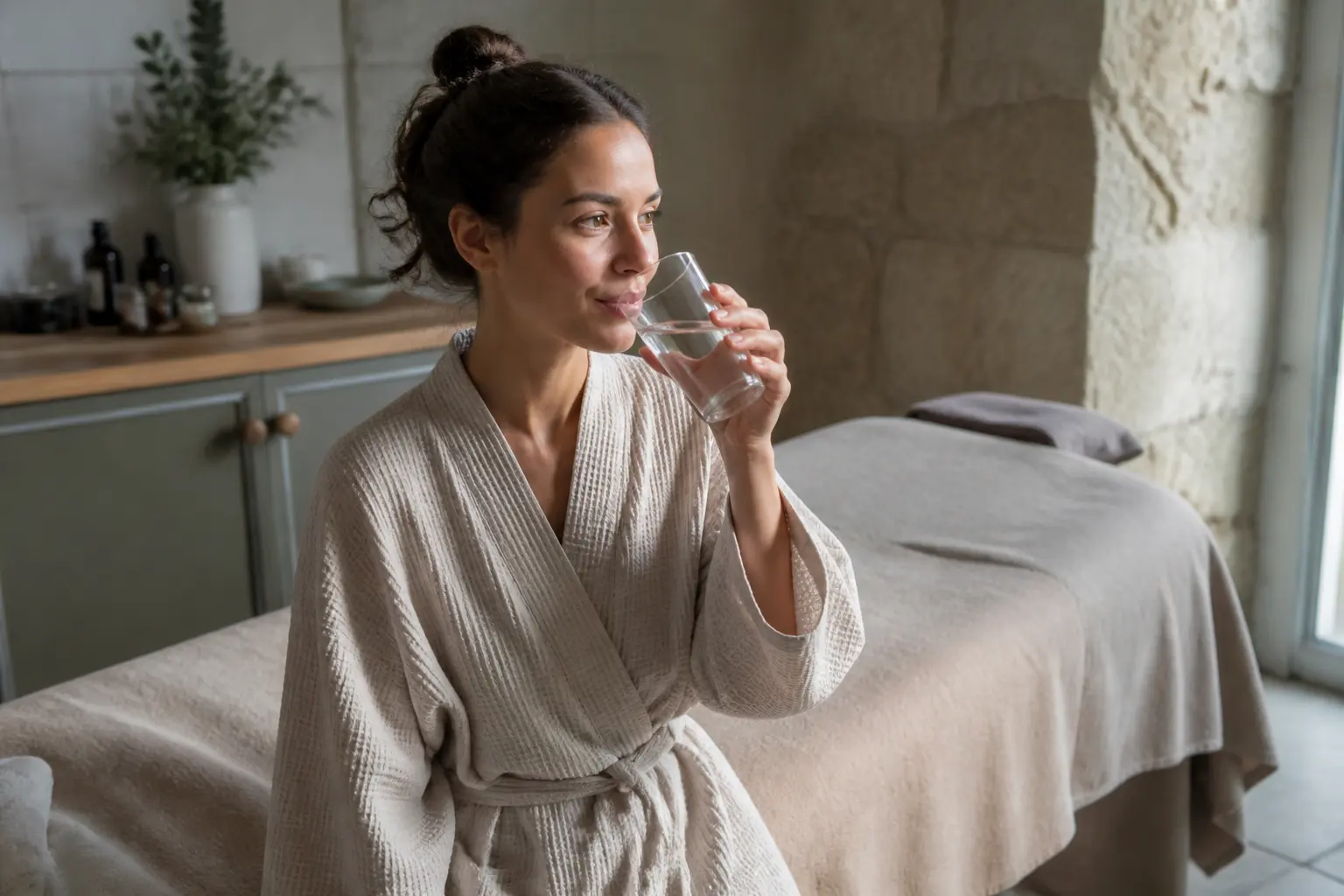
Hydration may be one helpful part of managing that experience. Cleveland Clinic notes that being under-hydrated can contribute to soreness, and advises drinking water before and after a massage as part of a plan to reduce it. Its guidance on soreness after massage also highlights that intensity, pre-existing tension and individual sensitivity all matter.
That does not mean water can prevent every ache or make a deep massage feel effortless. Pressure-based work can leave muscles feeling as though they have been used, particularly when you have chosen a more focused session for the back, neck, shoulders or legs. Hydration supports your general wellbeing, but it is not a replacement for appropriate pressure, a skilled therapist or listening to your body.
If you know you tend to feel tender after massage, mention it before the session begins. A therapist can adapt the pressure and focus according to your comfort, goals and previous experience. This conversation is often more valuable than trying to compensate afterwards by drinking excessive amounts of water.
The myth about ‘flushing toxins’ after massage
You may have heard that massage releases toxins from muscles and that water is needed to wash them away. This explanation is common, but it is not a reliable reason to drink water after a massage.
Massage can change how an area feels, encourage relaxation and provide a welcome pause from repetitive movement or everyday stress. However, it should not be presented as a detox method. Your body continuously processes waste through its normal functions, and a massage session does not create a special build-up that must be removed with litres of water.
The more accurate message is reassuringly simple: staying hydrated is good everyday care. It can be particularly worthwhile after time in a warm climate, physical activity or a day when you have not had enough to drink. You can enjoy the benefits of a massage without attaching unrealistic claims to your post-appointment glass of water.
Think of water after a massage as supportive self-care, not a detox requirement.
How much water should you drink after a massage?
There is no universal post-massage amount that suits everyone. You do not need to drink a large bottle immediately after your appointment unless you genuinely want it and it fits your usual needs.
A sensible approach is to drink when thirsty and continue having fluids at regular intervals throughout the day. The NHS uses 6 to 8 cups or glasses of fluid a day as a general guide for many people, while also noting that requirements can increase in hot conditions or after prolonged activity. NHS dehydration guidance recommends regular fluids and notes common signs of dehydration, including thirst, tiredness, dizziness, dry mouth and passing dark yellow urine less often than usual.
For many clients, a practical plan looks like this:
- Have a glass of water after your appointment if you would like one.
- Carry on drinking fluids normally for the rest of the day.
- Choose water first if you have been outdoors, exercising or feeling thirsty.
- Eat a normal meal or snack if your appointment falls between meals.
- Limit alcohol immediately afterwards if you feel light-headed, tired or less steady than usual.
There is no prize for drinking more than your body needs. Too much fluid too quickly can be uncomfortable, and some people have medical advice to limit their fluid intake. If a doctor or healthcare professional has told you to restrict fluids, follow that guidance rather than general massage advice.
Why a massage can leave you feeling thirsty, sleepy or light-headed
Every client responds differently. You may leave feeling energised and ready to continue your plans, or you may prefer a quieter evening. A few common, non-alarming experiences can explain why water and a little downtime are often suggested.
You may have arrived under-hydrated
The thirst may have started before your appointment. It can become more noticeable once you slow down and pay attention to your body. Reaching for water then is simply responding to a normal cue.
You may feel deeply relaxed
A massage can create a sense of calm after a busy day. If you stand up quickly after lying down, you may briefly feel a little woozy. Take your time getting off the bed, sit for a moment if needed and let the therapist know how you feel.
The massage may have focused on tired muscles
Sports massage or targeted work around the shoulders, back and legs can feel more intense than a gentle relaxation massage. Mild tenderness can happen afterwards, particularly if those areas were already tight. Comfortable pressure and clear communication during the treatment remain essential.
Your day may have been physically demanding
If you have spent the day walking, training, travelling or working at a desk without many breaks, your body may appreciate both fluids and rest. The massage is one part of looking after yourself, not a reason to ignore the habits that support comfort between appointments.
A simple aftercare routine for the rest of the day
Aftercare does not need to be complicated. The best routine is one you can realistically follow and that suits the type of massage you received.
- Drink normally. Have water if thirsty and keep fluids within your normal daily pattern.
- Move gently. A short, easy walk or light everyday movement can feel better than immediately returning to a demanding workout.
- Give yourself breathing space. If possible, avoid rushing directly into something stressful. Even ten calm minutes can help you hold on to the relaxed feeling.
- Notice how your body responds. Mild tenderness can settle with time, but pressure should never be something you feel you must endure without speaking up.
- Plan your next session around your needs. If you want more relaxation, muscle-focused support or help with recurring tension, tell the therapist what felt useful and what you would change.
If you develop symptoms that feel severe, unusual or persistent, seek advice from an appropriate healthcare professional. Massage aftercare is about comfort and general wellbeing, not diagnosing or managing a medical condition.
When to mention your health needs before booking
Good massage care starts before the appointment. Let the studio know about anything that could affect comfort, positioning or the type of massage that is appropriate for you. This may include recent injury, surgery, a skin concern in the treatment area, pregnancy, significant swelling, a fever or a health condition for which you are receiving care.
You should also mention whether you have been advised to limit fluids, take medicines that affect hydration, or have a history of feeling faint. This does not mean you cannot enjoy self-care, but it allows the therapist to discuss the right next step and, where appropriate, advise you to check with your healthcare professional first.
At a professional studio, this conversation is part of responsible care. The goal is to understand your needs, set realistic expectations and create a session that feels considered rather than routine.
Water is helpful, but communication is the real aftercare essential
The reason massage therapists suggest water after a massage is ultimately straightforward. It is an easy, sensible way to support everyday hydration and encourage you to slow down after your session. It may be especially welcome when you have arrived thirsty, spent time in the heat or chosen a more focused massage.
There is no need for detox claims or exaggerated rules. Drink to thirst, continue your normal fluid intake and give yourself a little time to notice how your body feels. Most importantly, choose a professional setting where you can talk openly about pressure, comfort and your goals before, during and after the massage.
If you are considering a massage in Sliema or Swieqi, you can book a session that suits your needs and ask the team any practical questions beforehand. The final aftercare advice should always reflect the massage you have chosen and your individual comfort on the day.
Frequently asked questions
Should I drink water before a massage as well as afterwards?
Yes, arriving comfortably hydrated is usually more useful than waiting until the massage is over. Drink normally during the day rather than trying to drink a large amount just before your appointment, which may leave you uncomfortable on the treatment bed.
Does massage dehydrate you?
Massage does not automatically dehydrate you. However, you may already be under-hydrated because of warm weather, exercise, travel or a busy day. Having water afterwards is an easy way to return to a comfortable routine.
Can drinking water stop soreness after a deep massage?
Water may support normal hydration, but it cannot guarantee that you will not feel tender. Massage pressure, the condition of your muscles and your personal sensitivity all play a part. Tell your therapist if you prefer lighter pressure or if you have felt sore after previous sessions.
Is it okay to have tea or coffee after a massage?
They can still count towards your overall fluid intake, but water is a simple choice if you feel thirsty. If caffeine makes you feel jittery or affects your sleep, you may prefer to choose water or a caffeine-free drink after a relaxing appointment.
Should I avoid alcohol after a massage?
If you feel relaxed, tired or light-headed, it is sensible to avoid alcohol straight away and focus on water and a normal meal or snack instead. Alcohol can make it harder to judge how you feel and is not an ideal choice when you are trying to stay hydrated.
What if I feel dizzy after a massage?
Tell your therapist before you leave, sit up slowly and take a moment before standing. If dizziness is severe, unusual, does not settle or comes with other concerning symptoms, seek medical advice.