Beauty Treatment Spacing: What to Book Apart and Why
Brenda Cammo Team
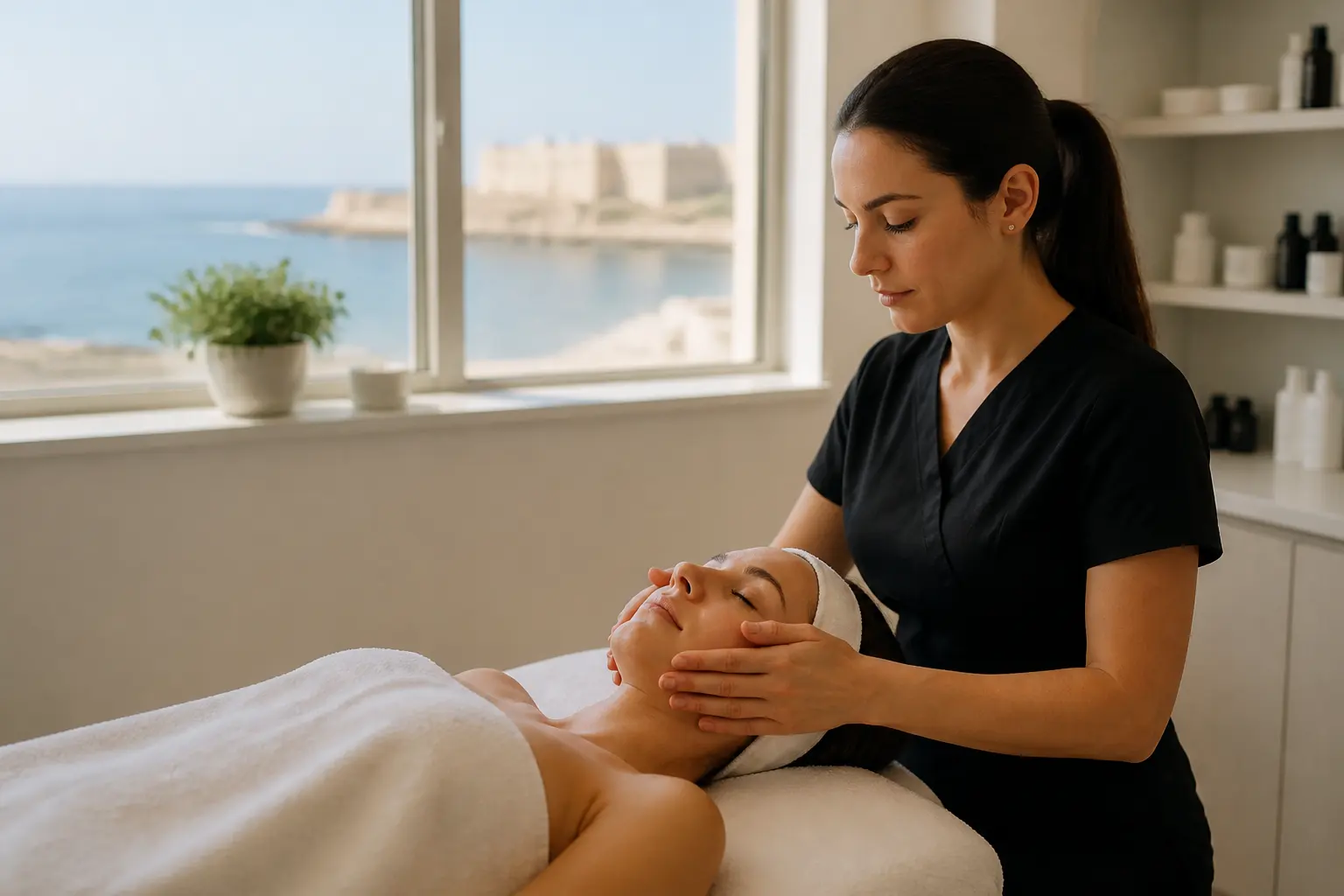
When you are planning brows, skin, laser or semi-permanent make-up, it is tempting to fit everything into one convenient afternoon. Sometimes that works beautifully. At other times, a professional will suggest leaving space between appointments. This is not about making your diary complicated. It is about giving the skin, hair and the treatment area the right conditions for a comfortable, well-planned service.
Beauty treatment spacing means considering what happened to the area before your appointment, what it needs immediately afterwards, and whether another service could add unnecessary sensitivity, friction or uncertainty. The exact plan is never identical for everyone. Your skin condition, current skincare, sun exposure, hair-growth cycle, previous procedures and the services you want all matter.
At a professional studio, scheduling is part of the service. A thoughtful plan helps the practitioner work on calm, assessable skin and gives you clearer expectations about what to do before your next visit.
Why professionals do not treat every appointment as interchangeable
Different services work with different parts of the beauty routine. Threading removes hair from the surface. Brow lamination changes the direction and set of brow hairs. Facials may involve cleansing and exfoliation. Laser hair removal follows a planned course that relates to hair growth. Semi-permanent make-up involves a healing period and a scheduled review.
Putting appointments too close together can make it harder to tell how your skin is responding to each one. It may also mean arriving for a service with redness, dryness, active irritation or products on the skin that the practitioner needs to know about.
That is why a good schedule starts with a conversation rather than a universal timetable. Professional advice should account for the treatment area, your recent appointments, your home routine and any relevant health or skin information you choose to share. The American Academy of Dermatology also advises people to tell their practitioner about medicines and cosmetic procedures when preparing for skin procedures, because this context can affect planning.
Read the American Academy of Dermatology guidance on preparing for cosmetic procedures.
The main principle: protect the treatment area, not just the calendar
It is easy to think in terms of dates only. A more useful question is: what condition will the relevant area be in on the day of the appointment?

For example, a facial may leave the skin feeling temporarily more delicate, while a brow service needs the brow area to be comfortable enough for precise mapping and hair removal. A laser appointment may require you to avoid certain hair-removal methods and manage sun exposure. Semi-permanent make-up needs its own preparation and healing plan.
Professionals usually separate treatments when one of these factors applies:
- The same area has recently been exfoliated, shaved, threaded, tinted or exposed to heat.
- The skin is visibly irritated, broken, sun-exposed or unusually dry.
- A product or active ingredient may make the skin more reactive.
- The next appointment needs a clear view of natural hair growth, skin tone or existing pigment.
- The service has a healing, review or hair-growth cycle that should guide the booking.
This approach is not designed to delay your plans. It helps make each appointment purposeful.
Appointments that may need space between them
Laser hair removal and other hair-removal methods
Laser hair removal is planned as a course rather than a one-off beauty visit. The timing between sessions depends on the body area, hair growth and your individual response. This is why a practitioner may recommend a schedule instead of allowing clients to book sessions whenever it feels convenient.
Between laser sessions, avoid changing your hair-removal routine without checking first. Methods that remove hair from the root can affect the hair available for the next laser session. Guidance from Leeds Teaching Hospitals notes that some stubble may be needed at treatment time and advises avoiding strong sun exposure. The American Academy of Dermatology also highlights sun protection throughout laser hair removal.
See Leeds Teaching Hospitals guidance on laser hair reduction preparation.
See the American Academy of Dermatology laser hair removal FAQs.
In Malta, this matters especially when beach days, swimming and sunny weekends are part of everyday life. If you have had substantial sun exposure, tell the studio before your appointment rather than assuming the original booking still suits your skin.
Facials, exfoliating routines and brow appointments
If you are booking a facial and a threading or brow-design appointment, the key question is whether the brow area will be freshly exfoliated or sensitive. A professional may suggest completing brow work before a facial, booking on separate days, or adapting the facial around the brow area. The right order depends on what is included in the facial and how your skin is behaving at the time.
This is also relevant if you use skincare containing retinol, retinoids, exfoliating acids or acne-focused ingredients. These products can be associated with dryness or irritation for some people. The American Academy of Dermatology notes that retinoids can make skin more sun-sensitive and that irritating routines should be discussed with a dermatologist where appropriate.
Read the American Academy of Dermatology overview of retinoids and retinol.
Do not stop prescribed products simply because you have a beauty booking. Instead, mention your routine during your consultation or before the appointment. The studio can explain whether it affects the service, while medication questions should be directed to the clinician who prescribed it.
Threading, brow tint or henna and sensitive skin
Threading is a precise method of removing unwanted hair with a single-use thread. For many clients, it fits easily into regular brow maintenance. However, the brow area can feel temporarily sensitive afterwards, particularly if you have recently exfoliated, used strong active skincare or spent time in the sun.
When tint or henna is part of your brow plan, the practitioner may need to consider a patch test and your product history. Patch-test timing and requirements depend on the product instructions and your individual circumstances. Public-sector guidance on colour products commonly refers to testing in advance so that a reaction can be identified before the full service, but the manufacturer instructions and studio protocol should always lead the plan.
Read Surrey Heath Borough Council guidance on patch tests for microblading.
If you have a special event, do not leave your first-ever brow tint, henna or new brow routine until the final possible day. Booking early gives you time to assess the result calmly and make any future maintenance choices with confidence.
Brow lamination and other brow services
Brow lamination has a different purpose from threading. Threading shapes the brow by removing unwanted hair, while lamination helps guide brow hairs into a more groomed, lifted direction. The services can be part of the same overall brow plan, but they should not be treated as automatic add-ons.
A professional will look at the condition of the brow hairs, the skin around the brows and your recent beauty appointments before advising on the sequence. If your brow area feels irritated or if the hairs are not in suitable condition, the sensible choice may be to adjust the plan. Personalised advice is more useful than following a trend-led schedule.
Semi-permanent brows or lips and other appointments
Semi-permanent make-up should be planned with more care than an ordinary grooming appointment. A consultation is the right starting point if you are deciding between procedures or have questions about your suitability, colour preference, existing pigment or lifestyle.
Professionals often keep other potentially irritating treatments away from the same area around a semi-permanent appointment. This allows the skin to be assessed properly and gives the initial result time to settle. At Becammo, the service list includes a 30-day touch-up appointment for brows and lips, which shows why this type of work should be viewed as a planned process rather than a single isolated visit.
It is also important to be open about previous cosmetic work, current skincare and any recent changes in your skin. The goal is not to create a long list of restrictions. It is to build a booking plan that is suitable for you.
What can often be planned together?
Some appointments can work well together when they involve different areas or when the studio has assessed the order carefully. This can be useful if you are visiting from another part of Malta, have a busy work week or simply want a more efficient self-care visit.
For example, a manicure or pedicure may sit comfortably alongside a brow appointment because the services focus on different areas. A brow design and an upper-lip threading service can also be planned together as part of the same grooming visit. The important point is that a combined booking should still leave enough attention for each service.
Combining treatments is not always about doing more. It can be about creating a routine that feels realistic. A professional studio can help you decide whether the order, duration and aftercare are compatible with your day.
How to plan treatments before a holiday, wedding or important event
Event planning is where spacing becomes especially valuable. Rather than booking every service at the last minute, work backwards from the occasion.
- List the services you would like. Include brows, skin, laser, nails and any semi-permanent consultation.
- Identify new treatments. A first appointment deserves more flexibility than a familiar maintenance visit.
- Tell the studio about travel and sun exposure. This is particularly important for laser and for skin that may be exposed before or after an appointment.
- Separate anything that could leave the same area sensitive. Let the practitioner advise on the order.
- Leave room for calm adjustments. Beauty appointments should support your plans, not create last-minute pressure.
If you are travelling to Malta or moving between Sliema, Swieqi, St Julian’s and Valletta, booking a little earlier can make the experience much easier. You can choose the most convenient location and avoid trying to squeeze every appointment into your final free hour.
Questions to ask before booking several services
A short conversation can prevent an unsuitable schedule. Before confirming multiple appointments, ask:
- Which services can be done during one visit?
- Should any services be booked in a particular order?
- Do I need to avoid sun exposure, hair removal methods or active skincare first?
- Should I arrange a consultation or patch test before deciding?
- What should I do if my skin becomes irritated before the appointment?
- When should I book my next maintenance visit?
Bring up anything that seems relevant, even if it feels minor. This can include a recent facial, a change in skincare, an upcoming holiday, previous brow work or a reaction you have experienced with a cosmetic product. Good scheduling starts with accurate information.
A professional schedule should feel personal
There is no benefit in copying someone else’s beauty calendar. One client may be able to combine a brow tidy-up with another service, while another may need a quieter plan because of sensitive skin, a new product routine or a semi-permanent appointment.
The most reliable approach is to book according to the service goals. Threading maintenance follows your own hair-growth pattern. Laser sessions follow a course shaped by the treatment area and hair cycle. Semi-permanent make-up includes a review stage. Facials and brow services need consideration when the same skin area is involved.
At Becammo, you can ask the team to help organise an appointment plan that makes sense for your chosen service and preferred Malta location. A well-spaced routine is not about strict rules for their own sake. It is about giving every appointment the conditions it needs to be carried out thoughtfully.
Frequently asked questions
Can I book several beauty treatments on the same day?
Sometimes, yes. It depends on the services, the areas being treated and the condition of your skin. Treatments affecting different areas may be easier to combine, while services involving the same area may need a different order or separate appointments.
Why might a professional ask me to reschedule a treatment?
Common reasons include recent sun exposure, visible sensitivity, active skincare, a recent procedure or a schedule that does not allow enough time for assessment and aftercare. Rescheduling can be the more considerate option when conditions are not right.
Should I have a facial before or after eyebrow threading?
There is no single answer for every facial. If the facial includes exfoliation or the brow area is sensitive, the studio may advise a different order or separate dates. Tell the practitioner what facial you are booking and what skincare you use.
Can I wax between laser hair removal sessions?
Check with your laser practitioner before using any hair-removal method between sessions. Your preparation instructions may depend on preserving the right conditions for the next appointment, the body area and your individual plan.
How far apart should semi-permanent make-up appointments be?
Your practitioner should provide the appropriate timeline for your procedure and skin. At Becammo, the listed touch-up appointment for semi-permanent brows and lips is at 30 days, but your personal plan should always follow the assessment and aftercare guidance you receive.
What is the easiest way to organise a multi-treatment visit?
Start by choosing the service that matters most to you, then ask the studio which complementary appointments can be planned around it. This is especially helpful when you want brows, nails or skin-focused services during the same visit.
When you are ready to build a routine that suits your diary and your skin, book your preferred service at Becammo in Sliema or Swieqi. The team can help you understand which appointments work well together and which are better given their own space.