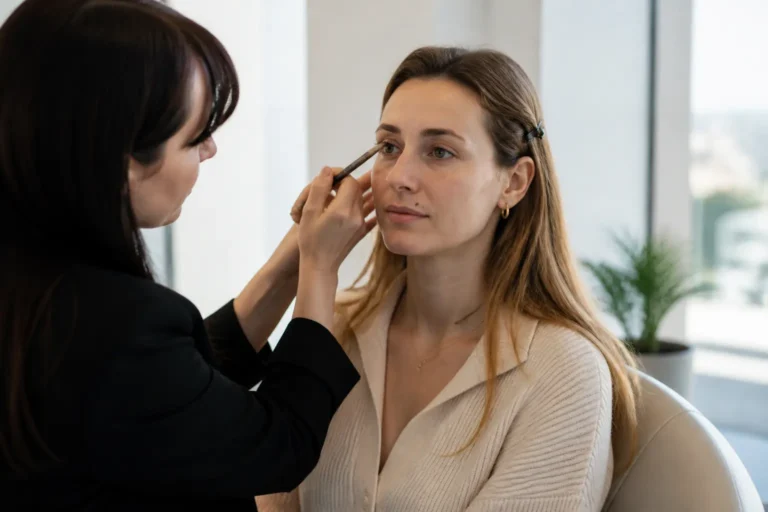
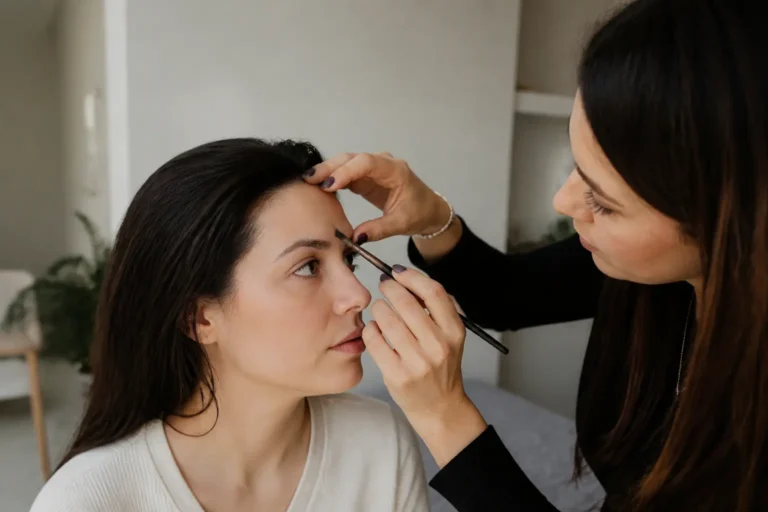
Threading Between Microblading Refreshes: A Safe Guide
Brenda Cammo Team
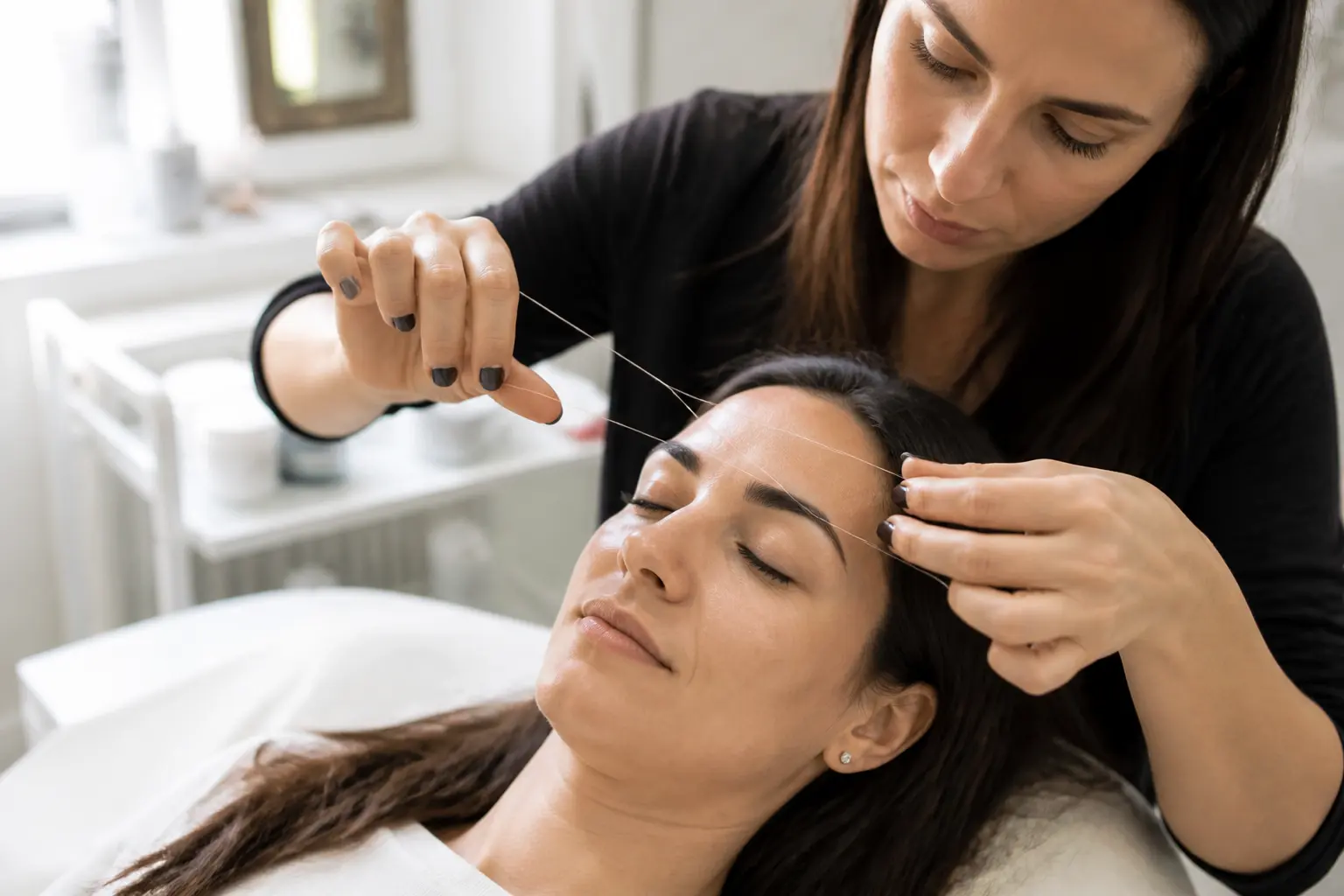
Microblading can make everyday brows feel more defined, but the natural hairs around the pigment do not stop growing. As weeks and months pass, a few hairs may appear outside the intended shape, particularly beneath the arch, above the upper line or between the brows. That is where professional threading can be a helpful part of your maintenance routine.
The key is timing. Threading between microblading refreshes should only be considered once the brow area has fully healed and your semi-permanent brow artist is happy for you to return to hair removal. Used thoughtfully, it can keep the edges of your brows looking tidy while preserving the shape you chose. Used too soon, or without clear communication, it can put unnecessary stress on sensitive skin.
This guide explains how edge maintenance works, what to ask for at your appointment and when it is wiser to wait.
What does threading maintenance mean after microblading?
Threading maintenance is a brow-shaping appointment focused on removing unwanted hairs around your existing microbladed shape. It is not a replacement for a colour refresh, a correction appointment or a redesign of your brows.
Microblading creates fine pigment strokes in the skin to add the appearance of hair and definition. Threading works on visible hairs at the surface, using a twisted thread to lift and remove hairs from the root. These are different parts of your brow routine, but they can work well together when planned carefully.
In practice, a maintenance appointment may involve cleaning up:
- Stray hairs below the lower brow line.
- Soft regrowth above the top edge of the brow.
- Hair between the brows, if that suits your chosen shape.
- Uneven hairs near the tail that distract from the overall outline.
The aim is not to make every brow look identical or overly sharp. A skilled brow artist works with your facial features, hair growth and the existing pigment placement, keeping the finish balanced and personal to you.
Wait until healing is complete before booking threading
The period immediately after microblading is not the time for routine brow threading. Freshly treated skin needs gentle aftercare and should not be exposed to unnecessary friction, pulling or cosmetic procedures around the area.
Healing can look different from person to person. Skin may appear darker at first, then go through changes as it settles. Flaking, tenderness, dryness or patchiness can all be reasons to pause and follow the aftercare guidance given by the professional who carried out your microblading.
Rather than relying on a fixed calendar date, look for the practical signs that the area has recovered. The skin should no longer feel tender, open, irritated or flaky. If you are unsure, ask your semi-permanent brow artist before booking. This is especially important if you had a touch-up recently, experienced a reaction or are still following specific aftercare instructions.
A clean-up appointment is for fully healed brows. If there is any doubt about healing, it is better to wait and ask for professional guidance first.
Why threading can suit brow-edge maintenance
Threading gives a brow artist close control over individual areas of regrowth. For clients with microblading, that precision matters because the natural hairs should support the pigmented shape rather than compete with it.
At a professional brow studio, the artist can assess where the pigment sits, how your hairs grow and how much tidying is actually needed. Sometimes only a light clean-up is appropriate. In other cases, brows may benefit from a little more definition around the arch or tail.
Threading can be particularly useful when you want to maintain a polished brow outline without changing your overall look. It is also adaptable to different hair textures, densities and brow patterns. At Becammo, brow design is approached individually, recognising that European, African, Arab, Latin, American, Canadian and other brow types can all have different growth directions and density.
What threading does not do between refreshes
It is important to set realistic expectations. Threading removes unwanted hairs. It does not restore faded pigment, rebuild missing hair strokes or change the colour of your microblading.
If you notice that your brows are looking less defined because the pigment has softened over time, a threading appointment may make the outline look neater, but it will not provide the same effect as a semi-permanent refresh. Likewise, if your preferences have changed and you want a different brow shape, the best first step may be a consultation rather than a routine clean-up.
Think of the two services as having separate jobs:
| Service | Main role | Best time to consider it |
|---|---|---|
| Professional threading | Removes visible regrowth and tidies the brow perimeter. | Once microblading has fully healed and the skin is calm. |
| Microblading refresh or touch-up | Reviews and renews semi-permanent brow definition where appropriate. | When pigment has faded or your brow artist recommends a review. |
| Consultation | Helps you decide whether grooming, a refresh or another approach makes sense. | When you are uncertain about timing, shape or suitability. |
How to prepare for a threading appointment
A little preparation helps your brow artist work more comfortably and accurately. You do not need an elaborate routine, but clear communication is essential.
Tell the artist about your microblading
When booking, let the studio know that you have microbladed brows and roughly when the procedure or most recent touch-up took place. At the appointment, point out any area that still feels sensitive or that you would prefer not to have threaded.
This allows the artist to adapt the service and focus on keeping the natural hairs aligned with your established brow shape. It also avoids a situation where a standard clean-up removes hairs you had hoped to keep.
Arrive with clean brows where possible
Heavy brow make-up can make it harder to see the true direction and density of the natural hairs. Arriving with clean brows, or being ready for the area to be gently cleaned before the service, makes shape assessment simpler.
Avoid trying to fix the edges at home first
It can be tempting to pluck one or two obvious hairs before your booking. However, repeated home tweezing may gradually alter the shape, create uneven regrowth or make it harder to see the brow’s natural balance. If you can, leave the clean-up to your brow artist.
What happens during a professional brow clean-up?
A good threading appointment starts with observation, not immediate hair removal. Your artist should look at the existing microbladed outline alongside your natural brow hairs, then discuss the finish you prefer. Some clients want a crisp, clearly defined edge. Others prefer a softer, barely styled look.
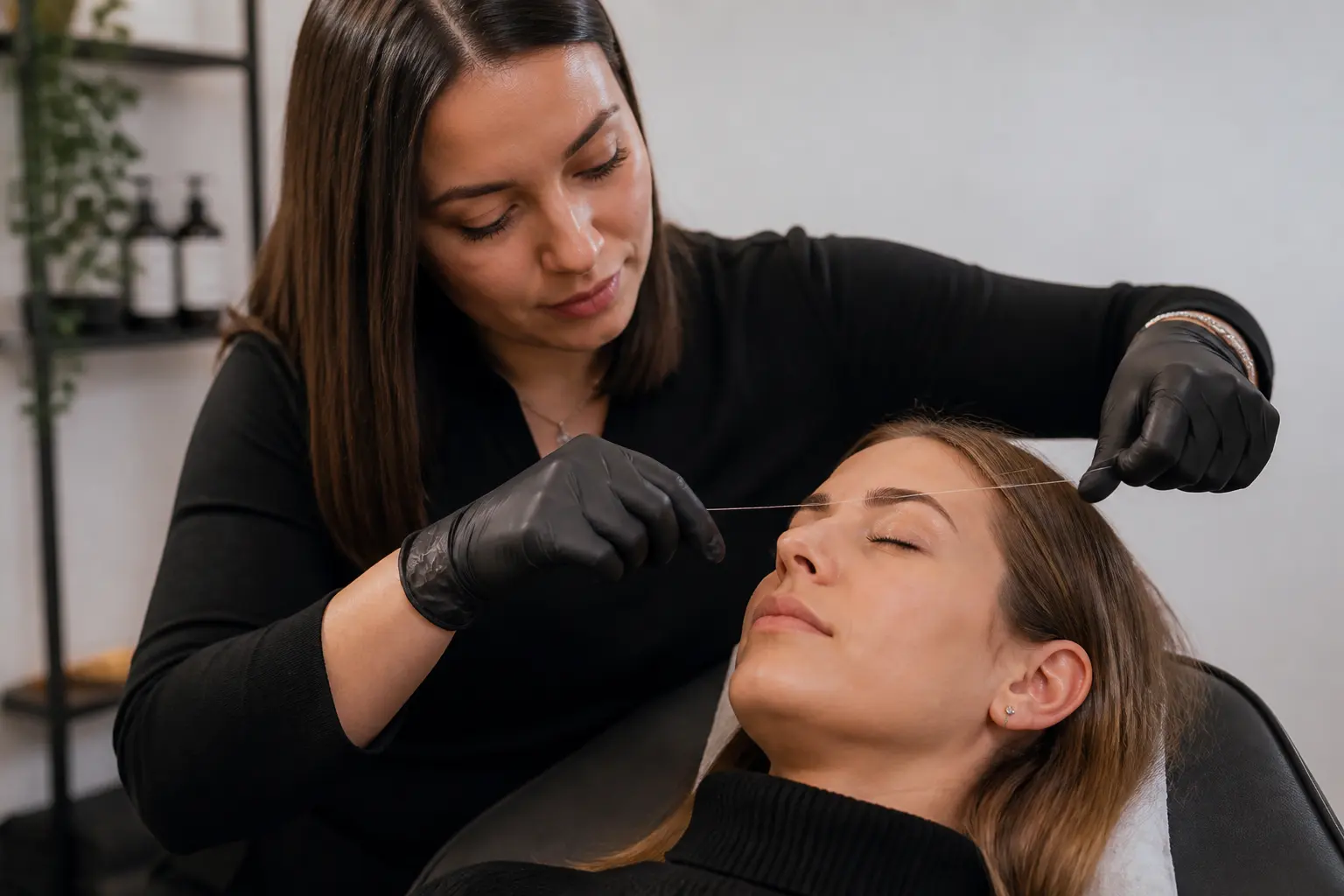
The brow artist can then thread only the areas that sit outside the agreed shape. Because threading is controlled by hand, the service can be adapted rather than following a one-shape-fits-all template.
At Becammo, disposable thread is used for each client. Cotton is the standard option, while polyester can be used for clients with an allergy to cotton. This attention to hygiene matters in every brow service, particularly when you are maintaining a shape around previously treated skin.
You may feel brief, mild discomfort as hairs are removed, especially in denser areas or where the skin is naturally more sensitive. It should not be presented as a pain-free procedure, but many clients find that the appointment is straightforward and manageable when carried out by an experienced professional.
How often should you tidy the edges?
There is no single schedule that suits every person. Brow growth varies with your natural hair cycle, your preferred level of definition and how much regrowth you are comfortable seeing. Some people like a regular clean-up as soon as the outline starts to look softer, while others prefer to wait until there is more visible regrowth.
A useful approach is to book based on what you see in the mirror rather than chasing a perfectly fixed timetable. If hairs are beginning to blur the lower line, crowd the centre of the brows or distract from your microbladed tail, it may be time to arrange a threading appointment.
Regular maintenance does not need to mean making brows thinner. In fact, a conservative approach often helps preserve fullness by removing only the hairs that fall outside your intended shape.
When should you delay threading?
Even when you have had microblading before, there are occasions when it is sensible to postpone a brow clean-up. Delay the appointment and speak with the relevant professional if:
- Your microblading or touch-up is still healing.
- The brow area is sore, irritated, flaky or unusually sensitive.
- You have a rash, broken skin or another active skin concern around the brows.
- You recently used a strong exfoliating product near the brow area and your skin feels reactive.
- You are unsure whether fading is a grooming issue or a reason to discuss a semi-permanent refresh.
Being cautious is not inconvenient, it is part of sensible brow care. A short conversation before your appointment can help you choose the right next step.
Keeping your shape looking balanced at home
Between appointments, the best maintenance is usually simple. Brush your brow hairs into place with a clean spoolie and take a moment to see how the natural hair and pigment work together. If you use brow make-up, apply it lightly and avoid trying to redraw a completely different shape every day.
Try not to use magnifying mirrors as a reason to over-pluck. They make every individual hair look more urgent than it is. Step back, view both brows in normal light and judge the overall balance instead.
If a single hair is bothering you, make a note of it for your next appointment rather than turning it into a home reshaping session. This is especially helpful when your microblading has been designed to follow a particular structure.
Choosing the right service in Malta
If your microblading is fully healed and you simply want cleaner edges, a professional threading and brow design appointment is usually the most relevant choice. You can book at the Becammo studio location that is most convenient for you, in Sliema or Swieqi, and let the team know that you are maintaining brows with existing semi-permanent pigment.
If you are questioning the colour, placement, fading or future of your microblading, consider arranging a semi-permanent consultation instead of assuming that threading is the answer. The right service depends on whether the issue is unwanted hair growth, pigment definition or uncertainty about your next step.
Conclusion
Threading between microblading refreshes can be a simple way to keep brow edges clean while allowing your semi-permanent shape to remain the focus. The essentials are to wait until healing is complete, communicate clearly with your brow artist and choose tidy maintenance rather than unnecessary reshaping.
When your brows are ready for a clean-up, book a professional threading appointment at Becammo in Sliema or Swieqi. A considered assessment of your natural regrowth and existing brow design can help you maintain a neat, balanced finish between future microblading reviews.
Frequently asked questions
Can I have threading after microblading?
Yes, but only after the brow area has fully healed and you have followed the aftercare guidance from your semi-permanent brow artist. If there is any tenderness, flaking or uncertainty, ask before booking.
Will threading remove my microblading pigment?
Threading removes brow hairs, not pigment. However, it should be carried out only on fully healed skin and with care around your existing brow shape.
Should I thread before a microblading refresh?
It depends on the plan set by your semi-permanent brow artist. A clean brow perimeter can be useful for assessment, but do not book hair removal immediately before a refresh without checking the recommended timing first.
How do I explain my existing microbladed shape to a brow artist?
Tell them when you had microblading, whether you have had a recent touch-up and which parts of the shape you want to keep soft or defined. A clear conversation before threading is the best starting point.
Can threading make my brows too thin between refreshes?
It can if too much hair is removed. A maintenance-focused appointment should concentrate on obvious regrowth outside your agreed shape, while preserving the natural density that supports your brows.