Threading After Years of Waxing: A Gentler Brow Option
Brenda Cammo Team
If you have waxed your eyebrows for years, changing methods can feel like a surprisingly big decision. You may know exactly how your skin reacts, how long you wait between appointments and how your brow shape usually looks afterwards. Yet you may also be tired of temporary redness, the pull of wax on delicate facial skin, or a shape that feels a little too broad or inconsistent.
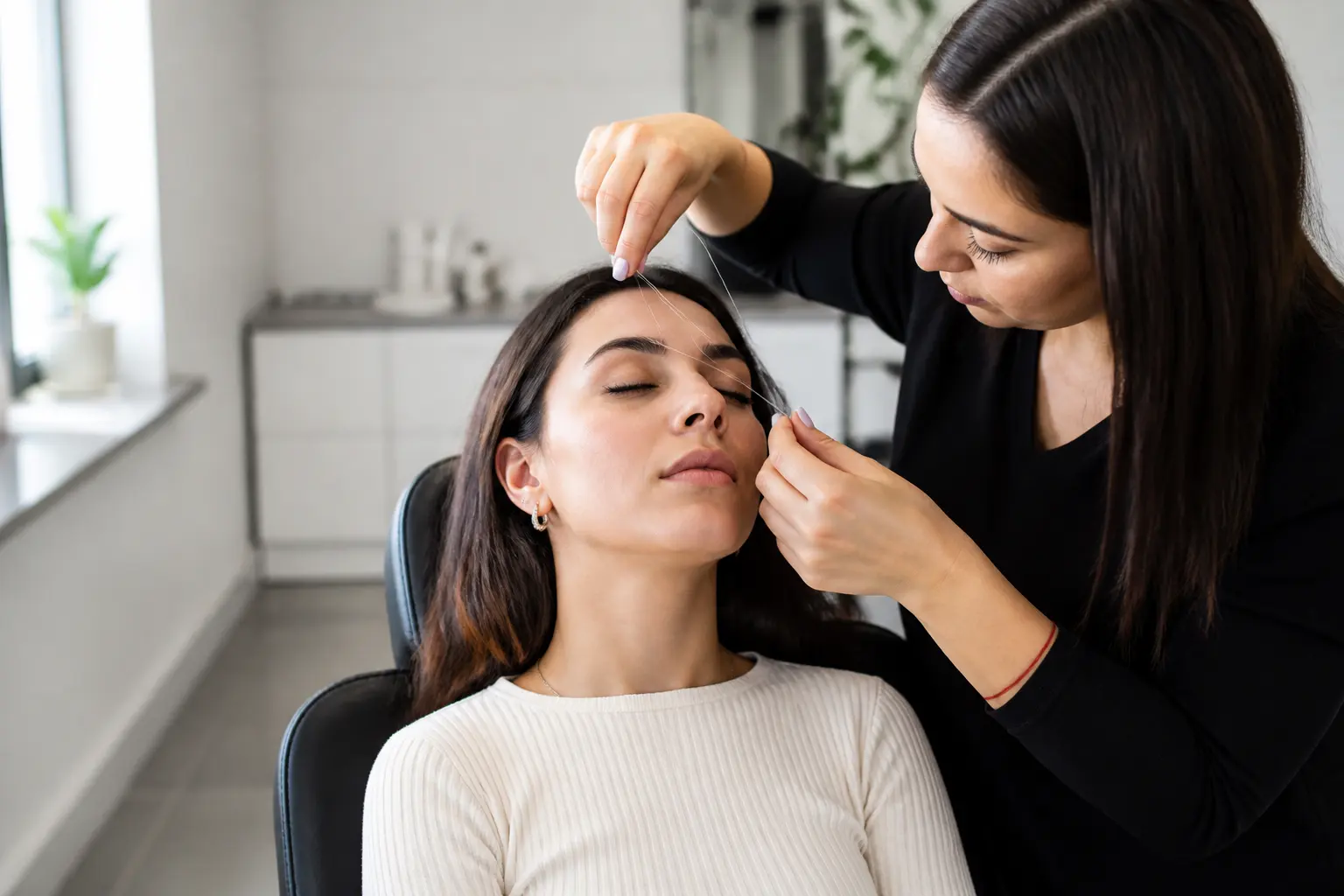
Threading offers a different way to remove unwanted brow hair. Rather than applying wax to the skin, a trained brow artist uses a twisted thread to catch and lift hairs from the root with careful control. For many people, that makes it a worthwhile alternative to explore, particularly when they want detailed shaping and a method that can feel less disruptive to the surrounding skin.
It is important to be realistic, though. No hair-removal method feels identical for everyone, and sensitivity varies with your skin, current skincare routine and personal comfort level. A professional appointment gives you the chance to discuss those details before the shape is created.
Why people switch from waxing to threading
Waxing has long been a familiar brow-maintenance choice. It can be quick, and many clients like the clean finish it creates. However, waxing works by placing wax on the skin and removing it with the hair. The American Academy of Dermatology notes that freshly waxed skin can be red or irritated for a short time, and that heated wax can burn the skin if it is too hot. It also advises extra care for people using certain acne or retinoid medicines because the skin may be more fragile. American Academy of Dermatology guidance on hair removal
Threading takes a different approach. The thread works directly around the hairs the artist intends to remove, without spreading a product across the brow area. This is one reason people who have become cautious about waxing often ask about it. It can offer a more targeted service, especially around the upper brow line, tail and centre area.
The change is not simply about moving from one hair-removal technique to another. It can also be about changing how you approach brow maintenance. Instead of removing a larger area and then refining the result, threading allows the artist to build the outline gradually, checking balance and natural hair growth as the appointment progresses.
What makes threading feel gentler for some skin types?
The word “gentler” should not be treated as a promise. Threading still removes hair from the root, so you may feel brief pulling or mild discomfort, particularly if you are new to it or your brows are overdue for maintenance. Some people also experience temporary redness afterwards.
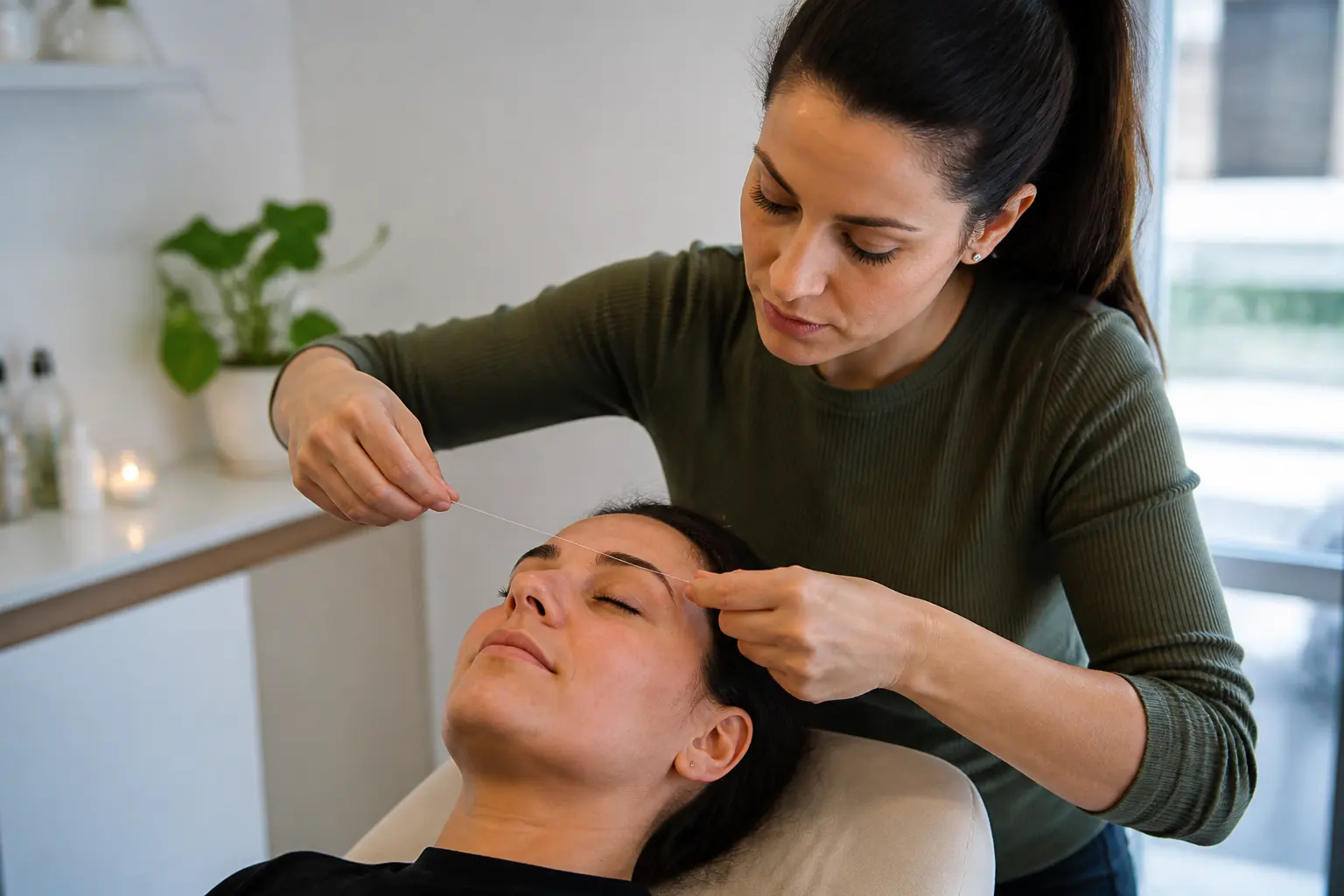
That said, threading does not require hot wax, adhesive strips or wax ingredients on the skin. The American Academy of Dermatology describes threading as an option that causes little irritation for many people, including those with sensitive or acne-prone skin. Read the dermatologists’ overview of threading
For someone who has noticed that their brow area feels reactive after waxing, this difference may matter. Less contact with products can be helpful when you are trying to simplify the experience around a delicate area of the face. Still, sensitivity has many causes. A person may react to friction, hair removal itself, active skincare products or an existing skin concern. It is always better to share relevant information with your brow artist than to assume one method will suit everybody in exactly the same way.
Threading is precise, not harsh by default
At a professional studio, threading is controlled rather than rushed. The artist works in small sections, stretches the skin appropriately and removes hairs according to the agreed design. That precision helps preserve the hairs that contribute to the brow’s natural structure.
This can be especially useful after years of waxing, when you may feel that the outline has gradually become thinner, more rounded or less aligned with how your brows naturally grow. The purpose is not to impose one fashionable brow shape. It is to assess what is present, consider facial proportions and create a tidy, wearable result that still looks like you.
Waxing versus threading for eyebrow shaping
| Consideration | Waxing | Threading |
|---|---|---|
| How hair is removed | Wax is applied to the area and removed with the hair. | A twisted thread catches and lifts selected hairs. |
| Contact with skin | Wax touches the surrounding skin. | The thread targets the hairs without applying wax to the brow area. |
| Detail work | Often followed by refining steps for small hairs. | Allows small sections and detailed line work throughout the service. |
| Comfort | Varies by person and can involve a strong, quick pull. | Varies by person and involves brief pulling as hairs are removed. |
| Best choice | Depends on skin, preferences and the practitioner’s technique. | Depends on skin, preferences and the practitioner’s technique. |
The most useful comparison is not which technique is universally better. It is which method supports your own skin comfort, brow goals and lifestyle. A trusted brow artist can help you make that comparison based on what they see at the appointment.
What to expect at your first threading appointment after waxing
Your first session does not need to be dramatic. You do not have to grow your brows into an unmanageable shape before booking, but giving the hairs some time to come through can help the artist see your natural pattern more clearly. If you have been waxing very regularly, there may be finer or uneven areas that need patience rather than immediate reshaping.
1. A conversation about your brow history
Tell the artist how long you have waxed, how frequently you usually book and whether you have experienced redness, sensitivity or breakouts after hair removal. Mention any skincare products you use around the forehead and eye area, particularly retinoids, retinol or strong exfoliating products.
This is practical information, not a reason to worry. Dermatology guidance advises caution with waxing when skin is made more sensitive by certain products or medicines. The same openness is valuable before threading because it allows the artist to take a careful, personalised approach. If you have a skin condition, a current rash, broken skin or a concern about how your skin may respond, seek appropriate medical advice before cosmetic hair removal.
2. Brow mapping and shape planning
A good switch to threading should begin with shape planning, not immediate removal. The artist considers where the brow starts, where the arch may sit naturally and how the tail relates to the rest of your features. They also look at density, direction of growth and differences between the two brows.
Natural eyebrows are sisters, not exact copies. Aiming for perfectly identical brows can lead to over-removal, especially when one side naturally grows differently from the other. Your artist’s job is to create visual balance while respecting the hair you have.
3. Hair removal in controlled sections
During threading, you will feel the thread move across small areas. The sensation is often described as quick pinching or pulling. Some clients find it more comfortable than waxing, while others need a little time to adjust. Your artist should work with care, check your comfort and keep the design clear as the appointment develops.
At Becammo, threading is performed with single-use thread. Cotton thread is the standard choice, with polyester available for clients with a relevant allergy. The thread is discarded after each client as part of the studio’s hygiene protocol.
4. A clear aftercare plan
It is normal for the brow area to look mildly pink immediately after hair removal. Avoid rubbing, scratching or applying unnecessary products directly onto the area right away. Keep your routine simple and allow the skin to settle.
If you are planning a special occasion, holiday photos or a beach day in Malta, avoid leaving your first threading appointment until the final hour. Booking a little earlier gives you time to see how your skin responds and decide what timing feels most comfortable for future appointments.
How to prepare when moving from waxing to threading
- Pause waxing before your appointment. Let enough hair grow in for the artist to assess the natural brow line and work accurately.
- Avoid experimenting with new skincare immediately beforehand. New products can make it harder to understand what is causing irritation if your skin reacts.
- Tell your artist about active products. Retinoids, retinol, exfoliating acids and some prescribed medicines can affect skin sensitivity.
- Arrive without pressure to create a totally new brow. The first appointment may focus on restoring a cleaner version of your existing shape.
- Plan around important dates. If it is your first time, do not schedule it immediately before a major event.
A little preparation helps, but it is not about chasing perfection. The aim is to make the appointment more comfortable and give the artist enough information to personalise the service.
Can threading help if your brows have been over-waxed?
Threading can help you maintain and refine the hairs that are growing, but it cannot promise that every sparse area will fill in or that past over-removal will reverse. Hair density and growth patterns differ greatly from person to person.
What it can offer is a more deliberate maintenance routine. Instead of repeatedly removing broad sections, you and your artist can focus on protecting the brow’s strongest lines, taking away only hairs that sit outside the intended design and allowing areas with potential growth to remain undisturbed.
This is often a more patient process than clients expect. If your brows have been shaped thinly for years, the best next step may be to avoid making major changes at every appointment. Consistency, careful mapping and realistic expectations matter more than a sudden transformation.
How often should you book threading after making the switch?
There is no single schedule for everyone. Brow hair grows in cycles, and the right timing depends on how quickly your hair becomes visible, the level of definition you prefer and whether you are growing out a previous shape.
Many clients use their appointments as a chance to reassess rather than automatically remove the same areas every time. If you are transitioning from waxing, your artist may suggest maintaining the tidy areas while being more conservative where you want to encourage a fuller-looking outline.
Your routine may also change with the seasons, travel and events. In Malta’s warmer months, when beach plans and outdoor time are common, you may prefer to arrange appointments with enough space before sun, swimming and celebrations. The right timing is the one that fits your skin and your calendar.
Choosing a professional threading studio in Malta
Technique matters. Threading is highly skill-based, so choose a studio that treats brow design as more than quick hair removal. Look for a clear hygiene approach, an artist who asks about sensitivity and skincare, and a consultation that includes your natural brow growth rather than just a template shape.
At Becammo, brow services are built around threading and personalised design. The studio works with clients from many backgrounds and brow types, recognising that texture, density and facial features are individual. Appointments are available in Sliema and Swieqi, allowing you to choose the location that suits your routine.
If you have relied on waxing for years, there is no need to feel committed to that method forever. A professional threading appointment can be a calm way to explore a more precise approach, understand your present brow shape and decide whether it feels right for you. When you are ready, book the eyebrow service that suits your needs and share your waxing history with the artist at the start of your visit.
Frequently asked questions
Does threading hurt more than waxing?
Comfort is personal. Threading creates a brief pulling sensation as hairs are removed, while waxing involves a quick pull from the skin and hair. Some people find threading more comfortable, and others prefer waxing. A skilled artist can work carefully and help you understand what to expect.
How long should I stop waxing before threading?
You need enough visible growth for the artist to see and shape the brow accurately. The exact timing varies according to your hair growth, so it is sensible to ask the studio when booking if you are unsure.
Can I have threading if I use retinol?
Tell your brow artist about retinol, retinoids, exfoliating products and prescribed skincare before your appointment. These can affect sensitivity. If you are unsure whether hair removal is appropriate for your skin at that time, speak with a qualified healthcare professional.
Will threading make my brows grow back thicker?
Threading removes existing hairs and does not promise a change in the thickness or density of future hair growth. It can, however, support a careful shaping routine that avoids removing hairs you may prefer to keep.
Is threading suitable for sensitive skin?
Many people with sensitive skin choose threading because it does not use wax on the brow area. However, sensitivity varies, and threading may not suit everyone in the same way. Share any concerns, active irritation or relevant skincare use before the service.
Can I book threading at either Becammo location?
Yes. You can select the most convenient Becammo location, Sliema or Swieqi, when booking online, then choose the eyebrow service you need.