Straight Brows or Arched Brows? Finding Your Best Direction
Brenda Cammo Team
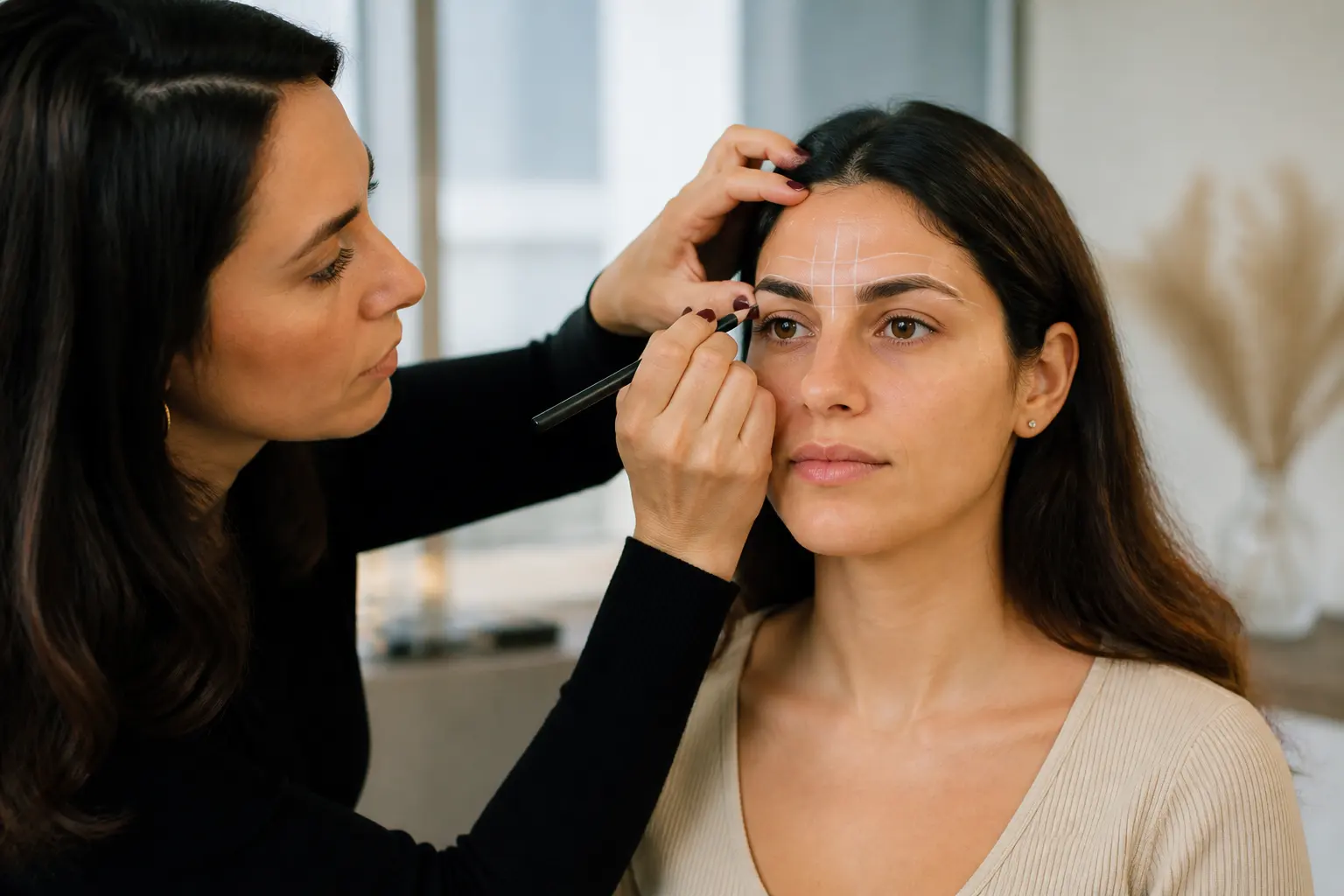
Straight brows or arched brows can create very different impressions, even when the change is subtle. A straighter line can feel calm, modern and softly structured. A gentle arch can add lift and definition around the eye area. Neither direction is automatically better. The most flattering choice is usually the one that works with your natural brow growth, facial proportions and the amount of maintenance you are comfortable with.
If you are booking an eyebrow appointment in Malta and wondering which direction to choose, it helps to look beyond a single reference photo. At a professional brow studio, the aim is not to copy one brow trend onto every face. It is to create a balanced shape that still looks like you, feels manageable between appointments and respects the hair you already have.
Straight brows versus arched brows: what is the real difference?
The difference is not simply whether your brows have an arch. Most natural brows have some degree of rise and fall. The question is how visible that change in direction should be.
Straight brows
Straight brows follow a more horizontal path from the front of the brow towards the tail. They may still have a very soft lift, but the highest point is subtle rather than pronounced. This direction can make the brow line appear quieter and more relaxed.
A straight brow does not need to be perfectly flat. Trying to force a completely level line can remove useful structure, especially when the natural hair pattern rises through the middle of the brow. A well-designed straight brow usually has a controlled, gentle curve rather than a ruler-straight finish.
Arched brows
Arched brows have a more noticeable rise through the body of the brow, followed by a downward direction into the tail. The arch can be soft, medium or more defined, depending on the person’s natural bone structure, hair placement and preferred finish.
An arch can bring focus to the eye area and create a more sculpted look. However, a sharper or higher arch is not always the most suitable option. If it is placed too high, too early or too far towards the tail, it can look disconnected from your natural growth and may require more frequent correction.
Start with your natural brow, not a trend
Social media can make brow trends look universal. In reality, the same style can read very differently from one person to another. Brow density, the direction of individual hairs, previous over-plucking and the natural position of the brow all matter.
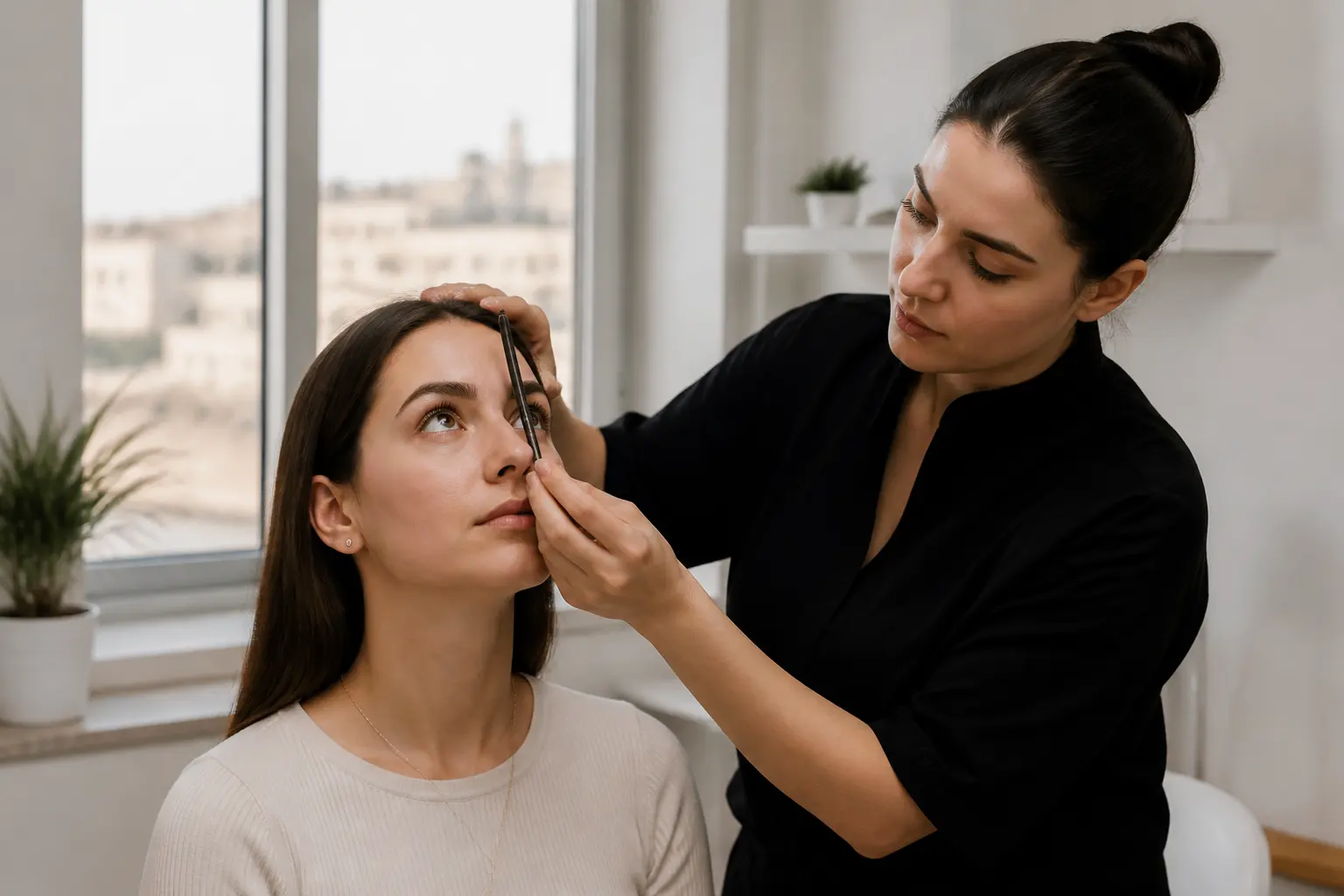
For example, someone with naturally horizontal growth through the front and middle may find that a soft straight brow looks effortless. Someone whose hairs naturally rise through the centre may suit a subtle arch that follows that movement. Forcing the opposite direction can mean removing healthy hairs that are useful for balance, then relying on daily make-up to recreate what was taken away.
This is why a professional design begins with observation. The brow artist looks at what is present before deciding what should be removed. Threading can be especially useful for this approach because it allows precise removal of unwanted hairs around the intended outline without needing to reshape the entire brow aggressively.
How brow direction can change the overall look
Your brow shape is only one part of your face, but it has a strong visual role. Straight and arched directions can affect how open, lifted, soft or defined your features appear.
A straighter direction can feel softer
When the brow line remains relatively horizontal, it can create a gentle frame for the face. This can suit clients who prefer a low-maintenance, natural-looking result or who feel that a strong arch looks too formal for their everyday style.
Straighter brows can also be helpful when the natural brow is already full and evenly distributed. In these cases, a small clean-up and careful definition may be enough to give the brow shape without overworking it.
A soft arch can add definition
A gradual arch can create more movement through the brow and may help the shape look more intentional, particularly when the brow tail needs better direction. The key word is gradual. The rise should usually happen where your brow naturally supports it, rather than being drawn in at the front or pushed to an extreme point.
For clients who like a polished finish, a soft arch can work beautifully with brow tint or henna where appropriate. Colour can make finer hairs more visible, while threading refines the outline. The right combination depends on your brow condition, colour preferences and the result you want to maintain.
Face shape matters, but it is not the only rule
Face shape can be a useful starting point, but it should not become a strict formula. A person with a rounder face is not required to have a high arch, and someone with a longer face does not need completely flat brows. Features vary far more than simple face-shape labels suggest.
Instead, a brow artist considers several elements together:
- The natural position of the brow bone and eye area
- Where the brow hairs grow most densely
- The length and direction of the existing tail
- The spacing between the brows
- The balance between the forehead, eyes, cheeks and jawline
- Your usual make-up style and how much definition you enjoy
- Whether you want a subtle tidy-up or a clearer change of direction
This fuller view prevents a common mistake: choosing a brow shape only because it is said to match a particular face shape. Personal balance is more useful than a one-size-fits-all rule.
Why brow mapping is valuable before choosing a direction
Before threading begins, professional brow mapping gives the appointment a clear structure. Mapping uses facial reference points to guide the start, body, arch area and tail of each brow. It does not mean both brows will become identical. Natural brows are sisters, not copies, and each side can have slightly different density or growth patterns.
The purpose is to find a direction that looks balanced from the front while still making sense from close up. It also gives you the chance to discuss the result before hairs are removed.
During a consultation, you can say things such as:
- I like my brows natural, but I want a little more shape.
- I do not want an overly sharp arch.
- I would like the fronts to stay soft and full.
- I am growing out old over-plucking, so please preserve as much density as possible.
- I want a cleaner tail, but I do not want it too thin.
These details are often more helpful than asking for a celebrity-inspired shape. They explain how you want your brows to feel in daily life.
Can you change from arched brows to straighter brows?
Often, yes, but it may take time. If you have regularly removed hairs below or above a high arch, changing the direction may involve a grow-out period. The artist can gradually refine the brow while leaving selected hairs in place to support a softer line as they return.
The process depends on where the gaps are and how readily the hairs grow. It is important not to promise that every area will fill in at the same rate. Some brows recover density more easily than others, especially after years of repeated hair removal.
In the meantime, make-up can help you test a straighter direction without committing to a dramatic removal pattern. A brow pencil, powder or tinted product can softly extend the body of the brow and reduce the visual emphasis on a high arch. Bring a photo of how you usually fill your brows to your appointment if you use make-up regularly.
Can you make straight brows more arched?
A straighter brow can often be given more lift through careful shaping, particularly when there is enough natural hair above the outer part of the brow. However, it is best to approach this conservatively. Removing too much beneath the brow can make the shape narrow, uneven or difficult to maintain.
Sometimes the most effective change is not a high arch. A cleaner lower line, a slightly more defined peak and a better-directed tail may provide enough structure. Small adjustments can have a noticeable effect without taking the brow away from its natural character.
If your brow hairs point downwards or feel unruly, brow lamination may be a separate option worth discussing. Lamination focuses on hair direction and styling, while threading focuses on the surrounding shape. The two can complement one another, but the right choice depends on your goals and an individual assessment.
What to bring to your brow appointment
You do not need to arrive knowing the exact shape name. A good appointment is a conversation. Still, a little preparation can make it easier to communicate what you want.
- Save one or two inspiration images, not a long collection of conflicting styles.
- Choose images with a similar brow density to your own where possible.
- Notice what you like in the image, such as a soft front, fuller body or lifted tail.
- Be honest about your daily routine. If you do not want to fill your brows each morning, say so.
- Tell the artist if you are growing out sparse areas or have had a previous shape you did not enjoy.
- Ask what is realistically achievable with your current brow growth.
This gives the appointment a practical direction. You may leave with a shape that is inspired by your reference, but adapted in a way that is far more wearable for you.
Maintaining straight or arched brows between visits
Once you have found a direction you like, maintenance is mostly about protecting the outline. Avoid trying to tidy every small hair at home, particularly around the arch and tail. These areas can change the whole balance of the brow quickly.
If you do remove a clearly stray hair between appointments, use a light hand and avoid chasing symmetry. It is easy to overcorrect one side after looking closely in a mirror. Let your brow artist handle the main structure at your next threading session.
Your ideal timing will vary with your hair growth and the finish you prefer. Some clients enjoy a regular tidy-up when new hairs begin to interrupt the shape, while others prefer to allow more growth before returning. The goal is a brow shape that remains neat but still has enough hair to look soft and natural.
Choose a direction that still feels like you
Straight brows and arched brows are not opposing teams. Many of the most balanced designs sit somewhere between them: a softly horizontal front, a gentle lift through the body and a tail that follows the client’s natural growth. The best direction is usually the one that supports your features without looking forced.
At Becammo, brow design is approached as a personalised process. A professional mapping and threading appointment can help you understand what your natural brows can support, whether you are hoping for a softer straight shape, a more defined arch or simply a cleaner version of what you already have. When you are ready, choose your preferred Becammo location in Sliema or Swieqi and book a brow appointment that gives you time to discuss the direction you want.
Frequently asked questions
Are straight brows more flattering than arched brows?
Neither shape is universally more flattering. Straight brows can feel soft and understated, while arched brows can add definition. The most suitable option depends on your natural hair growth, facial proportions and preferred level of maintenance.
Can threading make my brows completely straight?
Threading can refine the outline and reduce the appearance of an existing arch, but it should not force a shape that conflicts with your natural growth. A professional artist will usually aim for a believable, balanced result rather than an unnaturally flat line.
Will an arched brow make my face look more lifted?
A soft, well-placed arch can create a more lifted visual effect around the eye area. The result depends on placement and proportion, so a higher arch is not always the answer.
How do I know whether my arch is too high?
An arch may feel too high if it starts too early, looks sharply pointed or makes the brow tail appear very thin. During a mapped brow appointment, the artist can assess whether a softer direction would create better balance.
Can I grow out an old high arch?
In many cases, selected hairs can be left to grow while the rest of the brow is kept tidy. Growth patterns vary, so the process may take patience and should be guided by the condition of your existing brows.