Sensitive Skin and Brow Lamination: What Comes First
Brenda Cammo Team
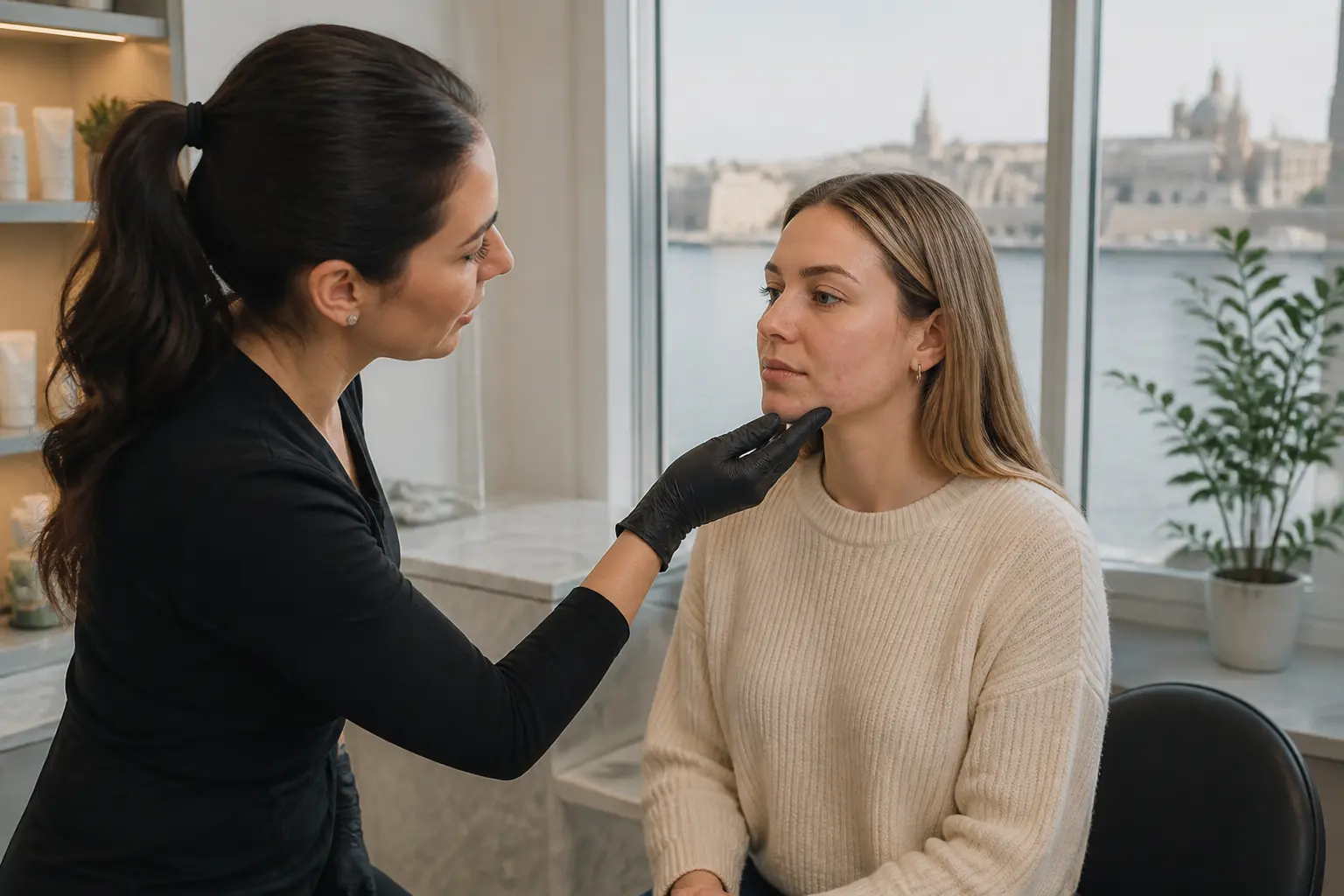
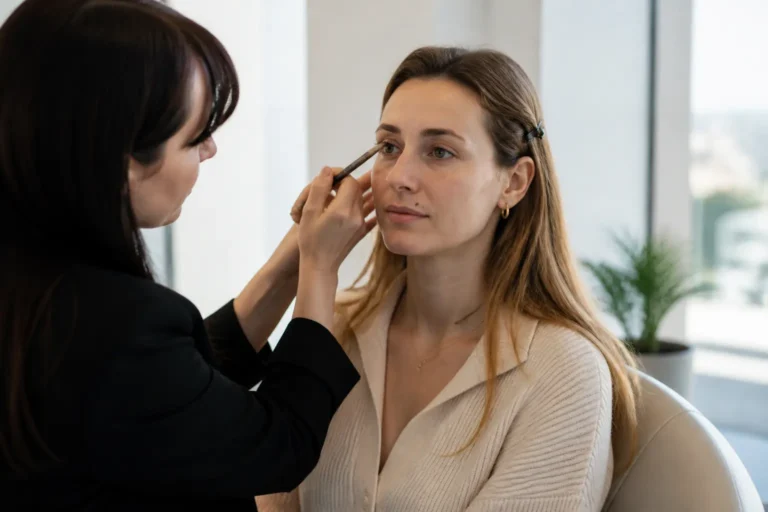
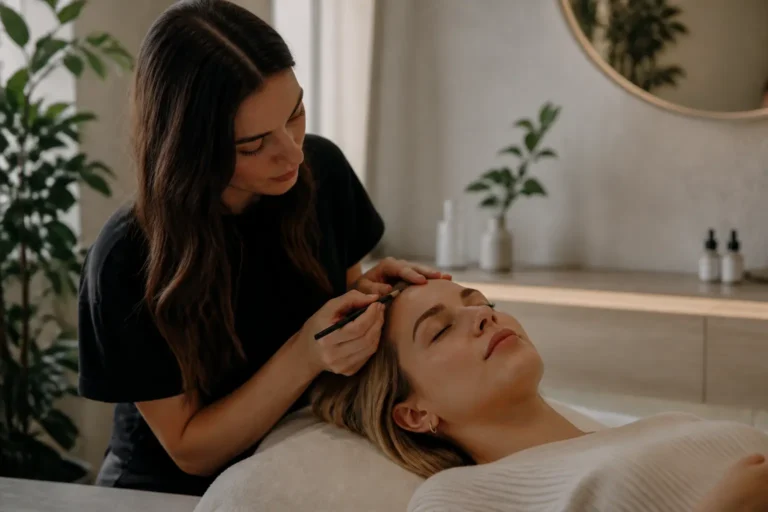
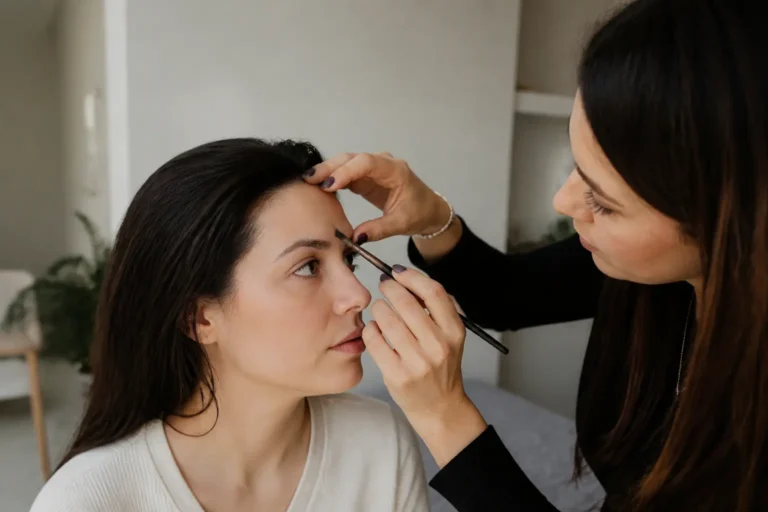
If you have sensitive skin, brow lamination can feel like a decision that needs more thought than simply choosing a brow style. That is a good instinct. A polished, brushed-up result begins with a conversation about your skin, recent reactions and the condition of the brow area on the day, not with a rushed application.
Brow lamination is a beauty service designed to guide brow hairs into a more uniform direction, creating a neater, fuller-looking and more lifted appearance. It is not a one-size-fits-all service, particularly when the skin around the brows is reactive, dry, recently irritated or difficult to predict. A professional consultation helps establish whether that day is suitable for the appointment, whether extra caution is needed, or whether it is better to wait.
For clients in Malta, this is especially useful when sun exposure, swimming, skincare changes or a busy travel schedule have left the face feeling more reactive than usual. Here is what a thoughtful brow lamination consultation checks first, and how you can arrive prepared for an honest discussion.
Sensitive skin does not automatically rule out brow lamination
“Sensitive skin” is a useful description, but it can mean different things to different people. Some people experience temporary tightness after changing a cleanser. Others tend to become red after facial hair removal. Some have a known history of eczema, contact dermatitis or reactions to cosmetic products. A consultation separates these experiences instead of treating every sensitive-skin concern as identical.
The goal is not to label your skin or make a medical diagnosis. It is to understand the practical information that affects a beauty appointment. This includes what your skin is like today, what has caused problems before and whether there are clear reasons to postpone or adapt the plan.
Cosmetics and toiletries can contain substances that trigger either irritation or an allergic contact reaction in some people. The NHS notes that fragrances, preservatives and other cosmetic ingredients may be relevant triggers for contact dermatitis. It also distinguishes specialist dermatology patch testing from everyday assumptions about sensitivity, which matters when deciding what a salon patch test can and cannot tell you. NHS guidance on contact dermatitis causes
In other words, having sensitive skin does not mean you should guess, push through discomfort or assume every future appointment will go the same way. It means the consultation deserves your full, accurate answers.
What a professional consultation checks before the service
A proper pre-treatment conversation is short, but it should be specific. Rather than asking only, “Do you have sensitive skin?”, your brow artist needs context. At a professional studio, this forms part of the hygiene, client-history and aftercare process.

1. The current condition of the brow area
The first check is visual and immediate. The brow area should not be ignored simply because the appointment is focused on hair direction. Your artist may look for signs that the skin is not calm enough for a chemical brow service, such as obvious redness, flaking, tenderness, broken skin, swelling or a fresh rash.
This is not about judging your skin. It is about avoiding a situation where an already uncomfortable area may be further stressed. A useful consultation also gives you permission to say that your skin feels different, even if it looks mostly normal from a distance.
If there is active irritation, an unexplained rash, significant discomfort or a skin concern that is persisting, it is sensible to pause the beauty appointment and seek appropriate advice from a pharmacist, GP or dermatologist. A brow service should not be used to investigate or manage a skin condition.
2. Previous reactions to beauty and skincare products
Your past experience is one of the most helpful parts of the consultation. Be ready to mention reactions to brow tint, hair colour, lash products, facial products, fragranced cosmetics, adhesives or previous brow lamination appointments. Also mention whether a reaction happened immediately or developed later.
Details matter. “My skin did not like it” is a useful starting point, but your artist may ask what you noticed: itching, burning, puffiness, dryness, peeling, redness or a rash. You do not need to diagnose the cause yourself. Simply describing what happened helps the artist make a more responsible decision.
It is also worth sharing if you have previously been advised to avoid a particular ingredient or product category. If you have product packaging or a photo of an ingredient list from something that caused a reaction, this can make the conversation clearer. Dermatology services often ask patients to bring cosmetic products and ingredient information when investigating possible contact allergies, illustrating why an accurate product history can be valuable. British Association of Dermatologists information on patch testing
3. Recent brow and facial treatments
The skin around your brows can be temporarily more delicate after other services. Tell your artist about recent threading, waxing, facial treatments, exfoliation, dermaplaning, peels or any new skincare routine. The same applies if you have been using products that have made the area feel dry, stingy or unusually sensitive.
This does not automatically mean your lamination cannot go ahead. Timing and the skin’s visible condition both matter. A professional will assess the information in front of them rather than relying on a fixed rule that may not suit every client.
For example, someone who has introduced a strong new active skincare product and now has sore, flaky skin around the brows may be better served by rescheduling. Someone else may have had a facial some time ago, with no lingering sensitivity, and may be suitable to proceed. The consultation is where that difference becomes clear.
4. Allergies, relevant health information and medication
You should always complete the client form honestly and raise any known allergies or relevant health information that could affect comfort or suitability. If you use prescribed creams or topical products around the face, it is sensible to mention them rather than deciding for yourself that they are unrelated.
There is an important boundary here. Your brow artist can use your answers to decide whether to continue, take precautions or defer a beauty service. They cannot diagnose an allergy, advise you to stop prescribed medication or replace medical care. Where the cause of a reaction is unknown or symptoms are ongoing, clinical advice is the appropriate next step.
5. Whether a patch test is needed
A patch test may be recommended before brow lamination, particularly if you have had previous reactions, have sensitive or reactive skin, are new to the service or have a history that makes the artist cautious. It is a sensible part of risk awareness, not an inconvenience or a sign that something is wrong.
It is also important to be precise about what this means. A salon patch test is not the same as the specialist patch testing carried out in dermatology settings. NHS guidance explains that diagnostic patch testing assesses delayed allergic contact reactions over several days and uses known allergens in a controlled clinical process. NHS guidance on diagnosing contact dermatitis
For a brow appointment, the purpose is more limited: it helps inform the decision about using the relevant salon product. It cannot guarantee that a reaction will never happen, identify every possible sensitivity or diagnose the cause of an existing skin problem. Think of it as one useful safety step within a wider consultation, not a medical clearance certificate.
Questions worth asking before you book
If your skin is sensitive, booking with confidence starts before you enter the studio. Ask clear questions and share your concerns early, especially if you are deciding between brow lamination and a simpler shape-and-tidy appointment.
- Do you recommend a patch test for my skin history?
- How far ahead of the appointment should I arrange it?
- What information should I include in my client form?
- Should I postpone if I have redness, peeling or a flare-up near my brows?
- Which recent facial or brow treatments should I mention?
- What aftercare should I follow if my skin tends to feel dry or reactive?
These questions are not difficult or dramatic. They help create a more personalised appointment and show that you are taking your comfort seriously.
How to prepare for a more useful consultation
You do not need an elaborate routine before speaking with your brow artist. A few practical steps are enough.
- Make a brief note of past reactions. Include the product type, when it happened and what you noticed.
- Do not hide current irritation with make-up. Your artist needs to see the brow area clearly to assess it.
- Tell the studio about any recent changes. A new skincare product, a facial, sun exposure or a previous reaction are all relevant.
- Allow time for a patch test if advised. Do not leave this discussion until the last minute if you already know your skin can react.
- Be open to a different plan. If lamination is not suitable that day, a future appointment may be the more comfortable and responsible option.
This approach protects the quality of the experience as well as the appearance of the brows. A good brow result should feel considered, not hurried.
What happens if lamination is not the right choice that day?
Sometimes the most professional outcome is to wait. This can be disappointing if you had planned your appointment around an event, holiday or photograph, but postponing is not a failed appointment. It is a decision based on the condition of your skin at that moment.
Your artist may suggest returning after the area has settled, arranging a patch test first, or considering a less intensive brow option at a later date if appropriate. The right path depends on your answers, the appearance of the brow area and the service you are considering.
It is also perfectly valid to choose a brow service that feels more comfortable for your routine and your skin. Brow lamination is one styling option, not an obligation. The best brow plan is one that respects your natural hair pattern, personal style and the condition of your skin.
Why consultation matters for natural-looking brows
Brow lamination is often associated with fuller-looking, brushed-up brows, but the service should still look like you. A consultation does more than check suitability. It gives you space to discuss how defined, soft or lifted you want the finished brows to appear.
At Becammo, brow work is approached with attention to individual features and different brow types. This matters for clients from Malta’s international community, where hair texture, density, skin tone and personal preferences vary widely. A trend-led reference photo can be useful, but it should be a conversation starter rather than a template imposed on every face.
When sensitivity is also part of the picture, personalised planning becomes even more important. The best decision may be to proceed after the right checks, plan a patch test, adjust your appointment timing or wait until your skin is calm. Each of these can be a positive, informed outcome.
Aftercare begins with listening
Aftercare advice should match the service and the client. Your brow artist will explain the practical steps to follow after your appointment, and you should let them know promptly if you experience unexpected discomfort or a reaction.
Avoid trying to solve a significant reaction by adding multiple new products to the area. Keep track of what was used, avoid further exposure to anything you suspect has caused a problem and seek medical advice when symptoms are severe, spreading, persistent or concerning. The NHS advises avoiding identified irritants or allergens where possible when managing contact dermatitis. NHS information on contact dermatitis
For everyday questions, your studio can explain the service, the products used within the appointment and the aftercare instructions provided. For diagnosing a skin condition or investigating an allergy, a healthcare professional is the right source of advice.
Conclusion
Sensitive skin and brow lamination can be approached thoughtfully. The key is to treat consultation as an essential part of the service, not a formality. An open discussion of current skin condition, previous reactions, recent treatments and patch-test needs helps your artist make a decision that is appropriate for you.
If you are considering brow lamination in Sliema or Swieqi, book with enough time to ask questions and mention any skin concerns in advance. A professional conversation before treatment is the clearest way to plan brows that suit both your look and your comfort.
Frequently asked questions
Can I have brow lamination if I have sensitive skin?
Possibly, but it depends on your individual skin history and the condition of the brow area on the day. Sensitive skin does not automatically exclude you from brow lamination. A consultation and, where advised, a patch test help guide the decision.
Is a salon patch test the same as a dermatology patch test?
No. A salon patch test is used to help inform suitability for a particular beauty product or service. Dermatology patch testing is a specialist clinical investigation for possible contact allergies and follows a different process.
Should I book brow lamination if my brow area is red or flaky?
Contact the studio before your appointment and describe what is happening. If the area is actively irritated, sore, broken or rash-like, postponing may be the more suitable option. Seek advice from a healthcare professional for persistent or concerning symptoms.
What should I tell my brow artist during the consultation?
Share known allergies, previous reactions to beauty products, recent facial or brow services, new skincare products and any prescribed creams or topical products used around the face. The more accurate the information, the better the appointment can be planned.
Can brow lamination be personalised if I do not want an overly styled look?
Yes. The consultation is the right time to discuss the finish you prefer, from a softer groomed effect to a more lifted appearance. Your natural brow density, hair direction and facial features should all be considered.