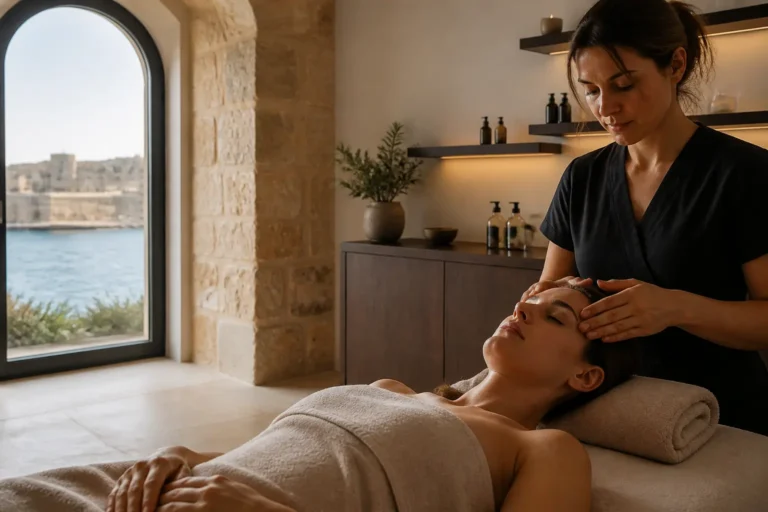
Relaxing Massage or Deep Tissue? Choose Your First Spa Treatment
Brenda Cammo Team
Choosing your first massage should feel calming, not confusing. Yet one question comes up again and again: should you book a relaxing massage or deep tissue massage?
Both can be enjoyable forms of self-care, but they create very different experiences. A relaxing massage is usually the more comfortable starting point for someone who wants to switch off, settle into the spa setting and enjoy gentler pressure. Deep tissue massage uses more focused, firmer work and may suit someone who already knows they prefer stronger pressure around particular areas of muscular tightness.
The best choice is not about being “tough enough” for deep pressure. It is about being clear on what you want from the session, communicating honestly with your therapist and choosing an approach that feels appropriate for your body on that day.
Relaxing massage vs deep tissue massage at a glance
| Feature | Relaxing massage | Deep tissue massage |
|---|---|---|
| Pressure | Light to moderate, adjusted for comfort | Moderate to firm, with more focused pressure |
| Main purpose | Unwinding, comfort and a sense of calm | Addressing areas that feel persistently tight or overworked |
| Style | Flowing strokes across broader areas of the body | Slower, more targeted work around selected muscle groups |
| First-time experience | Often the easier introduction to massage | Suitable when you want firmer work and are happy to give feedback throughout |
| After the appointment | Many people simply feel rested and relaxed | You may prefer to keep the rest of the day lighter, depending on how your body feels |
These labels are useful guides, not fixed rules. A professional session should not be a one-size-fits-all routine. The therapist can adjust pace, pressure and attention to different areas after listening to your preferences.
What a relaxing massage is really like
A relaxing massage is designed around comfort. It generally uses smooth, unhurried movements to help you slow down and take a break from the physical and mental pace of daily life. Think of it as protected time where you do not need to perform, rush or solve anything.
For a first appointment, this style gives you space to become familiar with the practical side of a massage. You can learn how you feel about the room, music, oils, draping, pressure and communication without starting with an especially intense technique.
When a relaxing massage may be the better first choice
- You have never had a professional massage before.
- Your main goal is to unwind after a demanding week, travel or long working hours.
- You feel generally tense, but cannot point to one specific stubborn area.
- You are nervous about discomfort or unsure how your body will respond to massage.
- You would like a soothing spa experience rather than a strongly focused session.
It is also a good choice for people who spend much of the day mentally “on”. Whether you work at a desk, manage a busy household, study or travel frequently around Malta, a gentler appointment can create a welcome pause in your routine.
What makes deep tissue massage different
Deep tissue massage is not simply a relaxing massage with maximum pressure. It is a more deliberate approach that uses slower and firmer work to focus on areas that feel particularly tight. The aim is not to make the session painful. It is to work at a level that is meaningful for you while keeping communication open.
You might be drawn to deep tissue massage if your shoulders feel loaded after computer work, your back feels tense after long periods of driving, or your legs feel overworked after regular training. However, having a tight area does not automatically mean deep pressure is the right answer. Recent injuries, inflammation, bruising and unexplained pain deserve more caution than a spa booking can provide.
Clinical guidance on soft tissue work notes that deeper techniques can be uncomfortable and that the practitioner should work within the person’s tolerance and consent. It also makes an important distinction: massage may support comfort, but it does not necessarily address the root cause of ongoing pain. South Tees Hospitals NHS Foundation Trust
When deep tissue massage may suit you
- You already know that you enjoy firmer pressure.
- You have specific non-acute areas that feel tight, such as the upper back, shoulders or legs.
- You want your therapist to spend more time on a smaller number of areas.
- You understand that pressure should be discussed and adjusted, not silently endured.
- You are booking for comfort and muscular recovery, not as a substitute for diagnosis or medical care.
Deep tissue massage can still be calm and professional. The difference is in the focus and pressure, not in whether you are allowed to speak up. In fact, feedback is particularly important during a firmer session.
Your first decision: what do you want to feel afterwards?
Instead of asking which treatment is “better”, start with the outcome you want from the hour.
If your answer is “I want to switch off”
Choose a relaxing massage. You may be carrying the ordinary tension of a busy schedule and simply want to leave feeling calmer, lighter and more rested. There is no need to choose deep tissue massage just because you think a spa treatment has to feel intense to be worthwhile.
If your answer is “one area feels especially tight”
Deep tissue massage may be worth considering, particularly if the sensation is familiar and not connected to a recent injury. Let the therapist know exactly where you feel the tension, how long it has been present and what type of pressure you normally like. They can then help set realistic expectations for the session.
If your answer is “I do not know what I need”
Book the gentler option or ask the studio before you reserve. A first massage does not need to be a final decision about your preferences. It can be the beginning of learning what makes you feel genuinely comfortable.
Pressure should be personalised, not tolerated
One of the most useful things you can say at the start of a massage is, “This is my first time.” It gives your therapist the opportunity to explain how the session will work and remind you that you can request changes at any point.
A helpful pressure scale is simple:
- Too light: you cannot feel enough contact to enjoy the massage.
- Comfortably firm: you feel the pressure, but can breathe normally and stay relaxed.
- Too intense: you tense up, hold your breath, flinch or feel you have to brace against the touch.
That final category is not a prize to push through. Painful pressure is not proof of a better massage. If something feels sharp, hot, pinching or simply wrong, say so immediately. A good therapist wants that information and can reduce pressure, move to another area or change the technique.
Your massage should be tailored to your comfort. Speaking up is part of the appointment, not an interruption to it.
How to prepare for your first spa massage
You do not need an elaborate routine before your visit. A few sensible choices can make the experience more comfortable.
- Arrive with enough time. Rushing through the door can make it harder to settle into a relaxing treatment.
- Eat lightly beforehand. A very heavy meal immediately before lying face down may not feel comfortable.
- Wear easy clothing. Choose something you can change out of and back into without effort.
- Share relevant information. Mention skin sensitivities, allergies to oils or products, recent injuries, pregnancy, medicines that may affect bruising, or any health concern that could influence the service.
- Be specific about your preference. Tell the therapist whether you prefer a light touch, medium pressure or firm work, even if you are unsure.
Massage is not appropriate over broken, irritated, infected, sunburnt or inflamed skin. Professional guidance also advises caution with acute injuries and conditions involving swelling, veins or circulation. If you have a health condition, unexplained symptoms or are recovering from an injury or procedure, seek appropriate medical advice before choosing a deep tissue session. NHS Borders guidance
What happens during a professional massage appointment?
Although each studio has its own routine, a professional massage should begin with a short conversation. This is where you can share your goals, preferred pressure and areas you would like the therapist to avoid or spend more time on.
You should also know what to expect around privacy and draping. Only the part of the body being worked on should be uncovered, while the rest remains covered. If you feel cold, uncomfortable or uncertain at any time, ask for an adjustment.
During the massage, you do not need to keep a conversation going. Some clients enjoy chatting; others prefer quiet. Both are completely acceptable. The important communication is practical: pressure, temperature, positioning and comfort.
Aftercare: keep the rest of the day simple
After either style of massage, give yourself a little breathing room if you can. Drink water because it is a sensible part of your normal routine, eat when you are hungry and avoid scheduling yourself into an unnecessarily hectic plan straight afterwards.
After a relaxing massage, you may want to continue the slower mood with a quiet evening. After a deep tissue session, pay attention to how your body feels and avoid judging the appointment by a single moment. The right level of pressure is individual, and your therapist can use what you learn from one session to tailor the next.
If you experience pain that is severe, unusual or ongoing, do not rely on another massage to explain it away. Seek advice from an appropriately qualified health professional. For recent soft tissue injuries, NHS guidance recommends adapting activity and seeking help if symptoms worsen, including increasing redness, heat or swelling. NHS inform
So, which should you book first?
For most first-time clients, a relaxing massage is the wiser place to start. It introduces you to the spa experience with gentler pressure and gives you a clear sense of what your body enjoys.
Choose deep tissue massage first if you actively want firmer, more targeted work, have no reason to avoid it and feel comfortable giving real-time feedback. You do not have to decide alone. Asking the studio a few questions before booking can help match the service to your expectations.
At Becammo, the most useful first step is an honest conversation about comfort, pressure and the areas you would like to focus on. Choose the massage experience that feels right for your current needs, then book a time that lets you enjoy the slower pace afterwards.
Frequently asked questions
Is deep tissue massage painful?
It can feel more intense than a relaxing massage because the pressure is firmer and more focused. It should not feel like something you must endure. Tell your therapist straight away if the pressure is too much.
Can I ask for lighter pressure during a deep tissue massage?
Yes. Pressure is not fixed for the whole appointment. Your therapist can adapt it, spend less time on a sensitive area or use a different approach.
Is a relaxing massage worthwhile if I have tight shoulders?
Yes. A relaxing massage can still include attention to the shoulders while maintaining a gentler overall experience. Tell your therapist where you feel tension before the session begins.
Should I book deep tissue massage after a gym workout?
It depends on how you feel and whether you have any strain, swelling or acute pain. If you are sore from a recent injury or unsure about the cause of pain, pause and seek appropriate advice rather than booking a firmer massage immediately.
What should I wear for a massage appointment?
Wear comfortable clothes that are easy to change out of and into again. Your therapist will explain the studio’s privacy and draping arrangements before the session starts.
Can I talk during my massage?
Of course. You can chat, stay quiet or simply communicate when you need an adjustment. Your comfort matters more than following any particular spa etiquette.