Post-Threading Skincare: Make-up, SPF and Actives
Brenda Cammo Team
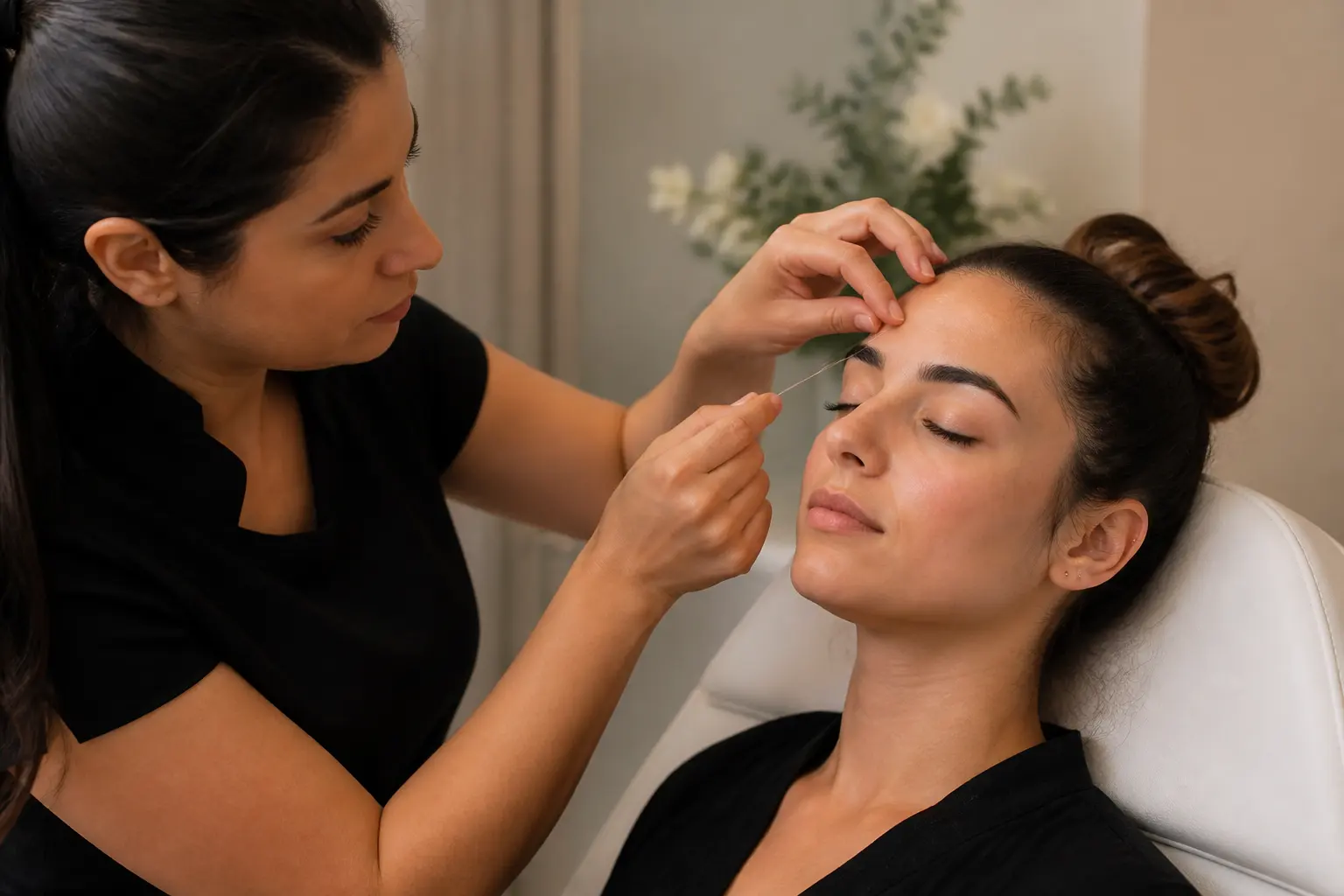
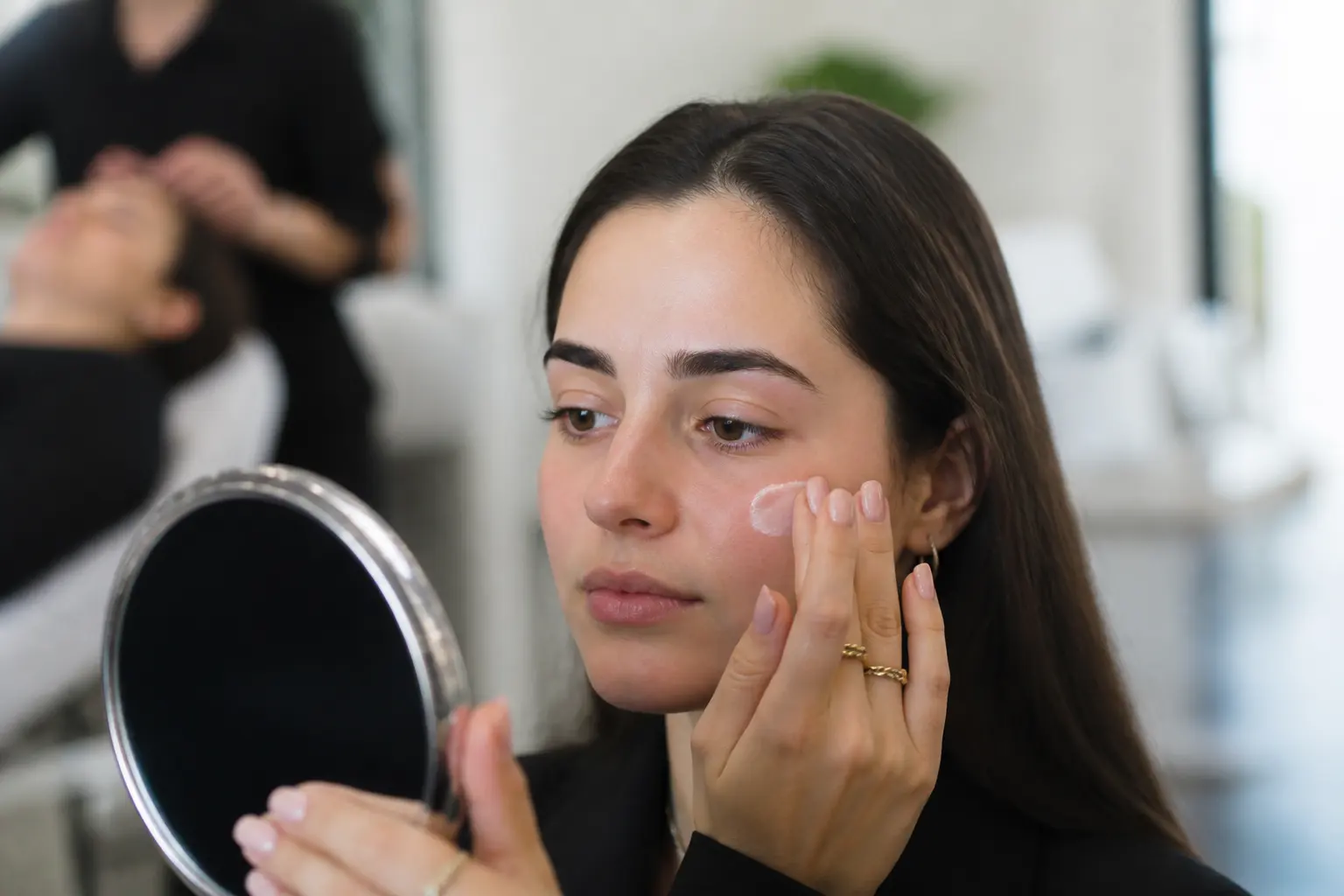
Freshly threaded eyebrows can make your whole face look more polished, but the skin around them may feel a little warm, look pink or be more reactive than usual straight after your appointment. That is normal for many people. Threading removes hair from the root with a fine thread, so the immediate priority is simple: keep the area clean, calm and free from unnecessary friction.
The questions tend to come quickly, especially if you are fitting an eyebrow appointment into a busy day in Malta: Can I put make-up back on? Do I still need SPF? What about retinol, exfoliating acids or my usual acne products?
Post-threading skincare does not need to be complicated. It does need to be gentler than your normal routine for a short time. Your exact timeline depends on how your skin responds, the products you use and the advice given by your brow artist. This guide explains a sensible approach, from the moment you leave the studio through to restarting your regular skincare.
Why the brow area needs a short reset after threading
Threading is a precise method of facial hair removal. It allows the brow artist to remove hairs in a controlled way and refine the shape around your natural brow line. Even when the appointment is smooth and quick, hair removal can leave the surrounding skin temporarily sensitive.
You may notice mild redness, a warm sensation, tiny raised bumps around follicles or a feeling that your skin is more exposed. These effects often settle relatively quickly, but they are a useful signal to simplify what you apply next. Heavy make-up, strong skincare and frequent touching can add avoidable irritation while the area is settling.
Professional hygiene matters here. At Becammo, threading is performed using a single-use thread, with cotton as the usual material and polyester available for clients with a relevant allergy. Your brow artist can also flag anything they notice during the service and tailor the immediate aftercare advice to your skin on the day.
For a broader medical perspective, Cleveland Clinic’s guide to eyebrow threading notes that redness and irritation can occur after hair removal and recommends avoiding irritants, touching and make-up where possible during the initial recovery period.
The quick answer: a practical post-threading timeline
Every complexion is different, so think of this as a flexible guide rather than a rigid rule. If your brow artist gives you more specific instructions, follow those first.
| When | Best approach | What to avoid |
|---|---|---|
| Immediately after threading | Keep the area clean, hands off and comfortably cool. Let any redness settle. | Rubbing, scratching, brow pencil, concealer and strong skincare. |
| For the rest of the day | Use gentle sun protection if you will be outdoors. Keep products light and avoid the freshly threaded skin if it still feels reactive. | Heavy or long-wear make-up directly over the brow area, heat and unnecessary product layering. |
| After around 24 hours | If the skin is calm, reintroduce clean, light make-up carefully. | Applying make-up over persistent redness, bumps, broken skin or discomfort. |
| After 48 to 72 hours | Consider returning to active skincare only when the area feels fully settled. | Retinoids, exfoliating acids and scrubs on skin that still feels sensitive. |
When can you wear make-up after eyebrow threading?
If possible, give the freshly threaded area a make-up-free break for the rest of the day, and ideally around 24 hours. This is particularly helpful if your skin often develops small bumps after hair removal or if you tend to touch and adjust your brow make-up throughout the day.
There is an important distinction here. You do not necessarily need to go bare-faced. You can often wear make-up elsewhere on your face. The key is to avoid applying foundation, concealer, brow pencil, tinted gel or powder directly onto the skin that has just been threaded while it is red or tender.
If you need make-up later that day
Sometimes you have a dinner, work event, holiday photo or evening plan. If the brow area has fully calmed and you choose to apply make-up, keep the approach minimal:
- Wash your hands before touching the brow area.
- Use freshly cleaned brushes, sponges or applicators.
- Avoid very heavy, waterproof or long-wear formulas that need vigorous rubbing to remove.
- Keep foundation and concealer slightly away from the brow line where possible.
- Skip brow products if there is still visible redness, tenderness or follicular bumps.
- Remove all make-up gently before bed, without scrubbing across the brows.
Clean tools are as important as the product itself. Make-up brushes collect product, skin oils and residue over time. Using a brush that has not been washed recently is not ideal on freshly threaded skin. The American Academy of Dermatology also advises paying attention to cosmetic products that may clog pores, especially for people prone to breakouts. Read its guidance on make-up and acne-prone skin.
Can you fill in your eyebrows straight after?
It is best to wait. Brow pencil and pomade can look tempting when you want extra definition immediately, but your new shape is already visible. Give the skin a chance to settle before adding product. If you are planning threading before a special occasion, consider booking a day ahead rather than immediately before the event. That gives you breathing room for any temporary redness to fade and lets you do your usual make-up without rushing.
SPF after threading: yes, but apply it gently
Sun protection remains important after threading, particularly in Malta where a walk to work, a terrace lunch or a short trip to the beach can mean meaningful sun exposure. The goal is not to leave freshly threaded skin unprotected. It is to use sunscreen in a way that does not create extra friction or sting.
Once the immediate redness has settled, apply a broad-spectrum SPF 30 or higher by pressing or patting it lightly around the brow area instead of rubbing firmly. Choose a formula you already know your skin tolerates. A simple, fragrance-free product can be a sensible choice if your skin is reactive.
If you are heading straight outdoors and cannot wait long, ask your brow artist what is best for your skin that day. They may advise you to use a physical barrier as well, such as sunglasses, a cap or a hat, while the area settles. Avoid deliberately tanning the brow area after threading, whether outdoors or with a sunbed.
Dermatologists generally recommend broad-spectrum, water-resistant SPF 30 or above for exposed skin. The American Academy of Dermatology’s skincare-order guidance places sunscreen before make-up, which is a useful rule once your brow skin is ready for products again.
Do not use SPF as a reason to cover irritation
SPF protects against UV exposure, but it does not make irritated skin ready for every other product. If the area feels hot, sore, itchy or unusually bumpy, do not layer sunscreen, concealer and brow make-up over it simply because you are going out. Keep the routine minimal and seek personalised advice if the reaction is more than the mild, short-lived sensitivity you normally experience after threading.
When to restart retinol, acids and other active skincare
Active skincare is where a little patience makes a real difference. Products such as retinol, prescription retinoids, exfoliating acids, chemical peels, scrubs, benzoyl peroxide and strong vitamin C formulas can be useful in an established routine, but they may feel harsher on freshly threaded skin.
A cautious default is to avoid applying active products directly around the brows for 48 to 72 hours, or longer if there is still redness, dryness or sensitivity. Restart only once the skin feels normal again. If you use a prescription product, have a diagnosed skin condition or are unsure whether your treatment counts as an active, speak to the clinician who prescribed it before changing your routine.
Retinol and prescription retinoids
Retinol and prescription retinoids can increase dryness and sensitivity for some users. That is why they deserve extra attention around any facial hair-removal appointment. The Cleveland Clinic guidance specifically advises avoiding retinoid and retinol products before threading because they can make the skin more sensitive.
For aftercare, do not rush to apply retinol over freshly threaded brows that evening. Resume it only when the area is calm, and keep it away from the brow line at first if you are prone to irritation. If you use oral isotretinoin, tell your brow artist before booking. This is a medication-related issue that needs individual clinical advice, not a one-size-fits-all salon rule.
Exfoliating acids and facial scrubs
AHAs, BHAs, PHAs, enzyme exfoliants and physical scrubs can all be too much when the skin has just had hair removed from the root. Avoid them around the brow area for at least a couple of days. This includes exfoliating pads, peeling solutions and facial cleansers marketed for smoothing texture or clearing pores.
You can usually continue a gentle cleanser and a straightforward moisturiser, provided they do not sting. Keep application light. There is no need to massage the brow bone aggressively to make products absorb.
Acne treatments
If you use spot treatments, benzoyl peroxide, salicylic acid or medicated acne products, keep them away from the threaded area until your skin has settled. This does not mean stopping a prescribed acne plan without advice. It means being precise about placement and avoiding accidental transfer onto sensitive brow skin.
For example, you may be able to use your regular acne product on your chin or jawline while leaving the brow area alone. Wash your hands afterwards so you do not transfer product when brushing your hair, applying moisturiser or checking your brows.
A gentle routine for the first evening
Your first post-threading evening is a good time to keep things uncomplicated. A simple routine may look like this:
- Cleanse your face with lukewarm or cool water and a gentle cleanser, avoiding vigorous rubbing around the brows.
- Pat dry with a clean towel.
- Apply a bland moisturiser if your skin feels dry, taking care not to work it heavily into the freshly threaded line.
- Skip retinol, acids, scrubs, peel pads and strong spot treatments near the brows.
- Avoid touching, squeezing or picking at any small bumps.
It can also help to avoid activities that make you hot and sweaty immediately after your appointment, such as a steam room, sauna or intense workout. If you are going swimming, it is wiser to wait until the area is settled rather than exposing freshly threaded skin to pool water or hot tubs.
How to plan threading around work, holidays and events
Threading fits neatly into many routines, but timing helps. For an ordinary appointment, you may be happy to leave with clean, product-free brows and let them settle naturally. For a wedding, professional photographs or a night out, book your brow shaping one or two days beforehand where possible.
This approach gives you time to:
- See how your own skin responds to threading.
- Apply your preferred make-up once the area has settled.
- Avoid making last-minute decisions about concealing redness.
- Enjoy the definition of your brows without overworking them with product.
It is also useful to mention your schedule when you arrive. A professional brow artist can take account of your skin sensitivity, your usual routine and whether you have an event coming up. At Becammo, the focus is not on forcing one brow shape or aftercare plan onto everyone. Your brows, skin and comfort matter.
When should you ask for advice?
Mild redness immediately after threading is common, but it should begin to improve rather than intensify. Contact the studio for guidance if you are uncertain about a product or if your skin has reacted differently from usual. If you develop significant swelling, persistent pain, spreading redness, signs of infection or an allergic-type reaction, seek advice from an appropriate healthcare professional promptly.
Also tell your brow artist before your appointment if you use retinoids, have recently used a strong peel, have sunburn, are managing a skin condition, or know that you react easily to cosmetics. This helps the service be approached with suitable care from the start.
Conclusion
The best post-threading skincare is calm, clean and temporary. Let your brow area settle before applying make-up, use SPF gently when you will be outdoors, and pause strong actives until the skin feels fully comfortable again. That short reset supports a more comfortable experience and helps you enjoy the clean definition of your freshly shaped brows.
If you are unsure how threading will fit around your skincare routine, event plans or sensitive skin, book an eyebrow appointment at Becammo in Sliema or Swieqi and ask the team about the right aftercare for you.
Frequently asked questions
Can I wear foundation after eyebrow threading?
You can apply foundation elsewhere on the face if needed, but it is best to avoid placing it directly over the freshly threaded brow area until redness and sensitivity have settled. Waiting around 24 hours is a practical option for many people.
Can I apply sunscreen immediately after threading?
If you need to go outside, sun protection is important. Once the area has settled, apply a broad-spectrum SPF gently by patting rather than rubbing. Ask your brow artist for personalised guidance if your skin is still very reactive.
How long should I wait to use retinol after threading?
A cautious approach is to keep retinol and other retinoids away from the brow area for 48 to 72 hours, then restart only when the skin feels fully normal. Prescription skincare should always be managed with advice from the prescribing clinician.
Can I use salicylic acid after threading?
Wait until the threaded area has settled before applying salicylic acid there. Even if you continue using it elsewhere in your routine, be careful not to transfer it onto the brow line with your fingers.
Why do I get small bumps after threading?
Small temporary bumps can occur after hair removal from the root. Keeping the area clean, avoiding heavy make-up and not touching or picking the skin can help. Seek professional advice if the bumps are painful, worsening or persistent.
Should I book threading before or after a special event?
When possible, schedule threading one or two days before the event. This gives your skin time to settle and leaves room for your normal make-up routine without pressure.