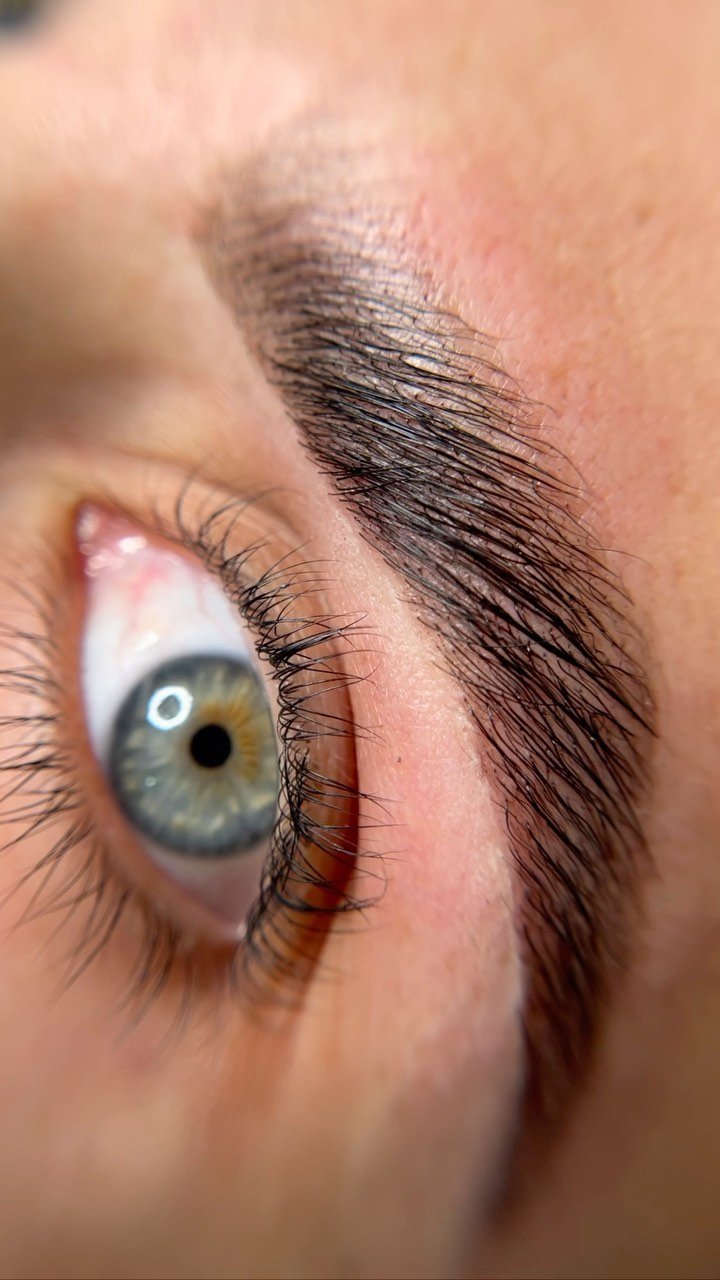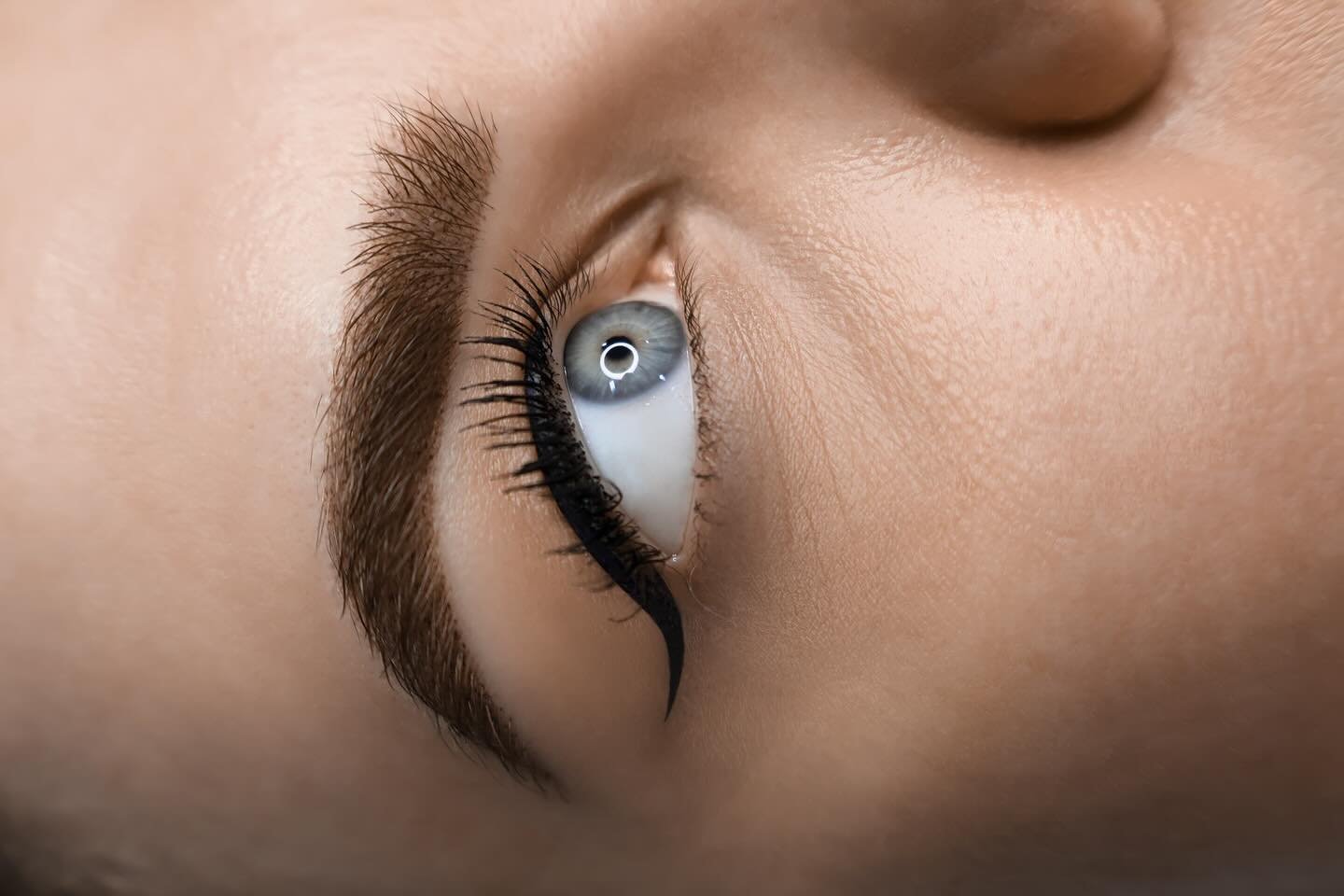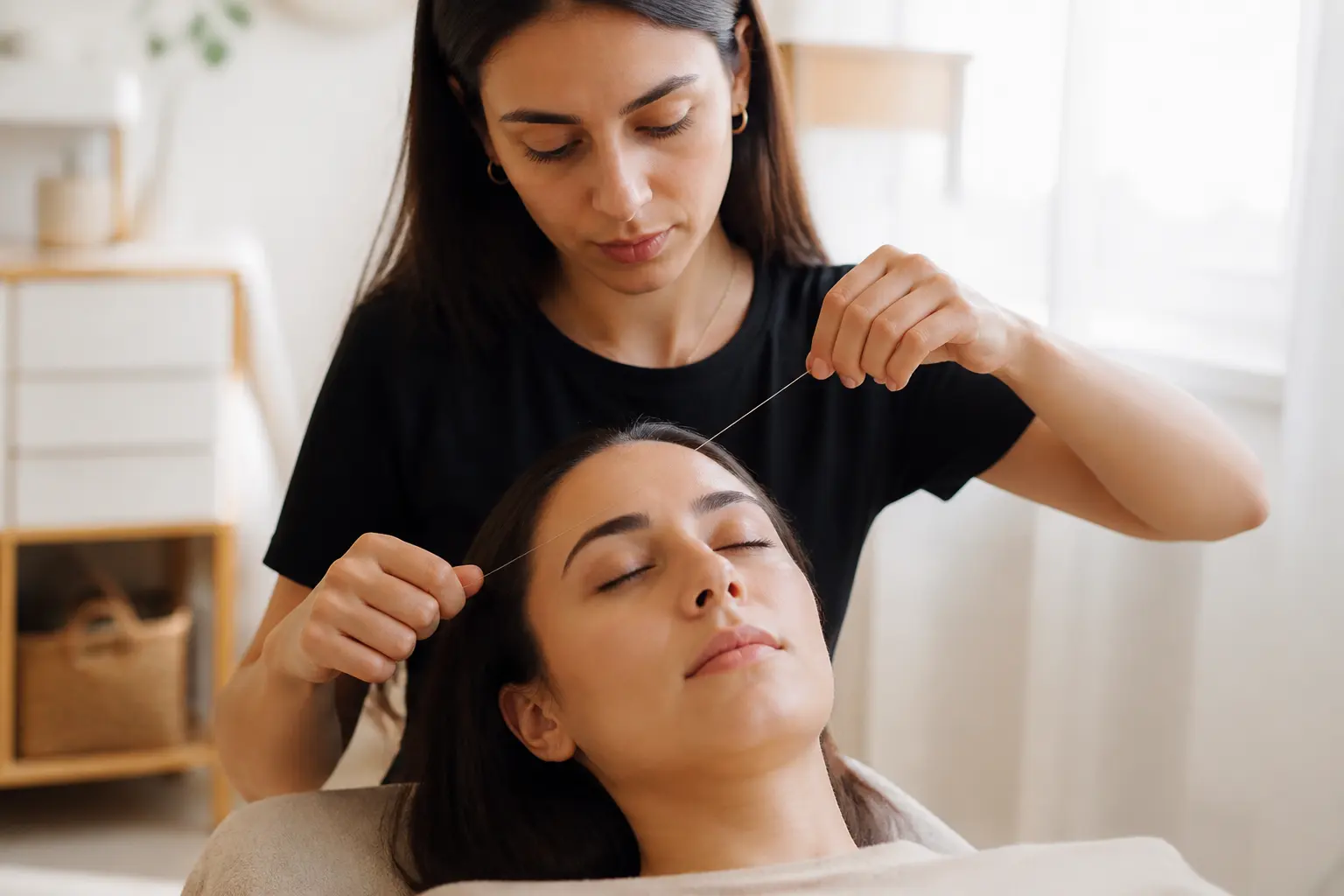
Hairline tidying refines selected fine hairs around the forehead, temples and neck so your brows, hairstyle and features look more intentional, without redrawing your natural hairline. Threading with single-use thread suits small areas such as the forehead and temples, worked gradually because removing too much can change facial proportions. Let the hair grow before the appointment and follow the gentle aftercare given on the day.
A polished look is often shaped by the smallest details. The curve above the forehead, the fine hairs around the temples and the line at the back or sides of the neck can all influence how defined your face, hairstyle and brows appear. Neck and forehead hairline tidying is not about creating a completely different face. It is about bringing gentle order to areas that can look untidy between haircuts, brow appointments or special occasions.
For many people, these fine hairs are easy to notice in photos, when wearing hair up or when looking closely in the mirror. Others may not think about them until a brow shape feels finished but the surrounding area still looks a little uneven. A professional approach matters because the aim is not to remove hair indiscriminately. It is to consider your natural growth pattern, skin comfort, hairstyle and the overall balance of your features.
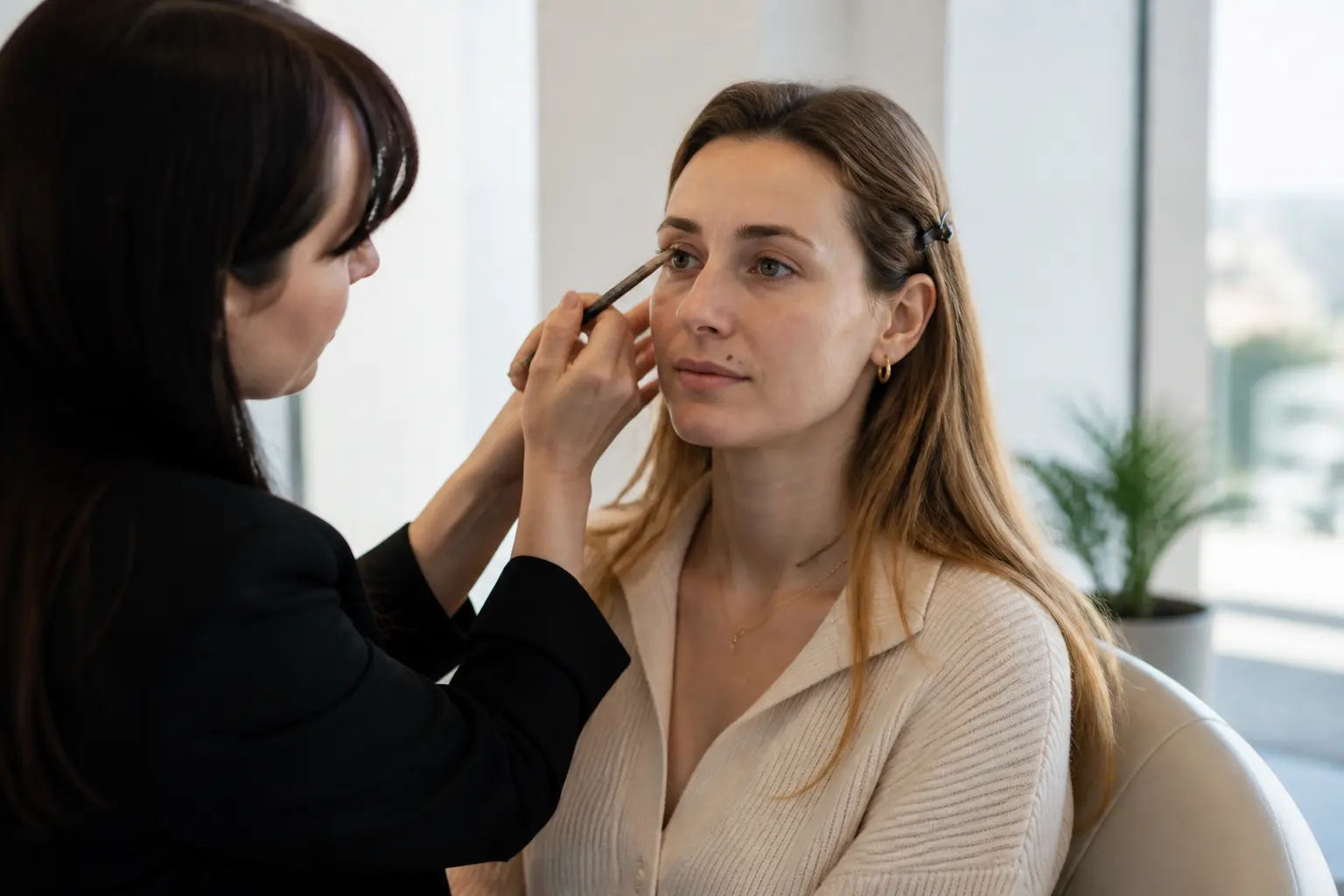
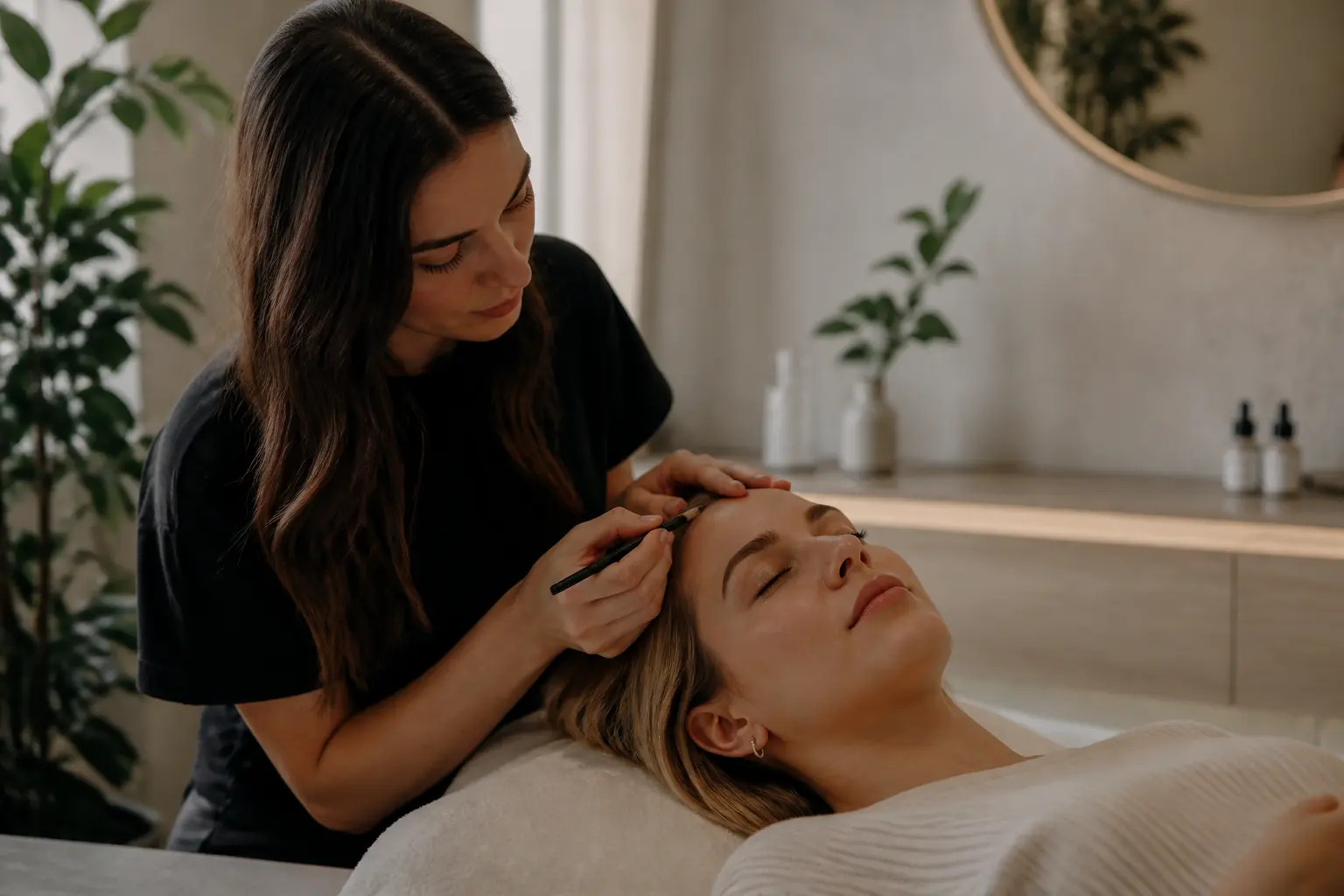
At a beauty studio, hairline tidying should begin with a conversation and visual assessment. The right approach can vary greatly from one client to another, especially in Malta’s international community, where hair texture, density, skin tone and preferred grooming style are wonderfully diverse.
What does hairline tidying mean?
Hairline tidying refers to refining selected fine hairs around the edges of the face or neck. It may involve the upper forehead area, temples, side areas close to the brows, or the neck area where short regrowth can make a haircut look less crisp.
The key word is selected. A natural hairline is not supposed to be perfectly identical on both sides or drawn in a rigid line. Most faces have subtle asymmetries, and most hairlines have softer areas of growth. Trying to force absolute symmetry can make the result look less natural rather than more polished.
Instead, a professional looks for a cleaner visual outline while respecting the hair that belongs to your natural frame. This is particularly important around the forehead. Removing too much from this area can change the proportions of the face, so it deserves a careful and conservative plan.
Why do these small areas change your overall look?
The forehead, brows, temples and neck are separate areas, but the eye reads them together. Brows provide structure around the eyes, while the hairline forms a wider frame around the upper face. At the neck, a neat edge can complement a fresh haircut, a short style, an updo or a more groomed beard line.
When fine hairs grow unevenly around these areas, they may compete visually with an otherwise neat brow design or hairstyle. Tidying can help create a more intentional finish without asking you to change your natural look.
- Forehead edges can make the upper face look more considered when the hair is tied back.
- Temple areas can support a smoother transition between the hairline and brow area.
- Neck edges can help a haircut or beard grooming routine look fresher between appointments.
- Fine facial hairs may be more noticeable under bright sunlight, close-up photography or makeup.
The best result is usually subtle. People may notice that you look neat and well put together without being able to identify exactly what has changed.
At BeCammo · Sliema · Swieqi
Eyebrow threading in Malta
Same client, before and after threading.
Clean, natural brows shaped to your face, at our salons in Sliema and Swieqi. Threading is what BeCammo was built on.
- from €16price
- Sliema · Swieqiwhere
- ★ 5.0460+ Google reviews
How does threading fit into hairline grooming?
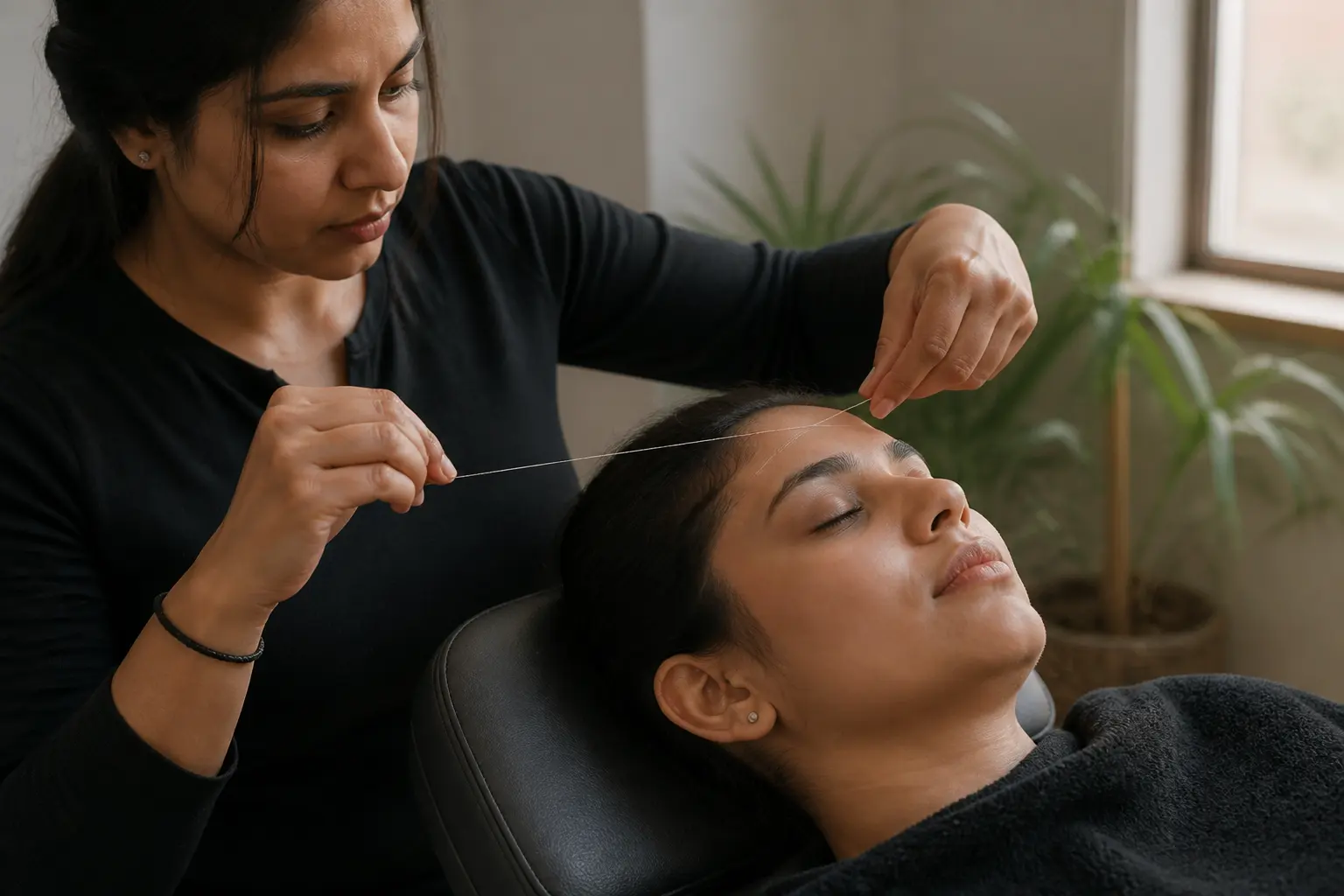
Threading is a hair-removal technique with a long history in India and the Middle East. It uses a twisted thread to lift hairs from the surface in a controlled way. At BeCammo, threading is approached as a precise brow and facial grooming technique, with design guided by the individual rather than a one-style-fits-all template.
For suitable small areas, threading can be useful because the practitioner can work gradually, checking the outline as they go. This can be especially valuable near the forehead or temples, where a light touch often matters more than removing a large amount of hair at once.
Professional hygiene is also an essential part of the appointment. BeCammo uses single-use thread for each client, with cotton used as the standard option and polyester available for clients with relevant allergies. The area should be assessed before any hair is removed, particularly if you are requesting work beyond a standard brow shape.
Good hairline grooming should support your natural features, not replace them with an artificial outline.
Why does forehead hairline tidying need a careful approach?
The forehead is one of the most sensitive areas to over-edit. It is tempting to focus on every fine hair that sits slightly ahead of the main hairline, especially when you wear a ponytail, bun or slicked-back style. Yet those hairs may be part of the natural softness of your hairline.
Before arranging forehead hairline threading, think about what is bothering you. Is it a small uneven patch at one temple? A few noticeably longer hairs that disrupt your preferred hairstyle? Or is it a wish for a sharper, more defined line overall? These are different goals, and they should not all be handled in the same way.
Questions a professional may consider
- Where does your main hairline naturally begin?
- Are the hairs in question fine facial hairs or established scalp hair?
- Do you usually wear your hair up, down, curly, straight or closely cropped?
- Would a small refinement achieve your goal without changing the natural outline?
- Has the area been recently shaved, waxed or irritated?
Being open about your usual styling routine helps. A hairline that looks appealing with hair pulled tightly back may not feel right when you wear a softer fringe or parting. This is why a consultation at the start of the appointment is more useful than following a generic online hairline shape.
How does neck hairline tidying fit your routine?
The neck is often a practical grooming concern. Short hairs can become visible after a haircut, and the area may be difficult to manage neatly at home. For some clients, the goal is simply to keep a clean appearance for work, events or holidays. For others, it is part of maintaining a more defined beard or short-hair style.
However, the neck is not identical to the brow or upper-face area. Hair can be coarser, growth directions can vary and skin sensitivity differs from person to person. The best method and service choice depend on the area, the type of hair and the result you want to maintain.
If you are considering neck grooming, explain whether you want a one-off tidy for an occasion or an ongoing routine. A professional can then advise whether the area is appropriate to discuss within your appointment and which option makes the most sense for your grooming goals. It is always better to ask before booking than to assume every hair-removal method suits every zone.
How are hairline tidying and eyebrow design connected?
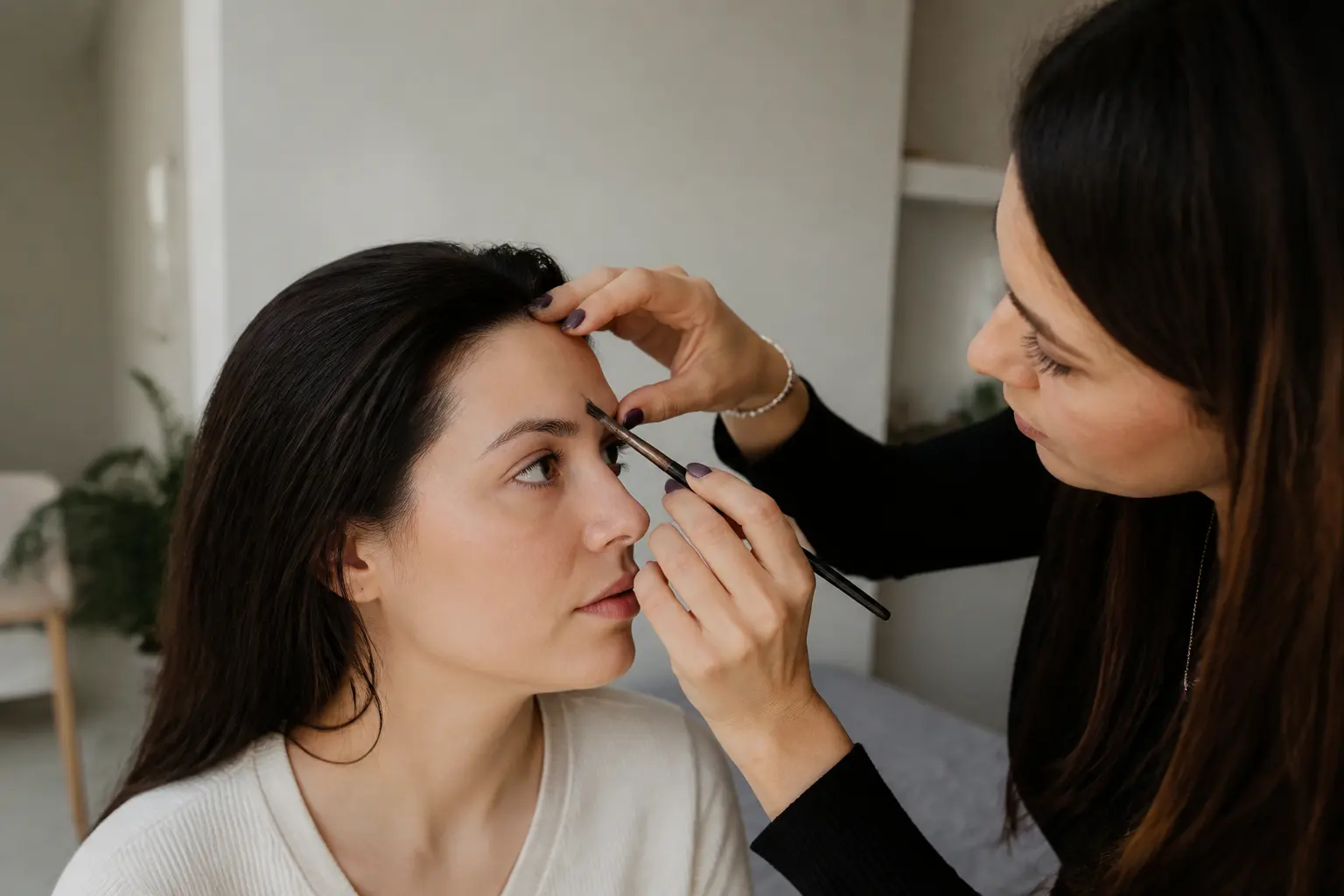
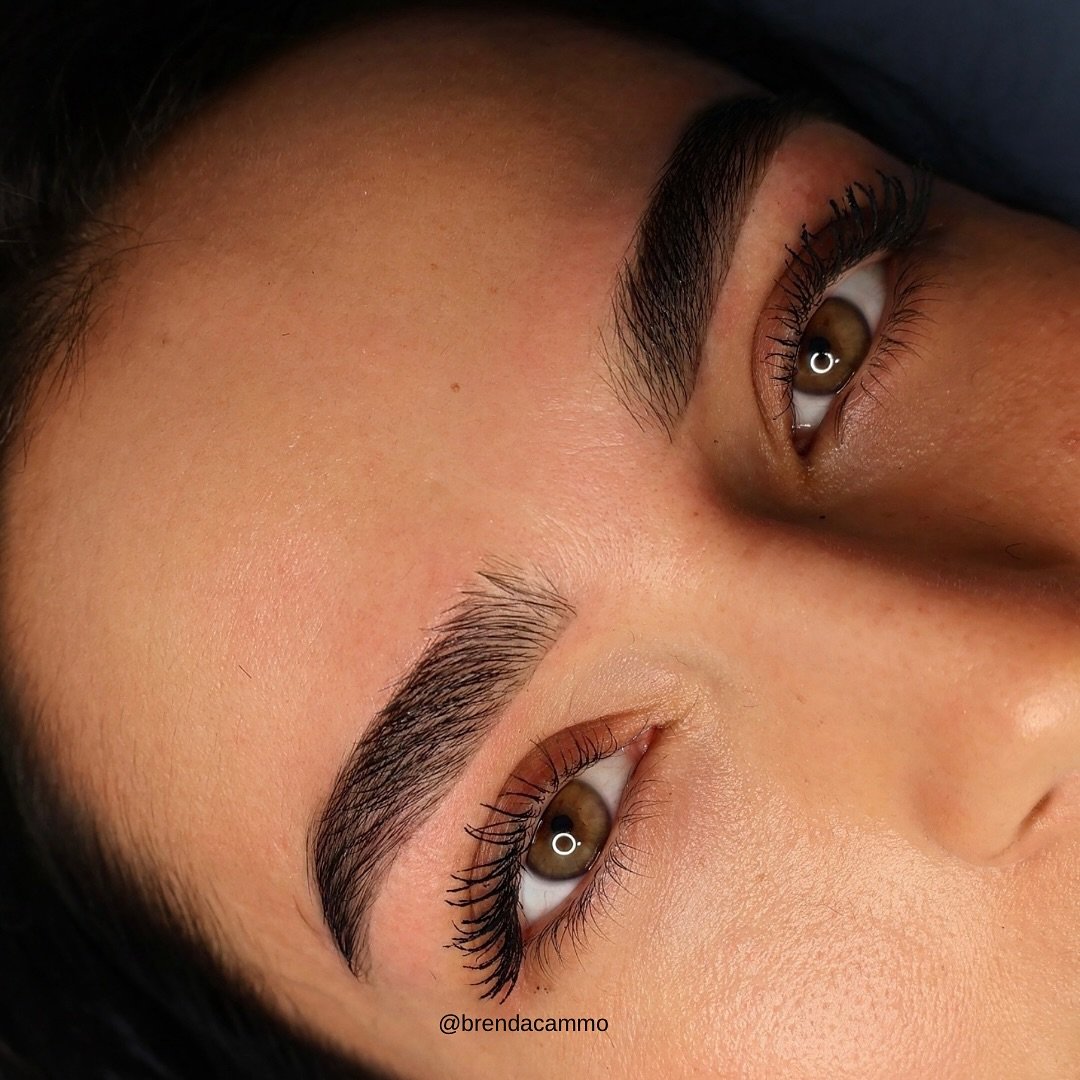
Although forehead and neck hairline grooming are not the same as brow shaping, the forehead and temple areas can affect how brows are perceived. A personalised eyebrow design considers the brow itself first, including its natural density, direction of growth, facial proportions and your preferred level of definition.
Once the brow shape is clear, any nearby tidying should remain secondary to that design. The goal is not to extend the brow service into unnecessary hair removal. It is to make sure surrounding details do not distract from a shape that has been created specifically for you.
This is especially important for clients with sparse brows, a high forehead, strong natural arches or visible asymmetry. Removing hair around the upper face without considering brow balance can make the overall result feel disconnected. A trained threading professional can assess the full frame of the face before making small adjustments.
How should you prepare for a hairline tidying appointment?
A little preparation helps your appointment begin smoothly and allows the professional to see your natural hair growth clearly.
- Let the area grow enough to assess. Avoid removing the hairs you want discussed immediately before your appointment.
- Arrive with clean skin where possible. Heavy makeup, oils or hair products near the forehead can make the area harder to assess.
- Share recent hair-removal methods. Mention if you have recently shaved, waxed, tweezed or used another method in the area.
- Point out sensitivity. Let the team know if the skin feels sore, looks irritated or is reacting to a product.
- Bring a reference thoughtfully. A photo can help explain your preference, but your own hairline should guide the final plan.
It is also helpful to plan the appointment around an important event. Even careful grooming can leave temporary visible redness or sensitivity for some people, particularly on the face. Giving yourself a little time before a major celebration, photoshoot or travel day is a sensible choice.
How do you keep the tidied area comfortable afterwards?
Aftercare should be simple and gentle. The exact advice may depend on the area treated and your skin condition on the day, so follow the guidance given at your appointment.
| Aftercare step | Why it helps |
|---|---|
| Keep hands away from the area | This reduces unnecessary friction after hair removal. |
| Use gentle skincare | Keeping the routine calm can be more comfortable for freshly groomed skin. |
| Avoid experimenting with new products immediately | It is easier to understand how your skin feels when the routine remains familiar. |
| Protect the area from strong sun exposure | Freshly groomed facial skin can benefit from thoughtful everyday sun care. |
| Ask if you are unsure | Personalised advice is more useful than guessing based on someone else’s experience. |
Do not judge the final look too quickly. Immediately after tidying, the area may appear more defined simply because the skin and hairs have been freshly worked on. Give the skin time to settle before deciding whether you would like any future adjustments.
How often should you tidy the forehead or neck hairline?
There is no single schedule that suits everyone. Hair growth speed, density, hairstyle and personal preference all matter. Some people only want a tidy before special events or holidays. Others like to maintain a regular grooming rhythm alongside brow shaping or haircut appointments.
A useful approach is to wait until you can see what genuinely bothers you again. If you book too frequently, you may lose sight of the natural hairline you are trying to preserve. Letting enough growth return also gives the professional a clearer view of the area at the next appointment.
For brow maintenance, many clients choose an interval based on their own growth pattern. Hairline details can be discussed in the same personalised way. The goal is a routine that feels manageable and looks natural, rather than a rigid timetable.
When should you ask for an assessment first?
It is worth asking questions before booking if you are unsure which service suits your needs, want hair removed from an area that is not part of your usual routine, or have concerns about sensitivity. A professional assessment can clarify what is realistic, what should be left untouched and whether a small refinement is likely to give the effect you want.
This is particularly valuable if you have previously over-plucked around the brows or hairline, are trying to grow certain areas back, or feel uncertain about where your natural hairline should sit. Clear communication protects you from making a rushed decision based on a temporary trend or a heavily edited photo.
Frequently asked questions
Can threading make my forehead hairline look lower?
Threading is best approached as careful tidying of suitable fine hairs, not as a way to redesign the position of your natural hairline. A professional can assess what small refinements may be appropriate, but should avoid creating an artificial or overly harsh line.
Is forehead hairline threading the same as eyebrow threading?
No. The technique may be similar, but the planning is different. Eyebrow threading focuses on brow shape, while forehead tidying requires attention to the natural hairline, hairstyle and wider facial balance.
Can I add hairline tidying to a brow appointment?
Ask when booking or speak to the team at the start of your appointment. The suitability of an additional area depends on the service, the time available and an assessment of the hair and skin on the day.
Does neck hairline tidying suit everyone?
Not necessarily. The best option depends on the hair’s texture and growth pattern, the exact location and your maintenance goals. A professional conversation is the right starting point.
Will my hairline be perfectly symmetrical afterwards?
Natural faces and hairlines are rarely perfectly symmetrical. The aim is usually visual balance and a clean finish, rather than identical lines on both sides.
What should I do if my skin is already irritated?
Let the studio know before the appointment. It may be better to postpone hair removal in an area that feels uncomfortable or visibly irritated, depending on the assessment.
A refined finish starts with restraint
Forehead and neck hairline tidying can make a meaningful difference precisely because it is subtle. When approached with care, it supports your brows, hairstyle and personal grooming routine without taking away the character of your natural features.
If you would like to discuss how threading and personalised brow design could help refine the facial details that matter to you, book an appointment at BeCammo in Sliema or Swieqi. Share your goal with the team, ask about the areas you would like assessed and choose a plan that feels right for your face and routine.