What a Nail Consultation Can Clarify for a Low-Maintenance Finish
Brenda Cammo Team
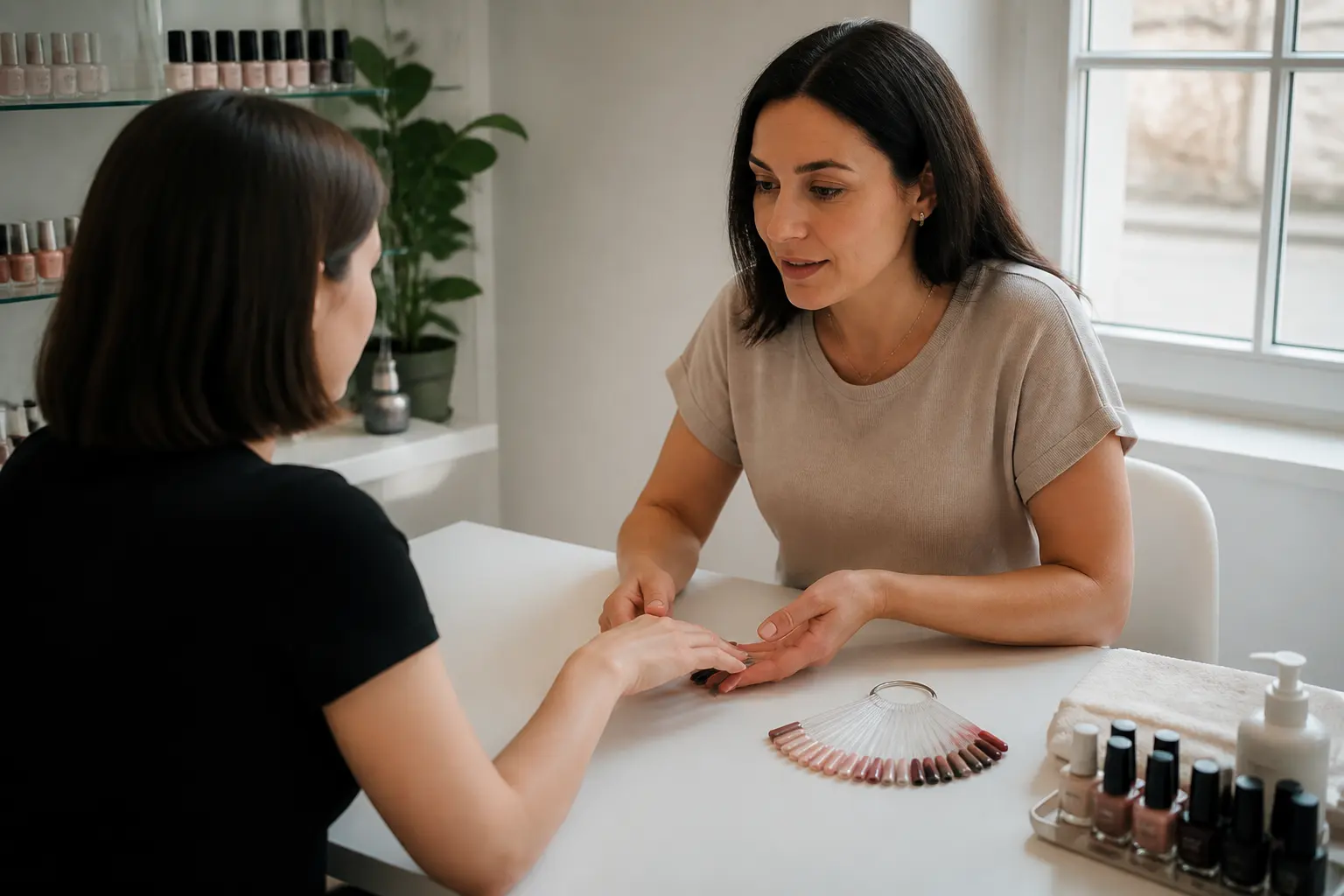
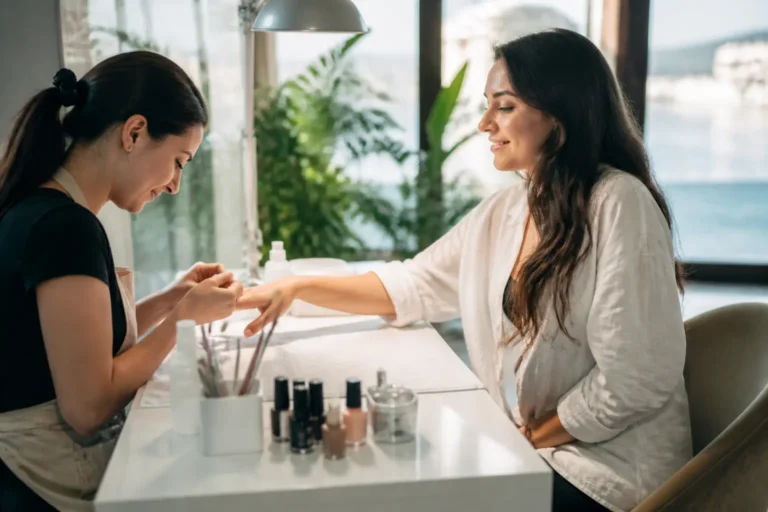
A low-maintenance nail finish is not simply the shortest appointment or the most neutral colour. It is a choice that should work with your natural nails, daily routine, preferred length and expectations for upkeep. A nail consultation gives you space to discuss those details before committing to a manicure, pedicure, gel finish, rubber base or nail art.
For many people, the aim is straightforward: nails that look polished and feel comfortable without requiring constant attention. The right approach is personal. Someone who works with their hands, travels often or prefers a very natural appearance may need something different from a person who enjoys colour but wants fewer salon visits.
At Becammo in Sliema, nail services include manicure and pedicure options, gel nails, rubber base, spa pedicure and nail art. A conversation before the service can help turn a broad request for “something easy” into a finish that genuinely fits your lifestyle.
Why “low maintenance” means different things to different people
The phrase low-maintenance nail finish is useful, but it can mean several things. For one client, it may mean a subtle shade where regrowth is less noticeable. For another, it means keeping the nails short enough for typing, childcare, sport or hands-on work. Someone else may want a stronger-looking base while keeping the overall result understated.
A good consultation starts by defining what you want less of. That might be:
- frequent colour changes;
- visible contrast as the nail grows;
- concern about catching or snagging longer nails;
- time spent choosing colours at each appointment;
- the need to adapt nails around work, travel or an event;
- a finish that feels too decorative for everyday life.
This is not about finding one universally “best” nail style. It is about creating a practical plan around your own priorities. A refined, simple finish can still feel considered, while a more detailed design can be right for someone who enjoys regular updates.
What a nail consultation can clarify
Your everyday routine
Your hands and feet have different demands depending on how you spend your days. Regular handwashing, household tasks, keyboard work, exercise, manual work and travel can all influence what feels manageable. Mentioning these habits allows the nail professional to discuss appropriate length, shape and finishing options in a realistic way.
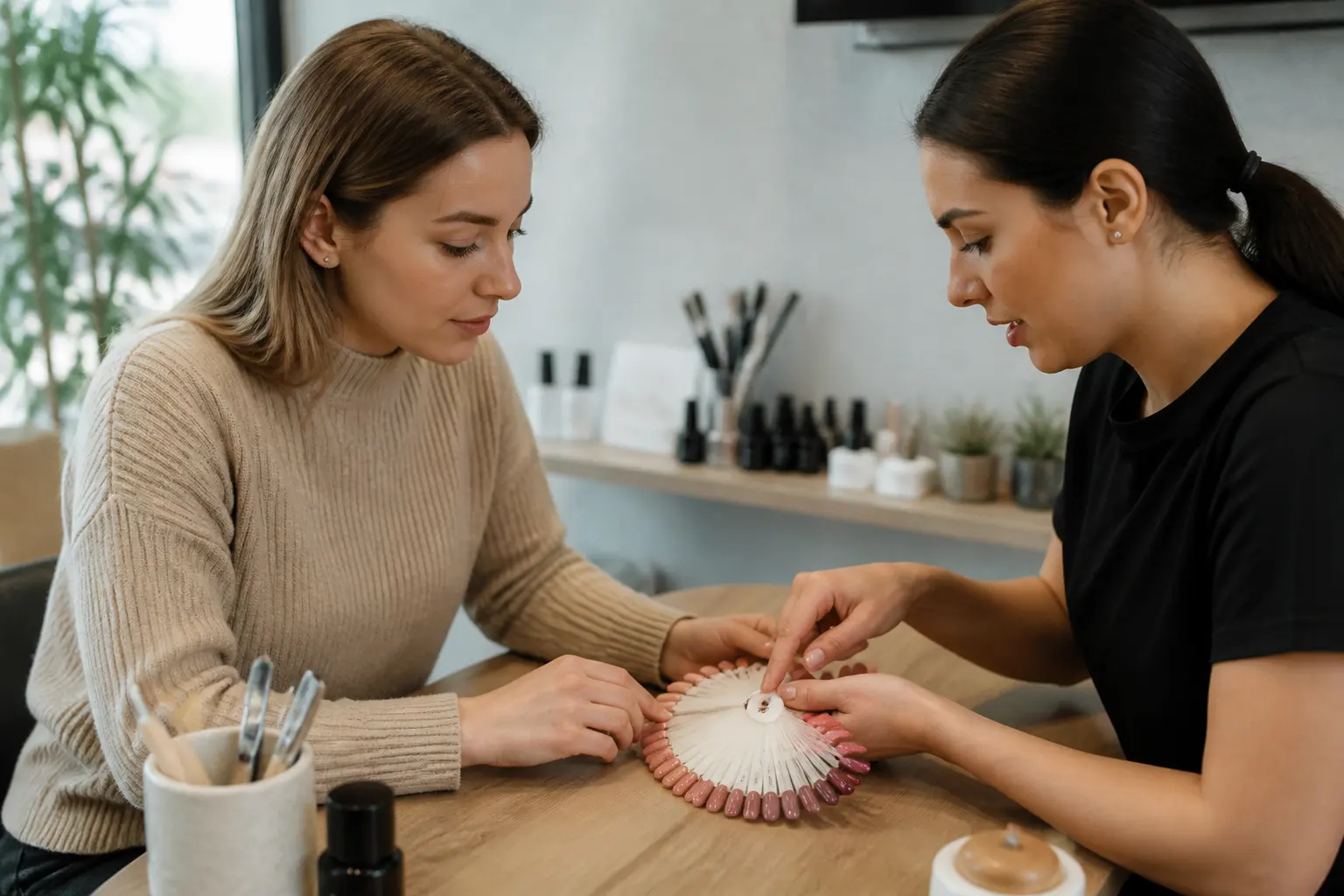
There is no need to arrive with perfect terminology. Saying, “I need something that will not get in the way at work,” or “I am going on holiday and do not want to think about my nails every day,” is a useful starting point.
Your preferred nail length and shape
Length is often one of the biggest factors in how easy nails feel to live with. Shorter nails can be practical for many routines, but “short” should still suit the natural nail shape and your comfort. A consultation helps establish whether you prefer a very neat, close shape or a little more length with soft edges.
Shape matters too. A shape that follows the natural line of the nail can look tidy and be easier to maintain than one requiring a dramatic change. The goal is not to follow a trend blindly; it is to choose a shape you can wear comfortably between appointments.
The look you want as nails grow
Natural nails continue to grow after a manicure. If your aim is a quieter upkeep routine, it is worth discussing how the design may look over time. Soft neutrals, sheer tones and subtle details are often considered when someone wants a less obvious transition as the nail grows. However, colour choice remains personal: a confident red, deep shade or clean classic finish may still be the right option if it makes you feel like yourself.
The consultation is a chance to be honest about what bothers you. If even a small amount of visible regrowth will feel untidy to you, say so. If you are happy to return for regular appointments but want a dependable, polished look, that is equally relevant.
Your natural nail condition
Before choosing a finish, it helps to look at the current condition of the nails. Do they feel flexible, dry, uneven or prone to breaking? Have you recently removed a previous product? Do you have a habit of picking at your nails or cuticles? These are practical points to share because they can influence which service and home-care habits are most suitable.
A consultation is also the appropriate time to mention sensitivities, allergies, discomfort, changes to the skin around the nails, or any concern you have noticed. A responsible professional can assess whether the planned cosmetic service is appropriate or whether it should be postponed. Nail appointments should never be used to diagnose a medical condition.
Choosing a finish with upkeep in mind
The most suitable option depends on the service available, your natural nails and the result you want. Rather than assuming one finish suits everyone, use the consultation to compare the practical qualities that matter to you.
Traditional manicure and pedicure
A traditional manicure or pedicure can be a good fit for someone who enjoys changing colour regularly or prefers a straightforward, natural approach. It may be particularly appealing when you are preparing for a short occasion, want tidy nails without a long-term commitment, or like the freedom to alter your look often.
Ask what preparation and aftercare will help you keep the finish looking neat. For a low-maintenance plan, the answer may be as simple as choosing a wearable length and a colour you will still enjoy after the first few days.
Gel nails
Gel nails may suit clients looking for a polished finish that can fit into a less frequent beauty routine. During the consultation, ask how the result will be maintained, when you should consider booking again and how to approach removal or a change of finish. Understanding the ongoing plan matters more than choosing a service based on appearance alone.
Be clear about your habits. If you tend to pick at edges or remove product yourself when it grows out, share that at the start. The professional can explain why careful maintenance and professional removal are important parts of looking after the natural nail.
Rubber base
Rubber base is a service worth discussing if you want a neat, natural-looking result while considering the feel and appearance of your own nails. Your nail professional can explain how it fits into the available menu and whether it aligns with the finish you have in mind.
Bring a reference image if you have one, but also explain what you like about it. Is it the milky tone, the short length, the clean surface or the minimal design? That distinction helps the consultation focus on a result that is wearable for you rather than a direct copy of someone else’s hands.
Nail art and understated detail
Nail art does not always mean a high-maintenance look. A small accent, fine line, gentle tonal contrast or limited detail can add personality while keeping the overall design calm. On the other hand, highly detailed artwork may be best for someone who enjoys a more expressive finish and plans appointments around maintaining it.
A consultation can help you decide where to place any detail so it works with your preferred colour palette, nail length and maintenance expectations. Showing examples is helpful, but it is equally valuable to tell the professional whether you want the effect to be barely noticeable or a clear focal point.
Questions to ask during your consultation
You do not need expert knowledge to have a useful nail consultation. A few clear questions can make the booking feel much more confident.
- Which option best suits the amount of upkeep I am comfortable with?
- What nail length and shape will feel practical for my routine?
- How will this colour or design look as my nails grow?
- When should I plan my next appointment if I want to keep this finish neat?
- What should I avoid doing at home to protect the result?
- Is there anything about my nails today that changes the recommended service?
These questions encourage an open discussion rather than a rushed decision. They also help set expectations: maintenance timing is individual, and the appearance of a finish can change according to nail growth, daily activities and how the nails are cared for between visits.
How to prepare for a nail appointment
A little preparation makes it easier to have a focused conversation. You do not need to remove all traces of polish unless you have been asked to, but it is helpful to tell the professional what is already on your nails and when it was applied.
- Save a small selection of inspiration images, including styles you do not like.
- Think about upcoming travel, work commitments, celebrations or activities that affect timing.
- Make a note of previous reactions, sensitivities or concerns around the nails and surrounding skin.
- Consider whether you want your hands, feet or both included in your regular care routine.
- Decide what matters most: a natural look, colour, short length, a particular shape or an occasional detail.
It is also helpful to arrive with realistic expectations. Natural nail growth differs from person to person, and no finish remains unchanged indefinitely. A well-chosen service and sensible aftercare can make upkeep feel simpler, but they do not remove the need for occasional maintenance.
Aftercare habits that support an easy routine
Low maintenance does not mean no care at all. Small habits can help keep nails comfortable and presentable between appointments. Use gloves for tasks that involve prolonged contact with water or household cleaning products, avoid using nails as tools, and resist the temptation to peel or pick at product.
Keep an eye on changes that feel unusual or uncomfortable. If you have a question about your finish, contact the salon rather than trying to correct it at home. This is especially important if you are considering removal or if a nail has lifted, broken or become uncomfortable.
The most practical nail plan is one you can follow comfortably. A consultation helps align the finish with your real routine, not an idealised version of it.
Finding your practical signature finish
A signature nail look can save time and make future appointments easier. It does not have to be identical every visit. You may settle on a familiar length and shape, then vary the shade subtly with the season or occasion. Or you may prefer a consistent colour and add small details only when you have an event planned.
For example, a client who works at a keyboard all day may choose short, softly shaped nails and a discreet finish that complements their wardrobe. A frequent traveller might prioritise a tidy look that feels right from departure to return. Someone booking a spa pedicure may prefer a colour that works easily with open footwear but remains versatile for everyday life.
These are not rules. They illustrate why a consultation is valuable: the professional can turn broad preferences into choices that make sense for your hands, feet and schedule.
Conclusion
Choosing a low-maintenance nail finish is easier when you know what you want the result to do for you. A nail consultation can clarify your preferred length, colour, shape, level of detail and realistic maintenance routine, while giving you an opportunity to raise any concerns before the service begins.
If you are looking for nail care in Sliema, book a suitable nail appointment and use the time to discuss a finish that feels polished, personal and practical for everyday life.
Frequently asked questions
What should I say at a nail consultation if I do not know what I want?
Start with your routine and preferences. Explain how often you want to maintain your nails, whether you prefer short or longer nails, and which looks feel too bold or impractical. Reference images can help, but they are not essential.
Can I ask for a low-maintenance nail finish with colour?
Yes. Low maintenance does not have to mean colourless. Discuss shades you enjoy wearing and how noticeable you want nail growth to be. The best choice depends on your personal taste and how often you plan to return.
Is nail art suitable for a practical everyday manicure?
It can be. Minimal accents and understated details may work well for an everyday look. During the consultation, explain how subtle you want the result to be and how much maintenance you are happy with.
How often will I need to maintain my nails?
Timing varies according to the chosen service, natural nail growth, daily activities and the condition of the finish. Ask your nail professional for guidance tailored to your chosen option and current nails.
Should I remove old product before my appointment?
It is best to check when booking. In all cases, let the salon know what is currently on your nails so the appointment can be planned appropriately.