How Regular Handwashing Can Shape Your Choice of Nail Finish
Brenda Cammo Team
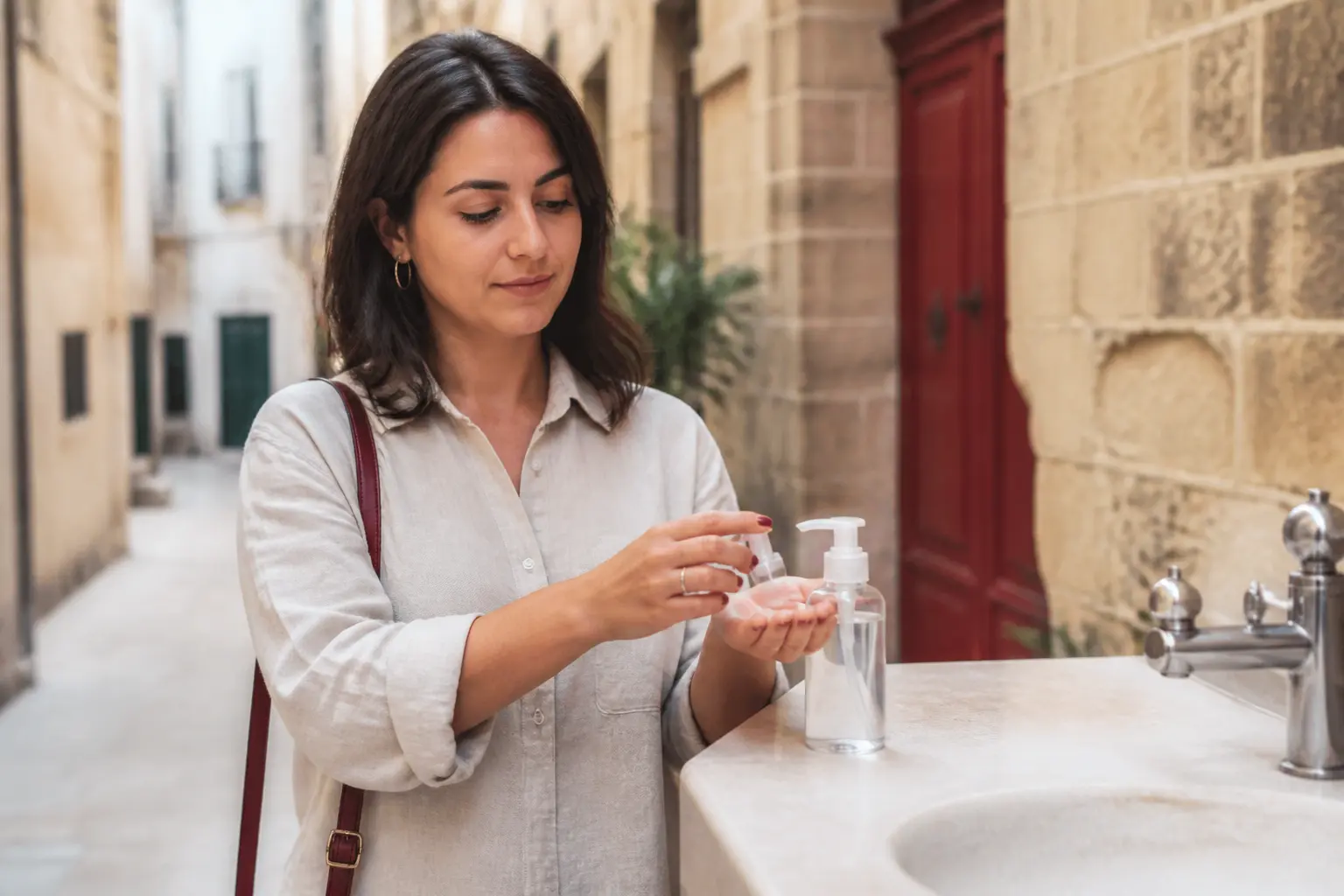
Regular handwashing is an essential part of everyday hygiene, whether you work with the public, prepare food, care for children, travel often or simply prefer to keep your hands fresh throughout the day. It can also change what you need from a manicure. Water, soap, hand sanitiser, towels and repeated drying can leave the skin around the nails feeling dry and can make any finish look worn sooner at the edges.
This does not mean you should wash your hands less often. Good hand hygiene remains important, and the CDC’s handwashing guidance recommends cleaning all areas of the hands, including around and under the nails, then drying them properly. Instead, it means choosing a nail finish with your routine in mind and building a realistic aftercare plan around it.
The best nail finish for frequent handwashing is not exactly the same for everyone. Your natural nail condition, preferred length, work tasks, budget, time for appointments and the look you enjoy all matter. Here is how to make a more informed choice.
Why frequent handwashing matters for a manicure
A nail finish sits alongside the natural nail and the surrounding skin. When hands are repeatedly exposed to water and cleansing products, the practical challenge is not just the manicure itself. The cuticles and fingertips can become dry, and the finish may be more likely to show dullness, lifting, chips or wear at the free edge if it is put under constant friction.
Handwashing is only one part of the picture. Daily habits often create the biggest difference, including washing dishes without gloves, opening packaging with nails, cleaning surfaces, typing, gym sessions and using strong household products. Even a carefully applied finish will have to cope with the way your hands are used between appointments.
Dermatologists at the American Academy of Dermatology note that frequent washing may contribute to dry, flaky or cracked skin, and recommend applying hand cream or ointment after washing, including around the fingertips and nails. For manicure longevity, that habit is often as valuable as the finish you select.
Start with your routine, not a trend
Before choosing a colour or finish, think through an ordinary week. A glossy manicure seen in a photo may suit your style, but the most satisfying choice is one you can maintain comfortably.
Questions to ask before booking
- How many times a day do I wash or sanitise my hands?
- Do I regularly handle water, cleaning products, food, paper, tools or packaging?
- Do I prefer a short, neat nail or a longer shape?
- Am I happy to return for regular maintenance?
- Are my nails currently flexible, peeling, dry or prone to breaking?
- Do I want a subtle finish that disguises regrowth, or a bold colour that makes every chip noticeable?
There is no need to label a finish as universally “stronger” or “better”. The more useful question is whether it matches your priorities. Someone who washes their hands frequently but keeps short nails may be happy with a simple manicure and regular polish. Someone who wants a polished look for several weeks may prefer a gel-based option or rubber base, provided it is applied and removed professionally and maintained at the right time.
Comparing nail finish options for frequent handwashing
Each option has a different balance of flexibility, maintenance and appearance. A nail professional can assess the condition and length of your natural nails before recommending the most suitable service.
| Nail finish | May suit you if | What to consider with frequent washing |
|---|---|---|
| Regular polish | You enjoy changing colours often or prefer a straightforward manicure. | It can be a flexible choice, but chips may become visible sooner when hands are used heavily. |
| Gel polish | You want a smooth, glossy colour with a more long-wearing routine. | Good preparation, careful edge sealing and professional removal matter. Avoid picking at any lifted areas. |
| Rubber base | You would like a more structured-looking finish over your natural nails. | It may be worth discussing if your nails feel flexible, but suitability depends on nail condition and aftercare. |
| Natural or sheer finish | You want a low-maintenance look. | Small signs of growth and minor wear are often less obvious than with deep or highly opaque shades. |
| Short nail shape | Your day involves regular practical tasks. | Shorter nails are less likely to catch on objects and can make thorough cleaning around the nails easier. |
Regular polish: simple, flexible and easy to refresh
A traditional manicure with regular polish can be an excellent choice when you enjoy variety, prefer a more natural feel or do not want to commit to a longer-lasting finish. It also makes sense if your work or lifestyle means you may need to remove colour at short notice.
For people who wash their hands often, the main consideration is visible wear. Repeated contact with water and rubbing a towel across the fingertips can make the free edge look tired sooner, particularly with darker colours. That does not make regular polish the wrong choice; it simply means a shorter nail length, a well-applied top coat and timely touch-ups can be helpful.
Consider shades that are forgiving between appointments: soft pinks, milky nudes, warm neutrals and fine shimmer finishes tend to make minor wear less noticeable than a very dark, flat colour. If you love a bright or deep shade, choose it because it makes you happy, not because you expect it to look untouched indefinitely.
Gel polish: useful when you want a polished routine
Gel polish can suit clients who want consistent colour and shine without changing polish every few days. It is often chosen for its neat appearance and can be especially practical for holidays, events or busy periods when you would rather not manage regular touch-ups.
With a handwashing-heavy routine, application and removal are just as important as the finish itself. If the product begins lifting at an edge, avoid pulling or peeling it away. This can take layers from the natural nail and leave it feeling rougher or weaker-looking. Book a professional removal or maintenance appointment instead.
Be realistic about the purpose of gel polish. It is a cosmetic finish, not a shield that makes nails immune to water, impact or daily wear. Gloves for washing-up and household cleaning still matter, and moisturising the hands remains part of keeping the overall result neat.
Rubber base: when structure is part of the conversation
Rubber base is commonly considered by clients who want a smoother, more structured manicure over their natural nails. It can be a helpful topic to raise when nails feel flexible or when you want a refined look without adding length. However, it should never be selected purely because it is popular online.
A nail professional should look at the current condition of your nails, your preferred length and how you use your hands. If you frequently work with water, it is particularly important to report any lifting early rather than trying to repair it at home. The aim is a comfortable, tidy finish that supports your routine, not a thicker result for its own sake.
Colour and shape choices that make everyday wear easier
The finish is not only about the product. Nail length, shape and colour can make frequent handwashing feel easier to manage.
Choose a practical length
Short to medium-short nails are often the most practical option when you wash your hands regularly. They are easier to keep clean around the free edge, less likely to catch while dressing or using a phone, and tend to experience less leverage during everyday tasks. A short squoval or soft rounded shape can give a polished look while keeping the corners less exposed.
Match colour to maintenance expectations
Sheer, nude and neutral finishes can be ideal when you want a manicure that grows out quietly. French-inspired details can also look elegant, though the crisp edge may require more attention if your nails are exposed to frequent friction. Bold reds, blacks, cobalt blues and bright seasonal shades make a statement, but they can reveal chips more quickly. Neither option is wrong: choose according to the level of maintenance you are comfortable with.
Keep embellishment purposeful
Detailed nail art, raised decorations and heavily textured finishes can be beautiful for special occasions. For a routine involving repeated washing and practical work, a smoother design is often easier to care for. A minimal accent nail, fine line or subtle chrome effect can give personality without turning every handwash into a concern.
Protect the skin around the nails without compromising hygiene
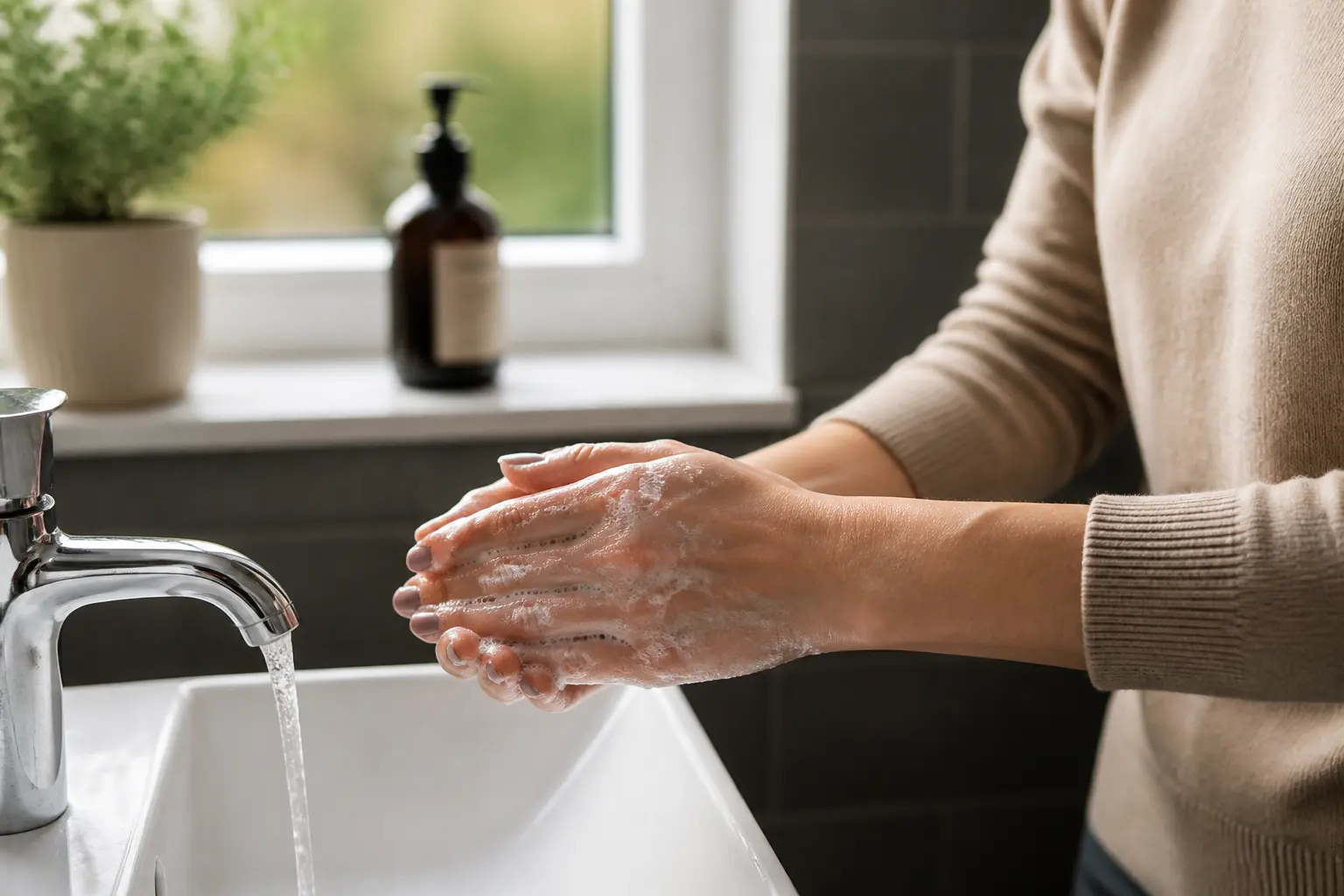
Do not skip handwashing to preserve your manicure. Instead, adjust the care that follows it. Wash with soap and clean running water when needed, clean around the nails, and dry hands thoroughly. The CDC notes that germs can spread more easily from wet hands, so proper drying is part of the process.
After washing, apply hand cream while the skin is still slightly damp where practical. Give extra attention to cuticles, fingertips and the sides of the nails. At night, a richer hand cream or cuticle oil can be a simple addition to your routine. If your hands are often in water or exposed to cleaning products, wear suitable protective gloves for those tasks.
Also avoid using very hot water simply because it feels more cleansing. The CDC notes that warmer water may cause more skin irritation, while warm and cold water remove similar numbers of germs when used with soap. Comfortable water temperature, thorough washing and careful drying are a sensible combination.
A practical routine for handwashing-heavy days
- Keep nails at a length that suits your work and home tasks.
- Wash hands thoroughly when appropriate, including around and under the nails.
- Pat or dry hands carefully rather than leaving moisture around the fingertips.
- Use hand cream after washing when possible, working it around the cuticle area.
- Wear gloves for washing-up, cleaning and prolonged contact with detergents.
- Do not use your nails as tools for opening, scraping or lifting objects.
- Book maintenance or removal when the finish has grown out or starts lifting.
When to pause and ask for professional advice
A manicure should feel comfortable. If you notice persistent irritation around the nail area, substantial peeling, pain, discolouration or a change that concerns you, pause cosmetic services and seek appropriate advice from a qualified healthcare professional. A nail appointment can then be planned with the condition of your natural nails and skin in mind.
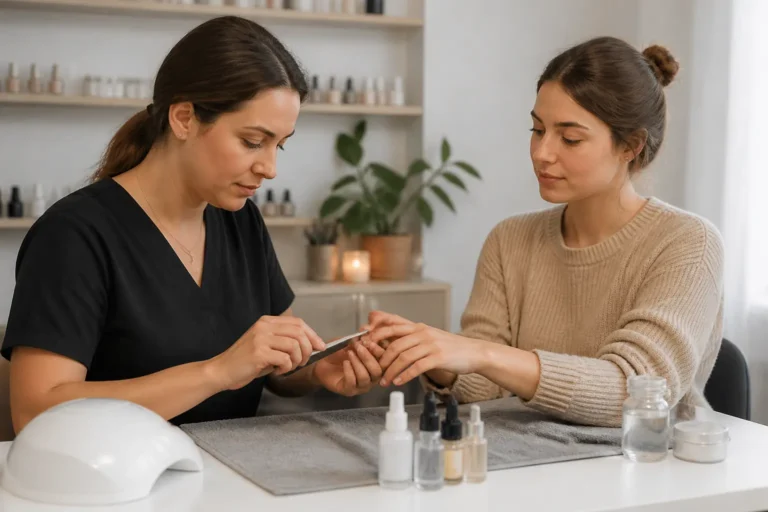
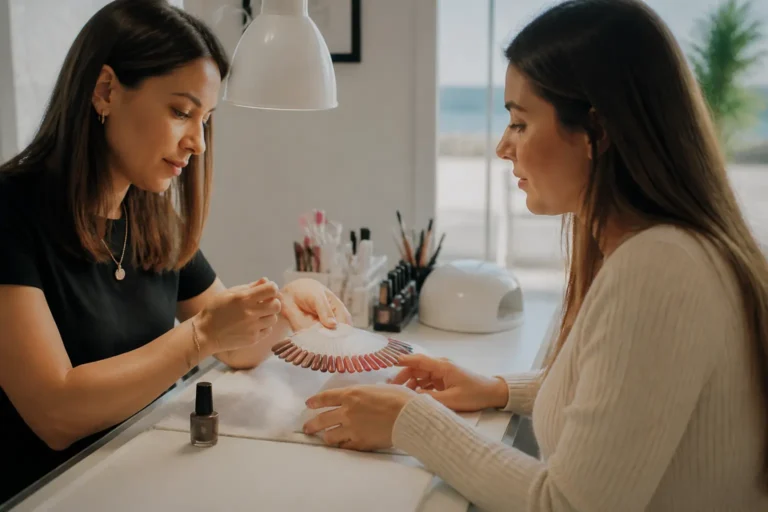
For everyday cosmetic questions, a professional nail technician can help you decide whether a regular manicure, gel polish or rubber base is the most sensible next step. It is always better to share your real routine, including frequent handwashing, than to choose solely from a photo.
Conclusion
Regular handwashing does not mean giving up on beautiful nails. It simply encourages a more practical approach: a manageable length, a finish that fits your maintenance preferences, moisturising after washing and proper protection for household tasks. Choose the look you enjoy, but give it the support it needs in real life.
If you are looking for a nail service in Malta, a consultation at the Becammo Sliema location can help you choose a manicure approach that feels polished, practical and suited to your routine.
Frequently asked questions
Does frequent handwashing ruin gel nails?
Frequent washing can contribute to everyday wear around the edges, especially when combined with towel friction, cleaning products and practical tasks. A careful application, suitable nail length, gloves for household cleaning and professional maintenance can help you look after the finish.
Which nail colour is best if I wash my hands a lot?
Sheer pinks, nudes and neutral shades are often easier to maintain because minor wear and regrowth can be less noticeable. Choose a bolder shade if you love it, but expect that chips may be more visible.
Can I use cuticle oil after washing my hands?
Yes. Once hands are clean and dry, cuticle oil or hand cream can help care for the skin around the nails. Use it as part of your aftercare routine, particularly after repeated washing.
Should I choose short nails for a job that involves handwashing?
Shorter nails are often a practical choice. They can be easier to keep clean, are less likely to catch during daily tasks and can work well with regular polish, gel polish or rubber base depending on your preferences.
Is rubber base suitable for nails that get wet often?
It may be suitable for some clients, particularly those seeking a more structured natural-nail finish, but the right choice depends on your nail condition, length and routine. A professional assessment is the best way to decide.