Microblading for Alopecia: Rebuilding Brows Stroke by Stroke
Brenda Cammo Team
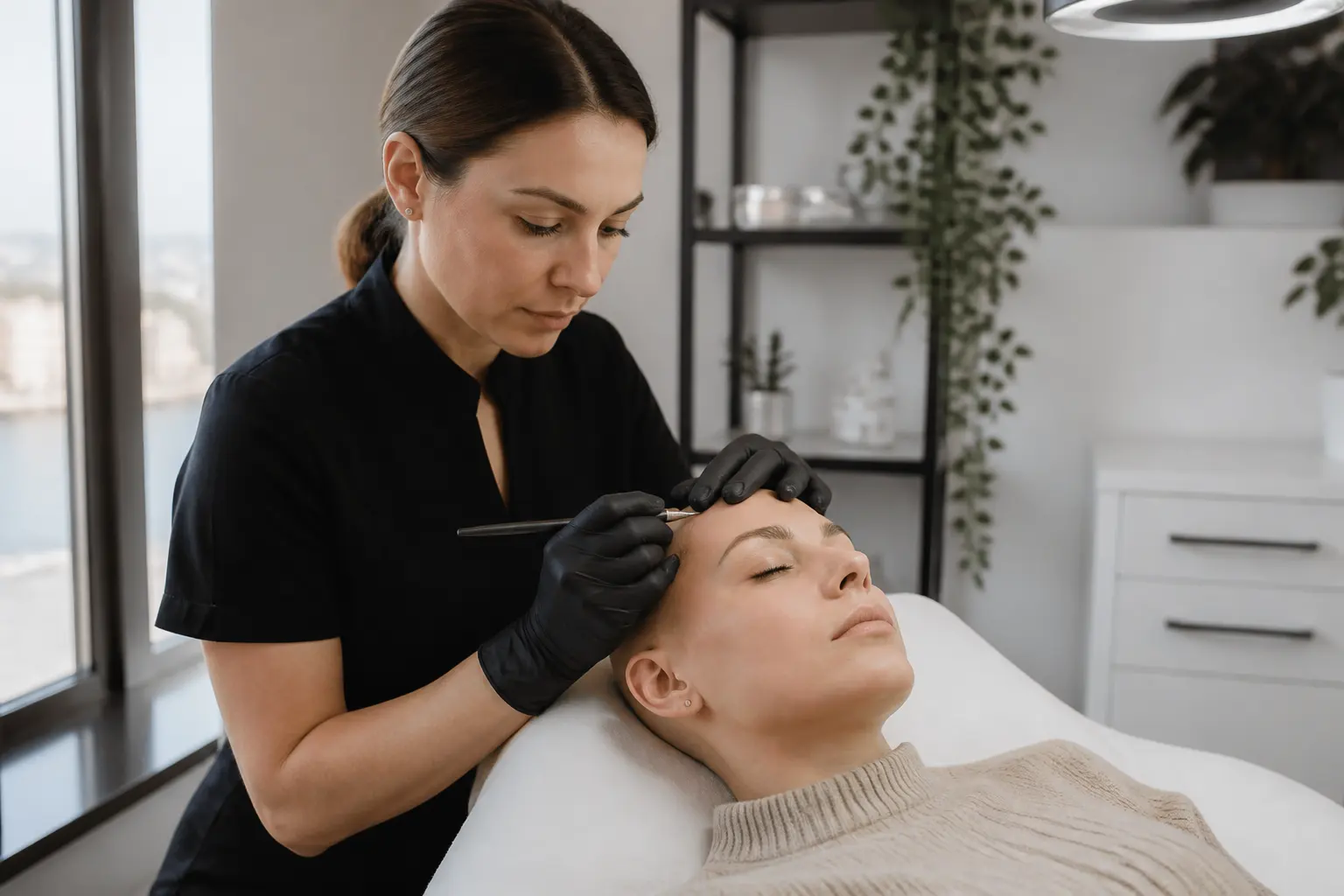
Eyebrow hair loss can change the way a face feels to you. Whether the loss is linked to alopecia, a period of shedding, over-plucking in the past or another cause, drawing brows in every morning can become tiring and emotionally draining. Microblading may offer a way to create the appearance of soft, hair-like eyebrow strokes, but it is important to approach the decision with care, realistic expectations and a proper professional consultation.
For people living with alopecia or noticeable brow thinning, microblading is not a solution for the underlying cause of hair loss. It is a semi-permanent cosmetic procedure designed to add visual definition where natural hairs are sparse or absent. The aim is not to recreate someone else’s brows. It is to design brows that sit naturally with your features, skin tone, facial movement and personal style.
At a professional studio, the conversation starts well before any pigment is placed. Your brow area, skin condition, existing hair pattern and desired finish all matter. If you are in Malta and thinking about this option, taking time for a semi-permanent consultation can help you decide whether microblading is appropriate now, or whether waiting is the more sensible choice.
What does microblading do for eyebrow hair loss?
Microblading is a form of semi-permanent eyebrow pigmentation. Fine, hair-like marks are created with pigment to give the visual impression of individual brow hairs. When planned carefully, these strokes can add structure to sparse areas, extend a shortened tail, soften an uneven outline or create the look of brows where little natural hair remains.
This can be particularly meaningful when eyebrow loss has left the face feeling less familiar. Rather than relying on a heavy block of colour, a stroke-based design can create a lighter and more textured effect. The level of definition should always be tailored to the individual. Someone with a few remaining hairs may prefer a design that blends around them, while someone with more complete loss may want a fuller mapped shape with carefully spaced strokes.
The American Academy of Dermatology notes that semi-permanent eyebrow tattooing, including microblading, can be considered by people with alopecia who want the appearance of natural-looking brows. It also advises speaking with a dermatologist first, which is especially relevant if hair loss is new, changing or connected to an active skin condition. American Academy of Dermatology guidance on alopecia areata
Alopecia and hair loss are not all the same
It is easy to use “alopecia” as a catch-all term for hair loss, but the reason, pattern and timing can vary widely. Some people have patchy loss, some notice gradual thinning, and others may lose most or all brow hair. The skin around the brows can also look and feel different from one person to the next.
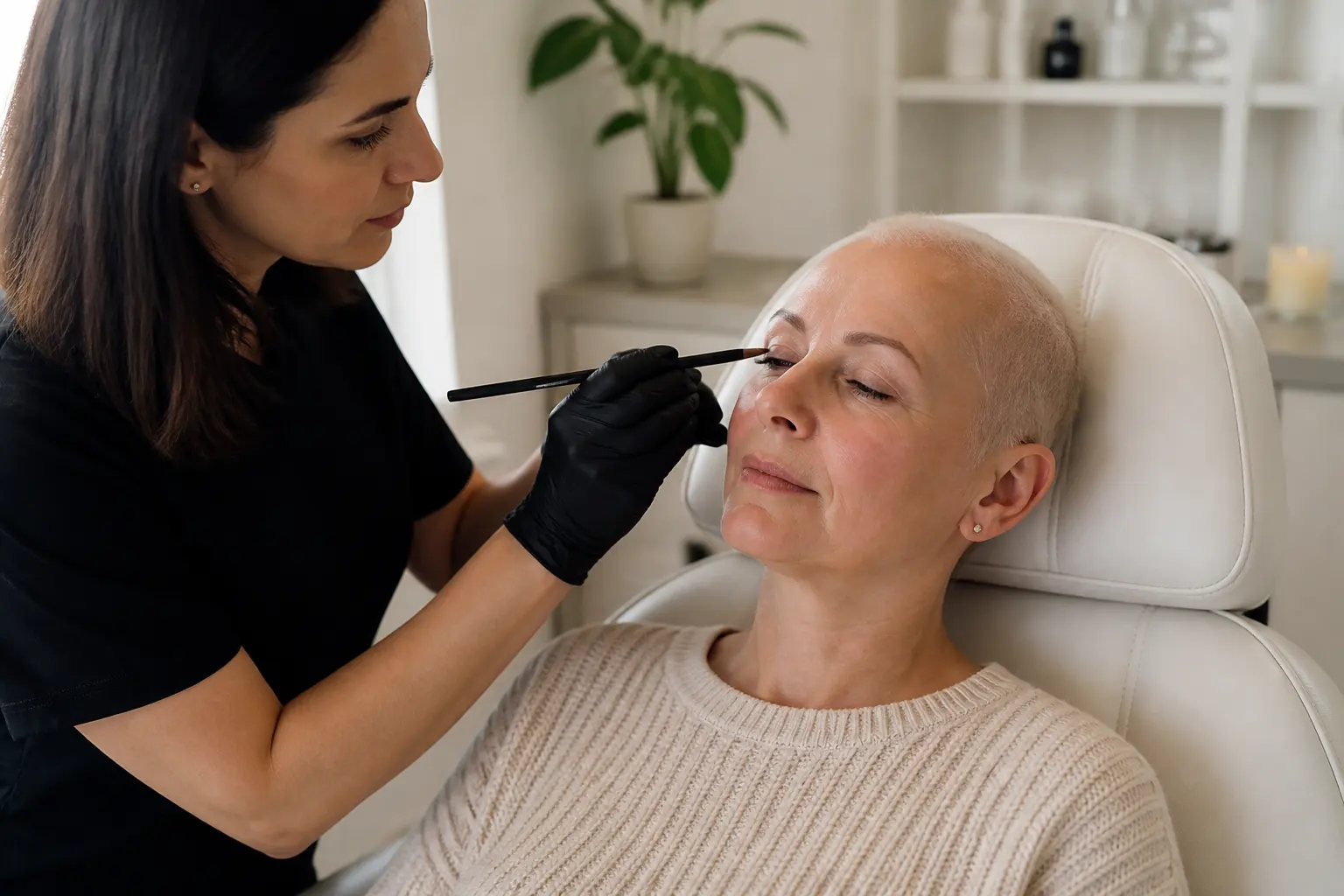
That matters because microblading works on the skin, not on the hair follicle. It does not encourage brow regrowth, stop shedding or diagnose why hair has changed. Its role is cosmetic camouflage: creating a considered brow shape and the visual suggestion of hair.
If brow hair loss has appeared suddenly, is progressing quickly, comes with irritation, scaling, pain or changes elsewhere on the body, it is sensible to speak with a GP or dermatologist before booking a cosmetic procedure. A clinician can help assess the cause of the hair loss and advise whether the skin is suitable for microblading at that time.
When microblading may be worth considering
Microblading may be an option when the brow area is calm, intact and suitable for a semi-permanent procedure, and when you understand that the result is cosmetic rather than medical. It can appeal to people who want more continuity in their appearance without needing to apply brow makeup every day.
You may be looking for a soft everyday structure
For some clients, the priority is simply knowing where their brows begin, arch and end. A mapped design can bring proportion back to the face without creating an overly dramatic result. This is useful if you have enough natural hair to give context but not enough density to feel comfortable without makeup.
You have little or no visible brow hair
Where there is extensive loss, design becomes even more important. The artist cannot follow a dense natural pattern, so brow placement, thickness, direction and colour need to be planned thoughtfully. The goal is a believable effect that complements your face, rather than an identical copy of brows seen online.
You want a less makeup-dependent routine
Microblading can reduce the daily effort of sketching in brow hairs with pencil or powder. However, it should not be chosen on the assumption that it will look the same forever. Pigment softens over time, skin changes and personal preferences evolve. Maintenance planning is part of making a confident decision.
When it may be better to wait
There are situations where pausing is the responsible choice. A good consultation should never feel like pressure to proceed. It should give you space to understand what is possible and what needs further consideration.
- Active irritation in the brow area: Skin that is inflamed, broken, sore, flaky or otherwise unsettled needs attention before a cosmetic pigmentation procedure.
- New or unexplained eyebrow loss: Seek medical advice first, particularly if the change has been sudden or is continuing.
- An alopecia flare or changing pattern: If the condition is currently shifting, waiting may make it easier to plan a design around a more stable situation.
- Uncertainty about the look you want: Semi-permanent brows deserve more thought than a quick trend-led decision. A consultation is the right place to test your preferences and ask direct questions.
- A history of reactions: Tell your artist about allergies, skin sensitivities, previous pigment reactions and relevant medication or health information during the assessment.
Permanent makeup and microblading involve breaking the skin barrier, so hygiene, appropriate materials and professional standards are essential. The FDA’s permanent makeup safety information highlights risks including infection and adverse reactions, as well as the importance of clean equipment and safe practice. This is one reason an honest health discussion and documented hygiene procedures should never be treated as optional extras.
How a professional brow consultation should work
A consultation for semi-permanent brows is a decision-making appointment. It is your opportunity to discuss what you hope the procedure will change, what concerns you have and whether a stroke-based technique suits the condition of your skin and brows.
At Becammo, the approach should be personal rather than formulaic. Brows are assessed in relation to facial features, existing hair where present, natural asymmetry and the finish you feel comfortable wearing. Brenda Cammo’s experience designing brows for European, American, Canadian, African, Arab and Latin clients supports a personalised approach rather than imposing one narrow brow template.
During a useful consultation, you should be able to discuss:
- The history of your eyebrow hair loss and whether it is currently stable.
- Your existing brow routine, including pencils, powders or tinted products.
- Whether you want an airy, subtle effect or a more defined everyday brow.
- How your skin behaves, including sensitivity, oiliness and any current irritation.
- Whether you have old eyebrow pigment that could affect a new design.
- The likely role of a touch-up and the fact that pigment retention varies from person to person.
- Aftercare expectations and how to plan around work, travel, exercise and social commitments.
This conversation is also the time to ask whether microblading is the best option for you. In some cases, another semi-permanent brow style may be more suitable, especially when a softer shaded effect is preferred or when skin characteristics make ultra-fine strokes less predictable. There is no benefit in forcing a microblading result when a different route better fits your skin and goals.
Designing hair-like strokes without pretending they are real hair
The phrase “stroke by stroke” describes the visual approach, not a promise that pigment will behave exactly like natural hair. A skilled design uses varied direction, spacing and placement to avoid a stamped-on appearance. The front of the brow may be kept lighter, while the body and tail provide enough structure to frame the face.
For someone with alopecia, it can be tempting to request very dense strokes immediately. Yet a more measured design often looks more convincing in daylight and photographs better as it softens. The right density depends on your features and on how much definition you naturally enjoy wearing.
Colour is equally important. The pigment should be selected to harmonise with your skin tone, hair colour if you have scalp hair, and the overall level of contrast in your face. It should not simply match the darkest hair you can see. A consultation allows time to consider colour carefully, especially if hair colour may change due to dye, greying or regrowth.
What results and maintenance realistically involve
Microblading is semi-permanent, which means it is expected to soften rather than remain unchanged indefinitely. How it heals and fades varies with skin, lifestyle, aftercare and individual pigment retention. A touch-up may be part of the process, and later maintenance may be needed to refresh definition as the colour fades.
This variability is particularly important for people with eyebrow hair loss. If natural hairs return or the pattern of loss changes, the relationship between the pigment and the hairs may change too. That does not automatically mean microblading was the wrong choice, but it is a reason to choose a flexible, natural-looking design and to avoid overly rigid expectations.
Immediately after the appointment, brows may appear stronger or more defined than the healed result. Healing is a process, not the final judgement of the treatment. Following aftercare instructions carefully helps you support the area while it settles. If you have any unexpected reaction or concern, contact the studio promptly and seek medical advice where appropriate.
Questions to ask before booking
Choosing microblading after hair loss can feel deeply personal. Bringing a few questions to your consultation can make the decision clearer.
- Is my brow skin currently suitable for semi-permanent pigmentation?
- Should I speak with my GP or dermatologist before proceeding?
- Would fine strokes, shading or a combination approach best suit my skin and desired look?
- How will the proposed shape work if some natural hair returns later?
- What hygiene, assessment and aftercare practices are followed at the studio?
- What should I realistically expect during healing and in the months afterwards?
A professional should answer these questions calmly and clearly. You should leave with more understanding, not with pressure to make an immediate choice.
Microblading for alopecia: a personal decision, supported by good planning
For some people with alopecia or eyebrow hair loss, microblading can be a meaningful way to restore the appearance of balanced, expressive brows. It can offer a practical alternative to daily makeup and help you feel more like yourself in routine moments. But it works best when it is treated as a cosmetic design decision, supported by an honest assessment of your skin, your hair-loss journey and your expectations.
If you are considering microblading in Malta, book a semi-permanent consultation at Becammo in Sliema or Swieqi. It is the right setting to discuss your brow history, ask questions and decide whether a personalised design is appropriate for you.
Frequently asked questions
Can you have microblading if you have alopecia?
Possibly, but suitability depends on the condition of your brow skin, whether the hair loss is active or changing, your medical context and your cosmetic goals. It is wise to speak with a dermatologist first if the loss is new, unexplained or accompanied by skin symptoms.
Does microblading make eyebrow hair grow back?
No. Microblading is a cosmetic pigmentation procedure. It creates the appearance of brow hairs with fine strokes, but it does not treat the cause of hair loss or stimulate follicles to regrow hair.
Will microblading look natural with no eyebrow hair?
It can be designed to look soft and balanced, but the result depends on careful mapping, colour choice, stroke placement and your skin. When there is no natural hair to blend with, thoughtful design is especially important.
Is a consultation necessary before microblading for brow hair loss?
Yes. A consultation provides time to review skin suitability, discuss the history of your eyebrow loss, consider whether medical input is appropriate and agree on a realistic brow design before committing to the procedure.
How long does microblading last for someone with alopecia?
There is no single timetable. Semi-permanent pigment fades gradually, and retention varies with skin, lifestyle, aftercare and individual factors. Your artist can explain the role of touch-ups and future maintenance during your consultation.