Massage Pressure Levels: How to Ask for What You Need
Brenda Cammo Team
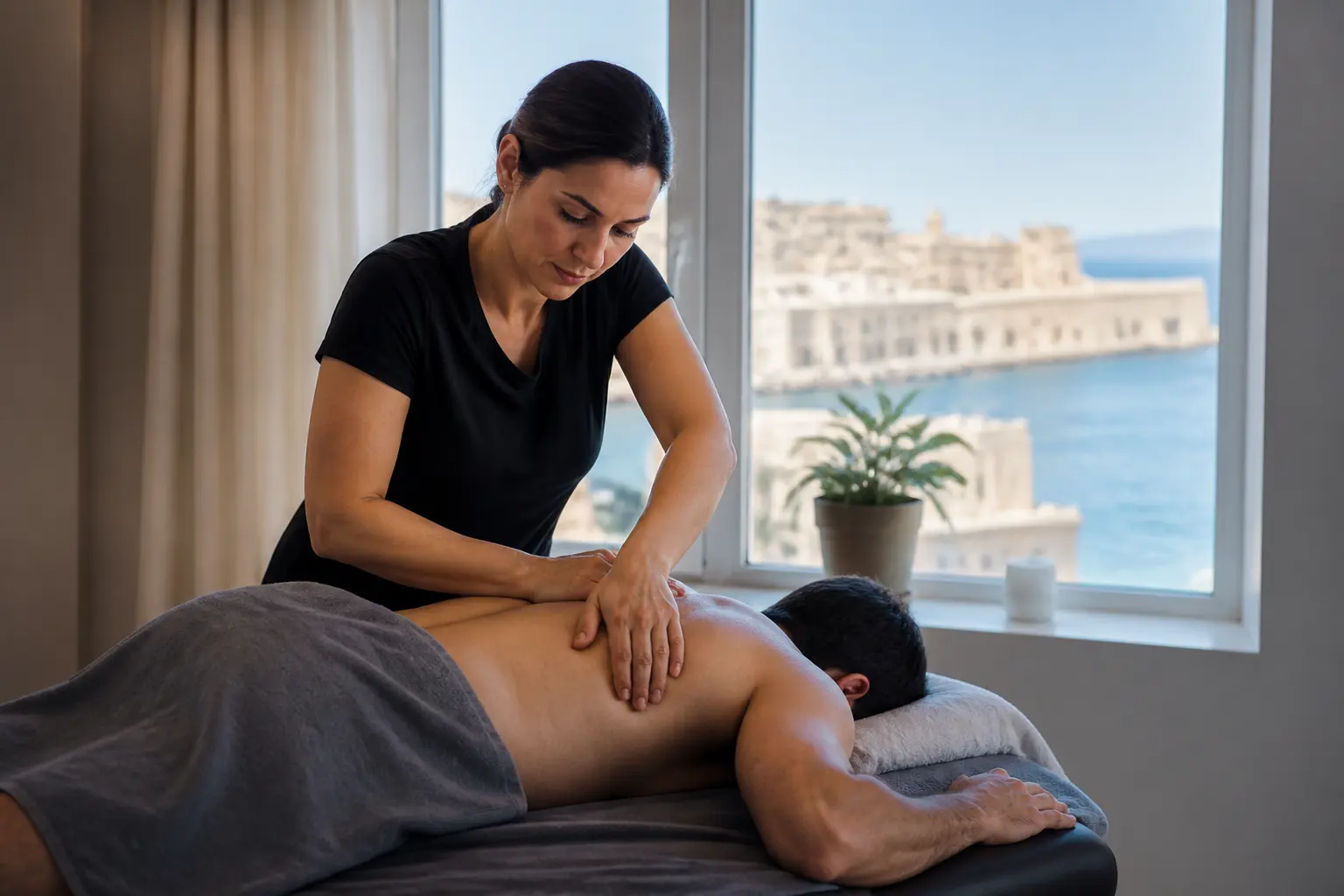
Choosing a massage is not only about picking a treatment from a menu. It is also about feeling able to say what your body needs on the day. For some people, that means light, calming touch. For others, it means firmer work around areas that feel especially tense. The most useful starting point is simple: massage pressure should feel purposeful and manageable, not like something you have to endure quietly.
Many clients worry about sounding fussy, especially at a first appointment. In reality, clear feedback helps a therapist adapt the session to you. Pressure preferences can change from one person to another, and even from one week to the next, depending on sleep, exercise, stress, sensitivity and how your body feels that day.
This guide explains the usual massage pressure levels, the words that make feedback easier, and how to communicate without guessing or apologising.
What do massage pressure levels mean?
Pressure is the amount of force a therapist uses while working across an area of the body. It is often described as light, medium or firm, although those labels are not identical for everyone. A light pressure that feels soothing to one person may feel too ticklish or too subtle to another. Likewise, firm pressure should not automatically mean painful pressure.
A professional conversation about pressure is more helpful when it focuses on sensation rather than trying to choose the “right” level. You may prefer gentle work on your shoulders but slightly more pressure through your upper back. You may also find that one side of your body is more sensitive than the other. These are useful details, not inconveniences.
Light pressure
Light pressure is usually slow, gentle and surface-level. People may choose it when they want to unwind, when they feel generally sensitive, or when they are new to massage and unsure how their body will respond.
You might describe your preference by saying:
- “I would like a very relaxing, gentle massage.”
- “Please keep the pressure light, particularly around my shoulders.”
- “I am quite sensitive today, so I would prefer softer pressure.”
Light does not mean ineffective. It may be the most comfortable option when the aim is to take a pause, settle into the session and avoid feeling overwhelmed by intense touch.
Medium pressure
Medium pressure is often a balanced option. It can feel more substantial than a gentle touch without becoming overly intense. Some people find it a good starting point because it leaves room to increase or reduce pressure as the session progresses.
If you are unsure where to begin, try a phrase such as:
- “Medium pressure is usually comfortable for me, but I will let you know if I need changes.”
- “Could we start at a medium level and adjust as we go?”
- “I like some pressure, but I do not want it to feel sharp or too intense.”
This gives the therapist a clear direction while allowing your comfort to lead the conversation.
Firm pressure
Firm pressure is stronger and may feel more focused, particularly in areas that feel tight or overworked. It is sometimes requested after demanding physical routines or long days at a desk. However, firmer does not mean you should brace yourself, stop breathing normally or feel unable to relax.
It can help to be specific rather than simply asking for “deep” or “hard” pressure. For example:
- “I enjoy firmer pressure across my upper back, but please be gentler near my neck.”
- “You can use more pressure on my shoulders, as long as it stays comfortable.”
- “That level is good, but please do not go any stronger.”
When pressure crosses into pain, your body may tense in response. That makes it harder to settle into the appointment and can make the overall experience less comfortable. Feedback at that point is important, not impolite.
How should massage pressure feel?
There is no single sensation that suits every person, but a helpful rule is that you should be able to breathe normally and remain relaxed enough to communicate. Some moments can feel more intense than others, especially when a therapist spends time on a tight area. Still, intensity should not become a test of resilience.
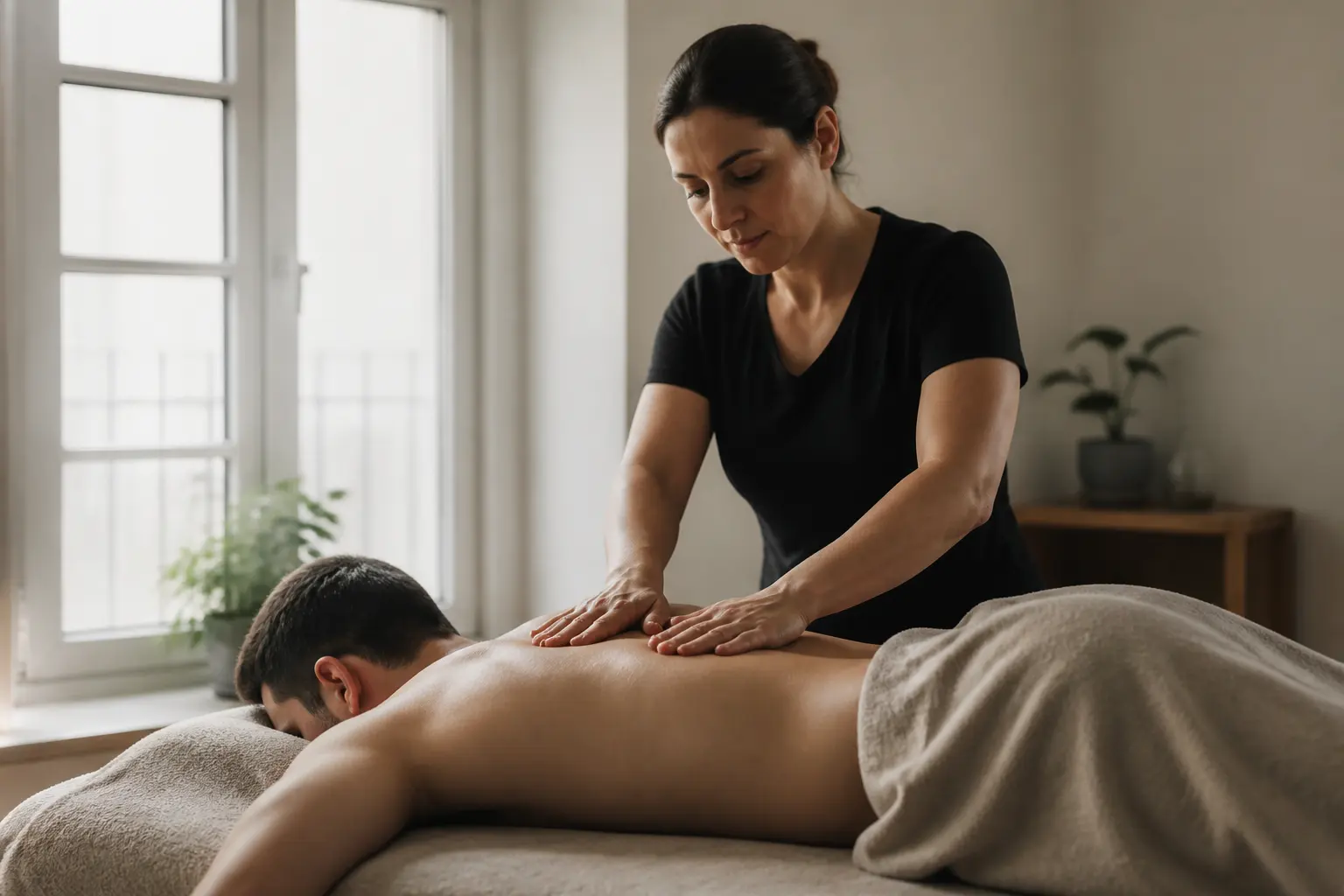
Consider asking for an adjustment if you notice that you are holding your breath, clenching your jaw, lifting your shoulders, pulling away, or mentally counting down until the movement ends. Those are practical signs that the pressure may not be right for you.
It is also reasonable to distinguish between “strong but welcome” and “too much”. The first may feel like focused contact that you can tolerate comfortably. The second may feel sharp, pinching, burning, alarming or impossible to relax through. Simple language is enough to explain the difference.
“That feels a little too intense for me. Could you reduce the pressure slightly?”
A good appointment has room for this kind of adjustment throughout, not only at the beginning.
What to say before the massage begins
The consultation before a session is the best time to share the basics. You do not need technical vocabulary. Think about what you enjoyed or disliked in past appointments, where you tend to hold tension, and whether anything feels particularly sensitive on that day.
You could mention:
- Your usual preference, such as light, medium or firm pressure.
- Areas you would like the therapist to spend more or less time on.
- Areas you would rather avoid.
- Whether you are feeling tired, stressed, sore or particularly sensitive.
- Any relevant health information that the therapist asks about.
Being precise saves you from trying to endure an approach that does not suit you. “My shoulders feel tense” is useful. “I want lots of pressure everywhere” is less clear, because your shoulders, calves, neck and lower back may all respond differently.
A simple script for first-time clients
If it is your first massage, you can say: “I have not had many massages, so I would like to start gently. Please check in with me, and I will tell you if I would like more or less pressure.”
This sets an open, collaborative tone. It also removes the pressure to know exactly what you want before you have experienced the first few minutes of the session.
A simple script for people who like firmer pressure
Try: “I generally prefer firm pressure across my shoulders and upper back, but I would like you to ease off immediately if I say it is too much.”
This gives consent for a stronger approach in certain areas without suggesting that all discomfort is welcome.
How to speak up during the session
You do not have to wait for the therapist to ask before giving feedback. A brief comment is normally all that is needed. The earlier you say something, the easier it is to make a small adjustment before discomfort builds.
Useful phrases include:
- “Could you go a little lighter there, please?”
- “That pressure is perfect.”
- “A little more pressure on this side would be lovely.”
- “Could we avoid that area today?”
- “I am feeling a bit tender there. Please move on.”
- “Could you use the same pressure as you did on the other shoulder?”
You can also communicate in smaller increments. Rather than asking for a dramatic change, ask for “slightly lighter” or “a touch firmer”. This is often easier for both you and the therapist to judge.
Remember that silence is not always interpreted as comfort. A therapist may check in, but they cannot fully know your experience without your input. Clear communication is part of personalising the service.
Why your preference may change from one appointment to another
It is common to have a favourite pressure level and still need something different on a particular day. A long flight, a new workout routine, poor sleep, work stress or simply feeling run down can change what feels comfortable.
Try to assess your needs just before the appointment. Ask yourself whether you want to feel soothed, refreshed, less tense, or simply given a quiet hour away from a busy schedule. Your answer can guide the conversation more effectively than choosing a pressure level by habit.
For example, someone who usually requests firm pressure may prefer a lighter approach after a tiring week. Equally, someone who normally prefers a gentle massage may want more focused work around the upper back after hours at a laptop. Neither choice is inconsistent. It is personalised care.
Pressure is only one part of a comfortable experience
Good communication goes beyond pressure. You can also mention room temperature, music volume, whether you prefer quiet, and if you would like the therapist to check in regularly. These details can make an appointment feel more considered and help you settle into it.
At any professional beauty or wellness appointment, comfort should be discussed openly. The same principle applies when you book a facial or another service: tell the practitioner about sensitivity, your usual routine, your priorities and any concerns you have. It helps create an experience that is better suited to you rather than a one-size-fits-all approach.
When to pause and ask for professional advice
If you have an injury, unexplained pain, recent surgery, a skin concern, are pregnant, or have a health condition that could affect whether massage is suitable, it is sensible to seek appropriate advice before booking. Share relevant information during the consultation too. A responsible therapist can then advise whether the session can be adapted or whether you should postpone it.
Do not try to push through a sensation that worries you. Massage is not the right setting for diagnosing pain, and persistent or concerning symptoms deserve advice from a qualified healthcare professional.
Choosing care that suits your current needs
A massage may be one way to make time for yourself, but it is not the only form of professional self-care. If your priority is your facial skin, a consultation-led facial can provide a different kind of reset. At Becammo, facial appointments are approached with attention to your skin, preferences and routine, so you can discuss what feels appropriate for you before the service begins.
Whether you are booking body-focused relaxation elsewhere or planning skin-focused care at a beauty studio, the key message remains the same: you do not need to stay quiet to be an easy client. Your feedback is useful. Say what feels good, mention what does not, and allow your appointment to be tailored around your comfort.
Frequently asked questions
Is it rude to ask for less pressure during a massage?
No. Asking for less pressure is normal and helpful. A therapist needs your feedback to make the session comfortable and personalised.
Should a firm massage be painful?
Firm pressure can feel intense, but you should not feel that you have to tolerate sharp or alarming pain. Ask for an adjustment if the sensation feels too strong.
What if I do not know which pressure level I prefer?
Ask to begin with medium or light-to-medium pressure and adjust from there. You can also ask the therapist to check in during the first part of the session.
Can I ask for different pressure on different areas?
Yes. It is common to prefer more pressure through one area, such as the upper back, and less around more sensitive areas such as the neck.
What should I tell a beauty therapist before a facial?
Share your skin concerns, current skincare routine, sensitivity and the result you are hoping for. This helps the therapist guide the appointment responsibly and personalise the experience.
If you are looking for professional facial care in Malta, book at the Becammo location that is most convenient for you in Sliema or Swieqi, and use your consultation time to ask questions about your skin and comfort preferences.