There is no single timetable, but for recent or particularly disruptive tightness a common starting point is weekly or fortnightly sessions for a limited period, reviewed after two to four visits. For manageable tightness that keeps returning, every three to four weeks often works as maintenance. Keep the plan flexible, combine it with gradual movement and pacing, and seek medical advice for new, severe or unexplained symptoms.
When muscle tightness keeps returning, a single massage can feel wonderful, but it may not be enough to change the pattern that leaves your neck, shoulders, back or legs feeling tense week after week. The useful question is not simply, “How often should I get a massage?”, but “What frequency fits my symptoms, routine and response to treatment?”
There is no one timetable that suits everybody. Tightness can be linked to long hours at a desk, training, travel, stress, repetitive work, poor sleep, a recent increase in activity or an underlying health issue. Massage can be a supportive part of managing everyday muscular tension, particularly when it is combined with sensible movement, rest and pacing. It should not be used to delay a medical assessment for new, severe or unexplained symptoms.
At a professional studio, the aim is to understand what feels tight, how long it has been happening and what you want from the session. From there, you can choose a starting rhythm and review it based on how your body responds, rather than committing to an arbitrary schedule.
What does chronic muscle tightness mean?
People often use “chronic tightness” to describe muscles that feel constantly stiff, heavy, sore or difficult to relax. It may be local, such as tension across the shoulders, or it may return after the same daily trigger, such as sitting, driving, lifting, standing for long periods or training.
It is important not to assume that every persistent tight feeling is simply a knot that needs stronger pressure. Pain and tension can be complex, and long-lasting symptoms may have more than one contributor. The National Center for Complementary and Integrative Health notes that massage may help some people manage certain painful conditions, but benefits can be short term and safety depends on the individual’s health and circumstances.
That is why a good massage plan is flexible. It takes account of your daily load, recovery, comfort during the treatment and whether you are able to move more easily between appointments.
How often should you book a massage?
For ongoing, non-urgent muscular tightness, a common practical starting point is a short series of appointments, followed by a review. This allows you and your therapist to see whether massage is genuinely supporting your comfort and routine, rather than judging everything by the first session.
If the tightness is recent or particularly disruptive
Consider booking weekly or every two weeks for a limited starting period, if that feels appropriate for you and you have no reason to avoid massage. This can be useful when tension has built up during an intense work period, a change in training routine, long travel days or a stressful season. The purpose is not to chase discomfort with endless appointments. It is to create enough consistency to notice patterns and decide whether the treatment is helpful.
After two to four visits, pause and assess. Are you sleeping more comfortably? Does your range of movement feel easier? Are you recovering better after a working day? Or does the relief disappear immediately and the same symptoms are escalating? Your answers matter more than a fixed calendar rule.
If tightness is manageable but keeps returning
Many people find that a massage every three to four weeks fits well as maintenance. This can suit regular desk work, active lifestyles, frequent travel or periods when stress tends to settle physically in the shoulders, jaw, hips or back.
A monthly rhythm also gives you time to practise the habits that support the session, such as regular walks, gradual strengthening, gentle mobility work and breaks from one position. Massage becomes one useful reset in a wider routine, rather than the only strategy.
If you are training or doing physically demanding work
Your ideal frequency may change around heavier weeks. A person preparing for an event, working long shifts on their feet or managing repeated lifting may prefer an appointment before or after a demanding period, depending on their comfort and recovery needs.
Tell the therapist about your activity, recent soreness and any upcoming plans. Deep pressure is not automatically better, especially if you are already fatigued. A session should be adapted to how you feel on the day, with the goal of leaving you comfortable enough to return to normal activity sensibly.
If you are already feeling well
You do not need frequent massage simply because someone else books it that way. An occasional session may be enough if you mainly want relaxation, a quiet pause or help unwinding after a busy period. The right frequency is one that feels useful, affordable and sustainable, not excessive.
At BeCammo · Sliema
Massage in Sliema
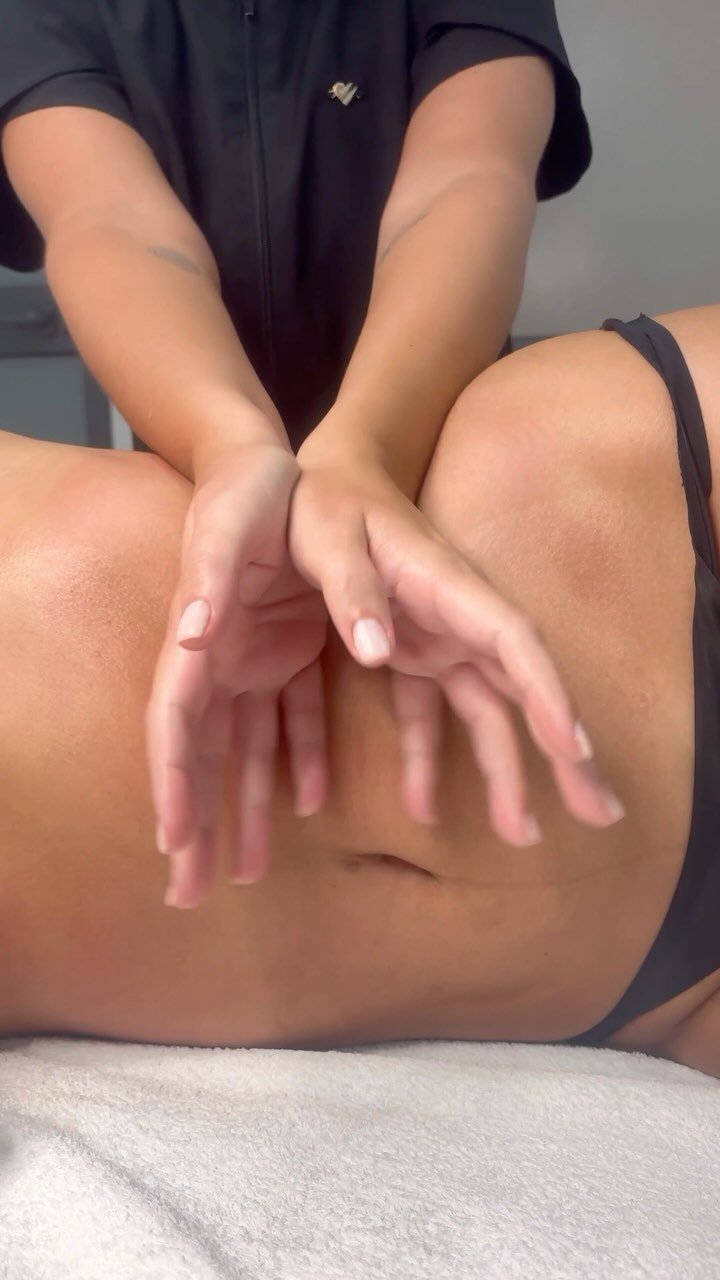
Abdomen, before and after massage. Results vary from one person to another and are temporary.
Lymphatic drainage and sculpting power massage at BeCammo Sliema.
- from €50price
- Sliemawhere
- ★ 5.0460+ Google reviews
Why can consistency matter more than intensity?
When tightness has been present for months, one very intense session is rarely the answer. Strong pressure can be uncomfortable, and feeling bruised or unable to move easily afterwards is not a sign that a massage has worked better.
Professional massage should be collaborative. You should be able to say when pressure feels too much, when an area is sensitive or when you would prefer the session to focus elsewhere. The therapist can adjust technique and pressure throughout.
Research on massage and pain does not support dramatic promises. Evidence suggests it may offer short-term help for some neck and shoulder pain, while results vary between people and conditions. The NCCIH overview of massage therapy also highlights that research quality and long-term findings are mixed for several pain concerns. In practical terms, this means a measured plan, clear communication and regular review are more responsible than promising to “release” every source of tightness in one appointment.
How do you choose your starting schedule?
Use these four questions before deciding how often to book.
- How long has it been happening? Tightness after a demanding week is different from discomfort that has been present for several months.
- How much does it affect daily life? Consider sleep, desk work, exercise, driving, mood and the activities you enjoy.
- What seems to trigger it? Notice whether it follows a long shift, a workout, a flight, poor sleep, stress or a particular task.
- What changes after a session? Keep a simple note for 24 to 72 hours. Record comfort, mobility, sleep, activity and any soreness.
For example, someone who feels shoulder tension after every workday might begin with two fortnightly sessions and add regular screen breaks. If they notice a meaningful improvement, they could move to a monthly maintenance appointment. Someone whose back tightness is worsening, travels down both legs or comes with numbness should seek clinical advice instead of relying on a massage schedule.
How do you build massage into a supportive routine?
Massage tends to be most useful when the rest of your week does not repeatedly recreate the same overload. You do not need a perfect wellness routine. Small, repeatable changes can be more realistic.
Break up long periods in one position
If you work at a laptop or spend hours driving, change position regularly. A short walk, a few comfortable shoulder movements or standing to refill water can interrupt the feeling of being locked into one posture. There is no need to force a rigid “perfect posture”. Variety and regular movement are often more practical goals.
Use pacing instead of boom-and-bust activity
Persistent discomfort can tempt people to do too much on a good day and then rest completely when symptoms flare. NHS pain-management resources describe pacing as balancing activity and rest, breaking tasks into manageable parts and building up gradually. This can help you avoid the boom-and-bust cycle that makes daily life feel less predictable. Cambridge University Hospitals explains pacing for pain management in a clear, practical way.
Choose movement you can repeat
For many people, gentle walking, mobility work or a gradual return to strength training is more helpful than an intense plan that is abandoned after a few days. The NHS advises that becoming more active gradually is unlikely to cause harm for most people, and activity can help with stiff, tense muscles and joints. Read the NHS guidance on easing pain for general self-management ideas.
Protect recovery time
Sleep, hydration, regular meals and manageable stress do not remove every source of tightness, but they can affect how recovered you feel. If massage is your only moment of rest in an otherwise overloaded week, it may be worth considering where you can create smaller recovery moments between visits.
What should you expect at a professional massage appointment?
A professional appointment should begin with a conversation. You can explain where you feel tightness, whether it is constant or activity-related, what makes it better or worse, and whether you have any relevant health conditions, injuries, medication or recent procedures.
Your therapist should use this information to tailor the session and tell you if massage may not be appropriate that day. During the massage, speak up about pressure and comfort. The goal is not to endure pain. It is to have a treatment that is appropriate to your needs and leaves you feeling cared for.
Afterwards, you may feel relaxed or mildly tender, particularly if you have not had massage recently or your muscles were already sensitive. Give yourself a little time before a demanding workout or physically intense task if possible. Keep moving gently as comfortable, rather than assuming you must remain completely still.
When is massage not the first step?
Do not book massage as a substitute for medical advice when symptoms are new, severe, unexplained or getting worse quickly. Speak with a qualified healthcare professional first if you have a significant injury, fever or feel generally unwell, unexplained weight loss, a history of cancer, a condition affecting circulation, or you are unsure whether massage is suitable during pregnancy or alongside a medical condition.
Seek urgent medical help for symptoms such as sudden severe back pain, rapidly worsening weakness, numbness around the genitals or anus, or new bladder or bowel changes. These are among the warning signs listed in NHS back pain guidance. A hot, red, swollen and tender calf, especially without a clear injury, also needs prompt medical assessment. If that is accompanied by chest pain or shortness of breath, seek emergency help immediately. NHS guidance on swelling explains why these symptoms should not be ignored.
Massage can sit alongside appropriate healthcare, movement and self-management, but it cannot diagnose the cause of persistent symptoms.
How do you know whether your massage frequency is helping?
Review your plan after a few appointments rather than booking on autopilot. Helpful signs may include feeling more comfortable through the day, finding it easier to return to usual activity, noticing less tension after familiar triggers or feeling better able to relax and sleep. These changes do not need to be dramatic to matter.
Consider reducing, changing or pausing your massage routine if every session leaves you significantly more sore, if there is no practical benefit after a reasonable trial, or if the symptoms are progressing. A different approach, such as clinical assessment or physiotherapy, may be more suitable.
For many clients, the most realistic long-term answer is a personalised rhythm: slightly closer together during a demanding period, then less frequent once the body feels more settled. A professional conversation is the best place to start.
Conclusion
For chronic muscle tightness, massage frequency that actually helps is rarely about booking as often as possible. Start with your symptoms, daily routine and recovery needs. A brief series of weekly or fortnightly sessions may suit a more disruptive phase, while every three to four weeks may work better for ongoing maintenance. Keep the plan flexible, combine it with gradual movement and pacing, and seek medical advice for warning signs or persistent unexplained symptoms.
If you are in Malta and would like to discuss a massage appointment for everyday muscular tension, choose the service and location that suit you at BeCammo in Sliema or Swieqi. Share what you have been experiencing, so the session can be approached with care and realistic expectations.
Frequently asked questions
Is a weekly massage too often for muscle tightness?
Not necessarily. A weekly appointment can be a reasonable short-term starting point for some people with disruptive, non-urgent tightness. It should be reviewed after a few sessions, based on how you feel and whether it supports your daily life.
How long should I try massage before deciding whether it helps?
Consider reviewing after two to four appointments. Look beyond how you feel immediately afterwards. Notice whether there is a useful change in comfort, movement, sleep or ability to manage normal activities between sessions.
Should massage be painful to work on tight muscles?
No. Some areas can be tender, but you should not feel that you have to tolerate excessive pressure. Tell your therapist straight away if the pressure feels sharp, overwhelming or uncomfortable.
Can massage fix chronic muscle tightness on its own?
Massage may be a helpful supportive tool, but persistent tightness often benefits from a broader routine that includes appropriate movement, pacing, recovery and, where needed, clinical assessment. It is not a replacement for diagnosis or medical care.
Can I exercise after a massage?
It depends on how you feel and the type of activity. Gentle movement is often comfortable, but you may prefer to avoid a very intense workout immediately after a session, particularly if your muscles feel tender. Ask your therapist if you have a specific event or training plan.
When should I see a doctor instead of booking a massage?
Seek medical advice for new, severe, unexplained or worsening symptoms, especially after injury or when accompanied by fever, significant swelling, numbness, weakness, chest pain, breathlessness, or bladder and bowel changes.