How to Regrow Over-Plucked Eyebrows Into a Balanced Shape
Brenda Cammo Team
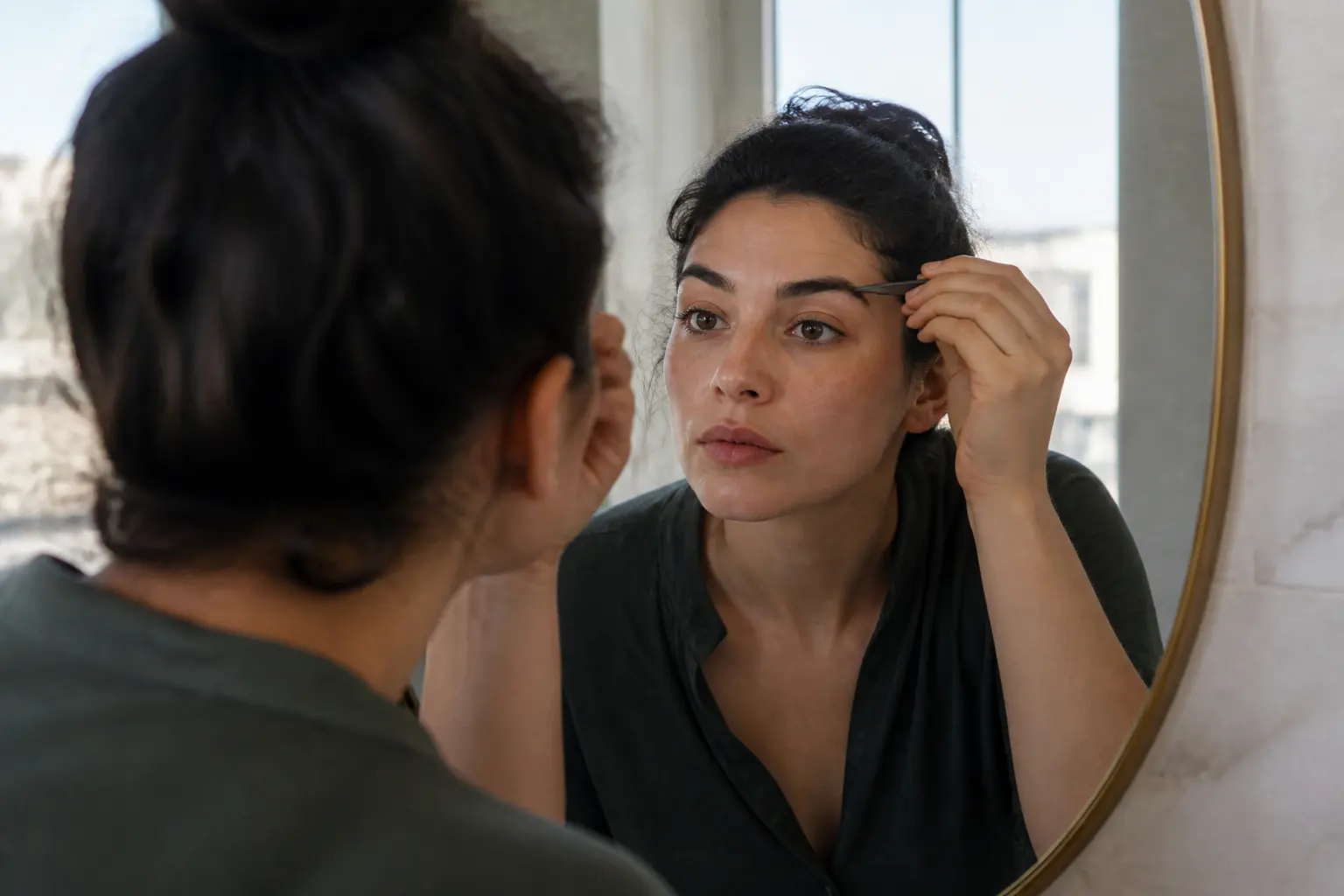
Over-plucking can make brows feel difficult to recognise. A once-balanced shape may become uneven, narrow, patchy or overly arched after years of tweezing, waxing or repeatedly trying to make both sides match. The good news is that rebuilding an over-plucked brow is not about drawing on an entirely new face. It is about giving the existing brow space to grow, protecting what is there and using thoughtful shaping to create balance while you wait.
If you are wondering how to regrow over-plucked eyebrows, start with realistic expectations. Brow growth is individual. Some areas may fill in more readily than others, while older sparse areas can take longer or may need a different approach to look balanced. A professional brow assessment can help you understand what hair is available, which sections should be left untouched and how to make the whole brow look more intentional during the growing-out phase.
First, understand what has changed in your brow shape
Over-plucking rarely happens in one dramatic moment. More often, it develops gradually. You remove one hair to tidy the tail, then another to improve the arch, then more from underneath because one brow looks higher. Over time, the natural outline becomes harder to see.
The result can show up in several ways:
- A brow head that looks too narrow or too far apart
- An arch that sits too high, too sharp or too close to the centre
- Tails that appear thin, short or disconnected
- One brow looking fuller or lower than the other
- Patchy areas caused by repeated removal from the same place
It is also worth remembering that natural brows are sisters, not identical copies. Bone structure, facial expressions, hair direction and density differ from one side to the other. The aim is not perfect symmetry. It is a shape that looks harmonious with your face and feels manageable in everyday life.
Step 1: Pause the DIY removal cycle
The most useful first step is usually the simplest: stop removing hair from the brow area for a while. This can feel uncomfortable when new growth appears in places you are used to clearing, especially beneath the arch or between the brows. However, removing every stray-looking hair can also remove the very growth needed to rebuild the outline.
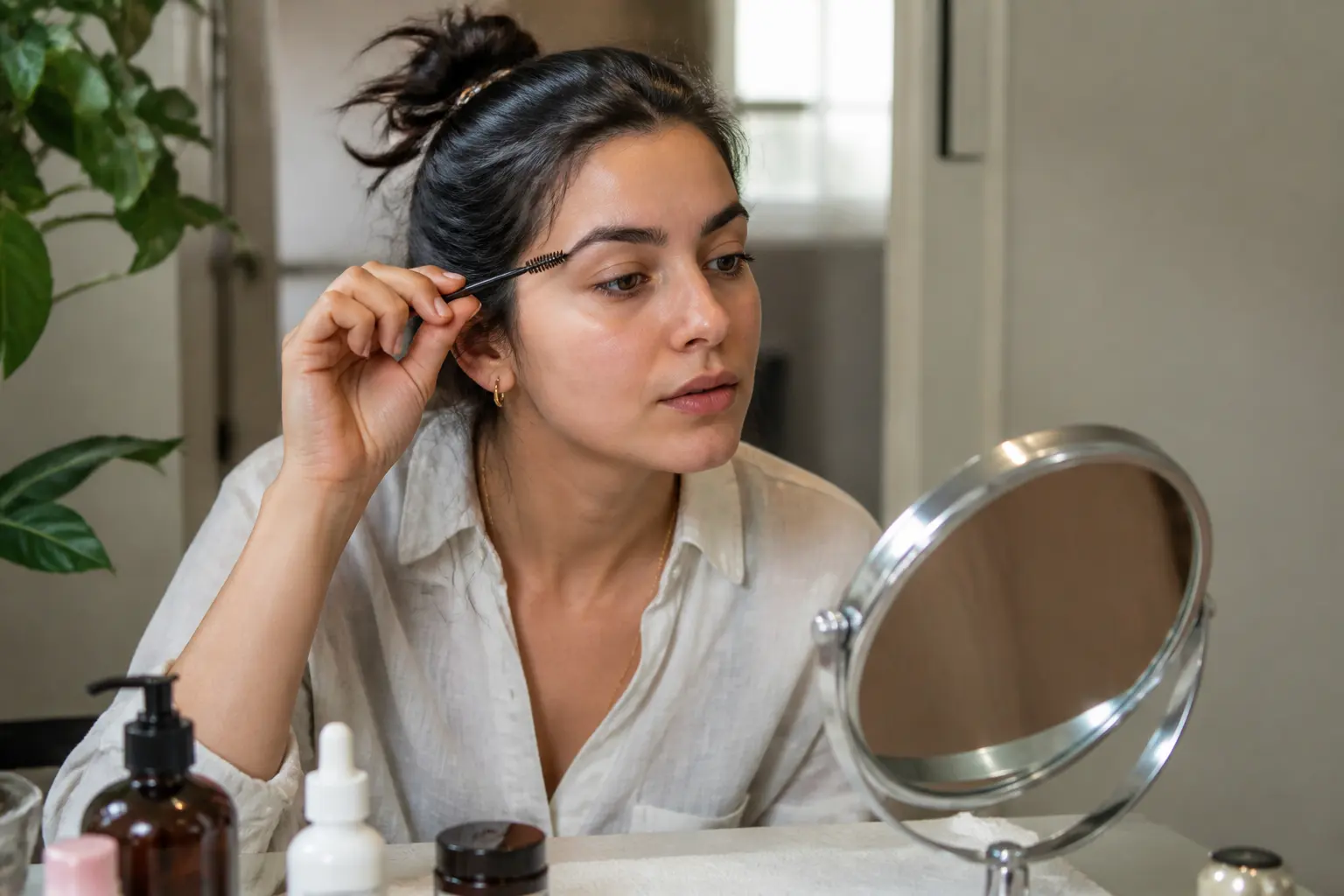
Put the tweezers away and avoid using wax or threading at home while you work out a plan. If there are hairs far outside the brow area that genuinely bother you, ask a brow professional what can be safely tidied without affecting the recovery process.
This is not an instruction to leave your brows completely unmanaged forever. It is a temporary reset. A trained therapist can identify which hairs contribute to the future shape and which ones can be removed with precision.
Step 2: Give growth time, but avoid making promises to yourself
Brows grow in cycles, so visible change does not happen overnight. New hairs may arrive at different speeds and in different directions. You may notice fine, lighter hairs before the area begins to look denser. It can be tempting to judge progress every morning, but this often makes the process feel slower than it is.
Try taking a clear photo in natural light at the beginning, then compare it with another photo after a few weeks. This gives you a more useful view than daily checking. It also helps a brow artist see how the outline is developing over time.
Be careful with products or online advice that promise dramatic regrowth on a fixed timetable. Brow density can be influenced by many personal factors, and no cosmetic routine can responsibly guarantee that every sparse section will return. A good plan focuses on protecting what grows in and making the most of your natural brow pattern.
Step 3: Map the brow before trying to reshape it
When brows have been over-plucked, it is easy to recreate the same shape that caused the problem. You may still be following an old arch placement or removing hairs according to a trend that no longer suits your face. Brow mapping gives you a more considered starting point.
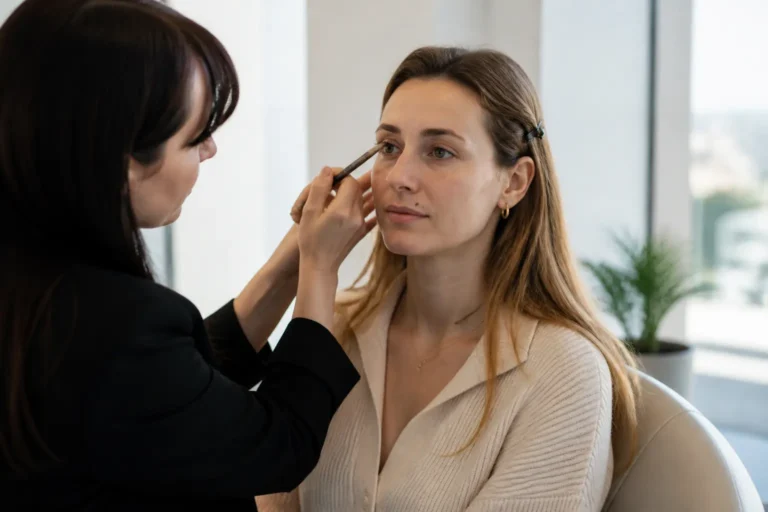
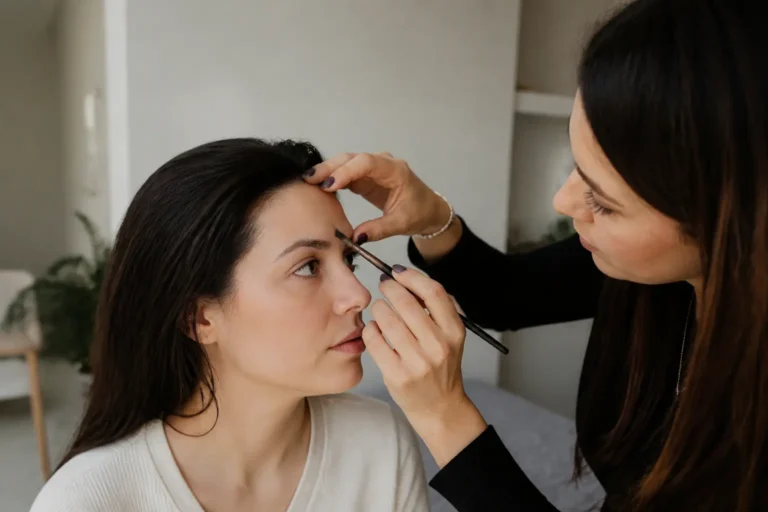
At a professional appointment, mapping is used to assess the brow’s beginning, arch and tail in relation to your facial features. It does not mean forcing both brows into a rigid template. Instead, it provides a framework for deciding where fullness is helpful, where an arch can be softened and where the tail may need visual support.
For example, someone with a very short tail may benefit from keeping hairs that previously seemed unnecessary near the outer edge. Someone with an overly rounded brow may need to preserve growth under the front section, rather than continuing to remove it. The plan should respect your natural hair direction and the brow density you have now.
Step 4: Use professional threading to maintain the right areas
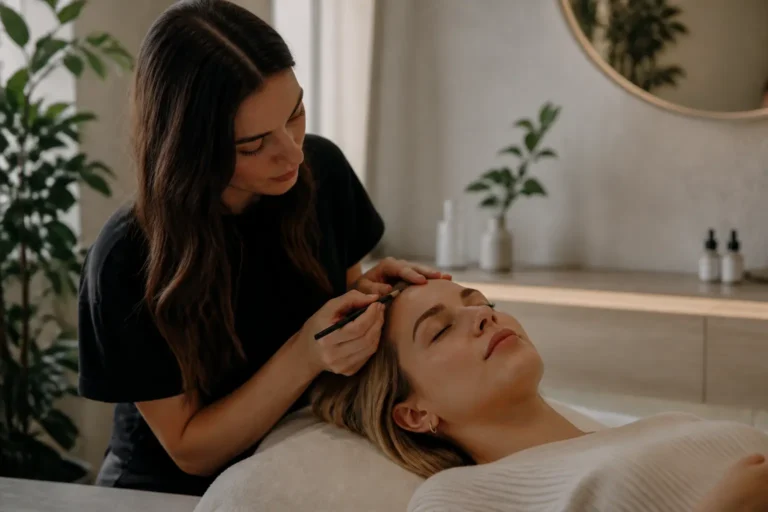
Threading can be particularly helpful while rebuilding a brow shape because it allows targeted removal. Rather than taking broad sections away, a therapist can work around the hairs being grown out and tidy only the areas that do not support the agreed shape.
At Becammo, eyebrow threading and design are approached as a personalised service. The brow is assessed as part of the face, with attention to the hair available, the desired level of definition and your natural asymmetries. This matters when you are recovering from over-plucking, because a heavy-handed tidy-up can set the process back.
The goal during this stage is not necessarily a dramatic new brow at every appointment. It may be a cleaner, softer version of the brow you are rebuilding. Small, precise decisions can make a meaningful difference, especially at the front, under the arch and through the tail.
What to tell your brow therapist
Be direct about what has happened. Let them know whether you have over-plucked for months or years, which areas concern you most and whether you want a fuller, straighter, softer or more defined result. If you have old photos from a time when you liked your brows, they can also be useful reference material.
It also helps to say if you are anxious about losing any more hair. A professional can explain what they are keeping, what they are removing and why. Clear communication is especially valuable if one brow grows faster than the other.
Step 5: Create balance while the brows are still growing
You do not have to wait until every area looks full before feeling polished. A few light makeup techniques can make the regrowth stage easier to live with, without hiding the brow under a heavy block of product.
- Use a fine brow pencil to add hair-like strokes only in sparse spaces.
- Choose a shade that works with your brow hair, rather than one that looks overly dark against your skin tone.
- Brush hairs into their natural direction before adding product.
- Use a tinted brow gel lightly when you want more definition without a drawn-on effect.
- Keep the front of the brow softer than the tail to avoid a harsh square start.
If you use makeup, think of it as visual support, not a permanent outline you must copy during every shaping appointment. Your natural hairs may grow in differently from the shape you have been drawing. Allow the professional mapping process to guide the longer-term design.
Step 6: Avoid chasing perfect symmetry
Trying to correct one brow by repeatedly removing more from the other is one of the main reasons brows become thinner over time. If one side sits higher, has a stronger arch or appears denser, it may be tempting to keep adjusting until they match exactly. Usually, this creates less balance, not more.
A better approach is to consider the pair together. One brow might need time to grow, while the fuller side may only need minimal tidying to remain neat. Makeup can temporarily soften a difference that should not be solved by more hair removal.
In professional brow design, balance comes from proportion and placement. It is not achieved by making every individual hair, curve and tail identical.
Step 7: Decide when additional brow options are worth discussing
For some people, careful grow-out and regular shaping are enough to create a brow they love. For others, certain areas remain sparse or the hairs have a direction that makes styling difficult. This is when a consultation and an honest conversation become useful.
Brow lamination may be relevant if you already have enough hair but want it to sit in a fuller-looking direction. It changes the styling and appearance of the existing brow hairs, rather than creating new hairs. It is therefore not a replacement for a regrowth plan in an area with very little hair.
If you are considering a semi-permanent option because of long-standing gaps, a consultation should come before a decision. The condition of the skin, the remaining brow hair, the desired finish and your daily routine all matter. A consultation is the right setting to ask questions and understand whether the option fits your goals.
A simple rebuilding routine to follow
- Stop removing brow hairs at home. Give potential regrowth a chance to show itself.
- Book a professional brow assessment. Agree on a shape direction based on your face and existing hair.
- Use only selective maintenance. Keep the recovery areas protected during threading appointments.
- Use light makeup if you want it. Fill sparse spots subtly rather than redrawing the whole brow.
- Review progress over time. Take occasional photos and adapt the plan as growth changes.
- Ask before adding another service. Choose lamination or a semi-permanent consultation only when it suits the brow you have.
Why personalised brow design matters after over-plucking
There is no universal ‘ideal’ brow. A full, fluffy style may suit one person, while another feels most confident with a softly defined, natural arch. Skin tone, hair texture, facial features, lifestyle and personal taste all influence the right approach.
This is particularly important in Malta’s international community, where clients bring a wide range of brow textures, densities and beauty references. Rebuilding should never mean pushing everyone towards the same fashionable shape. It should mean helping your brows look considered, balanced and true to you.
Over-plucked brows can feel frustrating, but they are not a reason to keep making rushed corrections. With patience, a clear plan and precise professional shaping, you can move away from the cycle of removing too much and towards a brow shape that feels easier to maintain.
Frequently asked questions
Can over-plucked eyebrows grow back?
Some hairs may grow back over time, but the pattern and speed of growth vary from person to person and from one brow area to another. The most practical step is to stop unnecessary removal, protect new growth and have the shape assessed professionally.
How long should I stop plucking my eyebrows?
The right period depends on your current brow shape and how much regrowth is visible. Rather than following a fixed rule, book an assessment so a therapist can identify which areas should be left alone and which can be tidied safely.
Can threading help if my brows are over-plucked?
Yes, when it is used selectively. Professional threading can remove hairs outside the planned shape while preserving hairs that are needed to rebuild fullness, proportion and a softer outline.
Should I use brow lamination while growing out my brows?
It can be worth discussing if you have enough brow hair and want it styled in a more lifted or uniform direction. Lamination works with existing hairs, so it does not replace the need to protect sparse areas while they grow.
What if one brow is much thinner than the other?
Do not try to thin the fuller brow aggressively to make them match. A professional can create better overall balance by protecting growth on the sparse side, making small adjustments where appropriate and suggesting subtle makeup support in the meantime.
If you are ready to stop second-guessing your brow shape, book an eyebrow threading and design appointment at Becammo in Sliema or Swieqi. A personalised assessment can give you a clear, manageable plan for growing out over-plucked areas while keeping your brows neat and balanced along the way.