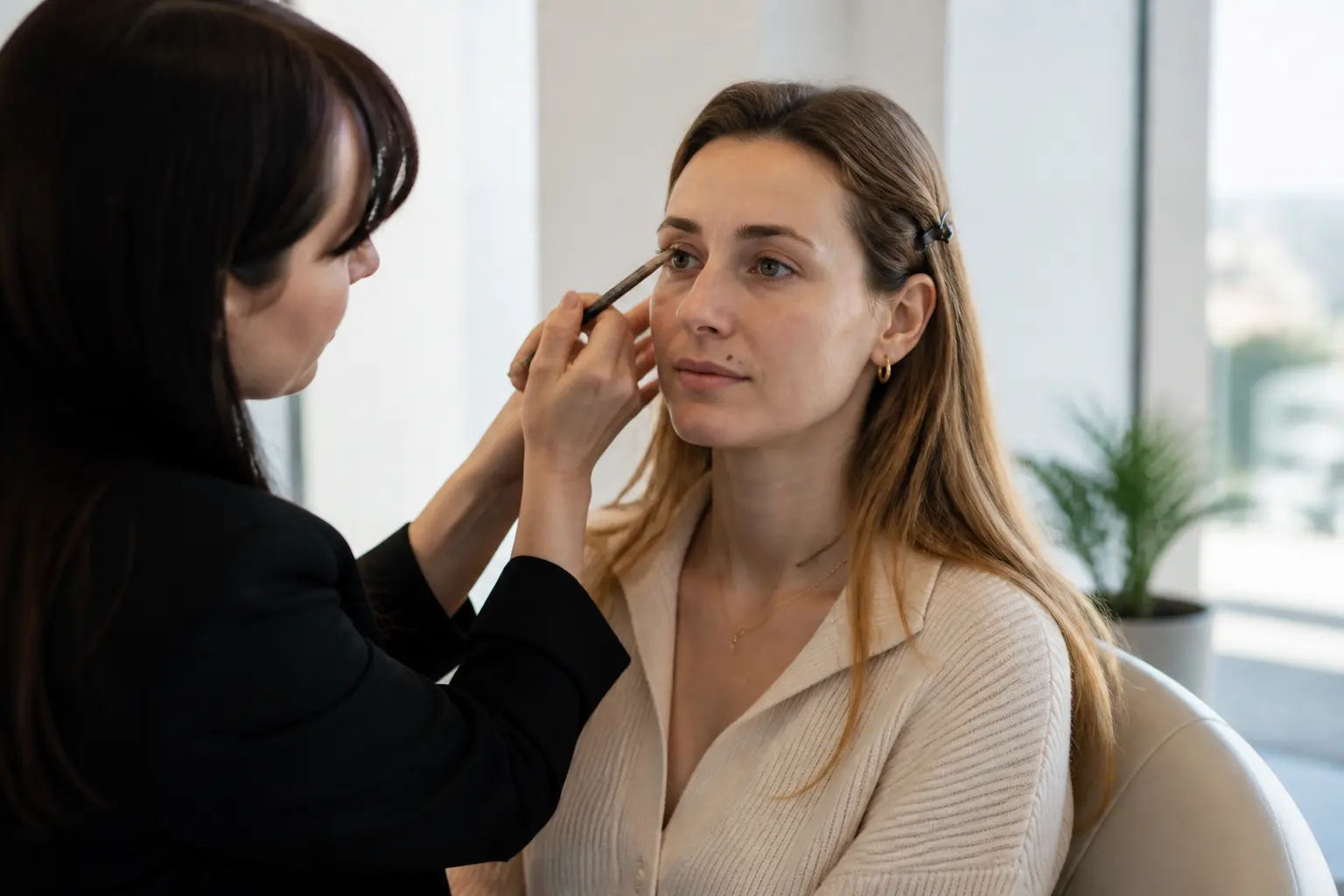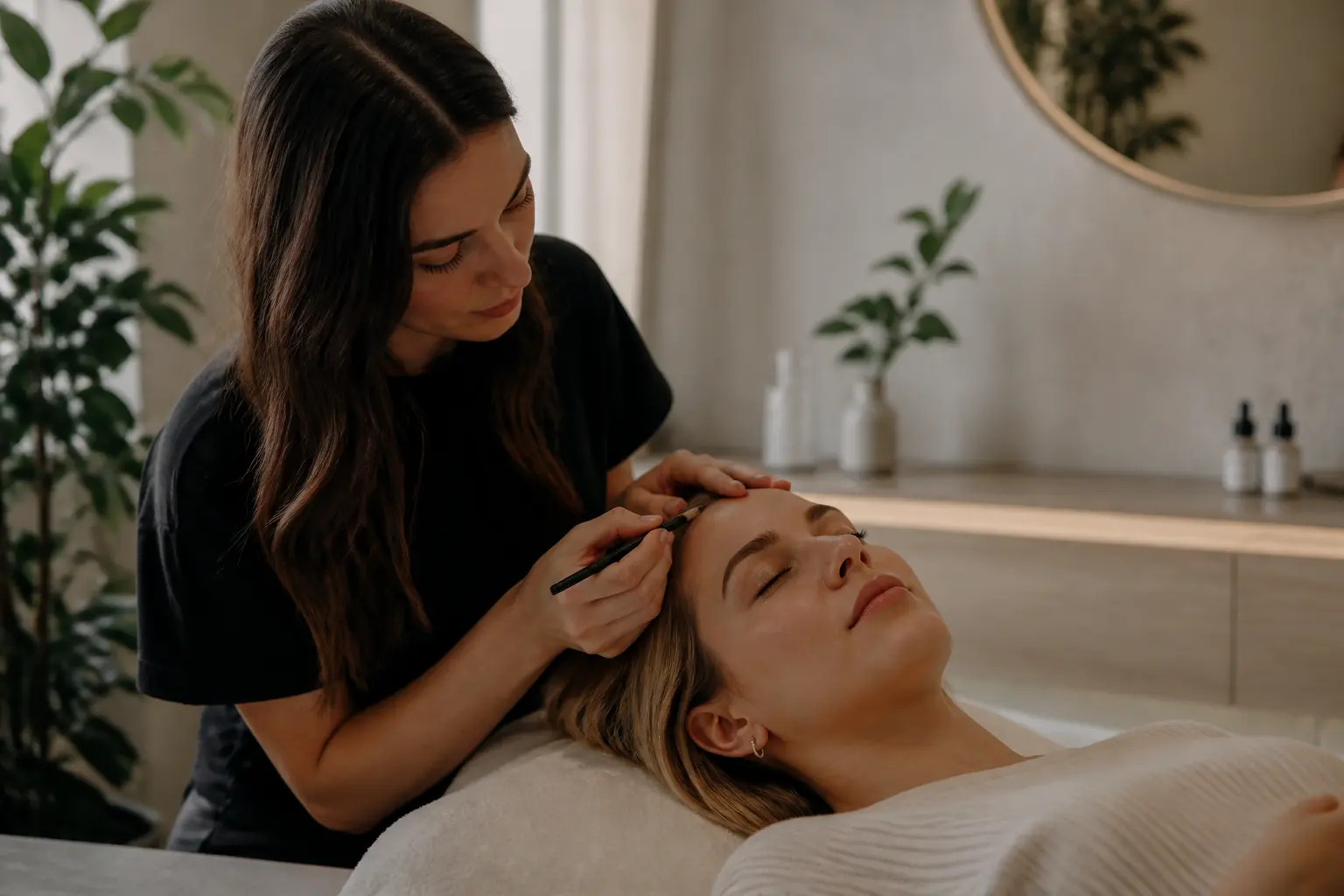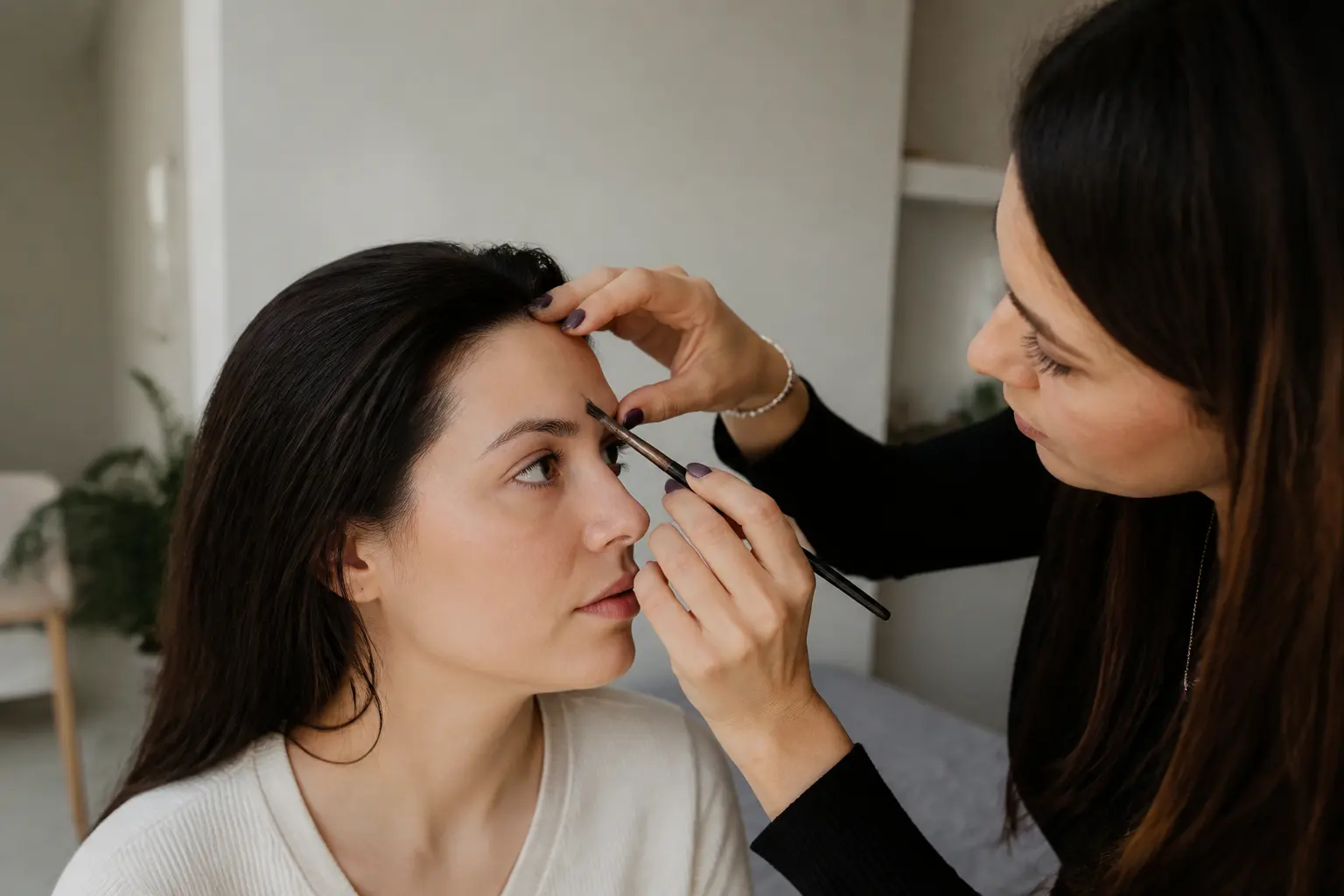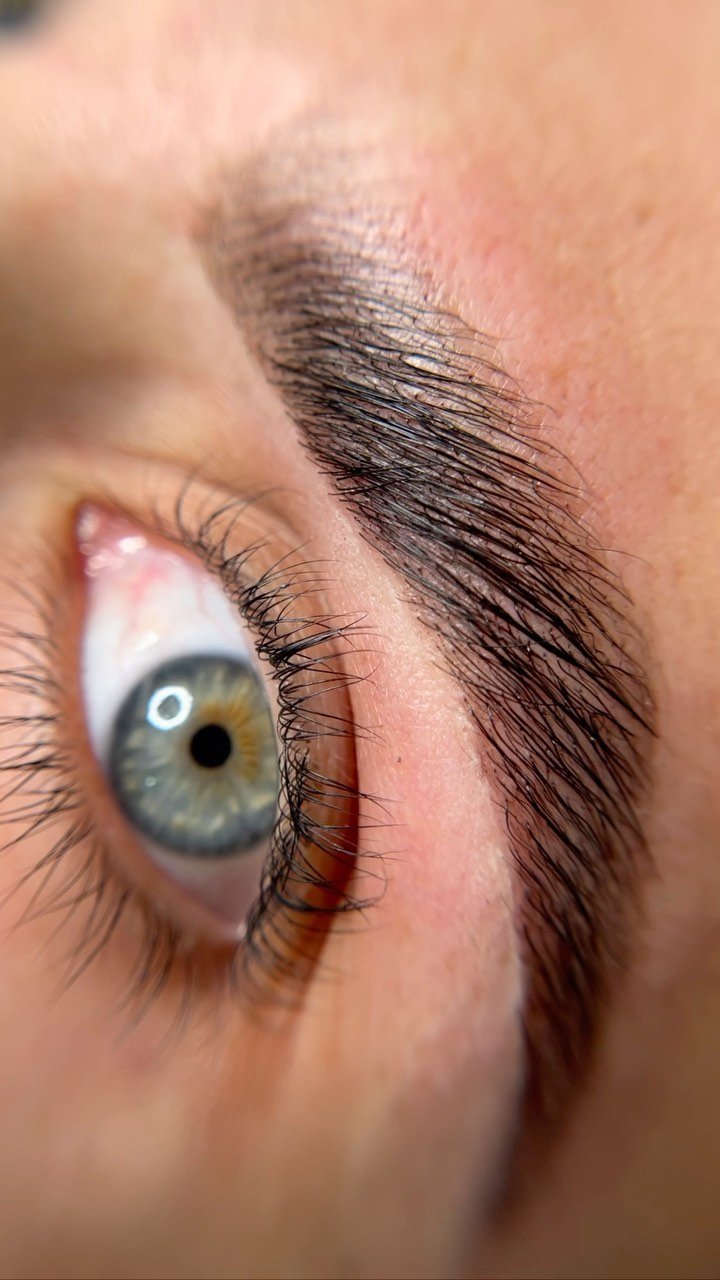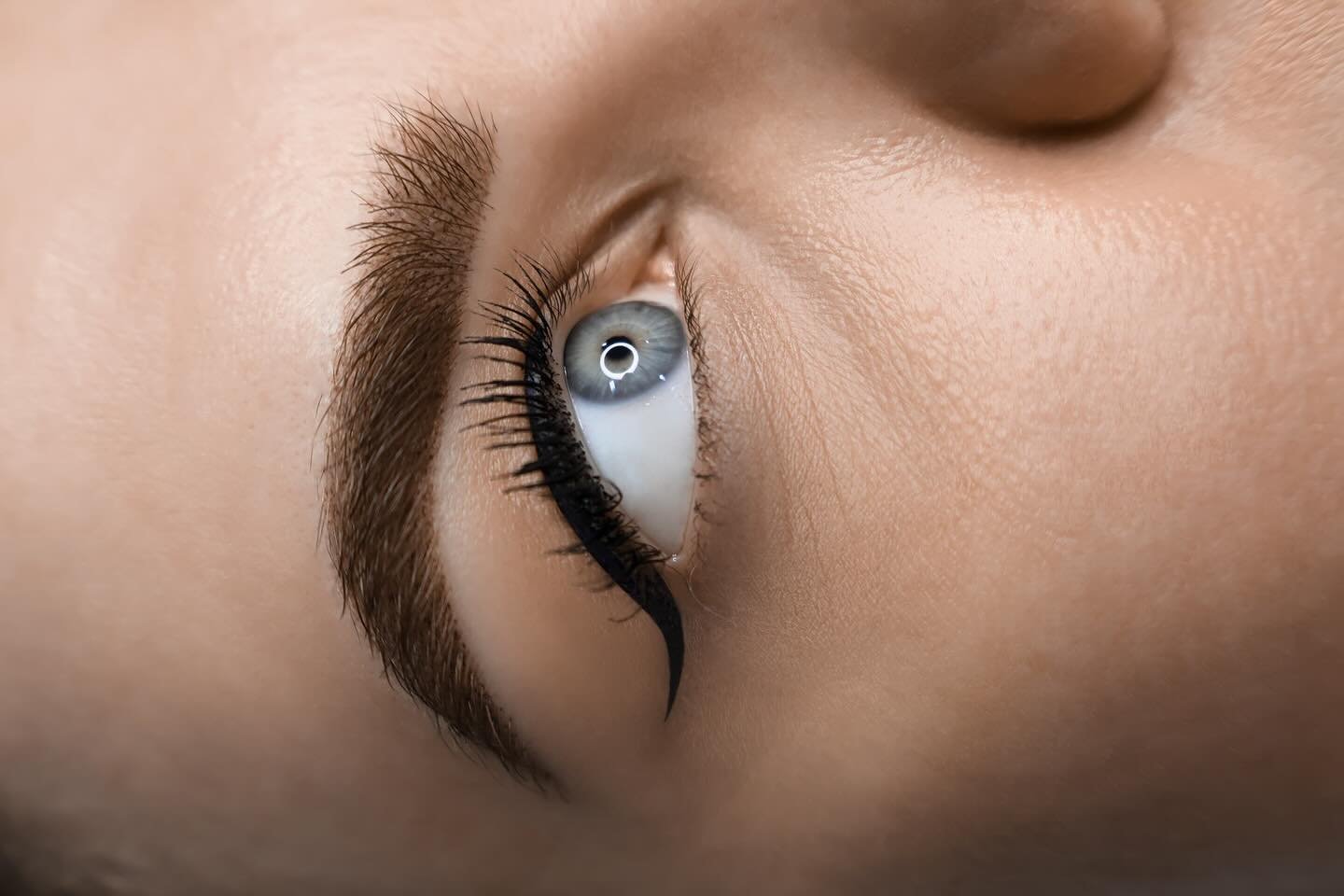
Brow preferences often shift with lifestyle, make-up habits and natural growth, not because of age itself. In your 20s the focus is often experimenting while protecting natural hair; in your 30s a consistent, low-maintenance shape; in your 40s softness and working with the density you have. These are patterns, not rules, and the shape should always be mapped to your own face.
Your brows do not need to follow an age-based rulebook. A flattering shape at 24 can still feel completely right at 42, and a dramatic change is never a requirement simply because you have entered a new decade. Still, brow preferences often evolve. Lifestyle, make-up habits, natural hair density, skin changes and personal confidence can all affect what you want from an eyebrow appointment.
Some people in their 20s want to experiment with a stronger arch or a more defined tint. In their 30s, many clients begin to value a reliable shape that works on busy mornings. In their 40s, the priority may shift towards softness, balance and making the most of the brow hair that is naturally there. These are patterns, not rules. The best brow design starts with your face, your natural growth and the way you want to feel when you look in the mirror.
At a professional brow studio, the goal is not to give everyone the same fashionable brow. It is to map and refine a shape that suits your individual features, hair pattern and preferences. Threading is particularly useful for this because it allows precise hair removal and detailed work around the natural outline of the brow.
Why do brow preferences change over time?
Brows frame the eyes and influence the overall balance of the face, so even small adjustments can feel noticeable. The preferences people bring to an appointment are often shaped by more than a trend seen online. They may be responding to a new job, a different make-up routine, changes in their brow growth, a move towards lower-maintenance beauty, or simply a clearer understanding of what suits them.
There is also an important difference between changing a brow shape and overcorrecting it. A professional design should work with the brow you have rather than chasing a template. A very high arch, an ultra-thin tail or an intensely dark tint may suit some people, but none of these choices is automatically more youthful, more polished or more appropriate for a particular age.
Instead, it helps to think about four questions:
- How much natural brow hair do you currently have?
- How much definition do you like when you are wearing little or no make-up?
- How much time do you want to spend filling in your brows at home?
- Do you want a noticeable change, or a polished version of your existing shape?
Your answers may change over the years, and your brow appointments can change with them.
What do brow preferences look like in your 20s?
Your 20s can be a time of trying different looks. You may be interested in fuller brows, a cleaner arch, a straighter shape, a tint, henna or brow lamination. Social media inspiration can be useful for communicating a mood or finish you like, but it should not replace a proper assessment of your own brows.
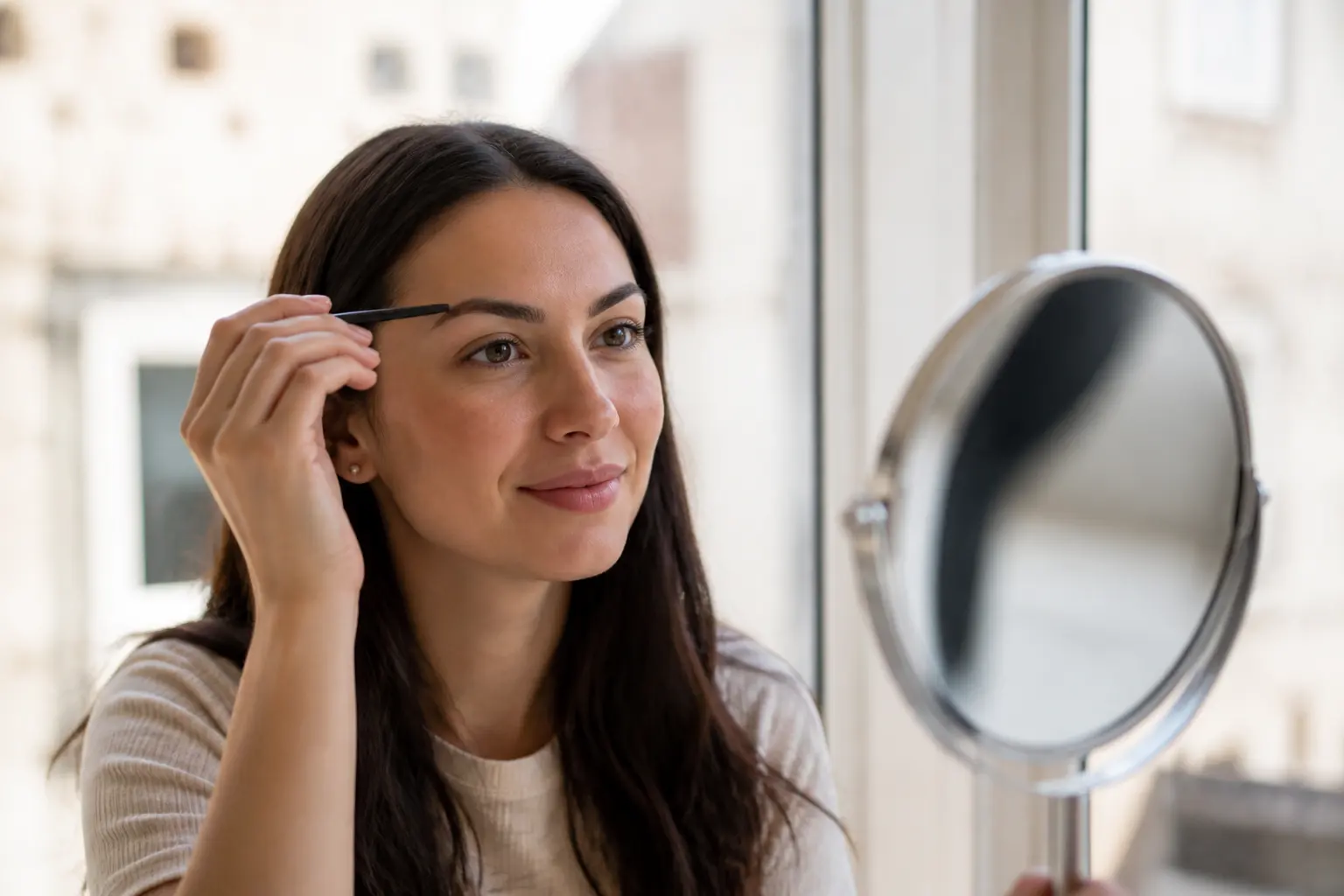
One of the most valuable things you can do at this stage is preserve as much healthy natural growth as possible. Brows that are repeatedly over-plucked can become harder to style later, especially in areas where growth is already sparse. This does not mean you must avoid shaping. It means choosing careful, intentional maintenance instead of removing hair impulsively every time a few strands appear outside the line.
Common priorities in your 20s
- Trying a more defined outline without committing to a permanent-looking result.
- Creating visual fullness where the brow is naturally lighter or uneven.
- Learning which arch height and tail length feel most balanced.
- Keeping brows tidy between work, travel, study and social plans.
- Building a simple routine that does not depend on heavy brow make-up every day.
For many clients, threading and design are a sensible starting point. The brow can be mapped before hair is removed, helping you see where the intended shape will sit. The therapist can then work hair by hair around the outline. If you want extra definition, a brow tint or henna may be discussed as an add-on, depending on the desired finish and an individual assessment.
Brow lamination can also appeal to clients who have enough brow hair but want a brushed-up, more uniform direction. It is not a replacement for good shaping. The strongest results generally come from considering hair direction, density and the overall outline together, rather than treating lamination as a one-size-fits-all solution.
A useful approach: define, do not overbuild
If you are unsure what suits you, begin with refinement. Ask for a clean-up that keeps the main body of the brow full, softens any harsh angles and gives the tail a tidy finish. You can always add more definition later. It is much harder to reverse a shape that has been made too thin or too short.
Bring reference images if you like, but explain what you like about them. Is it the fullness, the lifted look, the colour, the softness at the front, or the crisp lower line? This gives the brow artist useful information while leaving room for a design that respects your own features.
At BeCammo · Sliema · Swieqi
Eyebrow threading in Malta
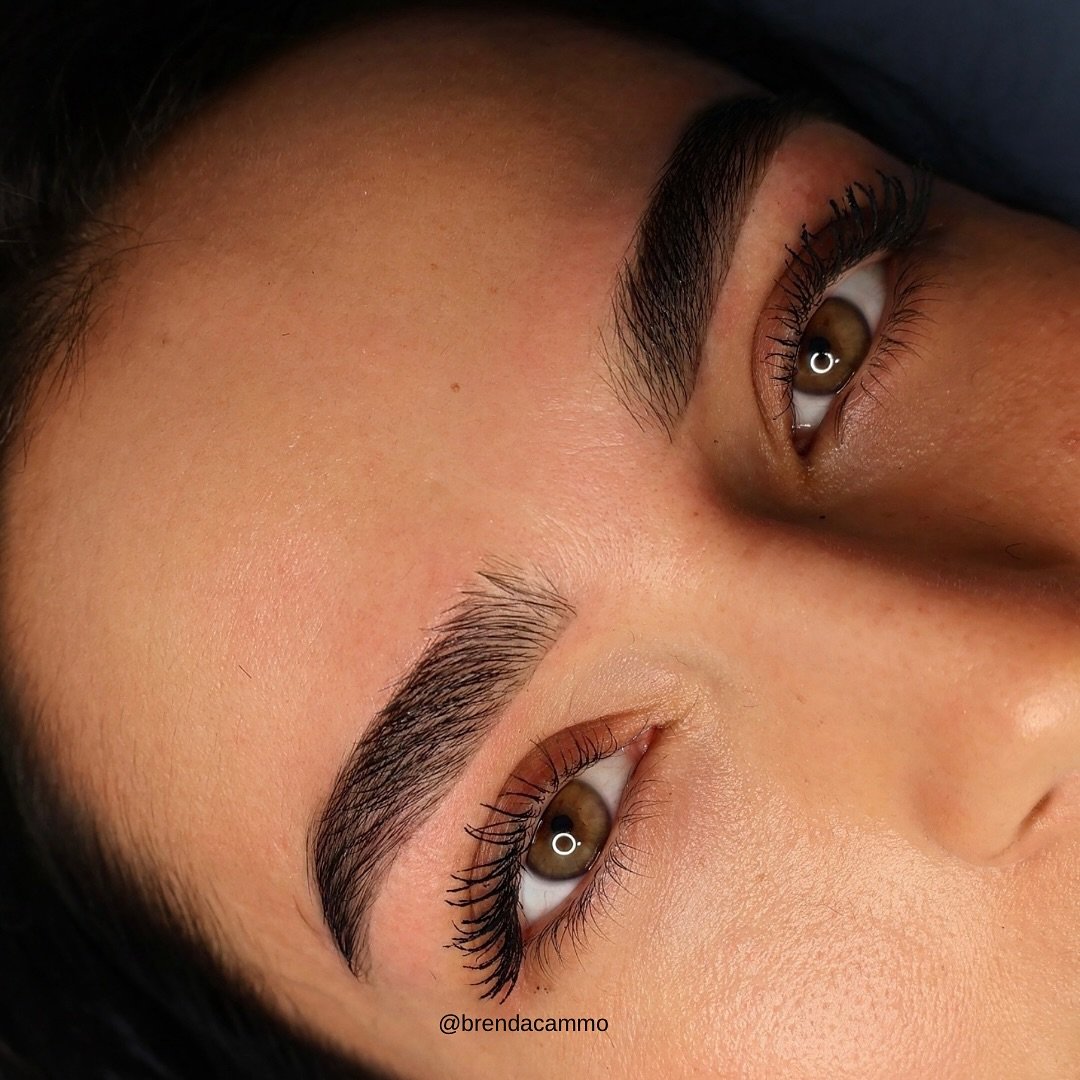
Same client, before and after threading.
Clean, natural brows shaped to your face, at our salons in Sliema and Swieqi. Threading is what BeCammo was built on.
- from €16price
- Sliema · Swieqiwhere
- ★ 5.0460+ Google reviews
What do brow preferences look like in your 30s?
In your 30s, brow preferences often become more practical. This may be a decade of busy workdays, family commitments, frequent travel or simply less interest in spending time correcting brows with pencil every morning. The aim is often not a completely new identity. It is a dependable shape that looks polished in real life, with or without make-up.
This is also when many people become more aware of small asymmetries. Almost no face is perfectly symmetrical, and brows naturally grow differently from one side to the other. A professional brow artist should not try to force both brows into identical copies. Instead, the aim is visual harmony, adjusting the design carefully so the brows sit well together while still looking natural.
Common priorities in your 30s
- Maintaining a consistent brow shape between appointments.
- Balancing sparse patches, uneven tails or different growth patterns.
- Reducing the need for daily brow products.
- Choosing colour and definition that work for both office days and evenings out.
- Finding a realistic maintenance rhythm.
Threading can be particularly effective for clients who want neat definition without removing unnecessary bulk. The technique uses a fine thread to lift unwanted hair from the root, allowing detailed work around the brow line. At BeCammo, disposable single-use thread is used for each client, with cotton as the standard option and polyester available for clients with relevant allergies.
The exact timing of maintenance varies because hair growth is personal. Some clients prefer a regular tidy-up as new hairs become visible, while others wait longer to allow more growth before reshaping. The right interval depends on your growth cycle, how defined you like the result and whether you are growing out areas that have been over-plucked in the past.
When a tint or henna may fit your routine
If your brow hair is naturally fair, if the tail fades visually in photographs, or if you regularly use brow make-up, colour enhancement may be worth discussing. Tint and henna create different effects and should be selected according to your brows, skin and preferred level of definition. A consultation at the appointment helps establish whether a softer result or a more noticeable finish makes sense for you.
The key is proportion. Strong colour can look beautiful when it fits the overall brow design and your make-up style. For someone who prefers a minimal routine, a more subtle effect may feel more wearable. There is no universal shade or intensity that belongs to a certain age.
What do brow preferences look like in your 40s?
In your 40s, some people notice that their brows appear less dense than they once did, especially through the tail. Others find that the brow hair has become coarser, lighter, more unruly or uneven in direction. These changes are individual. They do not mean you need to create a much darker, sharper or more dramatic brow.
Often, the most effective design is one that protects the available density and introduces structure without harshness. A brow that is too thin can make the eye area feel less framed, while a very solid block of colour may not feel aligned with a softer everyday look. Careful mapping, selective hair removal and a thoughtful approach to colour can make a meaningful difference.
Common priorities in your 40s
- Keeping the brow body as full as the natural growth allows.
- Creating a gentle lift through placement and grooming rather than an exaggerated arch.
- Softening an overly long, low or disconnected tail where appropriate.
- Choosing definition that still looks natural in daylight.
- Making brow maintenance simple and comfortable.
A good brow appointment should begin with listening. You may want your brows to look more awake, more organised or easier to maintain, but the route to that outcome is personal. Your brow artist can assess the placement of your natural front, arch and tail, then explain what can realistically be refined with shaping, tinting or lamination.
For brows with enough hair that grows in different directions, brow lamination may help create a neater brushed finish. For brows that are sparse in key areas, the focus may be on preserving hair and using a light touch with make-up or colour. If you are considering a semi-permanent brow procedure because you want more lasting definition, a separate consultation is the appropriate first step. That conversation should cover your goals, skin assessment and whether the procedure is suitable for you.
What stays true about brows at every age?
Whether you are 22, 35 or 48, certain principles make brow choices easier. The first is that your natural brow pattern matters. A design can refine and balance it, but it should not ignore it. The second is that facial proportions matter more than trends. A fashionable brow shape may be inspiring, but it still needs to be adapted to your own features.
The third is that maintenance should fit your life. A beautiful brow design is more valuable when you can realistically maintain it. If you travel frequently, work long shifts or prefer low-effort mornings, tell your brow artist. This helps guide choices about how crisp, filled or structured the result should be.
Finally, changing your preference is allowed. You may have loved bold brows five years ago and now prefer something lighter. You may have spent years keeping your brows very natural and now want more polish for a new stage of life. Brow design is not permanent when it is based on careful shaping, so it can evolve as you do.
How should you prepare when your brow preferences have changed?
If you are booking after a long break, changing studios or trying a new brow direction, a little preparation can make the consultation more useful.
- Let the brow hair grow where possible. Avoid tweezing immediately before the appointment so the natural pattern is easier to assess.
- Describe your current routine. Say whether you fill your brows daily, use tinting products, prefer no make-up, or want a more defined finish.
- Share what has not worked before. Perhaps the arches felt too high, the tails became too short, or the colour looked too strong. Specific feedback is helpful.
- Bring inspiration with context. Show examples, then explain what you want to borrow from the look rather than asking for an identical copy.
- Ask about a maintenance plan. Your brow artist can help you understand what is realistic for your growth and chosen style.
At a studio appointment, you should feel able to ask questions before any shaping begins. Good brow design is collaborative. It combines technical mapping and precise removal with your preferences, comfort and day-to-day routine.
Which brow service suits your current goal?
| Your priority | A useful starting point | What to discuss at the appointment |
|---|---|---|
| A cleaner version of your natural brows | Threading and brow design | How much fullness you want to retain and which areas should be refined |
| More visible colour and definition | Threading with tint or henna | Your preferred intensity, existing brow colour and everyday make-up style |
| A brushed-up, groomed finish | Brow lamination | Hair direction, brow density and the level of styling you want |
| A more considered long-term brow plan | Semi-permanent consultation | Your goals, skin assessment and whether a semi-permanent option is appropriate |
The service is only part of the decision. The design itself should remain personalised. At BeCammo, brow work is approached with attention to different brow textures, growth patterns and ethnic backgrounds, helping clients find a shape that feels balanced rather than standardised.
Conclusion
Brow preferences can change through your 20s, 30s and 40s, but age alone should never dictate the shape you choose. The most useful question is not, “What brows should I have at this age?” It is, “What level of shape, fullness and definition feels right for me now?”
Whether you want to protect natural fullness, simplify your daily routine, add gentle definition or try a more structured finish, a professional brow consultation can turn a vague idea into a practical design plan. Book your brow appointment at the BeCammo studio location in Sliema or Swieqi that suits you best, and share exactly what you would like to change, preserve or explore.
Frequently asked questions
Should eyebrows get thinner as you get older?
No. There is no need to make brows thinner because of age. In many cases, preserving natural density and refining the outline creates a more balanced result than removing too much hair.
What brow shape is best for women in their 30s?
The best shape depends on your facial proportions, natural growth and personal style. Many people in their 30s prefer a consistent, easy-to-maintain brow, but the shape should still be mapped individually rather than chosen by age alone.
Can brow lamination suit clients in their 40s?
It can suit clients of different ages when the natural brow hair and desired finish make it appropriate. A brow artist can assess the direction, density and condition of the hair before recommending the service.
How can I make sparse brows look fuller without making them too dark?
Start with careful shaping that protects existing hair. Depending on your goals, subtle tinting, grooming and light make-up techniques may help create definition. Discuss the level of colour you feel comfortable wearing at your appointment.
How often should I have my brows threaded?
It varies according to your hair growth and preferred level of tidiness. Some clients maintain a regular rhythm, while others wait longer between appointments. Your brow artist can help you choose an interval that suits your natural growth and routine.