How a Signature Brow Look Is Built Over Several Appointments
Brenda Cammo Team
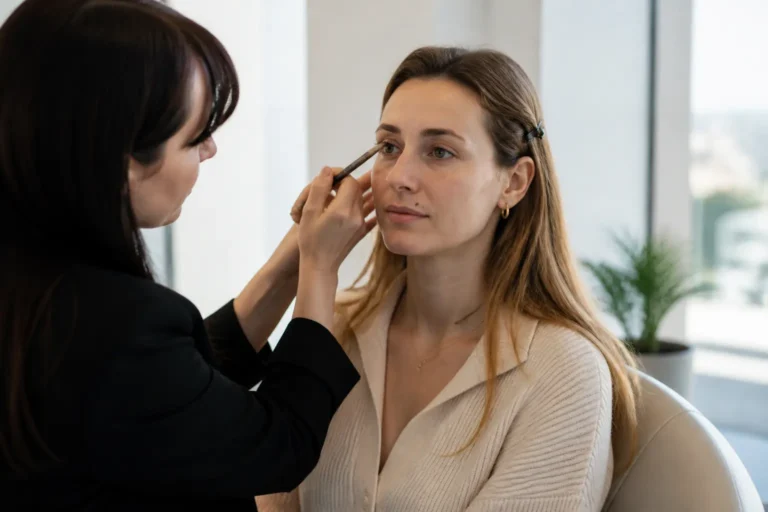
A signature brow look is not about copying a trend or creating two identical arches. It is a brow shape and finish that feels recognisably yours, works with your natural growth pattern and fits comfortably into your everyday routine. For some people, that look begins to take shape at the first appointment. For many others, it develops gradually through careful design, regular threading and time for uneven areas to grow back.
At a professional brow studio, the goal is not to remove as much hair as possible in one visit. It is to understand what your brows can realistically become, then make considered choices at every stage. This approach is particularly valuable if you have over-plucked areas, sparse sections, different growth directions or a brow shape that has changed over time.
Here is how a signature brow look is often built over several appointments, and why patience can make the result feel more personal and easier to maintain.
What makes a brow look “signature”?
Your signature brow look is a personalised framework, not a fixed template. It considers the natural density of your brow hair, the direction in which it grows, your bone structure, facial proportions and the level of definition you enjoy wearing day to day.
It may be soft and natural, with only a gentle clean-up around the edges. It may have more visible structure through a clearer arch and a defined tail. It might also include a tint or henna finish when appropriate, helping the brows appear more noticeable without changing the underlying shape.
The important part is consistency with flexibility. Your brows should still look like your brows, while appearing more organised and balanced. A professional design should also allow for normal changes in hair growth, skin condition, make-up preferences and personal style.
A successful brow plan does not chase perfect sameness. It works with the character and natural movement of each brow.
Why one appointment is not always enough
A first threading appointment can make a meaningful difference. Stray hairs can be removed, lines can be clarified and the overall shape can be assessed. However, there are limits to what should be changed immediately, especially if one area needs time to regrow or if the brows have been shaped inconsistently in the past.
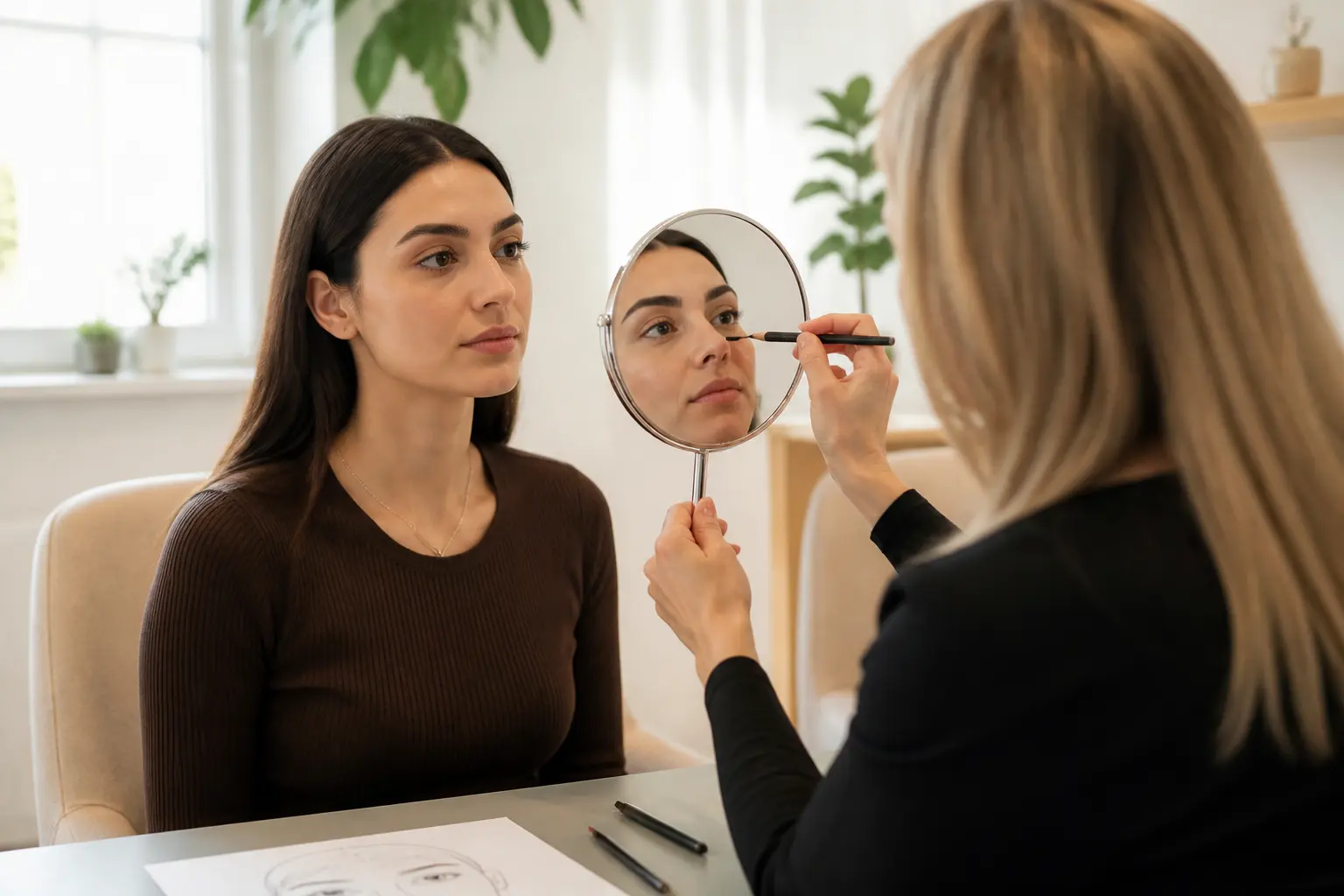
Removing too much in an attempt to create instant symmetry can leave less flexibility for future appointments. A more measured plan may mean keeping a few hairs temporarily while the brow artist observes how the surrounding areas grow. This is not an unfinished service. It is a deliberate choice to protect the long-term shape.
Brow hair also grows in cycles, rather than appearing all at once. That means the hairs visible on the day of your appointment do not always show the full picture. Returning for maintenance gives your brow artist the opportunity to see new growth, refine the outline and adjust the plan based on how your brows respond.
The first appointment: assessment, mapping and a starting shape
The first appointment sets the direction. Before shaping begins, a professional brow artist looks beyond the obvious stray hairs. They consider where each brow begins, how the body of the brow sits, where an arch may naturally form and how the tail relates to the rest of the face.
Discussing your usual brow routine
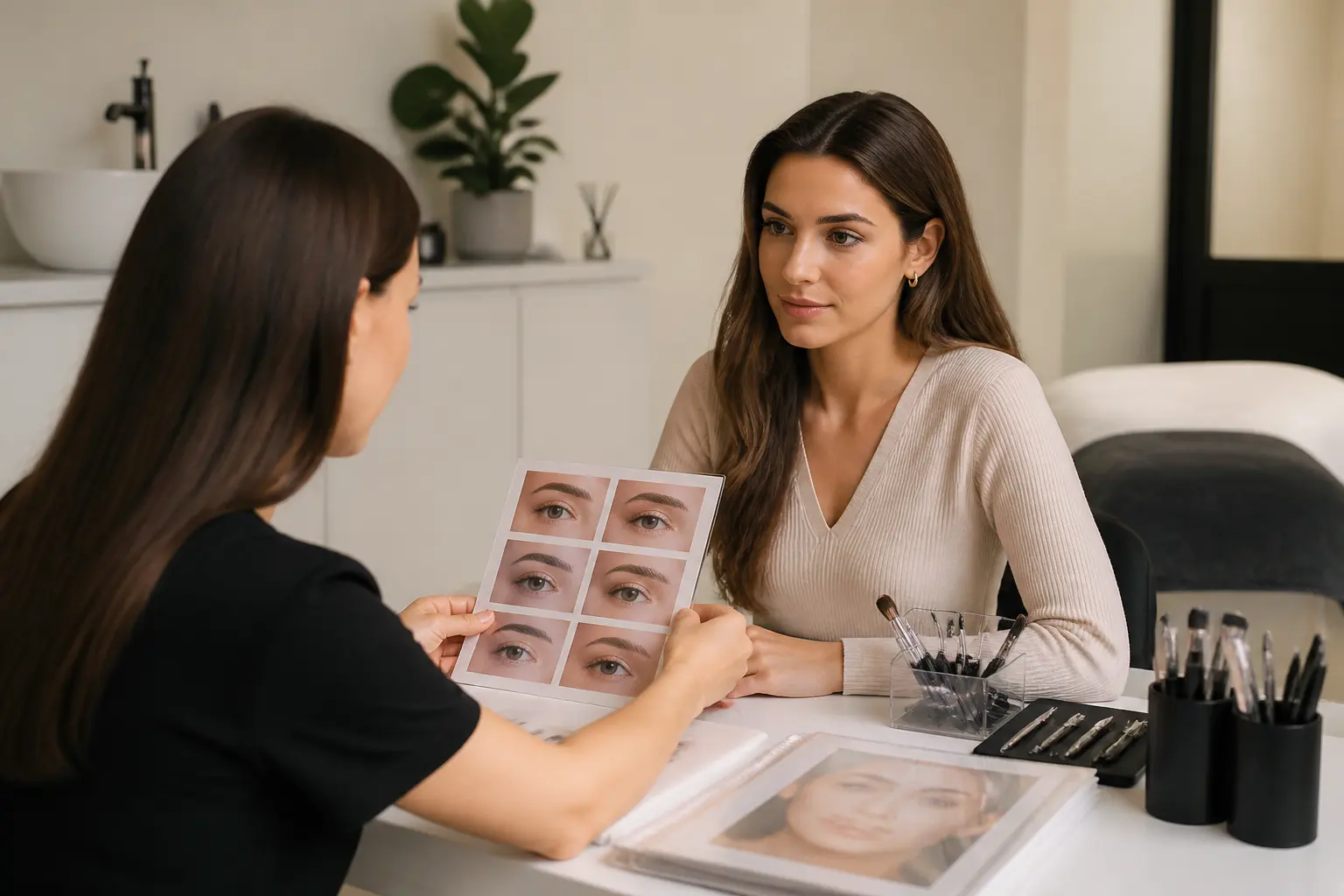
Your preferences matter. It helps to explain whether you normally fill in your brows, prefer a low-maintenance routine, like a defined make-up look or want a softer finish. You can also mention any areas you are trying to grow out, previous experiences with waxing, tweezing or threading, and whether you use retinoids or other active skincare products near the brow area.
This conversation gives the artist useful context. A brow shape that looks beautiful with daily pencil may not be the same shape that suits someone who wants to leave the house with no brow make-up at all.
Mapping the brows with care
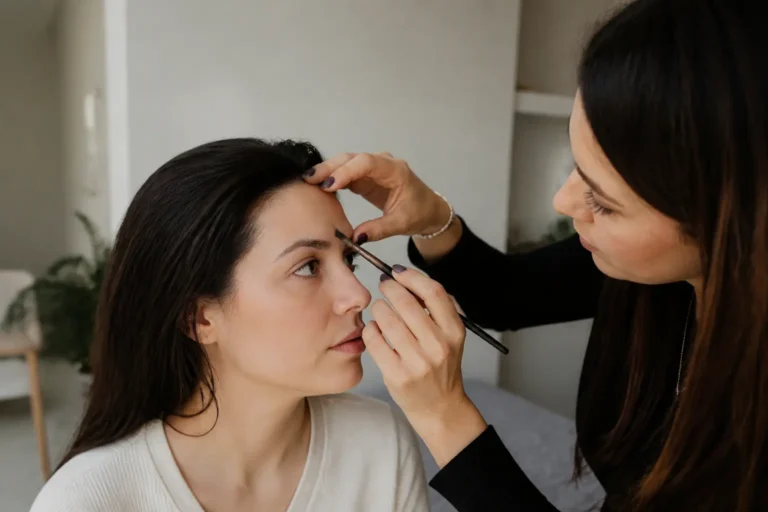
Brow mapping creates visual reference points for the shape. It can help guide decisions about the front of the brow, the highest point of the arch and the tail. Mapping is useful because faces are naturally asymmetrical. Rather than forcing both brows into identical measurements, it helps the artist create a balanced overall effect while respecting the features and growth patterns that make each face individual.
At Becammo, eyebrow threading and design are approached with a personalised view of different brow types and ethnic backgrounds. This matters because density, texture, colour and growth direction can vary widely. There is no single “ideal” brow shape that suits everyone.
Threading the first outline
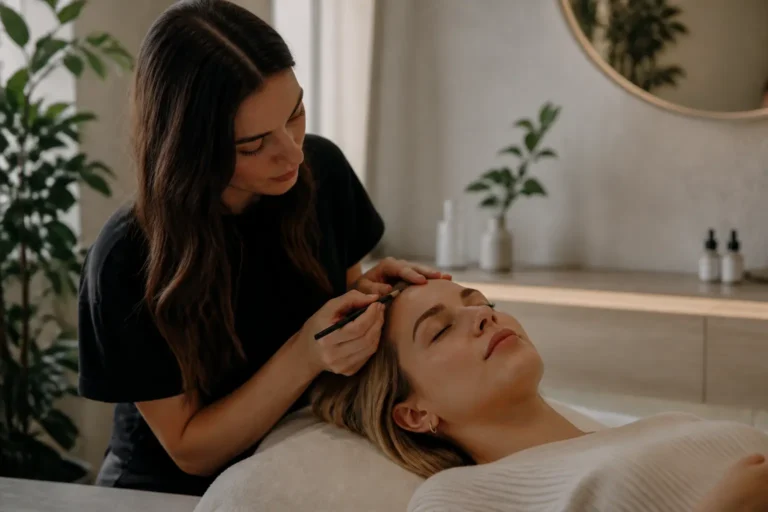
Threading uses a fine thread to remove unwanted hairs with precision. It can be especially helpful around the upper and lower brow lines, where a clean outline makes the shape easier to read. The thread used for the service is single-use, supporting a hygienic appointment process.
In a first session, the finished brow may be a refined version of what is already there rather than a dramatic redesign. If you are building towards a fuller or more even look, your artist may recommend allowing selected areas to grow between visits.
Between appointments: growing with purpose
The period between brow appointments is where much of the long-term work happens. If you have agreed a grow-out plan, the aim is to avoid removing hairs that could support the future shape. This can feel unfamiliar if you are used to tweezing every new hair as soon as it appears.
A practical approach is to leave the agreed areas alone and only remove hairs at home if your brow artist has clearly advised that they sit outside the planned shape. If you are unsure, it is usually better to wait and ask at your next appointment than to make a quick correction that changes the plan.
Keep your routine simple around the brow area
After threading, the skin can be temporarily more sensitive. Follow the aftercare guidance given at your appointment, particularly when it comes to make-up, active skincare and sun protection. Avoid introducing several new products at once, as it becomes difficult to know what is irritating the skin if redness or discomfort occurs.
When growing your brows out, remember that skin health and hair growth are connected but not identical. A neat skincare routine can support comfort around the brow area, but it cannot promise a particular rate or pattern of regrowth. Genetics, previous hair removal habits and individual growth cycles all play a part.
Use make-up as a temporary tool, not a permanent correction
If a brow has a sparse patch or an uneven tail while you are growing it out, a light brow pencil, powder or tinted gel can help you create a more finished look. The aim is to enhance the design your artist is building, not draw a completely different brow each morning.
Try using short, hair-like strokes in sparse areas and brushing the product through with a spoolie. Heavy blocks of colour can make it harder to see the natural structure, both for you and at your next appointment.
The second and third appointments: refining the shape
Follow-up appointments are where the signature look becomes clearer. Your brow artist can assess which hairs have returned, whether the brows are responding evenly and which parts of the shape now need a little more definition.
For example, a first appointment may focus on tidying the outline and protecting a sparse front section. At the next visit, enough new growth may have appeared to improve the transition from the front into the main body of the brow. A later visit may refine the tail or soften an arch that looked too sharp once the full brow pattern became visible.
This stage is not about changing the shape every time. It is about making small, informed adjustments. Repeated appointments create continuity because the artist can see your previous design, hear what you liked or did not like, and adapt to changes in your routine.
What to say at your follow-up appointment
- Tell your artist whether the shape felt easy to maintain at home.
- Explain if you found one brow harder to fill in than the other.
- Mention any event, holiday or photograph session that may affect how defined you would like the brows to look.
- Share whether you followed the grow-out plan and where you were tempted to tweeze.
- Say if your make-up preferences have changed since the previous appointment.
These details are useful. A signature brow look should fit real life, rather than only looking good immediately after a salon visit.
Adding definition with tint, henna or brow lamination
Threading is often the foundation of a brow plan, but some clients choose an additional service to change the visible finish. The right option depends on your natural brow hair, the look you want and an individual assessment.
Tint or henna for a more visible brow line
A brow tint or henna can add depth to lighter hairs and make the shape appear more noticeable. It can be useful when the hair is present but does not show strongly against the skin, or when you would like less reliance on daily brow make-up. The effect and maintenance needs vary between individuals, so it is best to discuss the finish you are hoping for at your appointment.
It is still the threading and design that gives the brows their underlying structure. Colour can enhance that structure, but it cannot replace careful mapping and shaping.
Brow lamination for directional styling
Brow lamination is a separate option for clients who want the brow hairs styled into a more lifted, brushed-up direction. It can change how the existing hairs sit, which may create a fuller-looking effect for suitable brow types. It is not necessary for every signature brow plan, and it should be chosen because it suits your desired finish, not simply because it is popular.
If you are considering lamination, ask how it would work with your current hair direction, brow density and maintenance preferences. A natural, softly shaped threading design may be the better match if you prefer a more understated result.
How often should you book brow maintenance?
There is no universal schedule. Many people notice new growth within a few weeks, while others prefer a longer gap depending on how quickly their hair returns and how polished they want the shape to remain. A regular rhythm can be helpful while you are actively building a signature brow look because it allows the plan to evolve without losing track of the intended outline.
Your ideal timing may also change. Early appointments might be closer together while the shape is being established. Once the brows feel settled, you may choose maintenance based on your personal growth cycle, upcoming plans and desired level of definition.
Booking with the same studio can make this continuity easier. Your artist has a clearer understanding of the shape you are developing and can make small refinements without starting from scratch each time.
Common mistakes that interrupt a brow plan
Building a signature brow look does not require perfection between visits. It does, however, benefit from avoiding a few habits that can make the process less predictable.
- Over-tweezing after an appointment: Removing hairs that were being grown out can reduce the options available at the next visit.
- Following a new trend every few weeks: A very straight brow, high arch or ultra-thin tail may not work with your natural structure or longer-term goal.
- Comparing each brow in isolation: Brows are sisters, not duplicates. Focus on overall balance across the face.
- Using harsh skincare immediately after hair removal: Give the area the care recommended by your brow professional.
- Expecting sparse areas to change on a fixed timetable: Growth patterns vary, so a responsible plan needs room for individual response.
When a consultation-style conversation is especially useful
Take a little extra time to discuss your options if you have had a major change in brow density, are unsure whether to grow out a previously over-shaped area, or are considering a more lasting semi-permanent brow procedure in the future. A clear conversation about your current brows, goals and routine helps you choose the right next step.
For many clients, professional threading and design are the sensible first step. It lets you understand your natural brow potential and build a shape you enjoy before deciding whether you need any additional definition.
Conclusion: a signature look is built through consistency
The most convincing signature brow looks rarely come from a single dramatic appointment. They are built through an initial design, thoughtful choices during regrowth and regular refinements that respect the way your own brows grow.
Whether you want soft definition, a cleaner everyday outline or a fuller-looking finish with tint, the best starting point is a personalised brow appointment. Book your threading and brow design session at Becammo in Sliema or Swieqi, and use the consultation time to share what you would like your brows to become over the next few appointments.
Frequently asked questions
How many appointments does it take to build a signature brow look?
It varies. Some clients feel close to their ideal shape after one professional design, while others need several appointments to allow selected hairs to grow back and for the brow artist to refine the outline gradually.
Should I let my brows grow out before my first threading appointment?
If possible, avoid heavy tweezing shortly before your visit so your brow artist can assess more of your natural growth. If you have already removed hair, still book the appointment. The artist can create a realistic plan based on what is visible.
Can threading help if my brows are uneven?
Threading can help create a more balanced overall appearance by refining the lines around each brow. Natural asymmetry is normal, so the goal is usually harmony rather than making both brows exactly identical.
Can I add tint or henna to my brow design appointment?
Yes, tint or henna can be considered alongside threading and design when you would like extra visible definition. Your brow artist can discuss which finish best suits your hair, skin and usual make-up routine.
Will I need to keep booking appointments once my brows are shaped?
Maintenance is a personal choice. Regular appointments can help keep the outline neat and allow small adjustments as your hair grows, but the timing depends on your individual growth pattern and the level of definition you prefer.