Fluffy Editorial Brows Without Daily Gel: What Lamination Can Do
Brenda Cammo Team
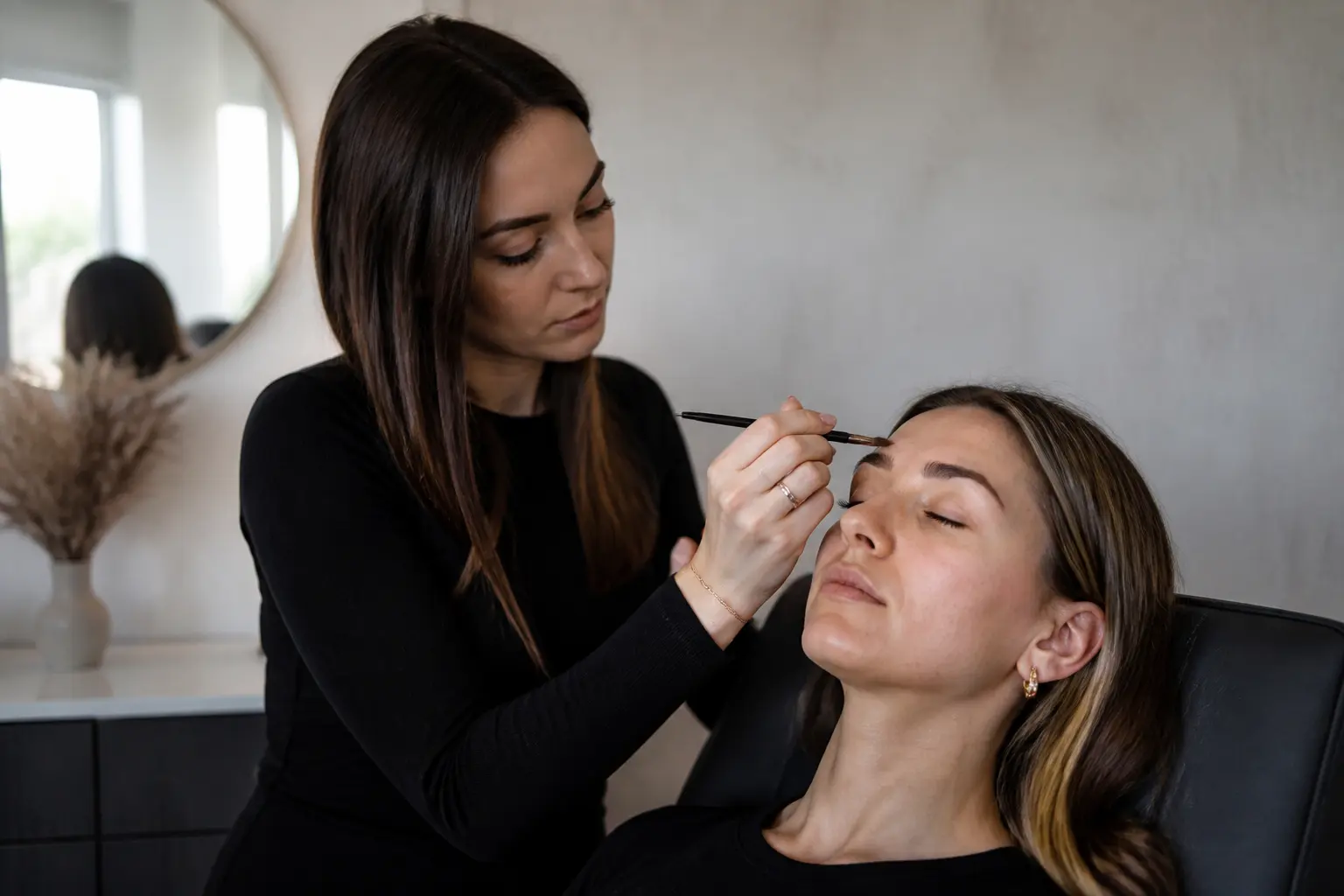
Fluffy, brushed-up brows have become a go-to look for people who want definition without a heavily drawn-on finish. The appeal is easy to understand: brow hairs appear more lifted, the natural shape looks fuller and the face can look more open with very little make-up. But if you spend each morning brushing hairs upwards and adding gel to hold them in place, you may be wondering whether brow lamination can simplify the routine.
It can help, but it is important to approach the service with realistic expectations. Brow lamination can make natural hairs easier to direct into a lifted, editorial style for a period of time. It cannot create new hairs, permanently change the brow area or make every pair of brows look identical. The most flattering result comes from working with the hair you have, your preferred level of polish and a shape designed around your own features.
At a professional brow studio, lamination is not simply about making hairs stand upright. It is about assessing their natural direction, density and condition, then setting them into a softer, more manageable arrangement. Here is what the service can genuinely do, where daily styling may still be useful and how to decide whether it suits your brow goals.
What people mean by fluffy editorial brows
Fluffy editorial brows are usually characterised by visible texture, upward movement and a relaxed fullness through the front of the brow. Rather than every hair sitting in one sharply defined line, the brow has a light, airy finish. The tail may still be tidy and structured, but the overall effect is softer than a very precise, sculpted brow.
There is no single template for this look. On one person, it may mean gently lifting fine hairs at the front while keeping the arch natural. On another, it may involve directing stronger hairs diagonally upwards to reveal more of the brow’s existing width. A good result should feel connected to your own facial proportions and hair growth pattern, not copied from a filtered image.
Daily brow gel can temporarily create this finish. You brush the hairs into position, allow the product to set and, depending on the formula, add a little tint or texture. Brow lamination works differently because it is designed to make the hairs more receptive to styling beyond one morning.
What brow lamination can do
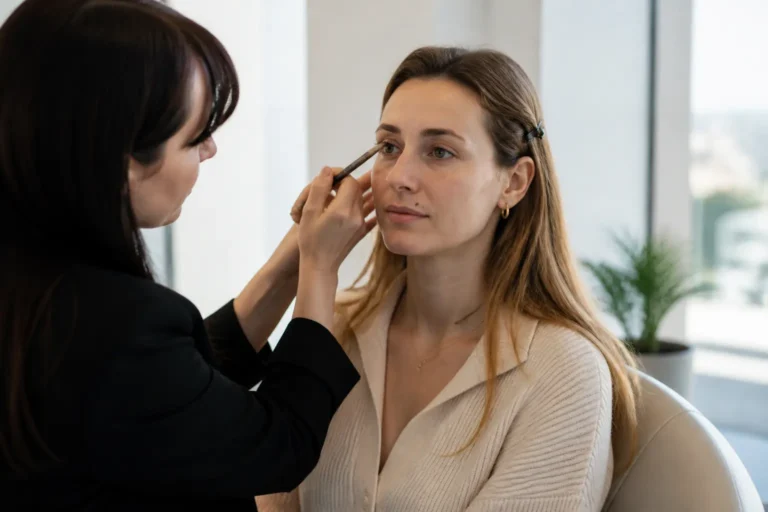
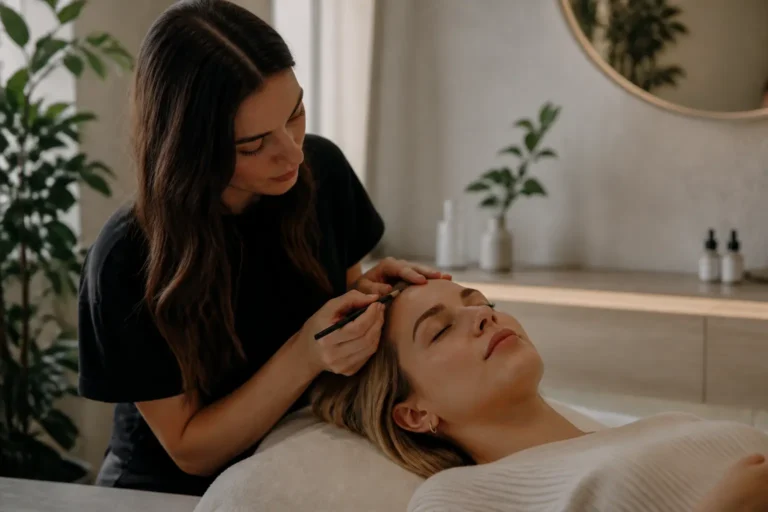
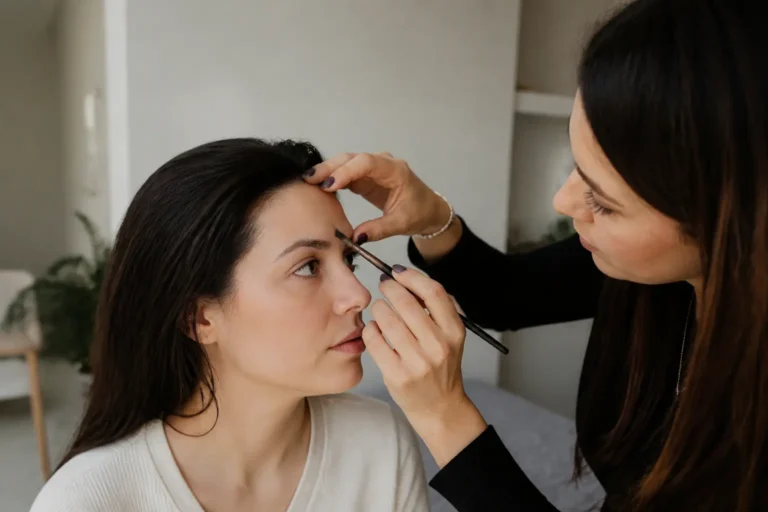
Brow lamination is a professional service that restructures the direction of the existing brow hairs, allowing them to be brushed and placed more easily into a new position. During the appointment, the artist works carefully through the hairs, directs them according to the agreed shape and completes the service with appropriate finishing steps. At Becammo, brow lamination is a dedicated eyebrow service, so the aim is to consider the whole brow rather than simply follow a trend.
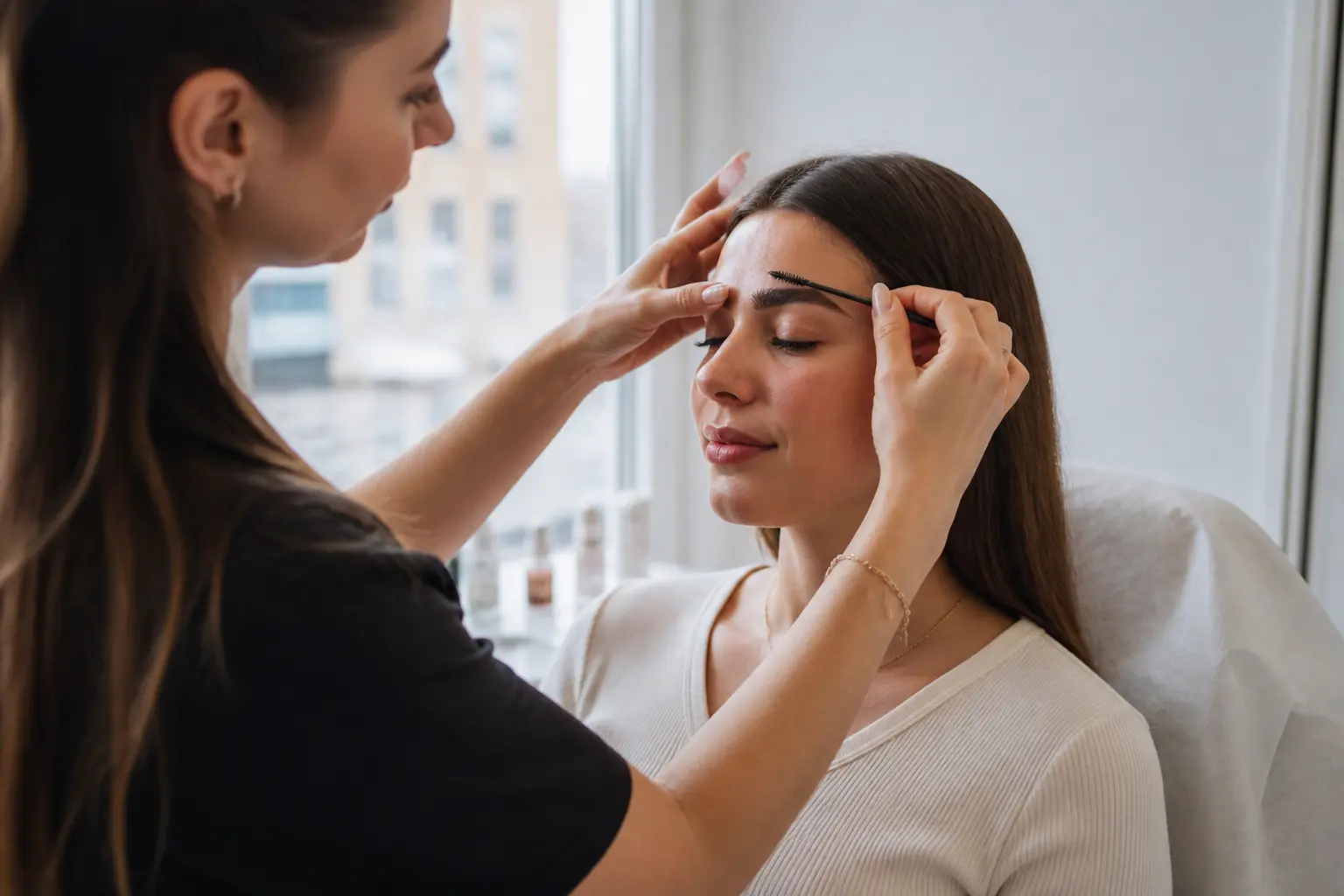
It can make brows look more open and lifted
When hairs naturally point downwards, sideways or in different directions, they can make the brow line look less visible than it actually is. Lamination can help redirect those hairs upwards or diagonally, exposing more of the natural brow shape. This can create a more lifted appearance, particularly at the front of the brow.
The change is not about forcing every hair into a vertical position. A brow that is lifted too aggressively can look stiff or out of balance. The more refined approach is to use upward direction where it enhances the brow, then soften the transition through the arch and tail.
It can make existing density look more noticeable
Lamination cannot add density, but it can change how existing hairs sit against the skin. When brow hairs are separated, brushed out and directed well, they may cover more visual space. This often gives the impression of a fuller brow, especially where hairs are present but tend to lie flat.
This distinction matters. If you have sparse areas with very few or no hairs, lamination may improve the styling of the surrounding hair but it will not fill the gaps. Depending on your goals, a professional may discuss brow tint or henna, shaping, or a separate consultation for semi-permanent brow options. The right route depends on the look you want and an individual assessment.
It can reduce the amount of daily brow gel you use
For many clients, this is one of the most useful benefits. Because the hairs are easier to brush into the desired direction after lamination, you may not need to rely on a strong-hold gel every day to achieve a lifted look. A clean spoolie brush and a light touch can be enough for some routines.
That does not mean everyone will stop using brow products entirely. You may still choose a small amount of gel for extra hold on humid days, for an evening look or when you want a particularly polished finish. Tinted products can also remain useful if you like more depth or want to make lighter hairs appear more defined.
It can support a softer alternative to a heavily filled brow
If you are trying to step away from daily pencil, pomade or strong block-shaped brows, lamination can offer a different starting point. It focuses attention on the natural hair pattern. You can still add make-up if you enjoy it, but you may find that you need less product to make the brow feel complete.
This is particularly helpful for people whose brows have good natural hair coverage but lack direction. Once the hairs are positioned more intentionally, the shape can read more clearly without needing to be drawn in from scratch each morning.
What brow lamination cannot do
The most satisfying appointments begin with an honest conversation about limits. Brow lamination is a styling service for natural brow hairs. It can be transformative in the right circumstances, but it is not a replacement for every brow concern.
It cannot grow new brow hairs
Lamination works with the hairs currently present. It cannot produce hair growth in areas that are sparse, over-plucked or naturally patchy. It may make the brows look visually broader by changing the placement of available hairs, but it does not alter the number of follicles or create new coverage.
If a fuller look is your priority, it helps to identify what you mean by fuller. You may want more visible texture, more colour contrast, a clearer outline or actual coverage in empty areas. These are different needs, and they may call for different services or a personalised combination.
It cannot make every brow perfectly symmetrical
Natural brows are sisters, not duplicates. Bone structure, muscle movement, hair direction and past hair removal habits all influence how each side sits. Lamination can improve balance and help both brows look more intentional, but a professional should not promise mirror-image symmetry.
A thoughtful brow design respects the differences that make your face natural. Small adjustments in direction, trimming and shaping can make a meaningful visual difference without creating an overly artificial result.
It cannot override very resistant hair completely
Some brow hairs are fine and flexible, while others are coarse, curly or resistant. Lamination can still be considered for different hair types, but the final degree of lift and the ease of at-home styling may vary. Resistant hairs may need a more tailored approach and may not settle into the same soft, feathered direction seen on someone with straighter brow hair.
This is why photos can be useful for inspiration, but they should not be treated as a guarantee. A trained brow artist can look at your own growth pattern and explain what is realistically achievable before proceeding.
It cannot remove the need for every kind of maintenance
Lamination can reduce your daily styling effort, but it does not mean your brows need no care. As the service gradually relaxes, your hairs return towards their usual behaviour. You may still need occasional shaping to maintain a clean outline, and you may still choose make-up on days when you want more intensity.
Aftercare also matters. Following the guidance given at your appointment helps you look after the brow area while the result settles. Your artist can explain the appropriate routine based on the products used and the condition of your hairs.
Who is most likely to enjoy a gel-light brow routine after lamination?
Brow lamination often suits people who already have a reasonable amount of brow hair but find that it grows unevenly, lies flat or becomes difficult to brush into place. It can be especially appealing if you like the fluffy brow aesthetic but dislike the feel of applying strong styling products every day.
- You have brow hairs that point downwards or sideways and want a more lifted direction.
- You like a natural-looking, textured brow rather than a sharply filled-in shape.
- You have enough hair to create visible movement when it is brushed and separated.
- You want to shorten your morning routine, while accepting that occasional light styling may still be welcome.
- You would like your brow shape assessed and adjusted around your own features.
It may be less suitable if your priority is filling large hairless gaps, achieving exact symmetry or getting a bold, pigment-heavy look without using make-up. In those cases, ask for a proper consultation so you can discuss the options that match your expectations.
How to ask for the right version of fluffy brows
“Fluffy brows” can mean different things to different people. Being specific during your appointment helps your brow artist tailor the finish. You do not need technical language. A few simple details can make the conversation clearer.
Bring reference images, but explain what you like about them
Instead of asking to copy a photo exactly, point out the features you are drawn to. Perhaps you like the softly lifted fronts, the natural arch, the visible hair texture or the tidy tail. This gives the artist a better understanding of your preference while leaving room to adapt the result to your brows.
Say how much styling you want to do at home
If your goal is to use little or no gel most mornings, say so. Your artist can help set expectations about how easily your hairs are likely to sit after the appointment. If you enjoy styling and want a more dramatic editorial finish for events, that is useful information too.
Be honest about your normal brow routine
Let the studio know whether you tint, use retinoid skincare near the brow area, recently had another brow service or have noticed sensitivity. These details can affect timing and suitability. They also help the appointment feel more personalised and considered.
Making the result look polished without overdoing it
The best laminated brows do not need to look permanently frozen in place. A few gentle habits can keep the finish polished while preserving the relaxed quality that makes fluffy brows appealing.
- Brush the hairs lightly in the direction shown during your appointment, rather than pressing them flat against the skin.
- Use a clean spoolie when you need a quick reset in the morning.
- Choose minimal make-up if you want the hair texture to remain the focus.
- Add a little brow pencil only where you want definition, rather than outlining the entire brow heavily.
- Follow your professional aftercare advice and avoid experimenting with harsh products around the brow area immediately after the service.
Think of lamination as a foundation for styling rather than a rule that your brows must look one way. Some days you may wear them softly brushed up. On others, you may prefer a more refined shape with a little added colour. The advantage is having hairs that are easier to work with.
Why professional assessment matters
Brow trends move quickly, but your facial features and natural hair pattern deserve more consideration than a one-size-fits-all finish. A professional appointment gives you the chance to discuss density, hair direction, preferred shape and how much maintenance feels realistic for your life.
At Becammo, brow services are approached with personalisation in mind. The studio works with different brow types and backgrounds, recognising that texture, density and growth direction vary widely. Whether your goal is a subtle lift or a more noticeable editorial effect, the focus should be on creating a result that feels wearable for you.
Conclusion
Brow lamination can be an excellent option if you want fluffy, lifted brows with less dependence on daily gel. It can make existing hairs easier to direct, reveal more of your natural shape and create a fuller-looking effect through thoughtful placement. At the same time, it cannot create new hairs, promise identical symmetry or make every brow behave in exactly the same way.
The most natural-looking results come from a realistic plan and a professional assessment of your own brows. If you are considering brow lamination in Malta, book a visit at Becammo in Sliema or Swieqi and discuss the level of lift, texture and daily maintenance that suits you best.
Frequently asked questions
Can brow lamination completely replace brow gel?
For some people, it can greatly reduce the need for daily gel because the hairs are easier to brush into place. Others may still use a small amount for additional hold, tint or a more polished evening finish. Your natural hair type and preferred look both matter.
Will lamination make my brows look thicker?
It can make existing hairs look more visible by separating and redirecting them, which may create a fuller-looking effect. It does not add new hairs or fill areas where there is no natural growth.
Can I request a natural fluffy brow instead of a dramatic lift?
Yes. The finish should be discussed before the service. A fluffy brow can be softly lifted and textured without making every hair stand straight up. Reference images can help communicate the amount of lift you prefer.
Is brow lamination suitable for sparse brows?
It may improve the appearance of the hairs you have, particularly if they lie flat or grow in several directions. However, it cannot cover larger gaps by itself. A brow professional can help you understand whether shaping, tint or another option may support your goals.
Do I still need brow shaping after lamination?
You may still choose shaping to keep the outline tidy and aligned with your preferred design. Lamination focuses on hair direction, while shaping addresses unwanted growth around the brow line.