Deep Tissue Massage: Pressure, Technique and Target Areas
Brenda Cammo Team
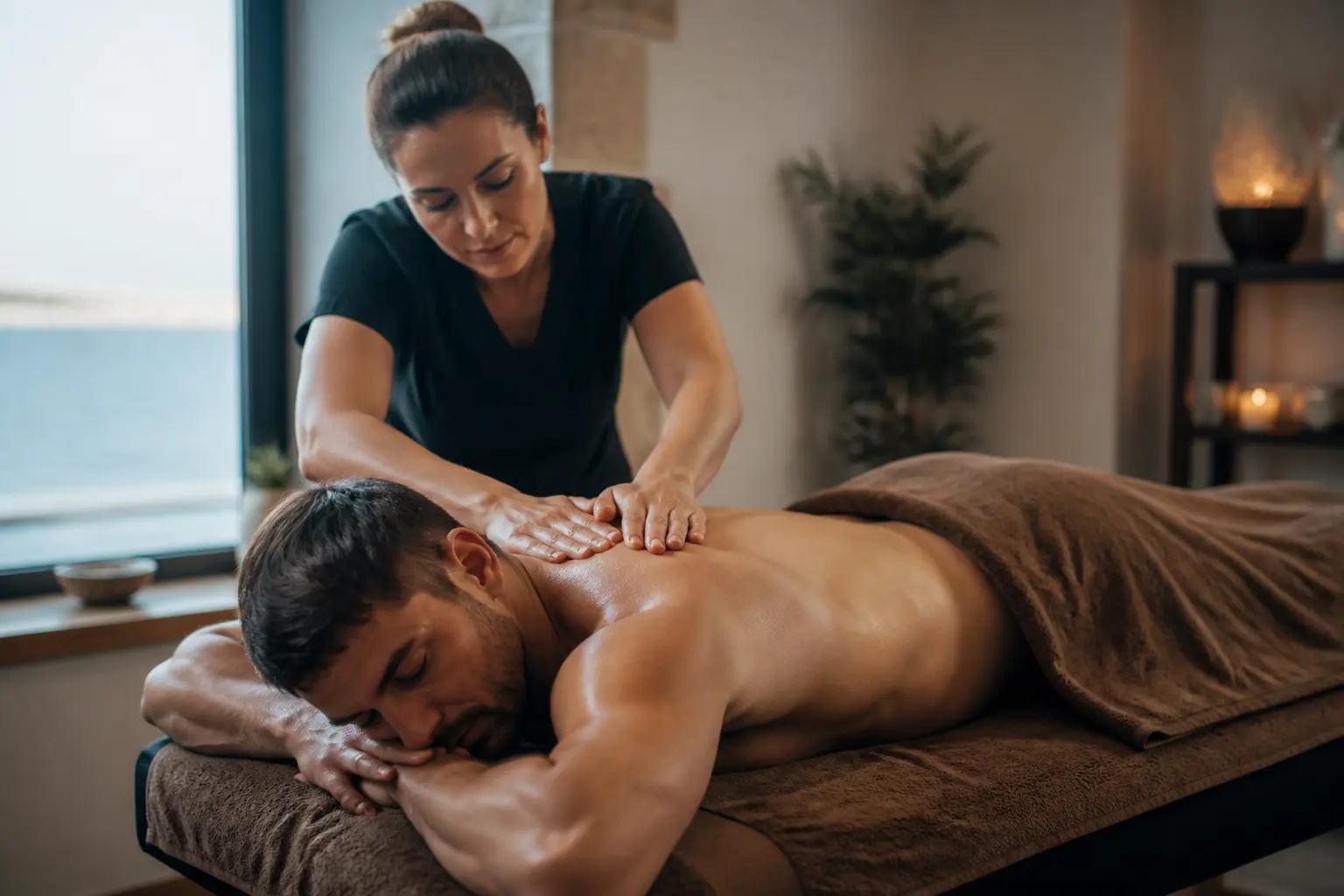
Deep tissue massage is often described as a stronger massage, but pressure alone does not define it. A well-planned session uses slower, more focused techniques to work with areas of persistent muscular tightness, such as the upper back, shoulders, legs or hips. The aim is not to make the pressure as intense as possible. It is to use the right level of pressure, in the right place, while keeping the experience respectful, responsive and suited to you.
If you are considering a deep tissue massage in Malta, it helps to know what the term means before you book. Understanding the approach can make it easier to explain what feels tight, choose the right focus for your appointment and communicate clearly during the session.
What is deep tissue massage?
Deep tissue massage is a style of massage that generally uses slower strokes and more sustained, deliberate pressure than a relaxation-focused massage. It is commonly chosen by people who feel ongoing tightness from repetitive movement, desk work, training, long drives or everyday stress held in the body.
The word “deep” can be misleading. It does not mean that a therapist should press hard everywhere, throughout the entire appointment. Instead, it refers to a more considered approach to muscles and the connective tissues around them. A practitioner may gradually work through more superficial layers before applying firmer pressure to a particular area.
According to Cleveland Clinic’s guide to massage types, deep tissue massage is used to address tightness in muscles and tendons, particularly where repeated use or postural habits leave the body feeling restricted. That description is useful, but every person’s experience is individual. The same pressure that feels productive and comfortable for one client may feel excessive for another.
At a professional studio, a deep tissue session should begin with conversation. You may be asked about the areas you would like to prioritise, your daily routine, exercise habits, recent discomfort and whether there is anything the therapist should avoid. This creates a clearer plan than simply requesting “strong pressure”.
Deep tissue pressure: firm does not have to mean painful
One of the most important things to understand is that deep tissue massage should not be an endurance test. Some focused work can feel intense, especially around a tight shoulder, calf or upper back area. However, intensity and pain are not the same thing.
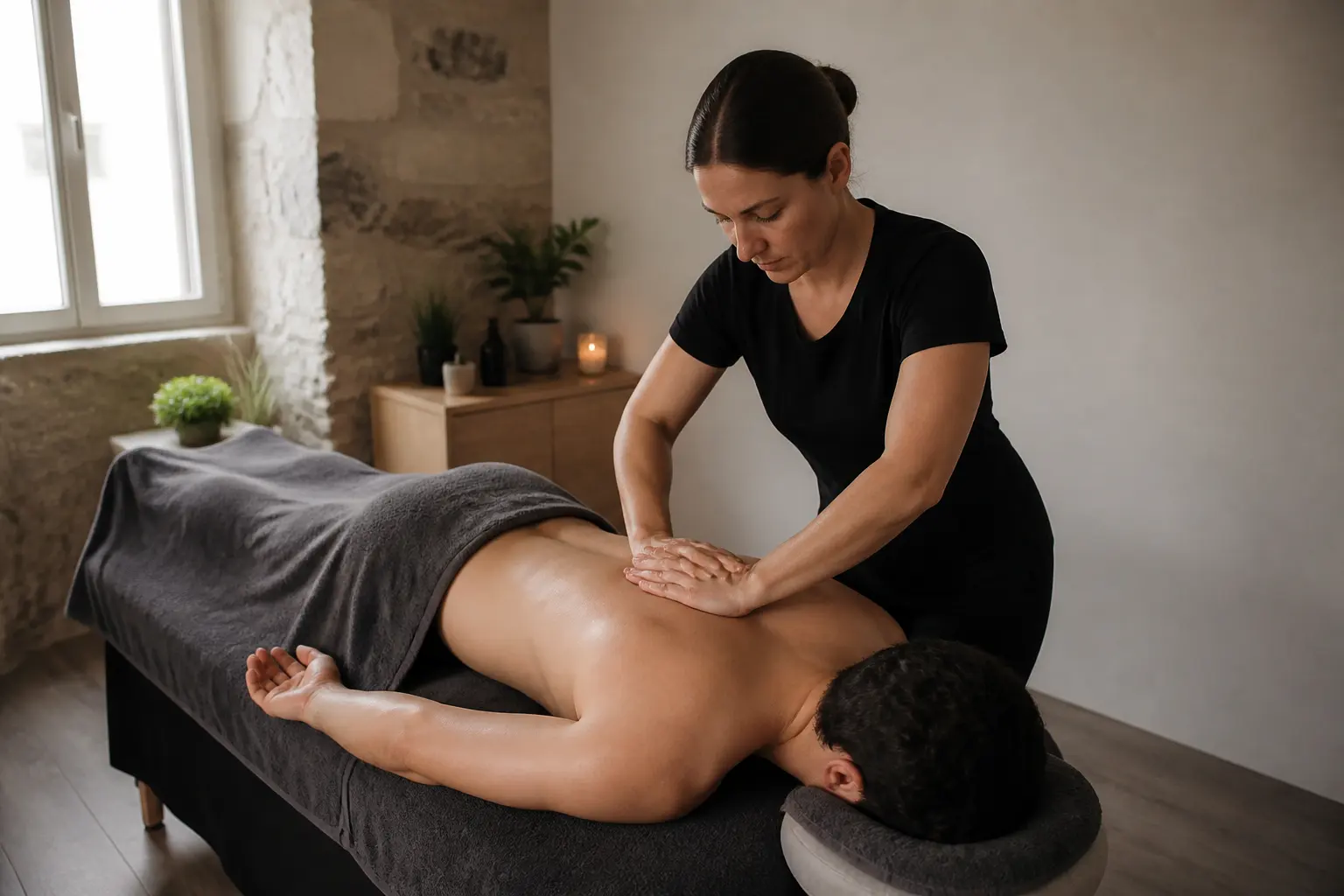
A useful rule is to communicate early rather than waiting until you are very uncomfortable. Pressure should feel manageable. You may notice a feeling of release, warmth or a temporary sense of tenderness in a focused area, but you should still be able to breathe normally and relax into the table. If you start bracing, holding your breath, tensing against the touch or feeling sharp pain, the pressure needs adjusting.
A professional therapist can modify several elements during the massage:
- Pressure level: lighter, moderate or firmer contact according to your comfort.
- Speed: slower strokes can allow work to be more focused without rushing the body.
- Duration: a tense area may benefit from gradual attention rather than repeated force.
- Technique: palms, fingers, knuckles, forearms or elbows may be used carefully, depending on the area and the intended pressure.
- Focus: the session can concentrate on one or two priorities instead of trying to work deeply across the entire body.
Communication is part of the technique, not an interruption. Cleveland Clinic’s massage therapy guidance also notes that clients should speak up when a sensation becomes uncomfortable. You do not need to wait until the end of the appointment to say that an area is too sensitive or that you would prefer a lighter approach.
How the technique is usually approached
Deep tissue massage is more thoughtful than simply applying heavy pressure to a knot. A skilled appointment usually has a progression. The therapist first observes how the tissues respond, then adapts the pace and depth. Although exact techniques vary, the session may include the following elements.
Slow, gliding strokes
Longer, slower strokes are often used to introduce pressure and identify areas that feel especially tight. Moving gradually allows the therapist to work without startling the muscles into further tension. This can be particularly useful for broad areas such as the back, thighs and calves.
Focused work on small areas
When a client describes a specific tight spot, such as the space between the shoulder blade and neck or a dense calf after activity, the therapist may spend more time there. The pressure is applied with attention to feedback rather than by following a fixed routine.
Compression and release
A therapist may hold steady, comfortable pressure for a short time before easing away. This is different from pushing repeatedly or aggressively. The goal is to give the area time to respond while monitoring how it feels for the client.
Stretching and movement where appropriate
Some appointments may include gentle assisted movement or stretching to support a sense of ease around a tight area. This should always feel controlled and within your comfort range. You should never feel forced into a stretch.
Adapting to different body areas
Not all parts of the body need the same pressure. The broad muscles of the upper back may tolerate a different approach from the neck, forearms or the front of the hip. A personalised session recognises these differences instead of treating “deep tissue” as one pressure setting.
What does deep tissue massage target?
Deep tissue massage is generally chosen for muscular tension and areas that feel overworked, stiff or limited after repetitive activity. It works with soft tissues, including muscles and the connective tissue that supports and surrounds them. Connective tissue, often called fascia, is present throughout the body and helps muscles move in relation to one another.
Common focus areas include:
- Neck and shoulders: often requested by people who spend long periods at a computer, carry bags on one side or notice upper-body tension at the end of the day.
- Upper and lower back: a session may focus on muscular tightness linked to sitting, standing, driving or general overuse.
- Hips and glutes: these areas can feel restricted after long periods seated, walking, running or training.
- Legs and calves: often a priority for active clients, people on their feet for work or anyone experiencing general post-activity tightness.
- Arms and forearms: sometimes included when repetitive work, lifting, gripping or screen use leaves the hands and lower arms feeling tired.
It is important to separate general muscular tightness from a diagnosis. Massage may be a helpful part of personal wellbeing and recovery routines, but it does not replace assessment for an injury, unexplained pain or a health condition. If discomfort is severe, persistent, follows an accident, comes with swelling, weakness, numbness, fever or changes in sensation, seek advice from an appropriate healthcare professional before booking a massage.
Deep tissue massage versus relaxation massage
Both styles can feel restorative, but they are usually booked with different priorities in mind. A relaxation massage commonly uses flowing, gentler techniques across larger areas of the body, with the overall aim of helping the client switch off and unwind. Deep tissue massage tends to use a slower pace and more targeted pressure where there is a particular pattern of tightness.
| Feature | Deep tissue massage | Relaxation-focused massage |
|---|---|---|
| Primary focus | Targeted muscular tightness and areas of tension | General calm, comfort and full-body relaxation |
| Pressure | Tailored, often moderate to firm in selected areas | Usually light to moderate and flowing |
| Pace | Slower and more deliberate | Rhythmic and soothing |
| Best suited to | Clients wanting attention on specific overworked areas | Clients who mainly want to relax and decompress |
The boundary is not always strict. A good massage can combine calm, comfort and focused techniques. If you are unsure which option fits your needs, describe your goal rather than trying to choose based on pressure alone. For example, you might say, “My shoulders feel constantly tight after desk work, but I do not want an overly intense massage.” That gives the therapist useful information to tailor the appointment.
What to expect during a professional appointment
A deep tissue massage should feel organised, private and client-led. Before the session begins, take a moment to share your priorities. Mention whether you have a particular area of tightness, how long it has been bothering you and whether there are areas you would prefer not to have massaged.
During the session, the therapist may check in about pressure. Honest answers are helpful. “A little lighter there”, “that is comfortable”, or “please spend more time on my calves” are all useful directions. You are not being difficult by giving feedback. It helps create a safer and more effective experience.
After the massage, you may feel relaxed, looser in the areas worked or mildly tender, especially after a firmer, focused session. Plan a gentler evening if possible. Drink water according to your normal needs, eat as usual and give yourself time before demanding exercise if your body feels tired. Gentle movement can feel more comfortable than staying completely still.
Do not expect one appointment to solve every source of tension. Factors such as work setup, activity levels, sleep, stress, mobility and previous injuries all influence how the body feels. Regular massage can be one part of a balanced routine, alongside movement, rest and professional healthcare advice where needed.
When to postpone or seek advice first
Massage is not suitable in every situation, and a responsible booking conversation matters. Tell the studio in advance if you have a recent injury, surgery, open skin, a skin infection, significant bruising, a fever, a blood-clotting concern, take blood-thinning medication or have another medical condition that could affect massage safety.
Professional guidance advises extra caution for people with conditions such as blood clots, fractures, burns, open wounds or use of blood-thinning medicines. You can find an overview in Cleveland Clinic’s information on myofascial release, which also explains why health history is relevant before hands-on bodywork.
Pregnancy, ongoing medical care and post-operative recovery also deserve individual guidance. In these circumstances, ask your healthcare professional whether massage is appropriate for you and let the therapist know before the session. A reputable studio will always prefer clear information over assumptions.
How to get the most from your deep tissue massage
- Arrive with a clear goal. Choose one or two areas you would most like to prioritise.
- Be specific about your routine. Desk work, training, travel, standing shifts and repetitive movement can all help shape the session.
- Set a realistic pressure preference. Ask for firm but manageable pressure rather than assuming deep tissue must hurt.
- Share relevant health information. This helps the therapist adapt the appointment responsibly.
- Give feedback as the session happens. Small adjustments can make a major difference to comfort.
- Notice how you feel afterwards. This can guide the focus and pressure of a future appointment.
For many clients, the best deep tissue massage is not the one that feels most intense. It is the one that leaves them feeling listened to, more comfortable and clear about what their body responded to.
Conclusion
Deep tissue massage uses targeted, gradual pressure to focus on areas of muscular tightness and everyday physical tension. It is not about tolerating unnecessary discomfort, and it should always be tailored around your comfort, health information and personal goals.
If you are looking for a more focused massage experience in Malta, consider what you would like the session to address, then book a massage appointment at Becammo in Sliema or Swieqi. Share your priorities when booking or ask the team which approach may be most suitable for your wellbeing routine.
Frequently asked questions
Is deep tissue massage supposed to hurt?
It can feel intense in a tight area, but it should not feel sharp, overwhelming or impossible to tolerate. Tell your therapist straight away if you are tensing, holding your breath or feeling pain that concerns you. Pressure can be adjusted.
What is the difference between deep tissue and sports massage?
Deep tissue massage describes a focused approach that may be used for general muscular tightness. Sports massage is usually planned around a person’s training, activity or recovery needs. There can be overlap, but the best choice depends on your goal and routine.
Which areas can be included in a deep tissue massage?
Common areas include the back, shoulders, neck, hips, legs, calves, arms and forearms. The session should be tailored to your priorities, comfort and the time available.
Will I feel sore after a deep tissue massage?
Some people notice mild, temporary tenderness after focused work, while others mainly feel relaxed. How you feel can vary with pressure, the areas treated and your usual activity level. Let the therapist know how you responded at your next appointment.
Can I book deep tissue massage if I have an injury?
It depends on the injury and its stage. For a recent injury, unexplained pain, swelling, numbness or a condition under medical care, seek advice from an appropriate healthcare professional first and tell the studio before booking.