At BeCammo, cotton thread is the standard material for eyebrow threading: it is disposable and used once for one client. Polyester thread may be considered for clients who report a relevant cotton allergy or sensitivity, so mention this when booking and again when you arrive. Neither material is automatically better; the shape depends on the consultation, your natural growth and the threading technique.
The thread used for eyebrow threading may seem like a small detail, but it can be a useful part of a well-prepared appointment. Most people focus on the shape they want, how much fullness to keep or whether to add tint afterwards. Those conversations matter, yet the material used during hair removal can matter too.
At BeCammo, cotton thread is the standard material for eyebrow threading. It is disposable and used for one client only. Polyester thread may be considered for clients who report an allergy or sensitivity relevant to the standard cotton thread. Discussing this before your service helps the brow professional prepare appropriately while keeping the appointment focused on your comfort, hygiene and desired shape.
This is not about suggesting that one material creates a universally better brow result than the other. Threading is primarily a technique: the practitioner twists and controls the thread to catch and remove unwanted hairs with precision. The final shape depends on factors such as your natural growth pattern, density, facial features, previous brow work and the amount of hair you want removed. Material is one practical part of the service conversation.
Why might the thread type come up before eyebrow threading?
An eyebrow appointment works best when the person shaping your brows has the information needed to tailor the service. That can include how you usually wear your brows, whether you are growing them out, whether you have an event coming up and whether you have any relevant sensitivities.
The thread itself is in direct contact with the skin during threading. For that reason, it is sensible to mention a known cotton allergy or any previous reaction you believe may be connected to a beauty material. A professional can then discuss the available approach, including the use of polyester thread where appropriate.
This conversation should be straightforward. You do not need to diagnose the cause of a past reaction yourself or arrive with a perfect explanation. Simply share what happened, when it happened and, if you know it, which product or material was involved. Clear information is more useful than guessing.
A practical example
Imagine that you previously noticed irritation after using a cotton-based dressing, fabric accessory or beauty product. That does not automatically establish that cotton thread will be unsuitable for you, because reactions can have different causes. However, it is still relevant information to raise before threading. The brow professional can ask a few practical questions and decide whether polyester thread is the more suitable option for that appointment.
Why is cotton thread the standard choice for threading?
Cotton thread is widely associated with traditional threading techniques, which have historical roots in India and the Middle East. During brow threading, a twisted section of thread moves across the skin and catches hairs in a controlled line. This makes it possible to refine areas such as the underside of the brow, the centre between the brows and soft regrowth around the natural arch.
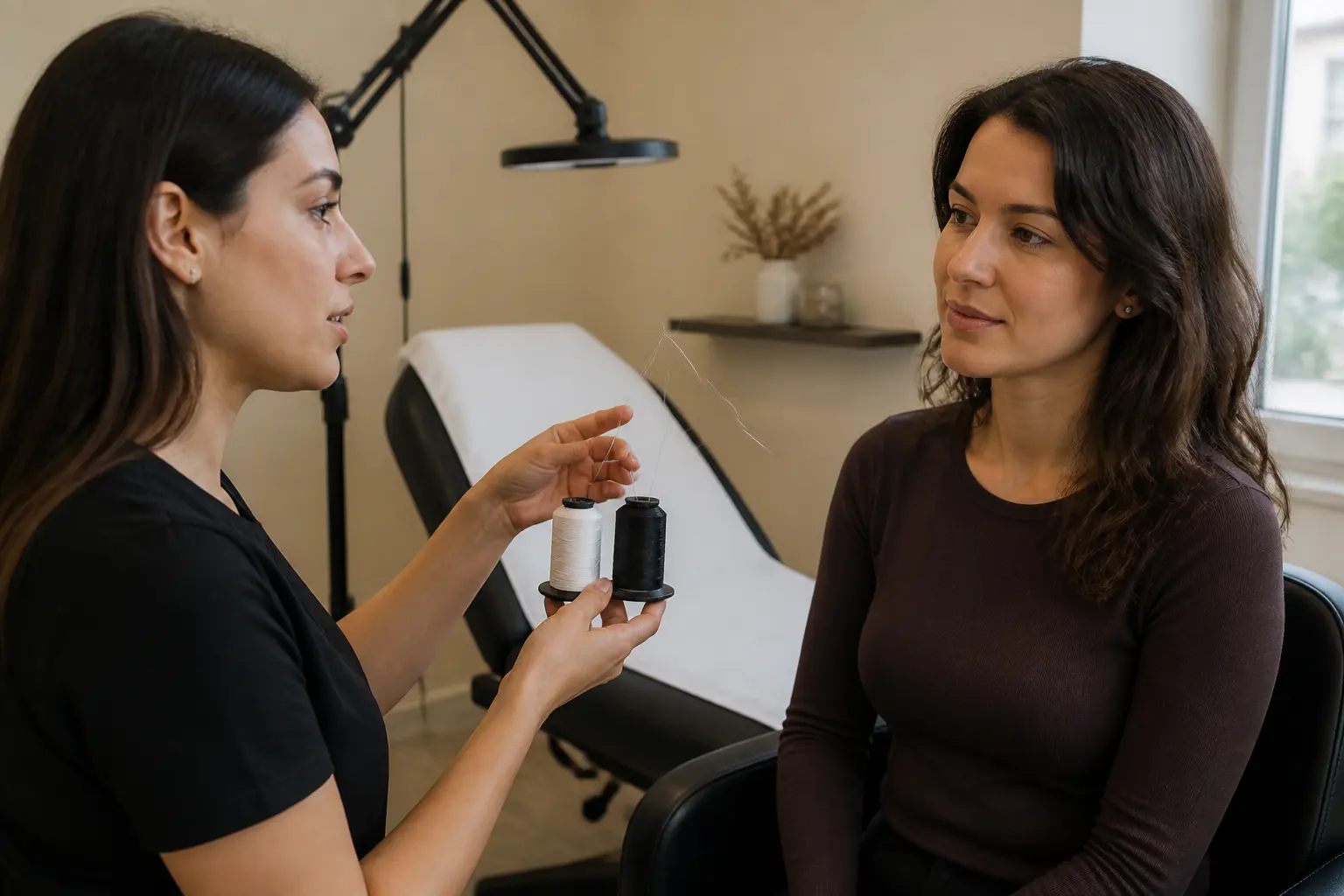
At BeCammo, cotton thread is the standard. Each piece is disposable and used once for one client. That single-use approach is an important part of a hygienic service routine: the thread used during your appointment is not retained or shared with another client.
For many clients, the main advantage of threading is not simply the material but the control of the method. A considered design can remove selected hairs while preserving natural density where it supports the overall brow shape. This can be especially helpful if you prefer brows that look groomed rather than overly sharp or heavily thinned.
What cotton thread does not determine on its own
It is easy to assume that choosing cotton automatically determines comfort, speed or the exact final effect. In reality, those elements depend on several factors:
- your skin’s condition on the day of the appointment;
- the coarseness, direction and density of your brow hair;
- the areas being refined;
- the precision needed for your chosen shape;
- your own sensitivity to hair removal; and
- the professional technique used throughout the service.
Threading can involve mild, brief discomfort because hairs are removed from the root. Experiences vary from person to person, so it is better to discuss any concerns openly than to expect the same sensation as someone else.
At BeCammo · Sliema · Swieqi
Eyebrow threading in Malta
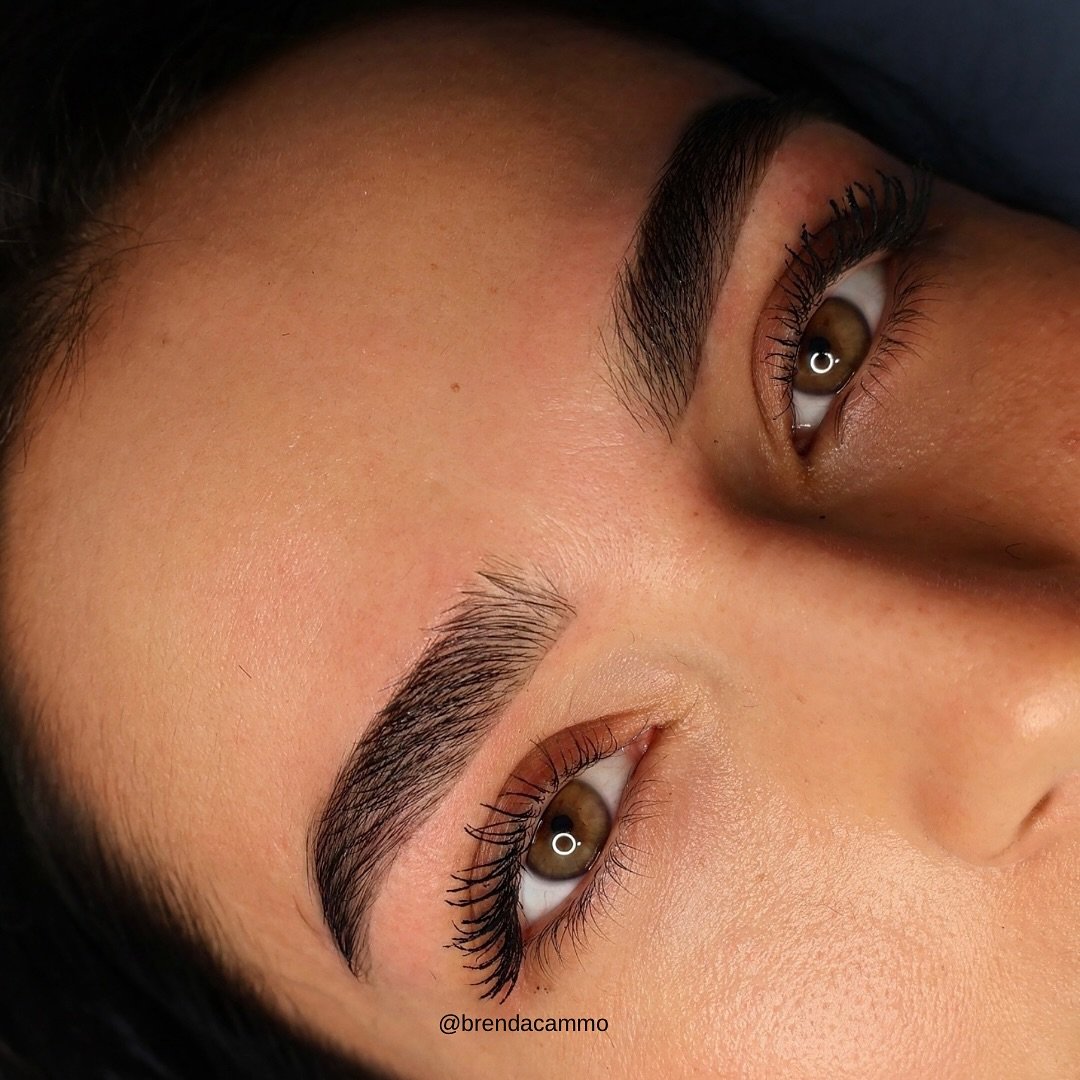
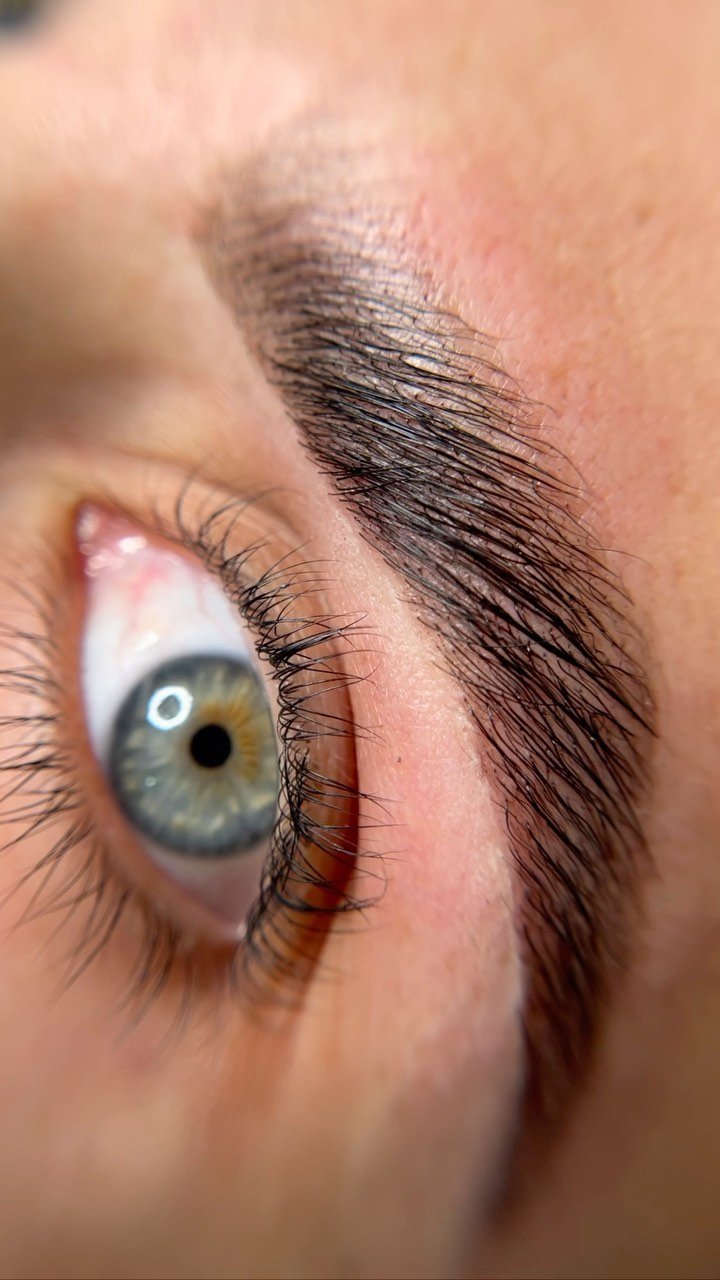
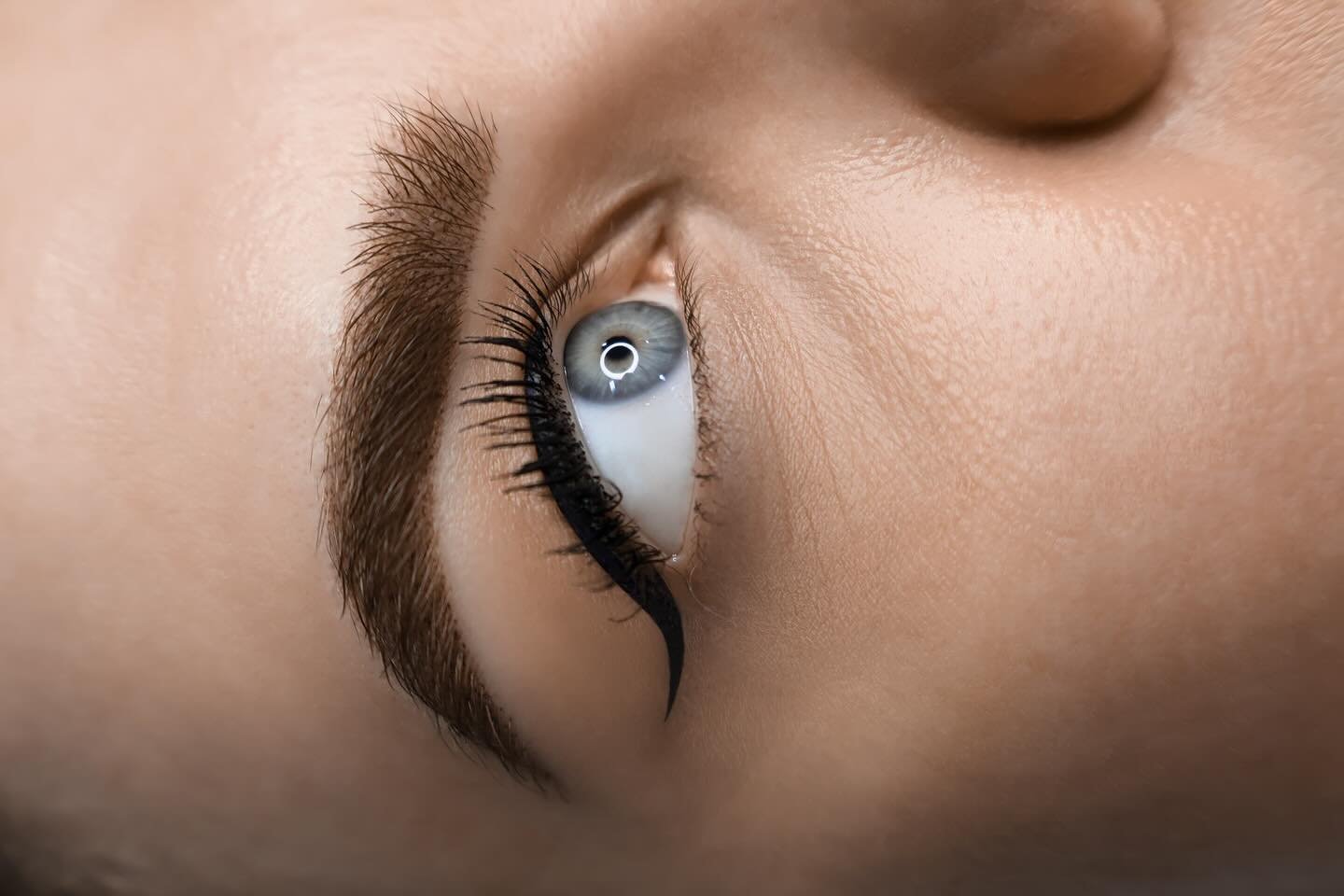
Same client, before and after threading.
Clean, natural brows shaped to your face, at our salons in Sliema and Swieqi. Threading is what BeCammo was built on.
- from €16price
- Sliema · Swieqiwhere
- ★ 5.0460+ Google reviews
When may polyester thread be considered?
Polyester thread is available at BeCammo for clients with a relevant allergy or sensitivity to cotton. The purpose is practical: it gives the appointment an alternative thread material to discuss when the standard cotton option may not be appropriate for that individual.
If you know that cotton is a concern for you, mention it when booking if the booking system provides a note field, and repeat it when you arrive. This gives the team the best chance to prepare before the threading begins. If you are unsure whether a past reaction was related to cotton, say that too. It is still useful context.
It is important not to treat polyester as a promise that every sensitivity issue will be resolved. Skin can react to many factors, including skincare products, recent exfoliation, friction, heat, cosmetics or the hair-removal process itself. A material change may be relevant, but it is only one part of the wider appointment assessment.
How to describe a previous concern clearly
You can keep the conversation simple. Useful details include:
- what material or product you think was involved;
- what you noticed afterwards, such as redness, itching or discomfort;
- how soon it appeared;
- whether you have had the same issue more than once; and
- any professional advice you have already received about known allergies or sensitivities.
If you have a diagnosed allergy or a history of significant reactions, follow the advice of your qualified healthcare professional before booking any beauty service. A brow appointment is not the place to test assumptions about a serious allergy.
Material matters, but personalised brow design still comes first
Choosing between cotton or polyester thread is about preparing the service responsibly. It does not replace the design conversation. Before shaping begins, it is useful to talk through what you want your brows to look like and what you do not want.
For example, you may want to:
- keep a naturally full brow while tidying scattered regrowth;
- soften an uneven-looking outline without forcing both brows into identical shapes;
- maintain a gentle arch rather than create a dramatic one;
- grow out an area that has been over-plucked in the past; or
- prepare the brows for tint, henna or lamination at a suitable future appointment.
Your eyebrows are not meant to be identical copies. Natural bone structure, muscle movement and hair growth can differ from one side to the other. A personalised threading appointment should work with those differences rather than chase a rigid template.
This is also why it helps to arrive with a realistic idea of your routine. If you fill your brows with pencil every day, prefer a low-maintenance result or have a special occasion soon, say so. The more clearly you describe your preferences, the easier it is to create a shape that feels like you.
What happens during a threading appointment?
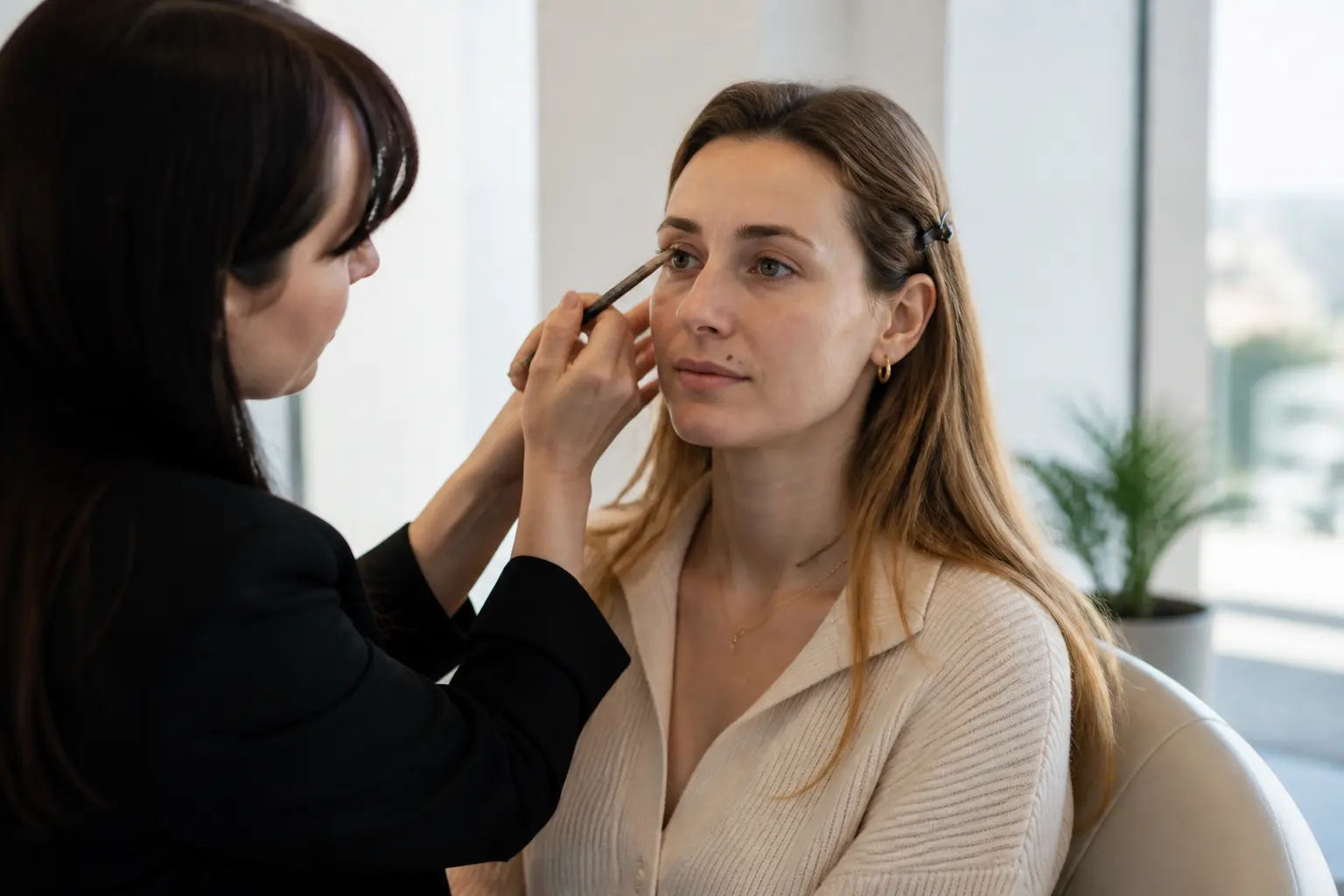
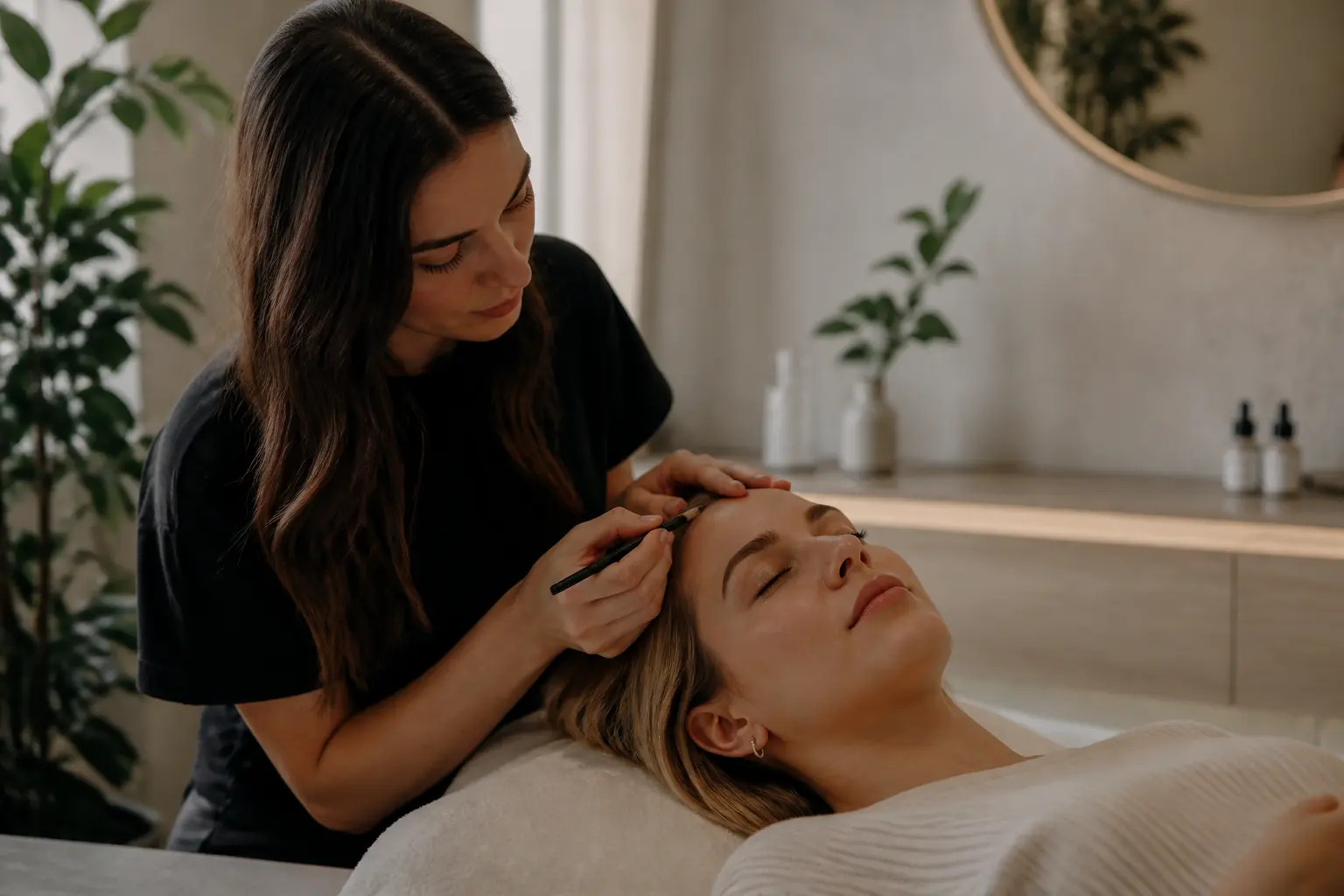
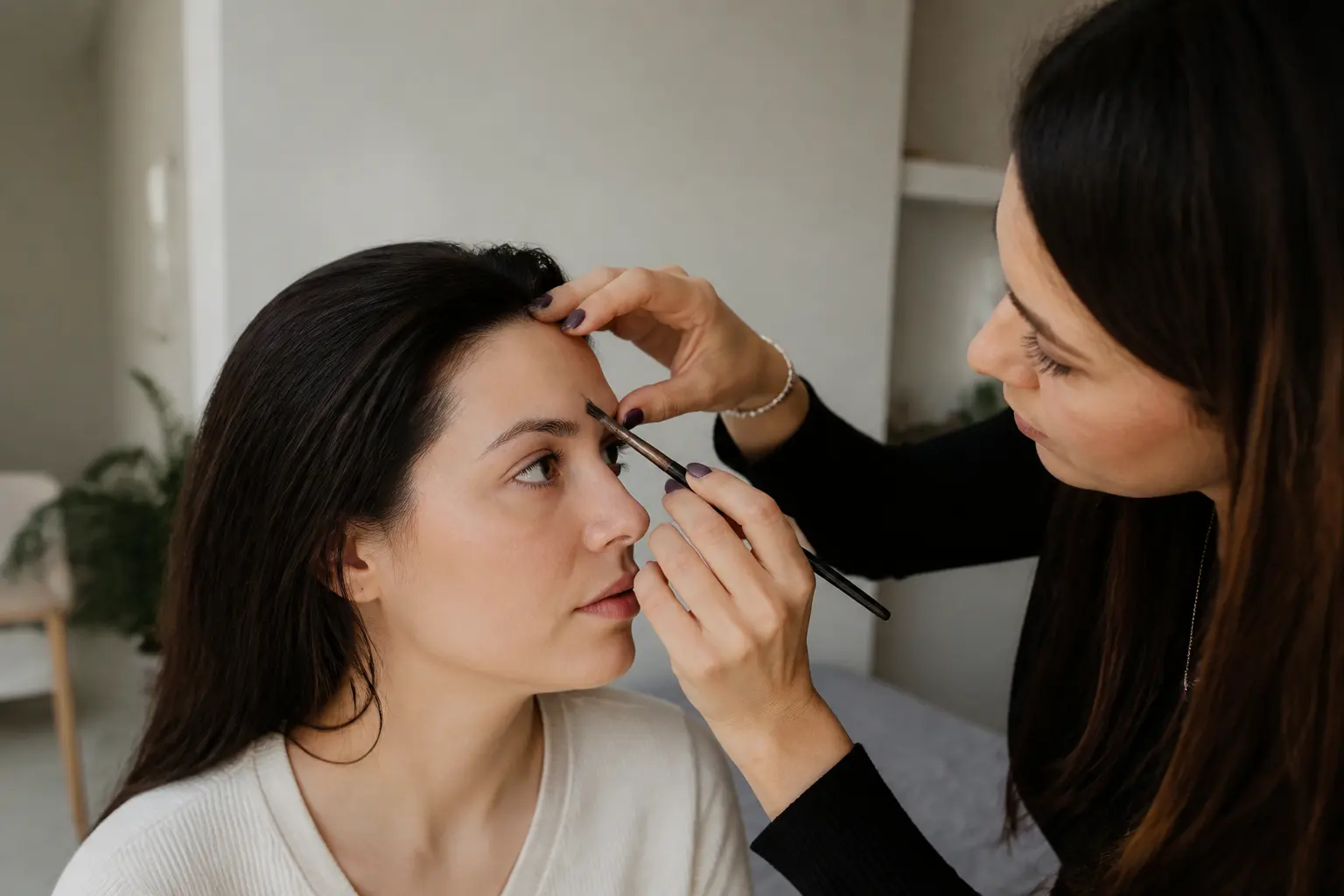
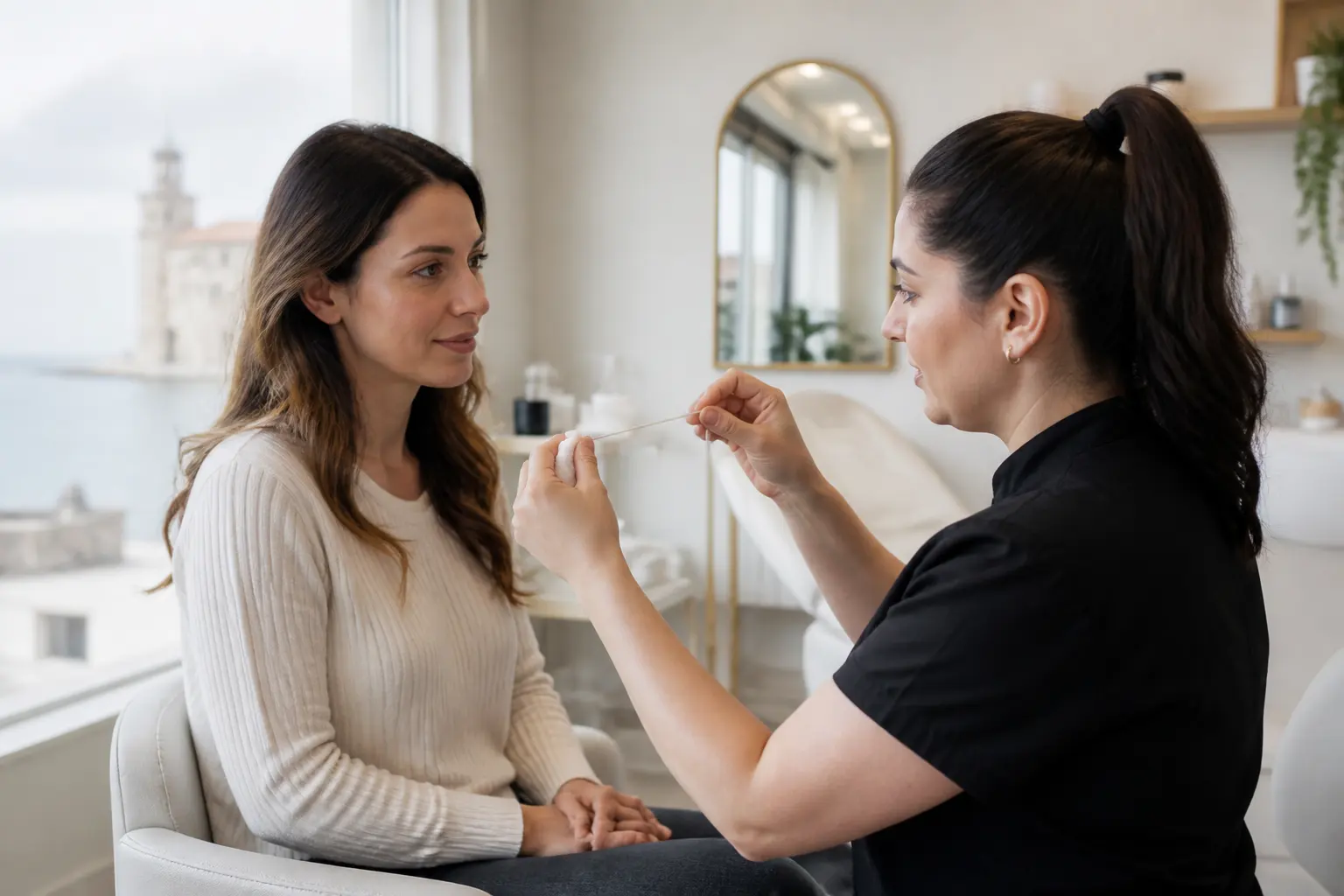
A typical eyebrow threading appointment begins with a quick consultation. The professional looks at your natural brow growth, listens to your preferences and checks any relevant information you share, including material sensitivities. Depending on your needs, the brows may be mapped or simply refined with attention to your existing shape.
The thread is then twisted and manoeuvred across small areas of hair. Unlike a broad strip method, threading allows the professional to work gradually along the brow line. This precision can be valuable around the arch and tail, where removing only a few hairs can noticeably change the balance of the brow.
Once the threading is complete, you can look at the result and discuss any final refinements. If you are having a colour service such as tint or henna as part of your brow routine, ask about the order of services and the aftercare that applies to your specific booking.
How should you prepare for your appointment?
You do not need an elaborate preparation routine for eyebrow threading. A few sensible steps can make the consultation easier and help you communicate what you need.
- Let the brow area grow naturally if you want shape guidance. Avoid removing stray hairs immediately before the appointment, especially if you are unsure which hairs should stay.
- Arrive without heavy brow makeup if possible. This lets the professional see your natural density and growth pattern clearly. If you normally draw in a preferred shape, a photo can still be useful as a reference.
- Share relevant sensitivities early. Mention a cotton allergy or concern before the threading starts so polyester thread can be discussed where appropriate.
- Flag recent skin treatments or irritation. If the brow area is sore, broken, sunburnt or irritated, tell the team before the service. A decision can then be made based on the condition of your skin that day.
- Explain your goal in everyday language. Saying “I want to keep them full but cleaner underneath” is often more helpful than trying to name a particular brow trend.
What aftercare is needed after threading?
After threading, the skin around the brows can look temporarily red or feel more aware than usual. This can vary according to your skin and the amount of hair removed. Keep your routine gentle immediately afterwards and avoid unnecessary rubbing or picking at the area.
If you are planning other brow services, events, swimming or a new skincare routine, ask about timing during your appointment. Advice may differ depending on whether you are having threading alone or combining it with tint, henna or brow lamination.
The goal is not to overcomplicate brow aftercare. It is to give newly threaded skin a little space, observe how it feels and contact a qualified healthcare professional if you experience a concerning or persistent reaction.
Questions worth asking before threading
If you are new to threading, or if you have had a sensitivity concern before, these questions can help you feel prepared:
- Is cotton thread the standard material for this appointment?
- I have a known cotton allergy or concern; can we discuss polyester thread?
- How can we keep the fullness I like while tidying the shape?
- Should I book tint, henna or lamination on the same visit, or separately?
- What should I avoid immediately after my brow appointment?
There is no need to memorise technical terms. A good consultation is about sharing relevant information and agreeing on a brow plan that suits your features, routine and comfort.
Conclusion
Whether cotton or polyester thread is used, the most important part of eyebrow threading is a thoughtful, personalised approach. Cotton is the standard disposable, single-use thread at BeCammo, while polyester may be discussed for clients with a relevant cotton allergy or sensitivity. Mentioning this before the service gives the team useful information and keeps the focus where it belongs: creating a carefully refined shape that respects your natural brows.
If you are ready to refresh your brow shape, choose the BeCammo location that is most convenient for you in Sliema or Swieqi and use the booking system to select your eyebrow service. Add any relevant notes in advance, then discuss your preferences fully at the appointment.
Frequently asked questions
Is cotton thread always used for eyebrow threading?
At BeCammo, cotton is the standard thread used for eyebrow threading. It is disposable and used once for one client. Polyester thread may be considered when a client reports a relevant cotton allergy or sensitivity.
Why should I mention a cotton allergy before threading?
The thread touches the skin during the service, so sharing a known allergy or concern allows the professional to discuss whether polyester thread is more appropriate. Mention it when booking where possible and again when you arrive.
Is polyester thread better than cotton for eyebrow threading?
Neither material is automatically better for every person. Cotton is the standard option, while polyester is an alternative that may be relevant for a client with a cotton-related allergy or sensitivity. Brow shape and service experience also depend on your skin, hair growth and the threading technique.
Does the thread material change the shape of my brows?
The material itself is not what determines the shape. The result comes from the brow consultation, the natural hair pattern, the amount of hair removed and the precision of the threading technique.
Can I have threading if my brow skin is irritated?
Tell the team before your appointment if the area is irritated, sore, broken or sunburnt. The professional can assess the situation and discuss whether it is suitable to proceed that day.