When Brow Lamination Grows Out: Managing the In-Between Stage
Brenda Cammo Team
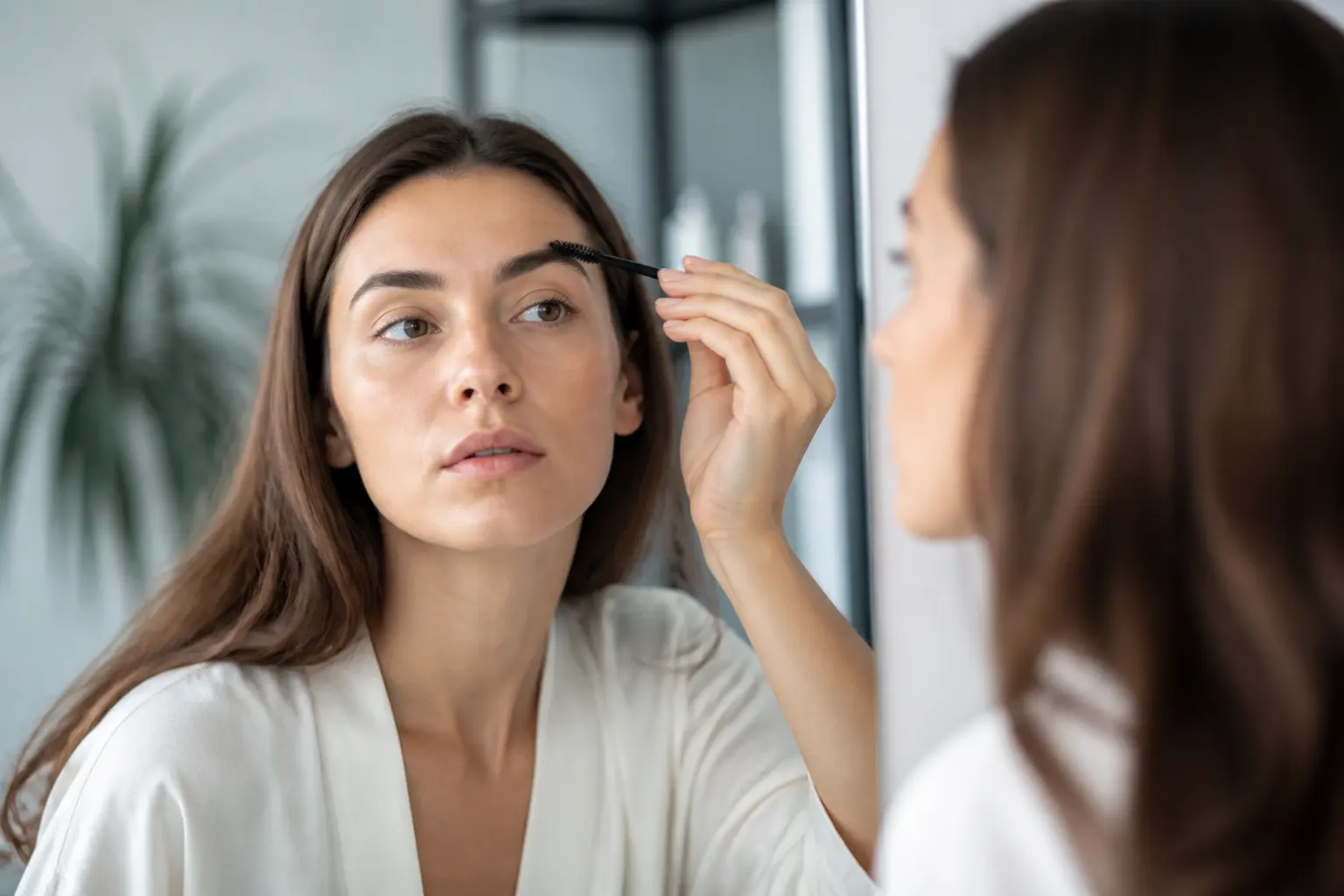
Brow lamination can make your eyebrows look more lifted, brushed-up and structured, especially when the shape is finished with professional design work. But the look does not stay identical forever. As your natural brow hairs move through their own growth cycle and the lamination effect gradually relaxes, you may notice that some areas still sit neatly while others begin to point in their usual direction.
This in-between stage is completely understandable, but it can feel awkward if you are used to the polished finish of freshly laminated brows. The key is not to fight every hair with stronger products or a new appointment too soon. Instead, give your brows a little thoughtful care, adjust your daily styling and let a trained brow artist assess when another lamination is appropriate.
At a professional studio, brow lamination is never only about creating a temporary trend-led look. It should work with your natural brow density, hair direction, skin comfort and preferred level of definition. Here is how to manage the transition when brow lamination grows out with confidence.
What it means when brow lamination grows out
Brow lamination changes the way the existing brow hairs are arranged and held during the service. Over time, those hairs naturally return towards their usual behaviour, while new growth comes through with its original texture and direction. This is why the transition can look less even than the first few days after your appointment.
It is helpful to think of the process as a gradual softening rather than a sudden switch. One brow may seem to lose its lifted appearance before the other. The fronts may still look full and fluffy, while the tails start to drop or cross over. If you have brows with varied textures, sparse patches or a strong natural growth direction, these differences may be more noticeable.
This does not necessarily mean anything has gone wrong. Eyebrows are not perfectly symmetrical, and neither is their growth cycle. A good brow plan leaves room for that natural variation instead of expecting every hair to behave in exactly the same way each day.
Common signs you are in the transition stage
The in-between phase looks different from person to person, but a few changes are especially common.

- The hairs feel less cooperative. They may no longer stay brushed up with minimal effort.
- The brow fronts look softer. The lifted, feathered effect becomes more relaxed.
- Some hairs change direction. A few may start turning sideways, downwards or back towards their usual pattern.
- The two brows appear to fade at different speeds. This can happen because each brow has its own density, texture and growth pattern.
- New growth creates contrast. Fresh hairs may sit differently from the previously laminated lengths.
- Your shape needs a small refresh. As hairs grow, the outline may no longer look as clean as it did after professional shaping.
These signs are a prompt to simplify your routine, not a reason to overwork your brows. Pressing them into place repeatedly or using heavy styling products can make the transition feel more frustrating.
How to style brows while lamination grows out
The best at-home styling during this period is usually light, flexible and realistic. Rather than aiming to recreate the exact freshly laminated finish, work with the direction your brows are naturally taking.
Use a clean spoolie first
Before applying any product, brush through your brows with a clean spoolie. Start at the front and move upwards and slightly outwards, then follow the natural direction of the arch and tail. This helps you see which hairs are still easy to guide and which ones are ready to relax.
A spoolie also prevents product from building up around the roots of the hairs. It is a small step, but it can make brows look cleaner and more intentional.
Choose flexible hold over a stiff finish
If you use a brow gel, use a small amount and focus on gentle control rather than a fixed, heavily sculpted shape. During the grow-out phase, a flexible finish often looks more natural than forcing every hair vertically.
For example, if the front of your brow still lifts easily but the tail is beginning to angle downwards, brush the front up softly and guide the tail across in a flatter direction. This can create a balanced shape without drawing attention to the different stages of the transition.
Fill gaps sparingly
You may notice a little more space where the hairs no longer overlap in the same way. If you choose to fill your brows, use light hair-like strokes only where definition is missing. Avoid colouring in the entire brow with a solid block, as this can make a natural texture difference more obvious.
Choose a shade and product that suit your own brow colour and skin tone. The goal is gentle support for the shape, not a completely new eyebrow.
Change the direction, not the pressure
When a brow hair resists your preferred position, it can be tempting to brush harder. Instead, try a slightly different direction. A hair that will not stay upright may sit beautifully diagonally. This approach is especially useful around the arch and tail, where a softer line can look polished and balanced.
What not to do between lamination appointments
The transition stage can encourage impulse decisions. A few simple boundaries can help you protect the comfort and appearance of your brow area while you wait for your next professional visit.
Do not book another lamination simply because the look has softened
A softer result does not automatically mean it is time for another service. The suitable timing depends on how your hairs are behaving, their condition and your previous appointment. A brow artist should assess this individually rather than treating lamination as a quick fix for every unruly hair.
If you are unsure, asking for guidance is far more useful than guessing. A professional may suggest allowing more time, refreshing the shape with threading, adding tint or henna where appropriate, or booking lamination when your brows are ready.
Do not attempt an at-home chemical correction
Trying to re-process, perm or radically reshape your brow hairs at home can make it harder to judge what your brows need next. Professional products, timing and technique matter, particularly when brow hairs are already in a transition phase.
If you feel unhappy with the way your brows are sitting, take clear photos in natural light and show them to your brow artist. This gives them useful context for a personalised recommendation.
Do not over-pluck uneven areas
When new hairs grow in differently, it may be tempting to remove anything that sits outside your preferred shape. But over-plucking can make the brow look thinner or create gaps that were not there before. It can also make future shaping more limited.
Let a professional assess which hairs contribute to your long-term shape. Threading is particularly helpful when you want precise definition without trying to remove random hairs yourself.
Do not rely on heavy layers of product
Strong waxes, repeated coats of gel and thick pencil can leave brows looking stiff. They may also make hair direction look more obvious rather than less. Keep your routine light, then remove make-up gently at the end of the day.
When a shape refresh can make the transition easier
You do not always need another brow lamination to feel polished. Sometimes the most useful next step is a professional brow shape refresh. As hairs grow, a carefully planned threading appointment can restore definition around the outline while preserving the hairs that support fullness.
This can be particularly useful if your concern is mainly the border of the brow, stray hairs around the tail or a shape that has started to look less balanced. A brow artist can work with your current hair direction and help you make the most of the lamination as it gradually relaxes.
At Becammo, eyebrow design is approached as a personalised service. Brow shape is not treated as one fixed template. The direction, thickness and level of structure should reflect your existing brow pattern and the look you feel comfortable wearing.
Could tint or henna help during the in-between stage?
For some clients, adding colour can make a softening lamination look more defined. Tint or henna may help visually emphasise finer hairs and give the brow outline more presence, depending on the individual brow and the service chosen.
However, colour is not a universal answer. The right option depends on your natural hair colour, skin tone, desired finish and the condition of your brows. It is also important to consider your recent brow services before combining treatments.
If your main issue is that the brow shape feels less tidy, threading may be the more relevant service. If your shape still works but the brows look lighter or less visible, a colour-focused option may be worth discussing. A professional conversation helps avoid booking a service that does not solve the concern you actually have.
How to decide whether you are ready for your next lamination
Instead of choosing based on a calendar alone, look at the full picture. Ask yourself:
- Are my brow hairs generally back to their natural direction?
- Do my brows feel manageable with simple styling, or am I using more product every day?
- Has enough time passed for my brow artist to assess a new lamination responsibly?
- Would a threading and design appointment solve my current concern better?
- Have I noticed sensitivity, dryness or anything unusual that I should mention before booking?
Bring these observations to your appointment. Details such as how your brows have behaved since the last service, what products you use at home and what result you would like next can help your artist tailor the session more thoughtfully.
It is also worth remembering that lamination is not the only way to create a well-groomed brow. A precise shape, subtle colour and everyday styling can all play a role. The most flattering plan is the one that suits your brows at their current stage, not the one that chases an identical look all year round.
A simple transition routine for busy mornings
If you want a practical approach, keep your brow routine to a few calm steps:
- Brush your brows with a clean spoolie to see their natural direction.
- Apply a small amount of flexible brow gel if you want added hold.
- Use a fine pencil or powder only in areas that need visual balance.
- Step back from the mirror and check the overall shape rather than individual hairs.
- Remove make-up gently in the evening and avoid pulling at the brow area.
This routine is often enough to carry you through the in-between period without turning brow styling into a daily battle. A little softness can look elegant, especially when the brow shape remains clean and suited to your face.
Conclusion
When brow lamination grows out, the goal is not to make every hair behave exactly as it did on appointment day. It is to manage the change gently, keep your brow shape considered and choose your next treatment based on what your brows genuinely need.
If your brows are becoming harder to style, looking uneven or simply ready for a fresh professional opinion, book a brow appointment at Becammo in Sliema or Swieqi. A personalised assessment can help you decide whether lamination, threading, tint or a combination of brow services is the most suitable next step.
Frequently asked questions
Is it normal for one brow to lose its laminated look before the other?
Yes. Brow hairs can differ in density, texture and growth direction from one side to the other. A gradual difference in how each brow settles can be part of the transition stage.
Can I still use brow gel when my lamination is growing out?
Yes, a light and flexible brow gel can help with daily styling. Use a small amount and avoid repeatedly layering product in an effort to force every hair into place.
Should I pluck hairs that grow in at a different angle?
It is usually better to wait for a professional shape assessment. Removing hairs impulsively can affect the fullness and balance of your brows over time.
Do I need brow lamination again as soon as the lifted effect softens?
Not necessarily. The right timing should be based on the condition and behaviour of your brow hairs, as well as your previous service. A brow artist can advise whether it is appropriate to rebook or whether another brow service would suit you better.
Can threading help while I wait for my next lamination?
It can be a useful option when the main concern is stray hairs or a less-defined outline. Threading can refine the shape while working with the natural direction of your brows.
What should I mention when I book a brow appointment?
Let the studio know that you have previously had brow lamination and explain what you are noticing now, such as uneven direction, reduced hold or concerns about shape. This helps guide the most appropriate service conversation.