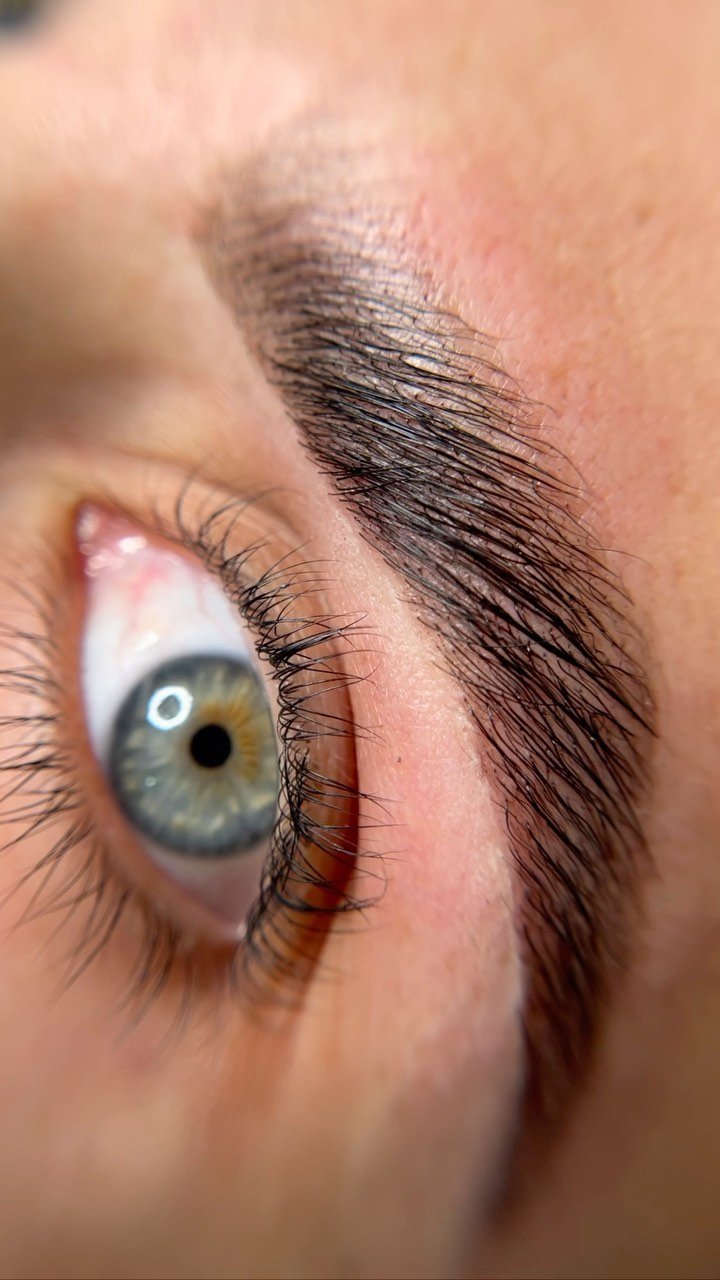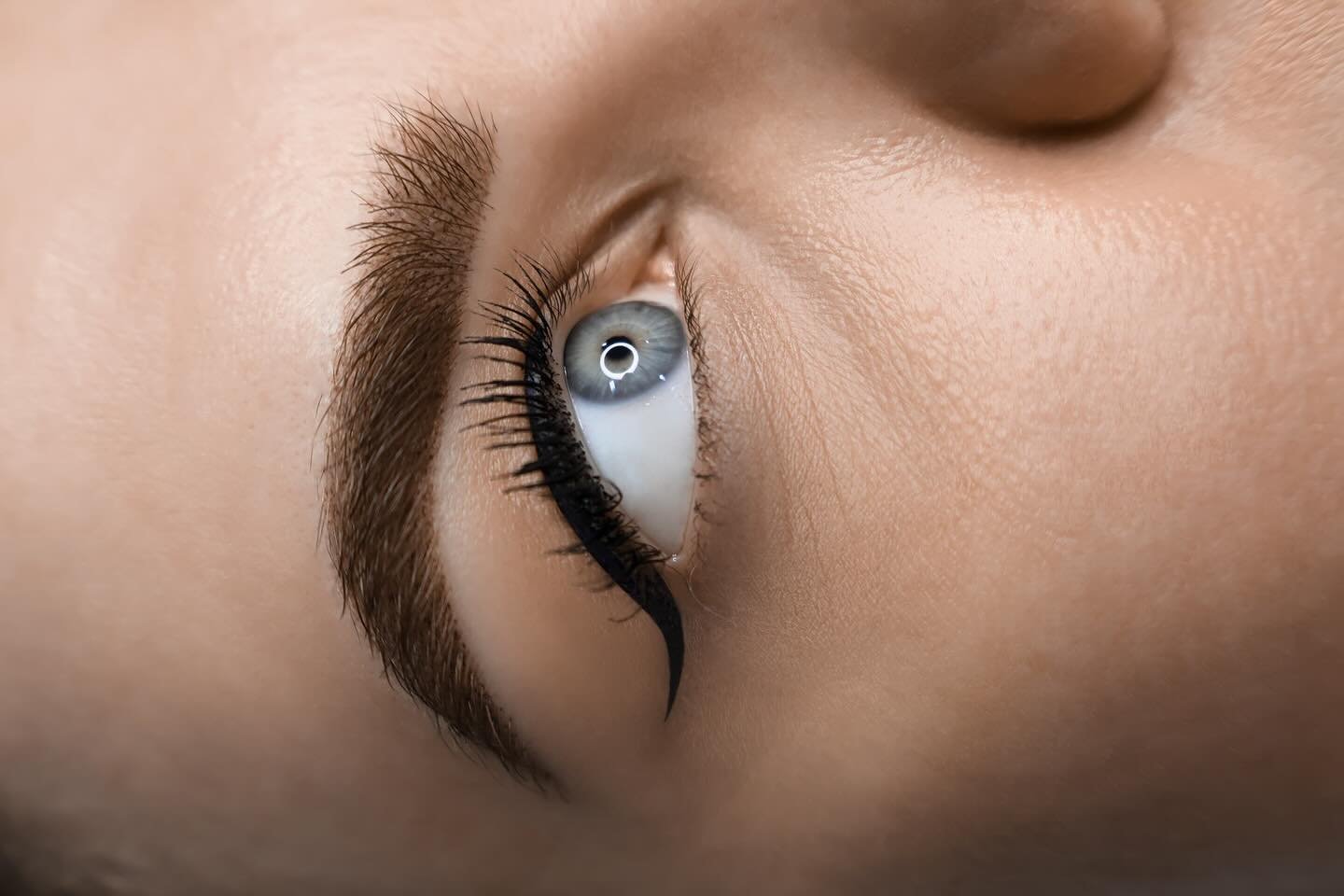
Yes, brow lamination and threading can be combined in one appointment when your brows and skin are suited to it. Lamination guides the direction of the brow hairs for a lifted, brushed-up effect, while threading refines the outline by removing hairs outside the planned shape. Together they are treated as one personalised brow plan, though neither creates new hairs.
Some brow appointments are about tidying what is already there. Others are about changing how the hairs sit, improving the outline, or making your daily routine feel simpler. When you want both a lifted, brushed-up effect and a cleaner shape around it, combining brow lamination with precise shaping can be a practical option.
This approach brings together two different goals in one visit. Brow lamination focuses on the direction and flexibility of the brow hairs, while shaping focuses on the outline, balance and removal of hairs that sit outside the intended design. At a professional studio, these steps are considered as part of one personalised brow plan, rather than as two disconnected services.
For clients in Malta, especially those balancing work, travel and a busy social calendar, one appointment can be an appealing way to refresh the whole brow area without committing to a heavily drawn-on look. The key is to understand what each part contributes, what it cannot change, and why an individual assessment matters.
What does brow lamination and threading achieve?
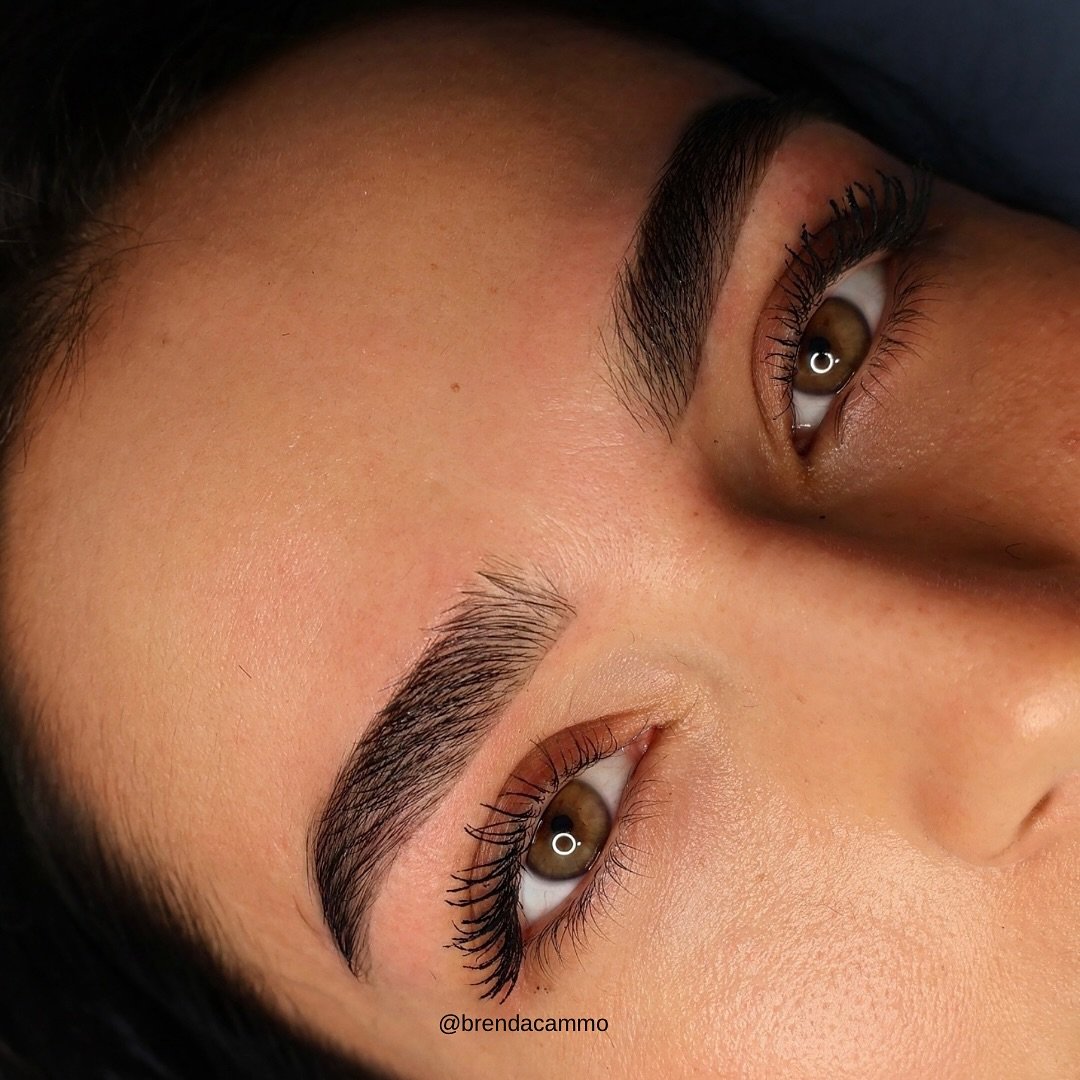
Brow lamination is designed to help brow hairs sit in a more intentional direction. It is often associated with a fuller-looking, softly lifted or more brushed-up finish, particularly when hairs grow downwards, sideways or in several different directions.
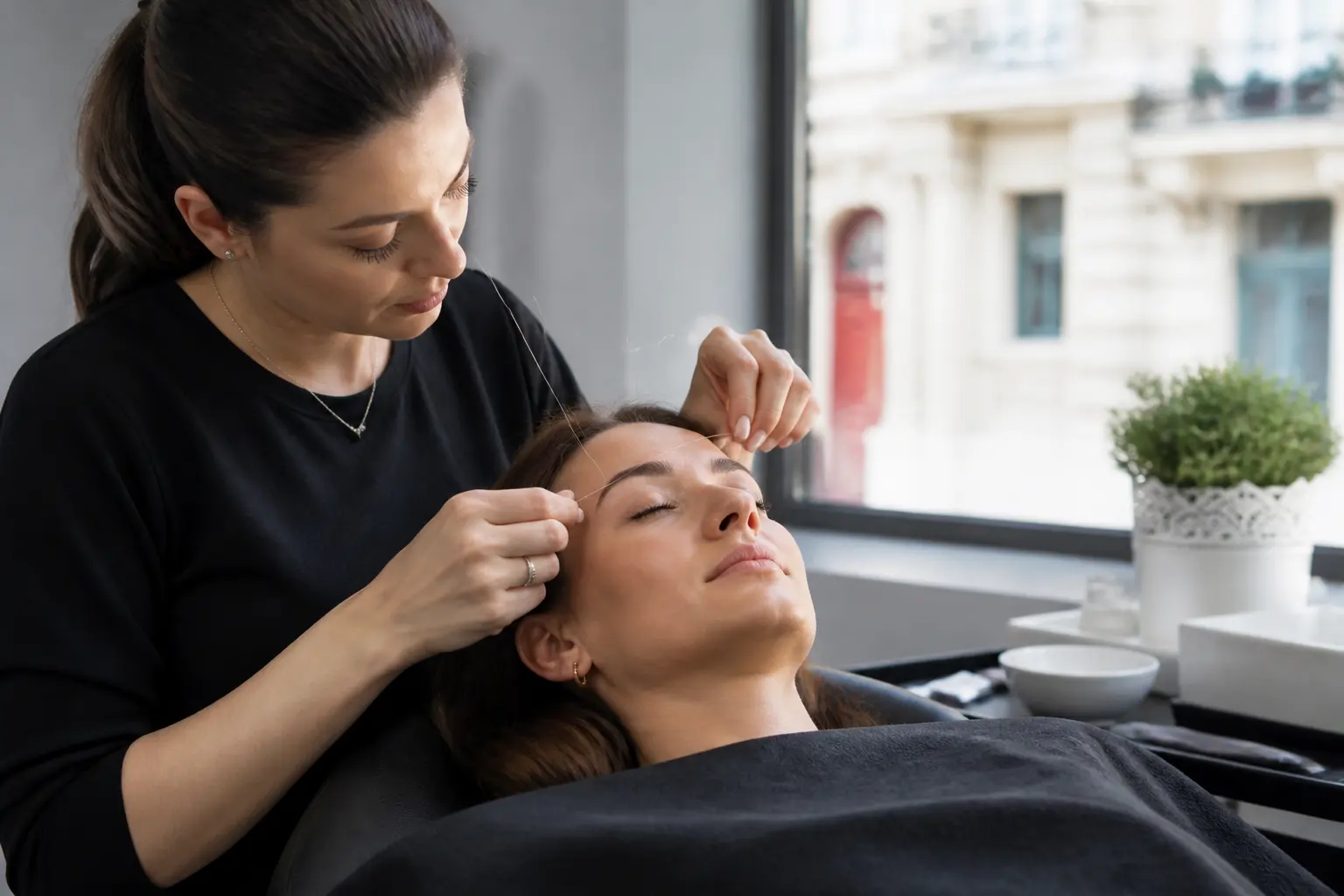
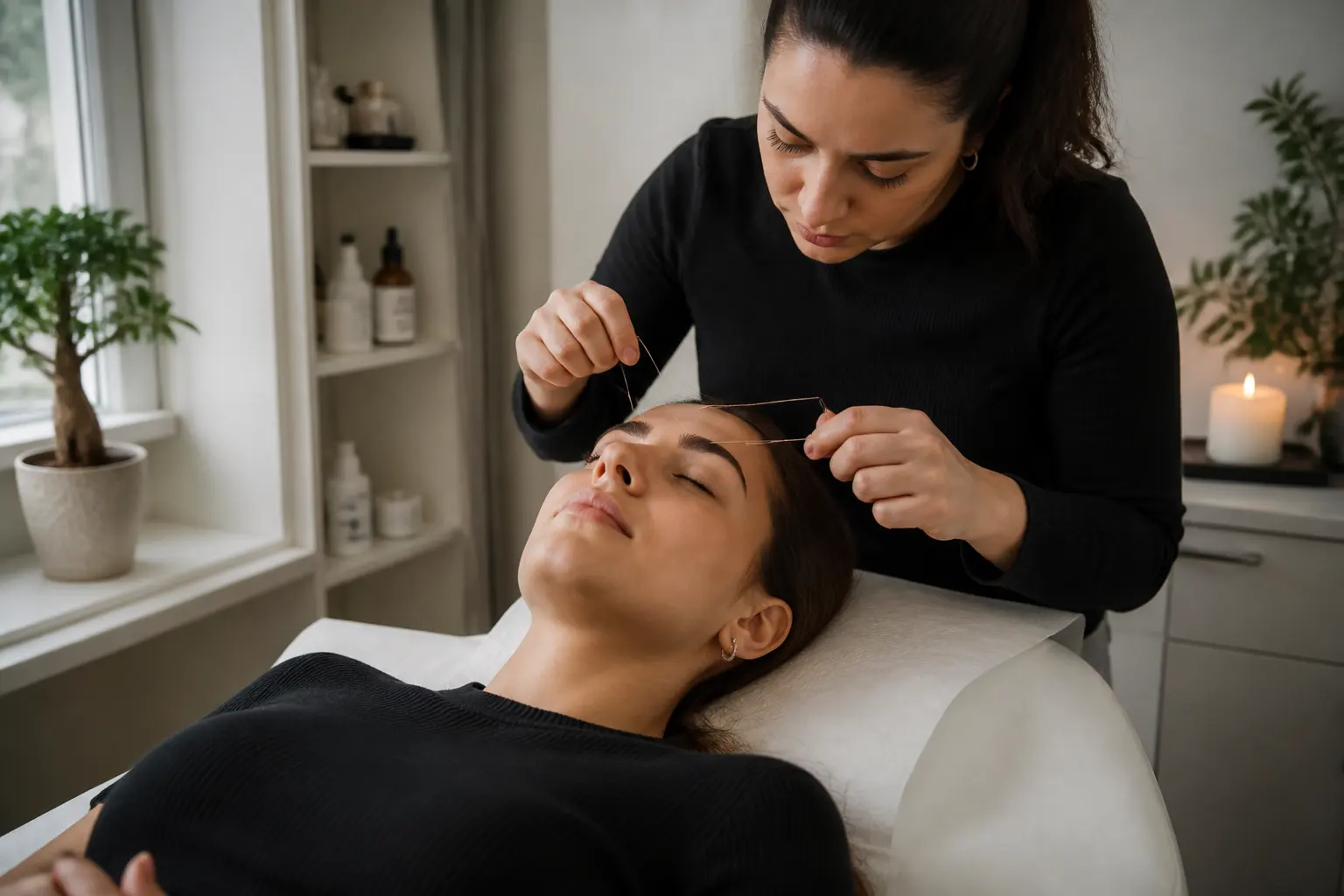
Threading is a hair-removal technique that uses a fine thread to remove unwanted hairs with precision. In brow shaping, it can help define the perimeter of the brows, tidy the space between them and refine the area above or below the natural line. The aim is not to force every client into the same arch or thickness. It is to work thoughtfully with their bone structure, hair growth and personal preference.
Together, brow lamination and threading can address two distinct questions:
- How do you want the brow hairs to sit? This is the lamination element.
- Which hairs should remain within the finished outline? This is the precise shaping element.
The result can look more organised and intentional because the hair direction and brow outline are being considered at the same time. However, the finish will still depend on the density of your natural brows, the direction in which they grow and how well they respond during the appointment.
Why does shape work matter after a brow lift effect?
A laminated brow can make individual hairs more visible. That is part of its appeal, but it can also reveal areas where growth is uneven or where a few hairs sit outside the shape you would like to wear. Precise shaping helps bring clarity to the overall look.
Think of it this way: lamination helps make the brow hairs easier to arrange, while shaping helps create a cleaner frame around that arrangement. Neither replaces the other. A beautifully lifted brow can still benefit from a considered outline, and a neat shape can look even more polished when the hairs within it sit in a flattering direction.
This does not mean removing lots of hair. Over-removing can make it harder to preserve fullness, particularly if your brows are naturally fine or have sparse areas. A professional brow artist will look for the hairs that genuinely distract from the intended design and retain those that support your natural density.
The goal is balance, not identical brows
Natural brows are rarely perfectly symmetrical. One may have a slightly higher arch, a fuller front or a different growth pattern. Trying to make them identical can lead to unnecessary hair removal and a result that looks less natural.
Precise shape work is about improving visual balance. Your brow artist may adapt the design to make the pair look more harmonious while respecting the differences that are naturally present. This approach is particularly valuable for a multicultural client base, because brow density, texture and preferred styling can vary widely from one person to another.
At BeCammo · Sliema · Swieqi
Eyebrow threading in Malta
Same client, before and after threading.
Clean, natural brows shaped to your face, at our salons in Sliema and Swieqi. Threading is what BeCammo was built on.
- from €16price
- Sliema · Swieqiwhere
- ★ 5.0460+ Google reviews
Who may enjoy this combined appointment?
Brow lamination and threading may suit people who want their brows to look more groomed without relying on daily brow gel, pencil or soap styling. It can be especially worth discussing if you recognise one or more of the following situations:
- Your brow hairs grow in different directions and are difficult to brush into place.
- You like a lifted or feathery finish but still want a tidy outline.
- Your brows are naturally full, but their shape looks unclear once the hairs are brushed up.
- You have good hair density in some areas but want a more balanced overall design.
- You want a polished look for an occasion, holiday or everyday routine.
- You prefer a brow result that is personalised rather than based on a fixed template.
It may not be the right choice for every brow at every moment. If the skin around the brow area is irritated, if you have recently used products that have made your skin more reactive, or if your brow hairs feel dry or fragile, it is sensible to ask for professional guidance before booking. An artist can help you decide whether to go ahead, adjust the plan or focus on shaping alone.
What happens during a professional appointment?
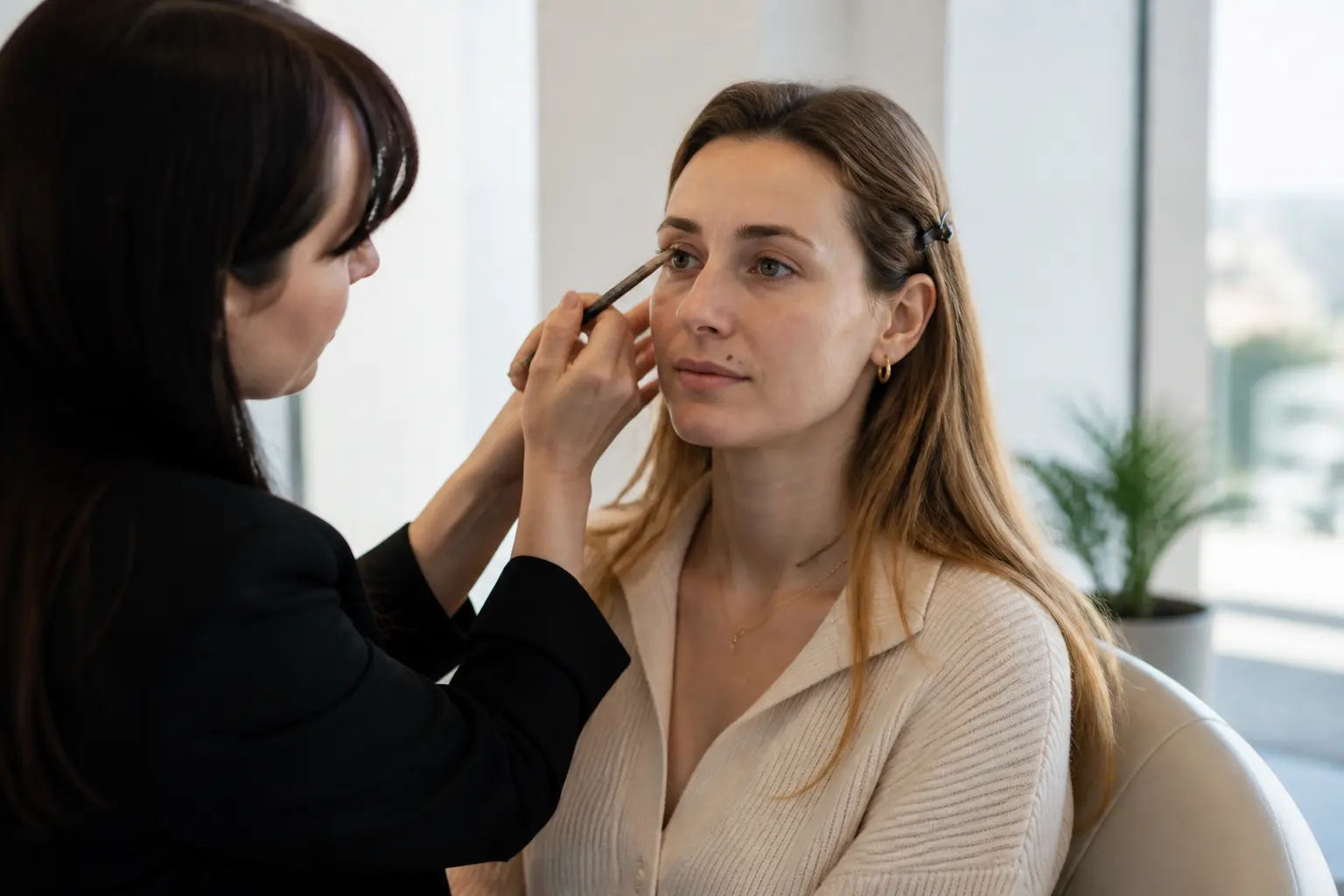
A good combined appointment begins with a conversation. Before any product is applied or hairs are removed, the brow artist needs to understand what you hope to achieve. Do you want a natural lift, a more editorial brushed-up look, a stronger arch, or simply brows that are easier to style in the morning?
The assessment should also consider your existing brow density, hair direction, skin condition and previous brow work. This is important because the best design is not always the trendiest design. It is the one that complements your features and is realistic for your own brow pattern.
1. Discussing your preferred finish
Reference photos can be useful, but they should be used as inspiration rather than a promise of an identical result. The brow hairs in a photograph may be denser, longer or naturally straighter than yours. A professional can explain which elements of the look are achievable with your brows and which may need adapting.
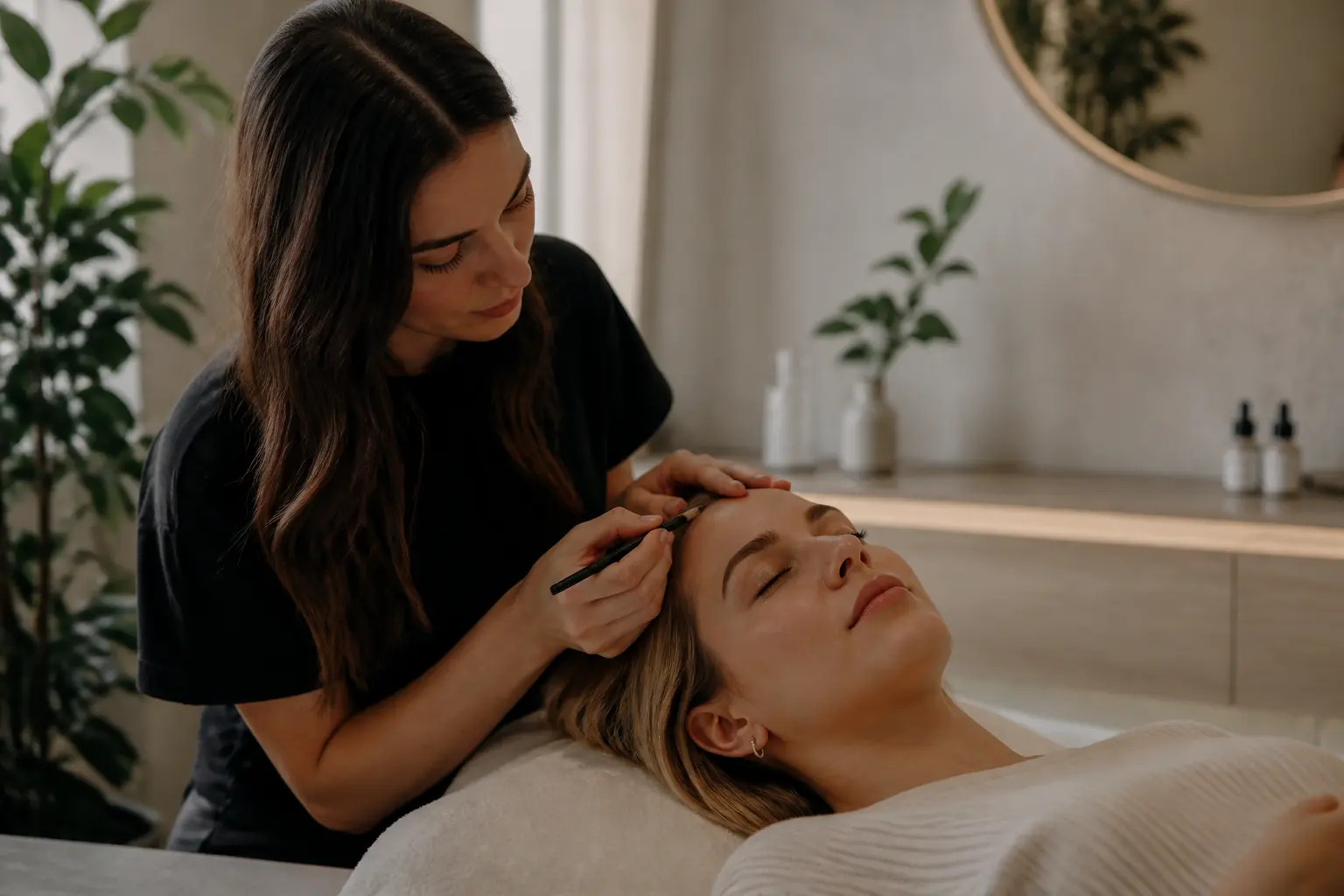
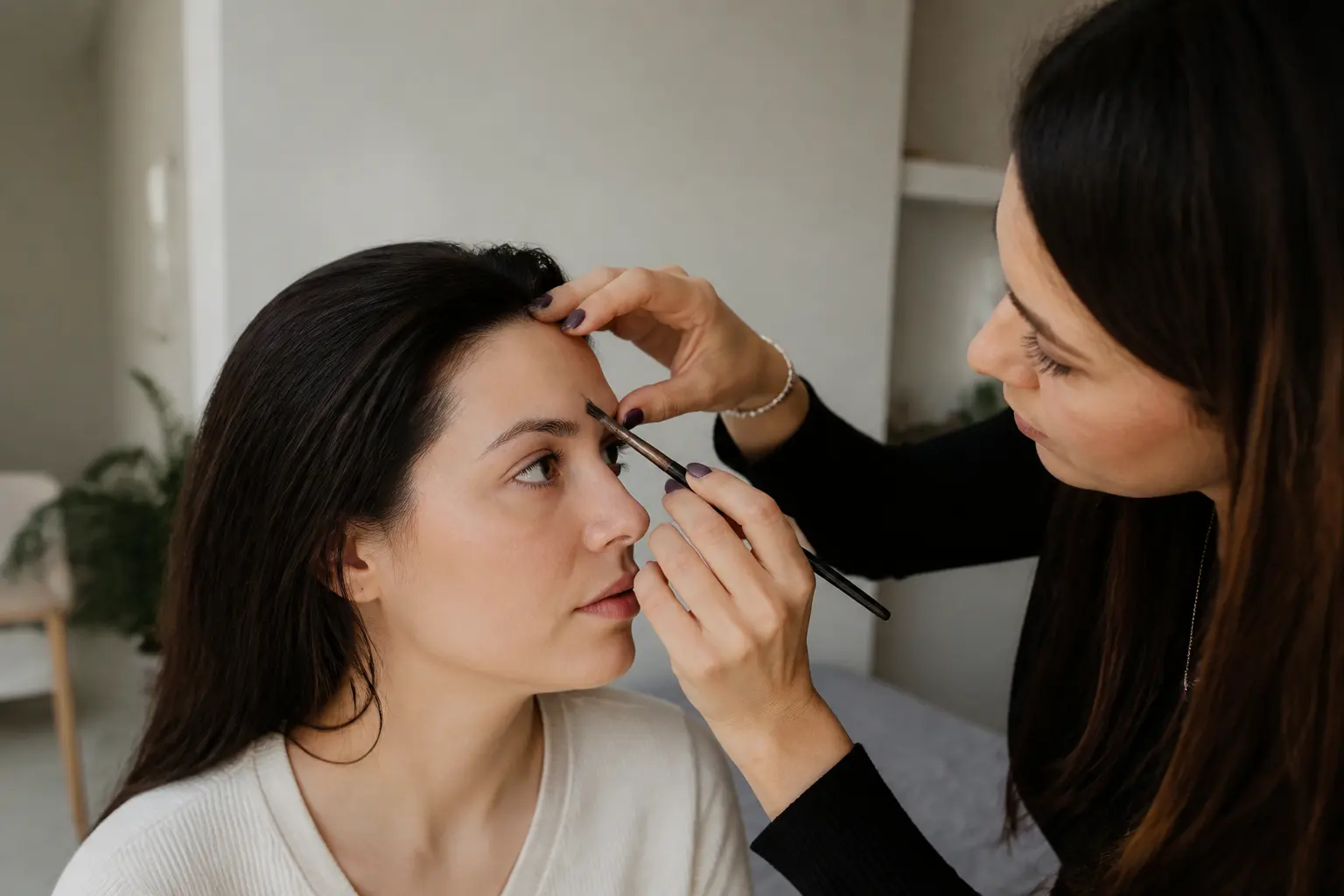
2. Planning the brow shape
Before shaping, the artist considers the natural start, arch and tail of each brow. Mapping and visual assessment help create a guide, but the final design should still be adjusted for facial balance and the way your hairs grow. The goal is a shape that looks good when styled, but also remains wearable when you are not actively brushing every hair into place.
3. Laminating the brow hairs
The lamination stage is used to guide the hairs into the chosen direction. Depending on your brow pattern and desired finish, that may mean a soft upward angle at the front, a more diagonal direction through the body of the brow, and a smoother tail. Not every hair needs to stand straight up for brows to look lifted.
A skilled approach avoids treating a fashionable brow trend as a one-size-fits-all instruction. For some clients, a softer, more controlled direction creates the most flattering finish. For others, a fuller brushed-up style may be the preference.
4. Refining with threading
Once the brow design is clear, threading can refine the surrounding area. The artist removes hairs that fall outside the planned outline while protecting the hairs that contribute to fullness. At BeCammo, threading is performed with single-use thread, with cotton used as the standard option and polyester available for clients with a cotton allergy.
You may feel brief pulling or mild discomfort during threading, especially in more sensitive areas. This sensation is individual and usually depends on your skin sensitivity, hair density and the area being shaped. It is always appropriate to let your brow artist know if you are feeling uncomfortable.
How should you prepare for brow lamination and threading?
Preparation does not need to be complicated, but a few simple steps can help your appointment run smoothly and allow the artist to assess your brows clearly.
- Arrive with the brow area clean and free from heavy make-up where possible.
- Avoid trying to reshape your brows at home shortly before the appointment. Leaving the growth visible gives your artist more information to work with.
- Tell the studio about any skin sensitivity, allergies, recent reactions or products that may affect the brow area.
- Bring up any concerns about thin patches, old over-plucking or hairs that do not stay in place.
- Be honest about the finish you want, including whether you prefer natural definition or a more noticeable lifted effect.
Clear communication is useful because brow preferences are personal. One client may see a full, fluffy brow as effortless, while another may prefer a more structured and understated result. Both can be valid starting points for a tailored design.
Aftercare: keeping the look polished
Aftercare advice should be followed exactly as given by your brow artist, as recommendations can depend on the products used and your individual skin and hair condition. In general, the brow area benefits from gentle handling after an appointment.
Avoid rubbing the brows, picking at any temporary redness or immediately testing lots of new products around the area. If your artist has given you timing guidance about getting the brows wet, applying make-up or using active skincare near the brows, follow that guidance carefully.
Between appointments, use a clean spoolie to brush the hairs into your preferred direction. This simple habit can make a noticeable difference to how the laminated finish appears day to day. If you use brow make-up, choose it to enhance rather than completely redraw the work that has been done.
Can this combination make sparse brows look fuller?
It can sometimes make existing hairs appear more visible by arranging them differently and improving the shape around them. For example, hairs that normally sit flat or point downwards may look more noticeable when guided into a more open direction. Careful shaping can also reduce visual distraction from uneven growth around the edges.
However, lamination and threading do not create new brow hairs. If you have significant sparse patches, a professional can help you choose a shape that makes the most of your current density without over-removing the surrounding hairs. It is important to set realistic expectations and avoid chasing a dense brow style that your natural hair pattern cannot comfortably support.
Why book this as one considered service?
Booking brow lamination and threading together gives the artist the opportunity to see the complete picture. Instead of shaping the brows without knowing how the hairs will sit, or laminating them without refining the outline, both decisions can support the same finished look.
This can be particularly helpful if you are new to brow lamination, returning after a break, or unsure how much shape work you actually need. A professional appointment allows space for questions, adjustments and an honest discussion about whether the combination suits your brows on that day.
At BeCammo, brow services are approached with attention to individual hair patterns, facial balance and personal style. Whether you visit the Sliema or Swieqi studio, the focus is on creating brows that feel groomed, wearable and true to you. If you are considering brow lamination and threading in one appointment, book a suitable service and share your preferred brow style with the team before your session.
Frequently asked questions
Can I have brow lamination and threading in the same appointment?
Yes, these services can be planned together when appropriate for your brow and skin condition. Combining them allows the brow direction and final outline to be considered as one design.
Will threading make my laminated brows look too thin?
Not when shaping is approached carefully. The purpose is to remove hairs outside the intended line while preserving hairs that support the fullness of your natural brow. Your artist should tailor the amount of hair removal to your brow density and goals.
Should I grow my brows out before booking?
If possible, avoid reshaping them immediately before your appointment. Visible regrowth can help the artist understand your natural pattern and make more informed shaping decisions.
Can I choose a natural result rather than very fluffy brows?
Yes. Brow lamination does not have to mean an exaggerated upright finish. You can discuss a softer direction and a more understated shape that suits your features and everyday style.
Is brow lamination and threading suitable for every brow type?
Suitability varies. Hair texture, density, previous brow work, skin sensitivity and your desired result all matter. A professional assessment is the best way to decide on the right approach.