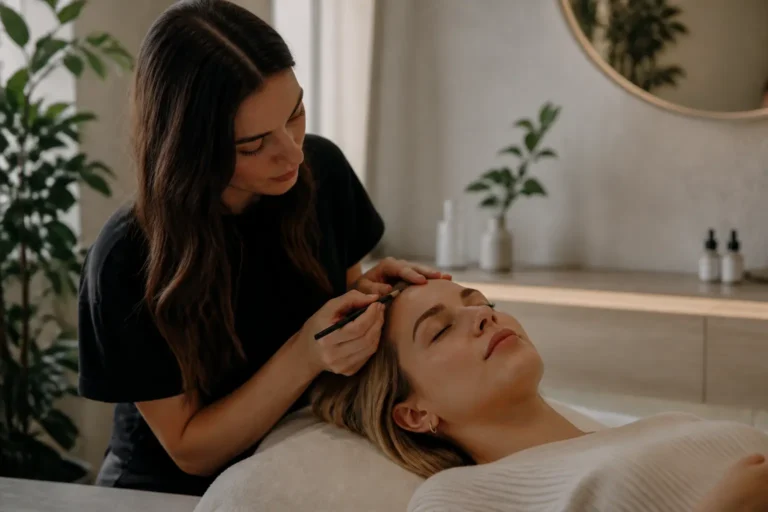
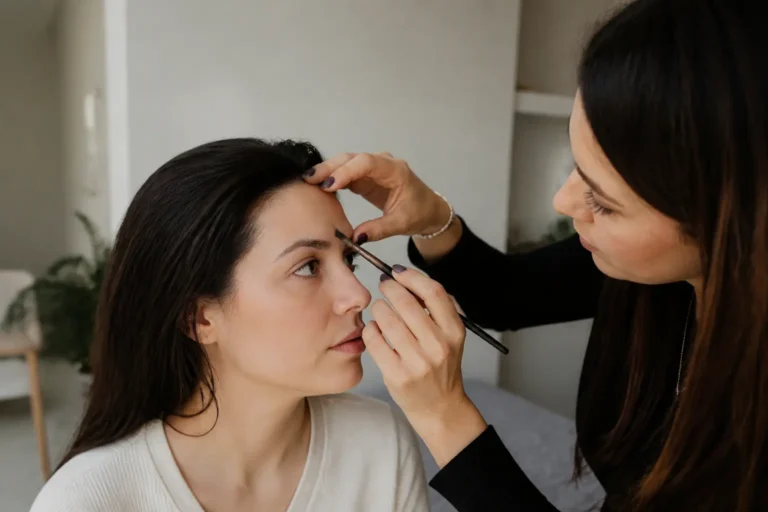
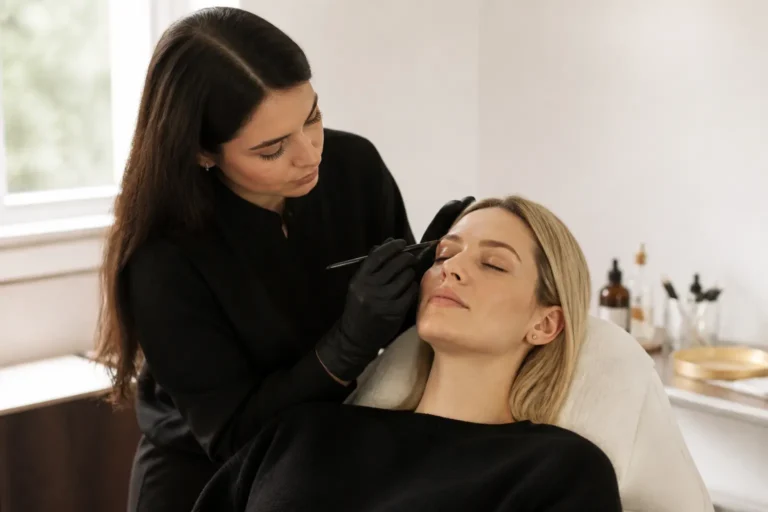
The 90s Thin Brow Legacy: Regrowth and Redesign Today
Brenda Cammo Team
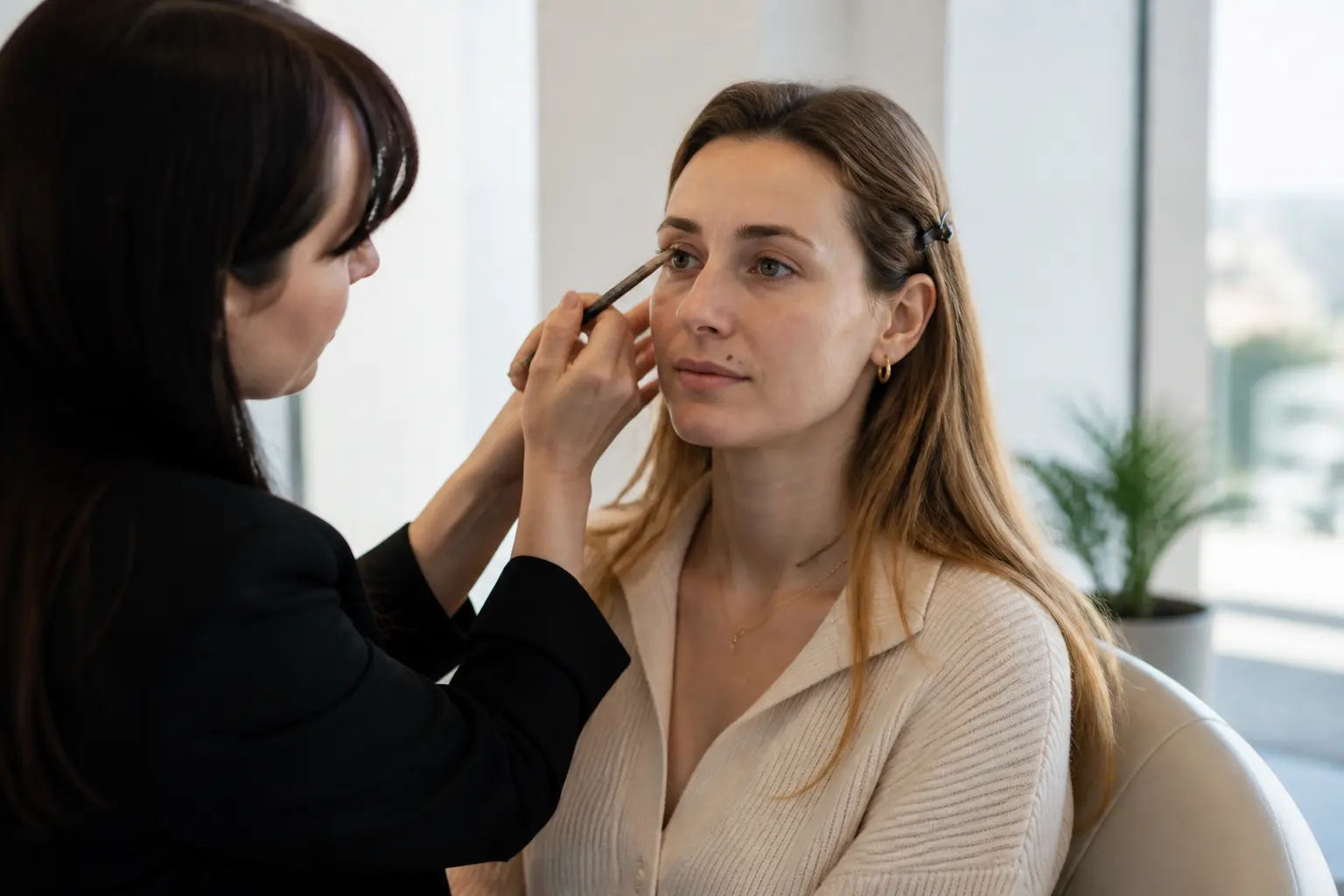
For many people, the 1990s brow trend left a very personal legacy: arches that were repeatedly tweezed into a narrow line, tails that became sparse, and uneven areas that no longer seem to grow as they once did. If you are looking at old photographs and wondering how to regrow over-plucked eyebrows, you are not alone.
The good news is that a modern brow approach does not require you to chase one fixed trend or force your brows into a shape that does not suit your face. It starts with an honest look at what hair is present, where growth may still be possible, and how a skilled redesign can make your brows look fuller, more balanced and more intentional while you wait.
At a professional brow studio, this is not about copying a celebrity brow. It is about working with your natural bone structure, hair direction, skin and day-to-day routine. For clients in Malta, a personalised threading and design appointment can be a helpful first step towards moving on from the thin-brow era with confidence.
Why 90s thin brows can be difficult to grow back
The ultra-thin brow look depended on frequent and often very precise hair removal. Over time, repeated plucking can leave certain areas looking less dense. This is particularly common beneath the arch, through the tail, and at the front of the brow where people once removed hairs to create more space between the brows.
However, every brow tells a different story. Some people notice new hairs returning after they stop tweezing. Others find that particular patches remain sparse. Hair density can also be influenced by natural ageing, hormonal changes, skin conditions, medication and individual genetics. That is why it is important not to treat regrowth as a promise or a quick project with one universal answer.
A professional brow artist begins with observation rather than assumptions. The aim is to identify your existing growth pattern, the areas that may need protecting from further removal, and the shape that will make the best use of the hair you have today.
Start with a brow reset, not another drastic change
When brows feel uneven or sparse, the instinct can be to remove more hair in an attempt to make both sides match. This often makes the situation harder. A better strategy is a brow reset: stepping back from at-home tweezing and giving the natural pattern room to show itself.
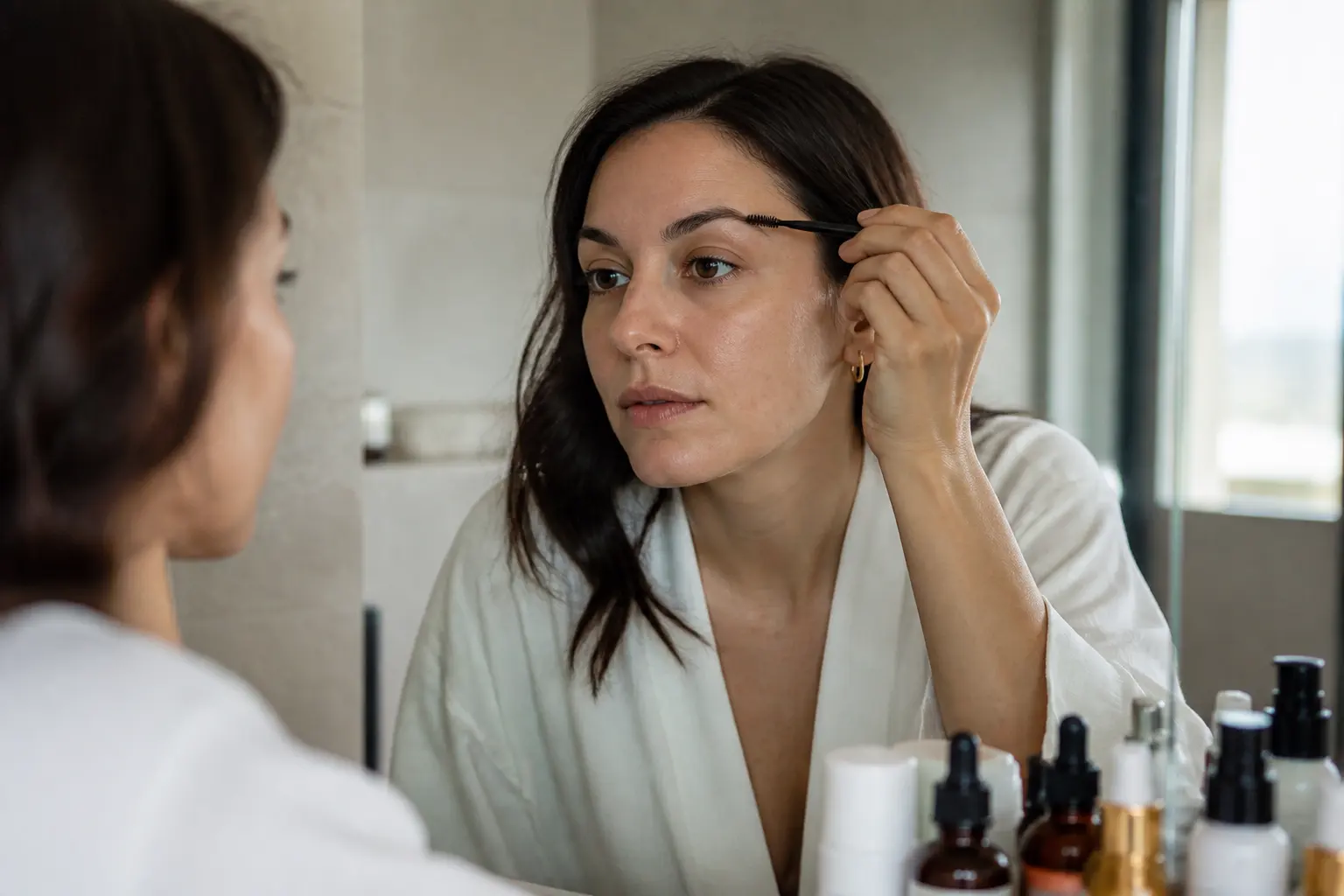
Put the tweezers aside where possible
Try not to keep correcting every small hair as it appears. Those fine, early hairs may be part of the fuller outline you are trying to recover. If a few hairs genuinely sit far outside the design, a brow professional can advise on whether they should be left alone, threaded or carefully tidied.
Let growth reveal useful information
As brows grow between appointments, you and your artist can see more clearly where the natural front begins, how the arch sits and whether the tail has enough hair to support the desired shape. This makes future design decisions more informed.
Take progress photos in consistent light
A quick photograph every few weeks can be more useful than checking the mirror daily. Use similar lighting and keep your face relaxed. The purpose is not to judge every hair, but to notice gradual changes in density, direction and overall balance.
What realistic eyebrow regrowth looks like
Regrowth is rarely perfectly even. One brow may appear fuller than the other, and the front, arch and tail may all behave differently. This is normal. Brows are sisters, not identical copies, and trying to make them mirror each other exactly can lead to unnecessary hair removal.
It is also worth remembering that visible fullness is not only about the number of hairs. Direction, length, colour and the way hairs overlap can change how dense a brow appears. A brow with a considered outline and well-positioned hairs can look more complete than a brow that has simply been left to grow without a plan.
If you have had a period of over-plucking, set your goal around improvement and balance rather than an exact return to your teenage brows. A professional consultation can help you understand what is practical for your individual starting point.
Modern redesign begins with your natural structure
The strongest response to the 90s thin brow legacy is not necessarily a much thicker brow. Today, good brow design is more nuanced. It uses proportion, facial features and natural hair placement to create a shape that feels current without looking imposed.
At Becammo, threading and brow design are approached as a personalised service. Mapping helps guide the shape, while the final design should still respect your own features and hair growth. This is especially valuable for clients with sparse brows, because every removed hair matters.
Focus on the front before chasing a dramatic arch
A softly structured front can create an immediate impression of fullness. Rather than carving out a harsh square beginning, a modern design often works with a gentle transition that follows the way your hairs naturally grow. This can make the brow look more relaxed and balanced.
Keep the arch purposeful, not over-raised
Many thin 90s brows had a very high, sharply defined arch. For some faces, that shape can make the brow feel disconnected from the rest of the features. A redesign may lower, soften or reposition the visual emphasis of the arch by preserving the right hairs around it.
Do not overextend the tail
A longer tail is not automatically a better tail. If the outer section is sparse, drawing it too far towards the temple can look artificial. A good redesign considers where the natural brow comfortably ends and then uses make-up techniques only where they support the overall result.
Threading for sparse and over-plucked brows
Threading is a hair-removal technique that uses a twisted thread to remove hairs with precision. For a brow redesign, that precision matters. Instead of broadly clearing an area, the artist can focus on the hairs that genuinely interrupt the intended outline while protecting growth that may contribute to future fullness.
At Becammo, disposable single-use thread is used for each client. Cotton thread is the standard material, with polyester available for clients with allergies. The service begins with a close look at the brow area and can be adapted to the amount of growth present, rather than following a one-size-fits-all template.
Threading can cause brief, mild discomfort, particularly if you are not used to hair removal in the area. The experience varies from person to person. Let your brow artist know if your skin feels sensitive or if you have any relevant concerns before the appointment, so the service can be approached thoughtfully.
Ways to create fullness while you wait
A redesign does not have to mean waiting with bare, uneven brows. The right finishing techniques can make sparse areas look more polished while maintaining a natural appearance.
Use make-up to imitate hair, not block colour
Choose a brow pencil, powder or fine-tip product that is close to your natural brow tone. Apply light, hair-like strokes in the direction of growth, concentrating on visible gaps rather than colouring the entire brow heavily. A spoolie brush helps soften the product afterwards.
Consider tint or henna as a design complement
Depending on your natural hair colour, brow tint or henna may enhance the visible outline and make existing hairs easier to see. These services are not substitutes for hair growth, and the result can vary according to skin, hair and aftercare. In a studio setting, they can be discussed as part of a broader brow plan rather than treated as a universal solution.
Brush brows into their most supportive direction
Many sparse brows appear fuller when the hairs are brushed slightly upwards and outwards, then settled into place. The best direction depends on your growth pattern. For some people, brushing too vertically can expose gaps, while a softer diagonal direction looks more natural.
How to plan appointments during a brow recovery phase
Regular professional maintenance can be useful, but the goal is not to remove hair at every opportunity. Instead, appointments should protect the redesign plan. Your artist can tidy only the areas that are clearly outside the intended shape and leave potential growth zones untouched.
The right timing varies. Brow hair grows in cycles, and your own starting point, desired shape and tolerance for in-between growth all matter. Rather than booking around an arbitrary ideal, use each appointment to reassess what has changed. This is particularly helpful when one brow is catching up with the other.
If you live in or are visiting Malta, you can book the service and choose the Becammo location that is most convenient for you, in Sliema or Swieqi. Bringing a few reference photographs can help start a conversation, but they should be used for direction rather than copied exactly. Your own brow structure should lead the final design.
Common mistakes that slow down a successful redesign
- Removing hairs to make brows perfectly identical. Small natural differences are normal. Over-correcting usually creates more asymmetry.
- Following a trend that ignores your features. Full, straight or highly lifted brows do not suit every natural pattern. A good design is personalised.
- Filling every gap with dark product. Heavy make-up can make sparse brows look flatter. Build definition gradually instead.
- Changing shape at every appointment. A recovery phase benefits from consistency. Give the design time to develop.
- Expecting an instant regrowth result. Hair response differs from person to person. A considered design can improve the look of your brows now, while growth is monitored over time.
When a professional brow assessment is especially worthwhile
Book a professional assessment if you are unsure which hairs are safe to remove, if your brows have noticeably different densities, or if previous shaping has left you with an arch or tail you no longer recognise. It is also useful if you want to move from a heavily drawn-on brow to a softer, more natural finish but do not know where to begin.
A skilled brow artist can help translate your goal into practical choices: what to preserve, what to tidy, where make-up can help and how your design can evolve. This approach is more helpful than trying to solve years of over-plucking in one appointment.
Conclusion
The 90s thin brow legacy does not mean you are stuck with one shape forever. Even when regrowth is uneven or limited, thoughtful brow design can create more harmony, definition and confidence without forcing your brows into someone else’s trend.
Start by protecting the hair you have, avoiding at-home over-correction and choosing a professional who will assess your natural pattern with care. A personalised threading and design appointment can give you a clear plan for redesigning sparse brows, maintaining the shape and making the most of every hair. When you are ready, book a brow appointment at Becammo in Sliema or Swieqi and discuss the look you would like to achieve.
Frequently asked questions
Can over-plucked eyebrows grow back after years?
Some people notice new growth after they stop removing hairs, while others find that certain areas remain sparse. It varies by person and by area of the brow. A professional design can improve balance regardless of how much regrowth occurs.
How long should I stop tweezing before a brow redesign?
There is no single timeline that suits everyone. Allowing visible growth to come through gives your artist more information to work with. If you are unsure, book an appointment and explain that you are trying to recover from over-plucking.
Will threading make sparse brows thinner?
Not when it is planned around a careful redesign. Threading can be used selectively to remove only hairs outside the chosen shape while preserving hairs that support fullness.
Should I choose a thick brow shape to fix thin 90s brows?
Not necessarily. The best brow shape is one that works with your natural hair pattern, facial proportions and personal style. A fuller-looking brow may come from better structure and finishing, not simply extra width.
Can tint or henna help sparse eyebrows look fuller?
They can enhance the appearance of existing brow hairs and add definition to the shape, depending on your colouring and skin. Results vary, so they are best considered as part of a personalised brow plan.