Semi-Permanent Make-Up on Sensitive Skin: Is It Suitable?
Brenda Cammo Team
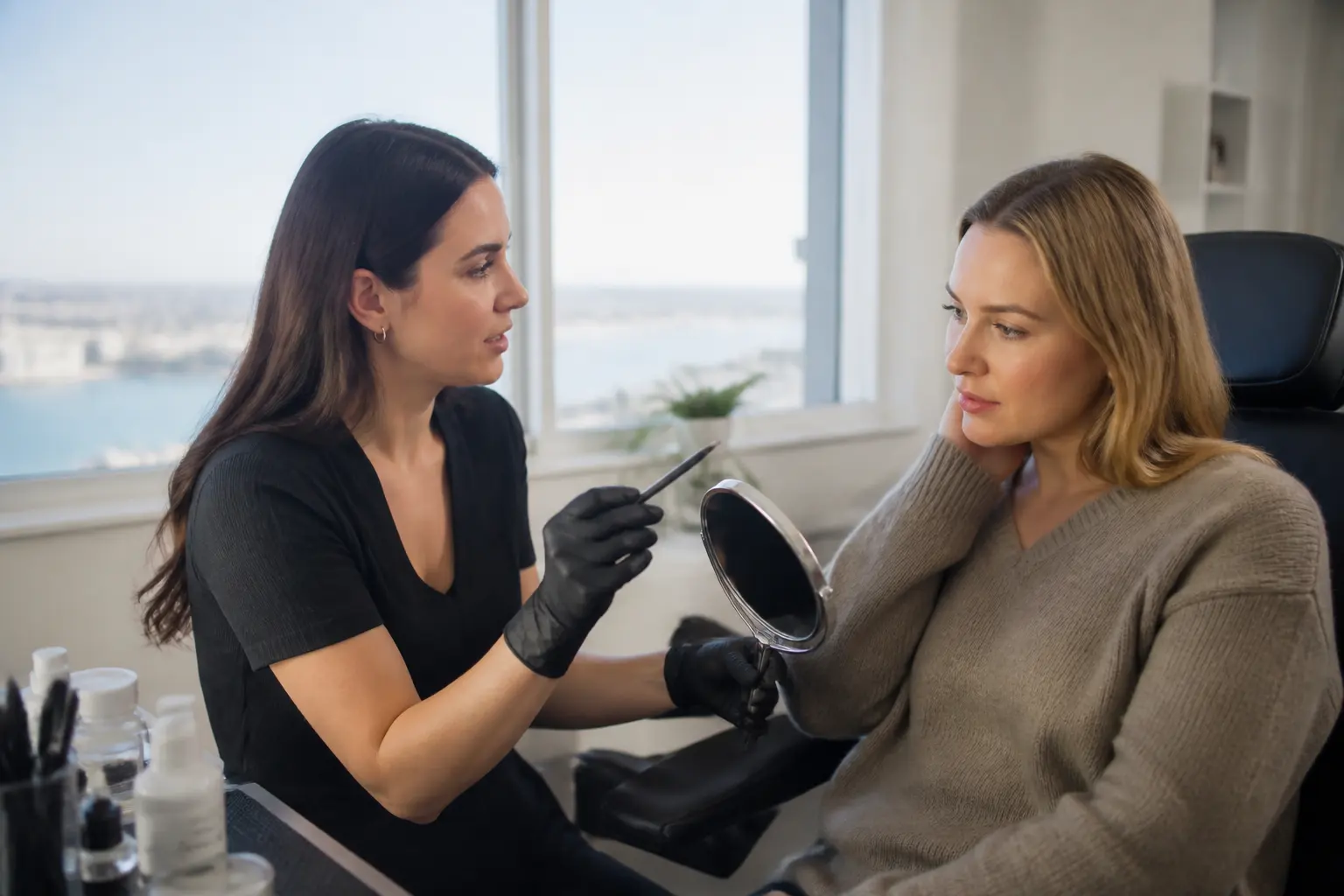
Sensitive skin does not automatically rule out semi-permanent make-up. It does mean that the decision deserves more care before a procedure is booked. Whether you are considering microblading, microshading, nanoblading or lip micropigmentation, a professional assessment helps you understand your own starting point, ask the right questions and decide whether it is sensible to proceed now, later, or not at all.
At Becammo in Malta, suitability comes before style. A flattering brow shape or lip shade matters, but so do your skin history, current condition and previous reactions to cosmetic products. The aim is not to label every easily irritated complexion as unsuitable. It is to make a considered, personalised decision rather than treating sensitive skin as a one-size-fits-all category.
What does sensitive skin mean in this context?
People use the term sensitive skin in many different ways. You may mean that your skin becomes red after trying a new skincare product, feels tight after cleansing, reacts to fragrance, or flares after waxing, exfoliation or sun exposure. You may also have a diagnosed skin condition, a known contact allergy, or a history of unusual reactions to cosmetics.
These experiences are important to mention, but they do not all mean the same thing. A tendency to temporary redness after facial hair removal is different from an unexplained rash, an active eczema flare or a confirmed allergy to a product ingredient. This is why an honest consultation is more useful than trying to decide suitability from a short online checklist.
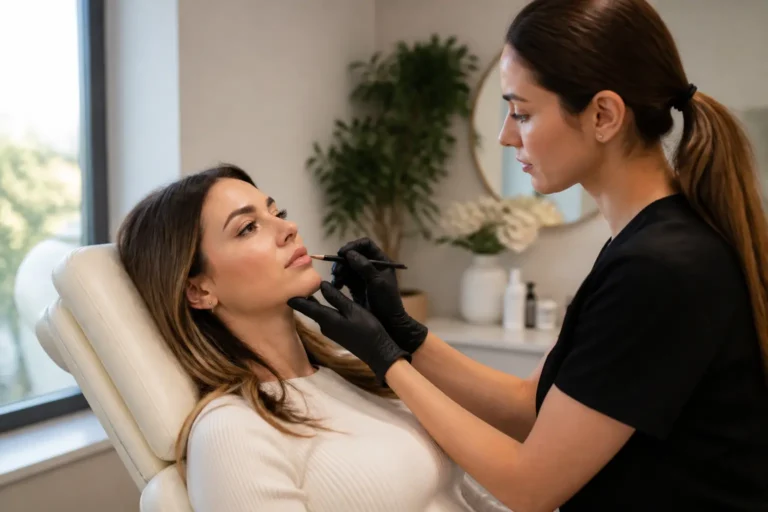
Semi-permanent make-up involves placing pigment in the skin. It is not simply the same as applying everyday make-up on the surface. Because the procedure works with the skin barrier and healing process, any history of irritation, allergies, scarring or inflammation should be discussed in advance. The FDA information on tattoos and permanent make-up notes potential concerns including infection, allergic reactions and scarring. Knowing that these risks exist supports a more informed choice, not unnecessary alarm.
Why an assessment should come before booking the procedure
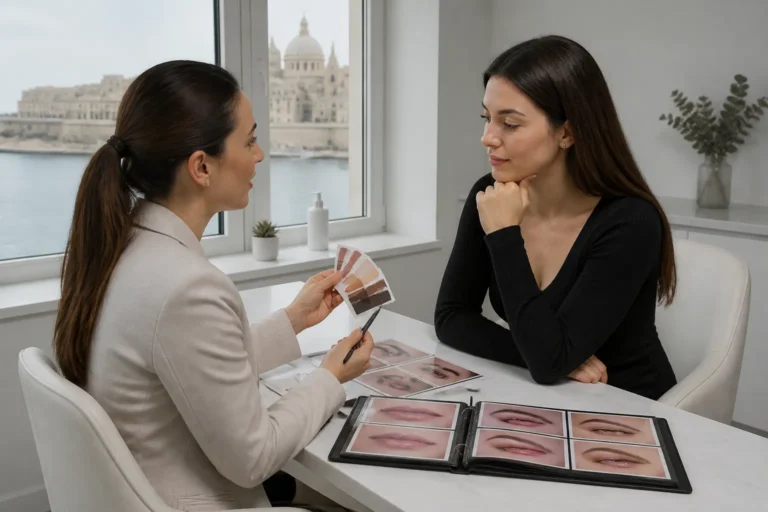
A consultation for semi-permanent make-up creates space to assess the decision before committing to brows or lips. It is particularly valuable if you have sensitive skin because it separates two questions that are often mixed together:

- Do you like the idea of semi-permanent make-up?
- Is this the right procedure, timing and approach for your current skin situation?
The first question is personal. You may want more definition, a softer everyday routine or a brow shape that looks more balanced. The second requires a calm conversation about practical details. Your practitioner can look at the treatment area, discuss your desired result and identify information that may mean a different plan is appropriate.
That plan may be to move forward after the usual preparation, allow the skin time to settle first, arrange a patch test where appropriate, or seek advice from a qualified healthcare professional if there is an unresolved skin concern. A good assessment does not force a yes. Sometimes the most responsible outcome is to wait.
What to tell your practitioner about your skin
Bring a clear picture of how your skin behaves in real life. You do not need technical language. Straightforward details are often the most useful.
Previous reactions to cosmetics or colour products
Tell your practitioner if you have reacted to skincare, make-up, hair colour, adhesives, topical creams, fragrances or previous cosmetic tattooing. Explain what happened, where it occurred and how long it lasted if you can remember. If you know the ingredient or product involved, share that too.
This conversation matters because pigment is not the only consideration. Your routine may involve products that affect how calm or reactive the treatment area feels. It also helps the studio understand whether a patch test conversation or further medical guidance may be sensible.
Current irritation or broken skin
Be open about redness, peeling, soreness, spots, rashes, cuts, sunburn or any visible irritation around the brows or lips. A skin area that is currently unsettled is not an ideal place to begin a procedure that requires a considered healing period.
Do not try to cover a flare with make-up before your consultation. Seeing the skin as it is allows for a more accurate conversation. It may feel disappointing to postpone an appointment, but allowing the area to settle can be a better decision than pressing ahead on a date that does not suit your skin.
Known allergies, dermatitis or eczema
If you have been diagnosed with contact dermatitis, eczema or an allergy, say so clearly and share any professional advice you have been given. The NHS explains that medical patch testing is used to investigate whether allergens that touch the skin may be contributing to contact dermatitis. It is a clinical process designed to identify possible triggers, rather than a beauty service test. Read more from the NHS guide to diagnosing contact dermatitis.
This distinction is important. A studio patch test can be a useful part of a cosmetic preparation process, but it does not diagnose an allergy or replace assessment by a dermatologist or other qualified healthcare professional. If your reactions are ongoing, severe, unexplained or difficult to manage, seek professional medical advice before making a cosmetic appointment.
Scarring history and previous semi-permanent make-up
Mention whether you have a history of raised or unusual scarring, as well as any older brow tattoo, microblading, lip pigmentation, laser removal or colour correction. Existing pigment and previous procedures can influence what is realistic to plan. The FDA also highlights that people prone to keloid scarring may be at risk of keloid formation after skin trauma, so this is not a detail to leave out of the conversation.
Patch tests and suitability assessments are not the same thing
Patch tests are often discussed alongside sensitive skin, but they answer only part of the wider suitability question. A patch test may be considered to observe whether there is a visible reaction to selected materials used in the planned procedure. It is one useful precaution, not a universal guarantee that no reaction can occur.
A complete consultation looks more broadly at your history, treatment area, desired outcome and ability to follow aftercare. It also gives you time to ask about the procedure itself. For instance, you may decide that a soft microshading effect fits your preferences better than hair-stroke microblading, or that a lip shade should be more understated than the reference photos you first saved.
If you have a known or suspected allergy, unexplained dermatitis or a recent reaction to a cosmetic product, be precise about it. The right next step may be to discuss the concern with your doctor or dermatologist. It is better to have clarity before pigment is introduced into the skin than to rely on assumptions.
Questions to ask at your consultation
Feeling prepared can make the assessment less overwhelming. Consider writing down your questions, especially if you have had complicated reactions in the past. Useful questions include:
- Based on my skin history and the condition of the area today, is now an appropriate time to consider the procedure?
- Would you recommend a patch test as part of my preparation?
- What products or activities should I avoid before the appointment?
- What is normal during the initial healing period, and what would mean I should seek advice?
- How could my existing skin texture, natural brow hair or previous pigment affect the result?
- If I decide to wait, what changes should I look for before returning for another assessment?
A professional studio should welcome these questions. You are not being difficult by raising skin concerns. You are taking an active role in a decision that deserves care.
Preparing sensitive skin without overdoing it
When people are worried about sensitivity, they sometimes react by trying several new calming products shortly before an appointment. That can make it harder to know what the skin is responding to. A simpler approach is usually more helpful: keep your regular routine steady unless a qualified professional advises otherwise, avoid experimenting with unfamiliar products close to your appointment and follow the studio’s pre-procedure instructions.
It is also wise to be realistic about timing. Avoid arranging semi-permanent make-up around a period when your brow or lip area is already stressed by strong sun exposure, active irritation or another treatment that could leave it reactive. If you are travelling, attending a major event or have a packed social calendar, give yourself enough room for the skin’s natural healing process rather than expecting an instant finished look.
At Becammo, hygiene and preparation are part of the experience. For threading, the studio uses single-use thread. For semi-permanent make-up, the consultation is the point to discuss the planned service, your individual circumstances and the relevant preparation and aftercare. Clear communication is a practical form of care.
What about sensitive skin around the eyebrows versus lips?
The brow and lip areas have different day-to-day exposures, so it is useful to discuss the exact service you are considering. Brows may be affected by skincare, brow products, hair removal and previous pigment. Lips may be affected by dryness, lip products and irritation around the mouth. Your practitioner needs to assess the specific area, rather than treating “sensitive skin” as a single issue across the whole face.
For brow services, bring up any history of irritation after threading, tinting, henna, waxing or brow cosmetics. For lip micropigmentation, mention reactions to lip balms, lipsticks and previous lip products. If you have a history of recurring concerns in the treatment area, do not minimise it in the hope of securing a date. The consultation is there to help you make the safest practical choice within the limits of a beauty service.
When postponing is the right choice
Choosing not to proceed immediately is still progress. If the skin is actively irritated, if you are recovering from a reaction, if your allergy history is unclear, or if you simply do not feel confident about the commitment, waiting is reasonable. Semi-permanent make-up should feel like a well-considered choice, not something rushed because of a diary date.
Use the extra time to gather useful information. Note the names of products that have caused reactions, ask a healthcare professional about persistent skin symptoms where needed and return to the studio when you can have a clearer discussion. This approach can reduce uncertainty and help ensure that your desired brow or lip plan is based on your real needs.
Conclusion
Semi-permanent make-up can be an option for some people with sensitive skin, but suitability should always be assessed individually. The key is to share your full skin history, be honest about current irritation and understand that a patch test is one part of preparation, not a diagnosis or a promise.
If you are considering semi-permanent brows or lips in Malta, book a consultation with Becammo before deciding on a procedure. It is the best setting to discuss your skin, your goals and the next step with clarity.
Frequently asked questions
Can I have semi-permanent make-up if I have sensitive skin?
Possibly, but sensitive skin alone does not give a clear yes or no answer. A consultation is important to discuss your history of reactions, the current condition of the treatment area and the service you are considering.
Does a patch test guarantee that I will not react?
No. A patch test may be useful as part of preparation, but it cannot guarantee that a reaction will never occur. It also does not replace medical allergy testing or advice from a dermatologist.
Should I book if my skin is currently red or irritated?
Tell the studio before booking or as soon as possible. Active irritation, broken skin or an unexplained flare may mean it is better to wait until the area has settled and, where appropriate, seek advice from a qualified healthcare professional.
What should I bring to a semi-permanent make-up consultation?
Bring details of past reactions, any known allergies, information about previous brow or lip procedures and a few realistic reference images if you have them. It can also help to list the products you use regularly around the treatment area.
Is professional medical patch testing available at a beauty studio?
No. Clinical patch testing is carried out through healthcare services to investigate possible contact allergies. A beauty studio may discuss a cosmetic patch test, but this is not the same as a medical assessment.