Men’s Laser Hair Removal Aftercare: Simple Steps That Matter
Brenda Cammo Team
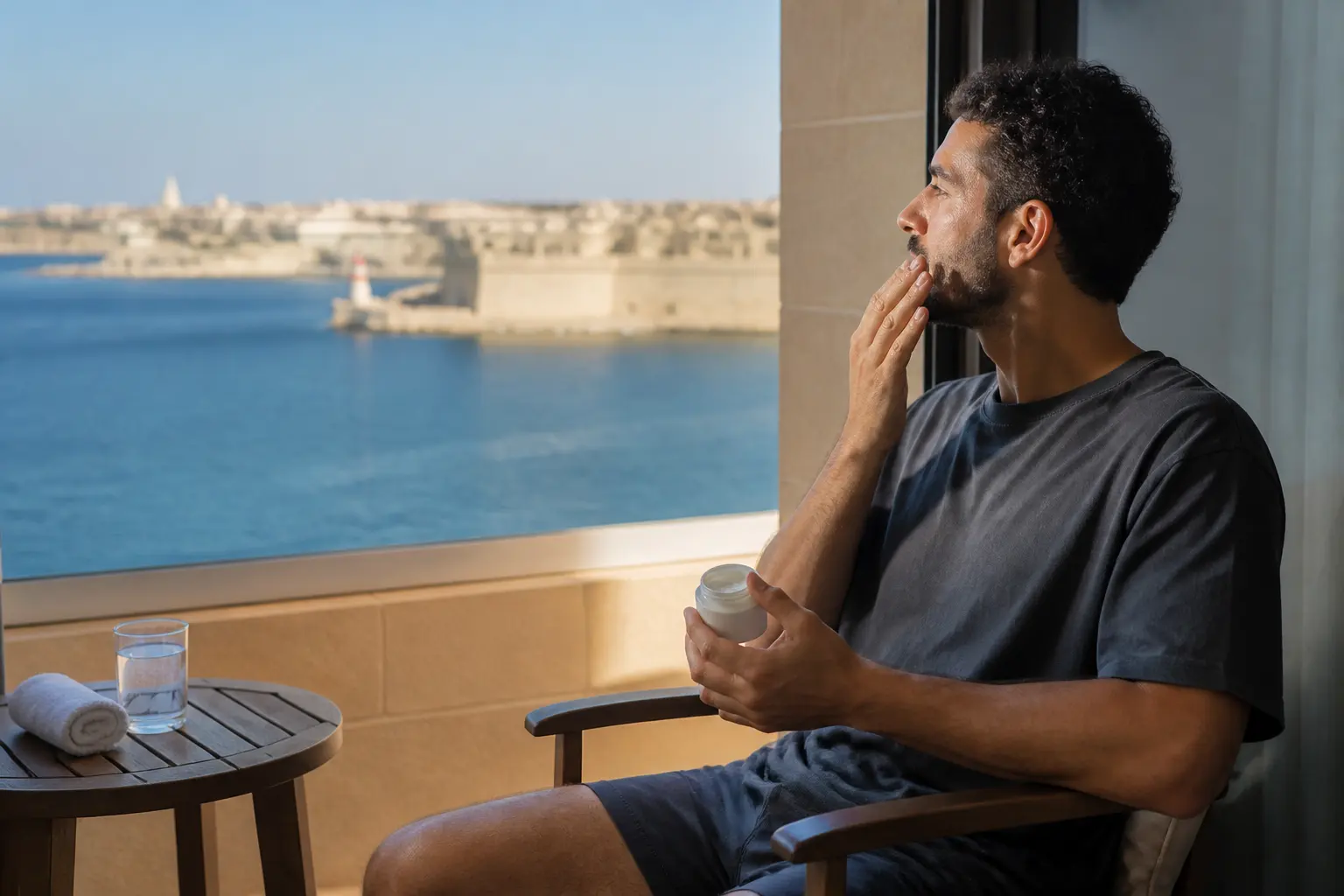
Good aftercare is one of the simplest ways to make your men’s laser hair removal plan feel more comfortable and consistent. Whether you are treating your beard line, chest, back, shoulders, neck or another area, the skin may look a little red or feel warm immediately afterwards. That response is often temporary, but the way you treat the area over the following days still matters.
In Malta, sun, heat, sea days and an active routine can all make aftercare feel less straightforward. The aim is not to overcomplicate your day. It is to give treated skin a little space to settle, protect it from avoidable irritation and follow the personalised instructions from your professional.
This guide explains the practical steps that matter after a laser session, including what to do after beard laser hair removal, how to handle workouts and shaving, and when it is sensible to contact the studio for advice.
Why aftercare matters after men’s laser hair removal
Laser hair removal uses focused light to target pigment in the hair. Because hair growth happens in cycles, a course of sessions is usually needed, and results vary according to factors such as hair colour, hair thickness, the area treated and individual skin characteristics.
After a session, it is common for the treated area to appear mildly red or slightly swollen around the follicles. Some people describe this as looking or feeling similar to a mild sunburn. A cool compress may help with comfort. The American Academy of Dermatology also advises protecting treated skin from direct sun exposure, while Cleveland Clinic notes that gentle cleansing and avoiding vigorous rubbing are sensible during recovery. American Academy of Dermatology and Cleveland Clinic provide further general guidance.
Think of aftercare as part of the appointment, rather than an optional extra. It supports a calmer skin response and helps you arrive at the next session with useful information about how your skin and hair have reacted.
Your simple aftercare checklist
The instructions you receive after your own appointment should always come first, because they can be adjusted for the area treated and your skin’s response. In general, these straightforward habits are useful.
Cool the area gently if it feels warm
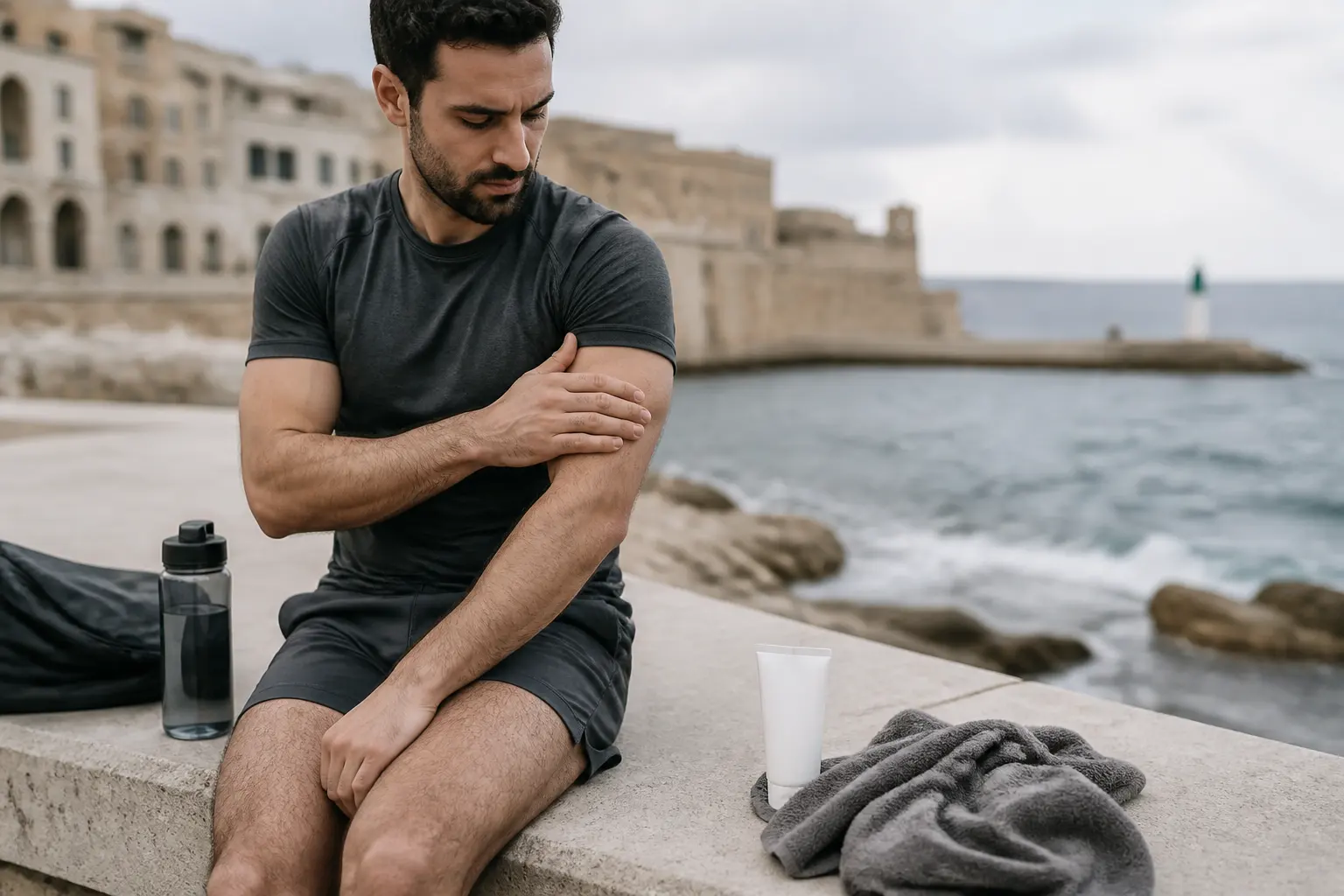
If the skin feels warm, tender or flushed, use a clean, cool compress for short periods. Avoid placing ice directly on the skin, as extreme cold can be irritating. A cool shower may also feel more comfortable than a very hot one on the day of treatment.
There is no need to scrub, massage or repeatedly check the treated area. A calm approach is usually best. Let the skin settle and observe any changes without picking at it.
Wash, do not scrub
Keep cleansing simple. Use lukewarm water and a gentle cleanser if you need to wash the area, then pat it dry with a clean towel. Avoid vigorous exfoliation, rough towels, body brushes and abrasive gloves while the skin is still reactive.
This is particularly relevant for the chest, back and shoulders, where a loofah or firm towel can create unnecessary friction. For the beard and neck area, resist the temptation to scrub closely around stubble or ingrown-looking hairs.
Choose loose, breathable clothing
Friction and heat can make freshly treated skin feel more uncomfortable. For body areas, choose a clean, loose-fitting cotton T-shirt rather than a tight synthetic top when possible. If your shoulders, chest or back have been treated, allow straps, collars and sportswear to sit comfortably rather than rub repeatedly on the area.
This small change can be especially helpful after larger-area appointments, when you may be more aware of warmth or sensitivity across the skin.
Keep products uncomplicated
Freshly treated skin does not need a complicated product routine. Fragranced products, strong exfoliating acids, retinoids, alcohol-heavy aftershaves and heavily perfumed deodorants can sting or irritate some people. It is sensible to avoid applying anything new or potentially irritating to the treated area unless your practitioner has advised it.
This point matters for facial laser sessions. A usual aftershave may feel fine on ordinary shaving days, but it may not be the best choice straight after a beard or neck session. Ask your practitioner which products are suitable for you and when to reintroduce your usual grooming routine.
Sun protection is essential in Malta
Sun care deserves special attention after laser hair removal. Malta’s bright weather makes incidental exposure easy, even on a short walk, a lunch break outdoors or a drive with the window down. Direct sun and tanning can increase the chance of unwanted skin reactions, and tanned skin can affect how a future session is planned.
Keep the treated area out of direct sunlight where practical. Covering the area with suitable clothing can be useful for the chest, shoulders, arms and back. For exposed areas such as the beard line, face or neck, ask your practitioner when to use sunscreen and which type is appropriate for your skin. The American Academy of Dermatology recommends broad-spectrum, water-resistant SPF 30+ as part of laser hair removal sun protection. Read its laser hair removal preparation advice.
Avoid tanning beds and sun lamps as well. If you have had significant sun exposure or developed a tan before your next appointment, tell the studio. It is better to be open about it than to assume it does not matter. Your session may need to be assessed or rescheduled for safety.
Can you go to the gym after a laser session?
Many men plan laser appointments around work, training and weekends. Returning to normal life is often possible, but high heat, sweat and friction can be uncomfortable for recently treated skin. Consider giving yourself a quieter window after the session, especially if you have had your chest, back, shoulders or groin area treated.
A strenuous gym session, hot yoga class, sauna, steam room or very hot bath may not be the most comfortable choice while the skin is warm or red. Sweat can also combine with close sportswear and repeated movement, creating friction in areas such as the underarms, chest and upper arms.
The practical answer is to listen to the treated skin and follow your studio’s specific advice. If you are planning a hard workout, a long run or a football match, mention it when booking so you can choose a more convenient appointment time. This is often easier than trying to fit aftercare around a packed training schedule.
Shaving and hair between sessions
It can be confusing when hairs appear to grow after a laser appointment. In many cases, treated hairs may take time to shed. Avoid pulling at them, picking them out or trying to speed up the process with aggressive exfoliation.
Shaving is generally the hair-removal method used between laser sessions, but timing matters if the skin remains sensitive. Wait until the area feels settled, then use a clean razor and a gentle technique. Do not shave over skin that is sore, blistered, crusted or otherwise irritated. If you are unsure, contact the studio before shaving.
Avoid waxing, tweezing, plucking and epilating in the area during your course unless your practitioner tells you otherwise. These methods remove hair from the root, while laser appointments are planned around the hair follicle and growth cycle. Cleveland Clinic similarly advises avoiding waxing, tweezing and plucking after treatment has begun. Learn more about how laser hair removal works.
Aftercare by treatment area
Beard line, face and neck
Facial skin is visible, frequently touched and exposed to the weather, so keep the routine especially gentle. Avoid rubbing your face with a towel, using harsh exfoliants or applying strongly scented aftershave while the area is sensitive. Be mindful of sun exposure on the way home, during outdoor work and when sitting outside.
If you wear a close-fitting helmet, mask or sports neckwear, consider whether it will rub against the beard line or neck. Where possible, allow the skin time to settle before using anything that creates pressure or friction.
Chest, stomach, shoulders and back
These areas are often affected by sweat, gym clothing and backpack straps. Choose breathable clothes, postpone activities that make you overheat if your skin feels reactive, and shower gently after sweating. Do not use a body scrub simply because the area feels textured. A mild follicular response can happen after treatment and should be assessed calmly rather than aggressively treated at home.
Underarms and intimate areas
These areas can be more prone to warmth and friction. Avoid fragranced deodorant, tight clothing and intense exercise if they cause stinging or rubbing. Keep hygiene gentle and follow the precise aftercare instructions given at your consultation. If anything feels unusual or you are not sure which products to use, ask before experimenting.
What is normal, and when should you ask for help?
Temporary redness, mild swelling around follicles and a warm sensation can occur after laser hair removal. These effects often settle, but every person and treatment area is different. Take note of how your skin feels rather than comparing it with someone else’s experience.
Contact the studio promptly if you notice blistering, increasing pain, marked swelling, unusual discharge, extensive crusting or a reaction that worries you. You should also seek appropriate medical advice for signs of infection or a severe reaction. It is always better to ask a question early than to apply random products or wait while symptoms worsen.
Before your next appointment, tell the practitioner about any reaction, new medication, recent tanning or changes to your skincare routine. Clear information supports a more personalised plan.
Plan sessions around real life
A successful laser plan is not only about the appointment itself. It also fits your work, gym schedule, holidays and time outdoors. If you know you have a beach weekend, outdoor event or intensive training block coming up, book with enough room to follow aftercare without stress.
Men often choose laser hair removal to simplify grooming for areas that are time-consuming to shave or prone to irritation from frequent hair removal. The process still benefits from patience. Hair grows in cycles, multiple sessions may be needed, and the outcome cannot be predicted identically for every person.
At Becammo, a professional consultation gives you space to discuss the area you would like treated, your routine, your skin and hair profile, and any questions about aftercare. Booking a suitable session is the first step. The final banner below can help you choose men’s laser hair removal at the most convenient Malta location.
Frequently asked questions
How long will my skin look red after men’s laser hair removal?
Redness and mild swelling can occur shortly after a session and often settle over time. The exact duration varies by person and area. Follow your personalised instructions and contact the studio if the reaction increases or concerns you.
Can I shave after laser hair removal?
Shaving may be suitable between sessions once the skin feels settled, but avoid shaving irritated, sore or broken skin. Use a clean razor and do not pluck, wax or tweeze the treated area unless your practitioner has specifically advised otherwise.
Can I use deodorant after underarm laser hair removal?
Freshly treated underarms may be sensitive to fragranced or alcohol-heavy deodorants. Ask your practitioner when to return to your usual product, especially if it stings or the skin feels warm.
Should I avoid the sun after a laser session in Malta?
Yes. Protecting treated skin from direct sun is an important part of aftercare. Use appropriate cover and ask your practitioner about sunscreen for exposed areas. Let the studio know if you have had recent sun exposure before a future session.
Can I work out after chest or back laser hair removal?
It is wise to avoid intense heat, sweat and friction while the skin is reactive. If you have a demanding workout planned, ask the studio how to time your session around it.
What should I do if I get blisters after laser hair removal?
Do not pick, scrub or apply unapproved products. Contact the studio promptly for guidance and seek medical advice if you have severe symptoms, signs of infection or a reaction that is getting worse.