Why Artists Study Natural Hair Direction Before Shaping
Brenda Cammo Team
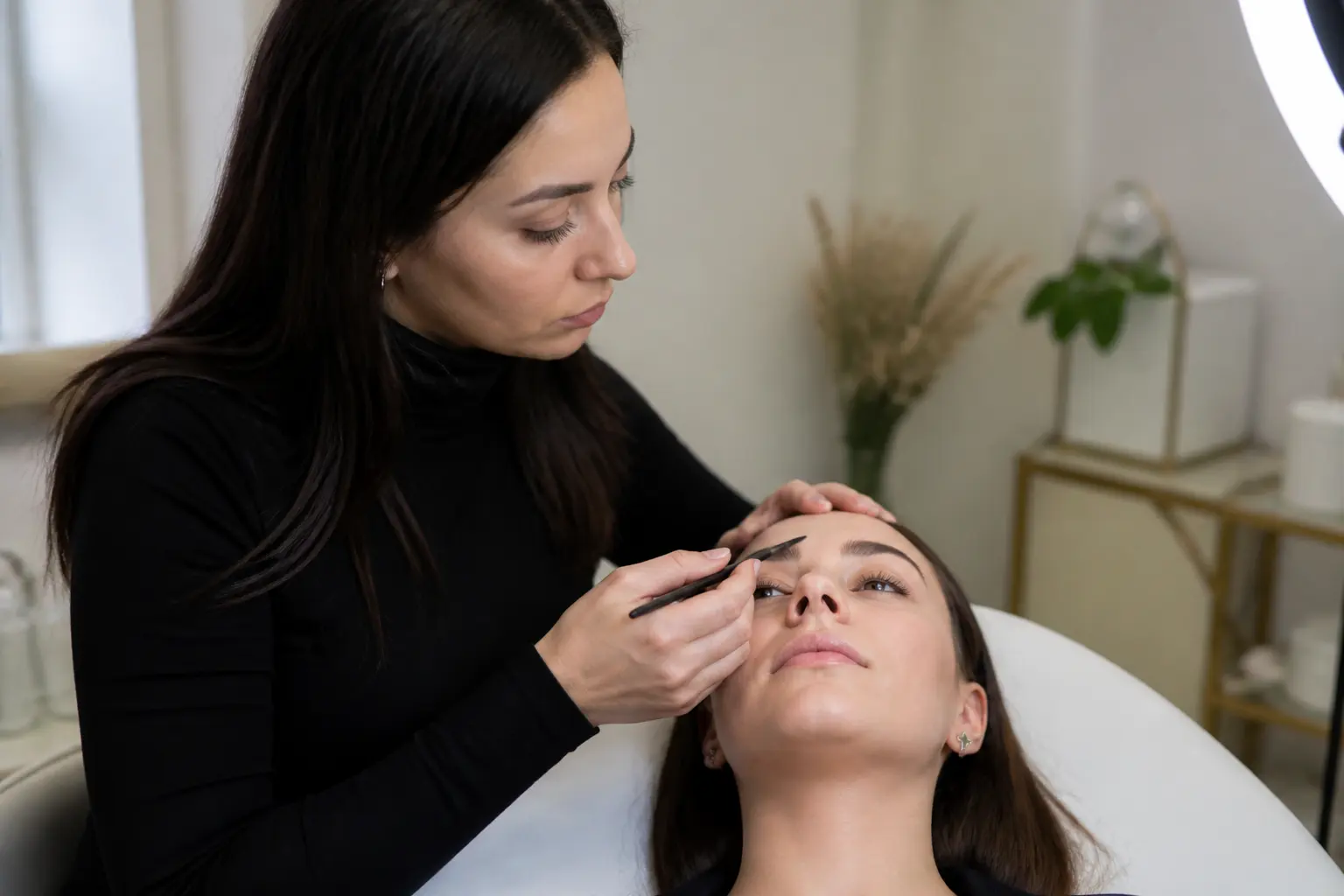
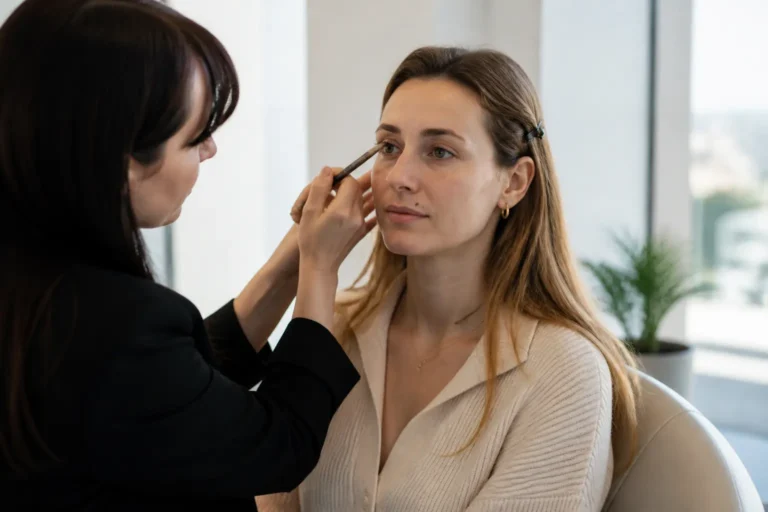
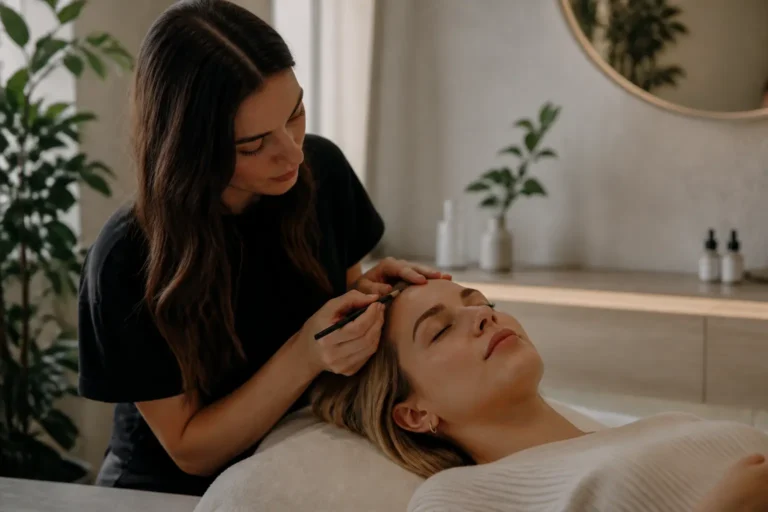
A well-shaped brow does not begin with hair removal. It begins with observation. Before an artist reaches for thread, tint or any other brow tool, they need to understand how your eyebrow hairs naturally grow.
Natural eyebrow hair direction is one of the details that separates a quick tidy-up from considered eyebrow design. It affects where the brow looks fullest, how the arch reads, which hairs support the shape and which ones can be removed without making the brow look sparse. At a professional studio, this assessment helps create a result that feels balanced, wearable and true to your own features.
For clients in Malta, where sunlight, busy routines and a diverse mix of skin tones and brow types all influence beauty preferences, personalised brow work matters. The aim is not to copy one fixed brow trend. It is to work with the pattern already present and refine it carefully.
What natural eyebrow hair direction means
Natural hair direction describes the way individual brow hairs sit and grow across the eyebrow. It is not always uniform. Hairs near the front of the brow often grow upwards or slightly outwards. Through the middle, they may angle more sideways. Towards the tail, they commonly lie diagonally downwards.
This pattern can vary widely between people, and even between the left and right brow of the same person. One brow may have a stronger upward front, while the other may grow flatter. One tail may naturally sit lower or have finer hairs. These differences are normal and are exactly why an artist should assess both brows individually rather than treat them as identical templates.
Hair direction also affects the apparent density of the brow. When hairs lie in a cohesive pattern, they can make an area look naturally fuller. When they point in several directions, gaps can appear more visible, even if there are plenty of hairs present. Understanding this distinction prevents an artist from over-removing hairs in an attempt to make both brows look too perfectly matched.
Why this assessment comes before shaping
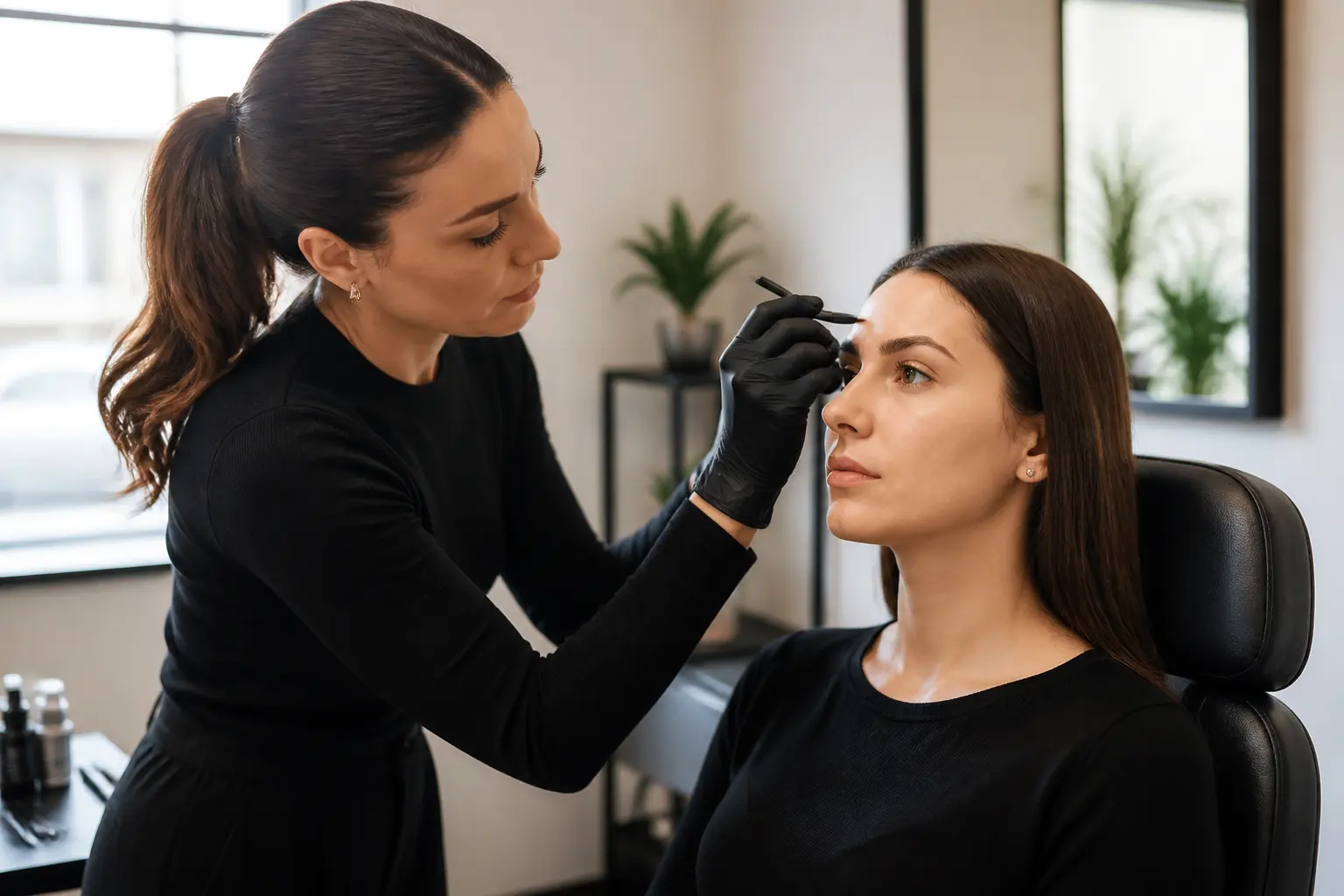
Threading is valued for its precision, but precision is only useful when it follows a clear plan. Looking at the growth pattern first allows the artist to decide where the natural boundaries of the brow are, which hairs contribute to its structure and where gentle refinement can make the biggest difference.
It protects the brow’s natural fullness
Many clients arrive after years of plucking, waxing or experimenting with brow trends at home. In these cases, every remaining hair can matter. Removing hairs that appear out of line without checking how they support the overall growth pattern can leave the brow looking narrower or more uneven over time.
Studying direction helps identify hairs that may look slightly unruly when brushed one way but actually belong to the natural body of the brow. Instead of automatically taking them away, an artist can consider whether a small trim, styling adjustment or leaving the hair in place would better support fullness.
It makes the shape more believable
The most flattering brow designs generally look intentional without looking disconnected from the face. If the shape cuts sharply across the way the hairs grow, the result can appear harsh or difficult to maintain between appointments.
When the outline respects natural direction, the brow tends to settle more easily after the service. The front can remain soft, the body can look supported and the tail can finish in a way that suits its existing density. This is especially important for clients who prefer a polished but natural finish for everyday life.
It supports a more balanced result
Brows are sisters, not identical twins. Facial expressions, bone structure, muscle movement and natural hair growth all create small differences. A professional assessment uses these details to bring the brows into better visual balance while respecting what is realistically possible.
For example, if one brow grows higher through the arch, trying to force the other into the exact same line by removing too much hair may create a weaker result. A more thoughtful approach is to create harmony in width, start point, overall proportion and finish, while allowing slight natural variation to remain.
How an artist reads the brow before threading
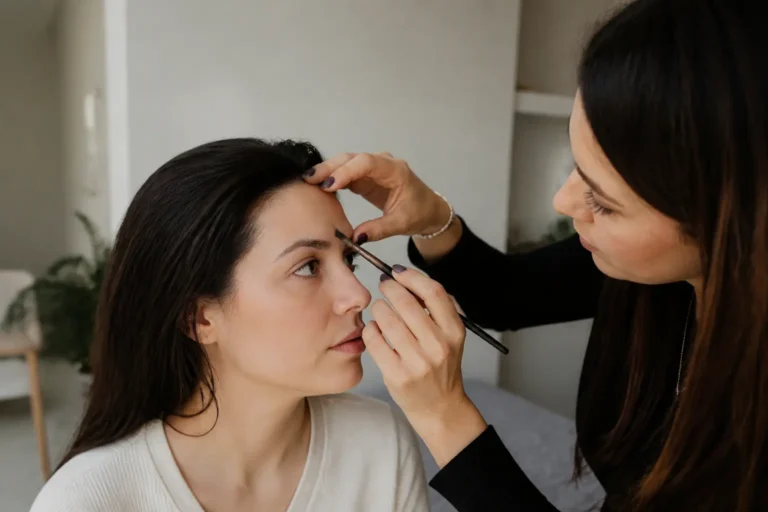
A proper brow assessment is not about staring at the hairs in isolation. The artist considers the brows in relation to the whole face, including the eyes, forehead, nose bridge and natural facial movement. Hair direction is one important part of that wider picture.
Looking at the brow clean and unstyled
Before shaping begins, the brow needs to be seen as it naturally is. Heavy brow makeup, strong hold gels and concealer around the outline can hide the real growth pattern. If you are coming for an eyebrow appointment, arriving with minimal brow product can make the consultation and design process clearer.
The artist may gently brush the hairs in their usual direction, then lift them or smooth them differently to see how the density changes. This helps reveal where the brow has strong coverage, where it has finer areas and whether a gap is caused by missing hairs or simply by the way hairs are sitting.
Finding the natural start, body and tail
The brow is usually assessed in three zones:
- The front: the inner section near the nose, where hairs can be more vertical and textured.
- The body and arch: the central section, where density and direction often determine how structured the brow can look.
- The tail: the outer section, which is frequently finer and can need a lighter touch to avoid looking overly thin.
Each zone has its own growth behaviour. Treating all three with the same level of removal can make a brow look overworked. A softer front and a carefully preserved tail often create a more elegant frame for the eyes.
Checking the skin as well as the hairs
Professional shaping also considers the skin around the brow. Sensitivity, dryness, recent exfoliation and active irritation can affect how the area responds to hair removal. It is helpful to mention any recent facial treatments, retinoid use or skin concerns before your appointment so the artist can advise appropriately.
This is not about making a medical assessment. It is about ensuring the service is approached thoughtfully and that your comfort and aftercare are taken seriously.
What hair direction tells an artist about your ideal shape
There is no single ideal eyebrow shape for every face. A strong, straight brow may suit one person, while a softer arch may better complement another. Natural hair direction gives useful clues about how far a design can be refined while still looking like it belongs to you.
A strong upward front
Some brows have front hairs that grow upwards with noticeable texture. This can create a naturally youthful, feathered look when shaped with restraint. Removing too much from the top or front may reduce that softness, so the artist may focus on cleaning the surrounding area while preserving the core growth.
A flatter growth pattern
Other clients have hairs that naturally lie sideways or slightly downwards, creating a straighter visual line. This does not mean the brow lacks shape. It simply means a very high, dramatic arch may not be the most natural direction to pursue. Careful mapping can still define the brow while maintaining a believable flow.
Fine or sparse tails
The tail is often the most delicate part of the brow. If hairs are fine, widely spaced or naturally downward-growing, aggressive removal underneath can make the end of the brow disappear visually. Preserving a few strategic hairs can support a cleaner finish than chasing an ultra-thin tail.
Uneven growth between brows
It is common for one brow to be fuller or more active than the other. Past hair removal habits, sleeping positions, natural asymmetry and individual growth cycles may all play a part. The goal is usually to make the pair look more balanced from a normal conversational distance, rather than to create an exact copy on each side.
How threading works with natural growth
Threading uses a twisted thread to remove unwanted hairs with control. At Becammo, eyebrow threading is approached as a design service, not simply a fast removal method. Once the natural hair direction and facial proportions have been assessed, the thread can be used to clean the outline and refine the shape with care.
Because the work is precise, threading can be particularly useful around the front of the brow, the arch and the tail. These are the areas where a few hairs can change the visual balance. The artist can take away hairs that sit clearly outside the chosen design while retaining those that help the brow look naturally full.
The service also gives the artist the opportunity to reassess throughout the appointment. Rather than removing a large area at once, they can step back, check the shape and make considered adjustments. This is valuable when working with brows that have uneven density, old over-plucking or naturally different growth patterns.
Common mistakes when people ignore hair direction at home
At-home tweezing can be useful for a very small touch-up, but it is easy to misread the brow when working close to a mirror. The hairs that look most noticeable may not be the hairs that are safest to remove.
- Over-cleaning the front: taking away too much can create a blocky start or leave the brow looking disconnected from the face.
- Chasing symmetry hair by hair: repeatedly removing from the fuller brow to match the sparser one can gradually make both brows thinner.
- Creating an arch against the growth pattern: forcing a high angle may leave the brow difficult to style and less natural between appointments.
- Removing from a sparse tail: a few fine hairs can make a significant difference to the length and finish of the brow.
- Following a trend instead of your own structure: trend-led shapes can be fun, but they should be adapted to your face and available hair rather than copied exactly.
If you are trying to grow out an over-plucked brow, it can be wise to pause major DIY shaping and seek professional guidance. An artist can help create a tidier appearance while protecting the areas that need time to grow.
How to prepare for a personalised brow appointment
You do not need to arrive knowing exactly which brow shape you want. In fact, the best starting point is often to explain how you want to feel: more polished, softer, more defined or easier to maintain. The artist can then discuss what suits your natural brow direction and density.
- Let the brows grow for a little while if possible, especially if you have been over-tweezing.
- Avoid reshaping immediately before the appointment, as this gives the artist more to work with.
- Come with little or no brow makeup so the growth pattern is easy to assess.
- Share any relevant sensitivity, recent facial exfoliation or skincare products you use around the brow area.
- Bring inspiration photos if they help, but treat them as a conversation starter rather than a fixed blueprint.
A good brow design should feel personal. It can take inspiration from a look you like, while still respecting the direction, texture and density of your own hairs.
Why personalised design matters for every brow type
Becammo works with clients from many backgrounds and with a wide range of eyebrow textures, densities and growth patterns. This experience reinforces a simple principle: brows should not be forced into one standard.
Some clients want a crisp, defined outline. Others prefer a softer, brushed finish. Some have naturally dense brows that need careful editing, while others want to retain every hair that contributes to shape. By studying natural eyebrow hair direction first, the artist can adapt the design approach rather than applying the same brow formula to everyone.
This creates a result that is easier to recognise as your own. It also makes maintenance more straightforward, because the shape is built around the brow’s real growth rather than fighting against it.
Conclusion
Natural hair direction may seem like a small detail, but it influences every stage of eyebrow shaping. It helps an artist preserve fullness, work with natural asymmetry, choose a flattering outline and avoid unnecessary removal. The result is not about making your brows identical or following a trend at all costs. It is about creating a cleaner, more balanced version of what you already have.
If you are ready for eyebrow shaping that starts with a proper assessment rather than a one-size-fits-all template, choose the Becammo location in Sliema or Swieqi that suits you and book a threading and design appointment. You can also ask the team which brow option best fits your current goals.
Frequently asked questions
Can eyebrow hair direction change over time?
It can appear to change as brows become fuller or sparser, after changes in grooming habits, or when hairs are styled differently. Individual hairs may also grow at slightly different angles. A professional assessment at each appointment helps account for these changes.
Should I brush my brows before a threading appointment?
You can, but it is best to avoid strong gels or heavy makeup. Seeing the brows in a clean, natural state helps the artist understand their true growth direction and density.
Can threading help if my brows are uneven?
Threading can refine the surrounding hairs and improve visual balance. However, natural differences in density, muscle movement and growth pattern are common. The aim is harmonious brows, not artificial perfection.
What if I have over-plucked my eyebrows?
Letting the hairs grow where possible and avoiding frequent DIY removal can give an artist a clearer starting point. During a professional shaping appointment, the design can be adjusted to protect areas that contribute to fullness.
How often should I have my eyebrows shaped?
Timing varies with your personal hair growth and the look you prefer. Many people choose regular maintenance once the shape has been established, but the right interval is individual and can be discussed during your appointment.