The Healing Stages of Lip Blush: Swelling, Peeling and Colour Bloom
Brenda Cammo Team
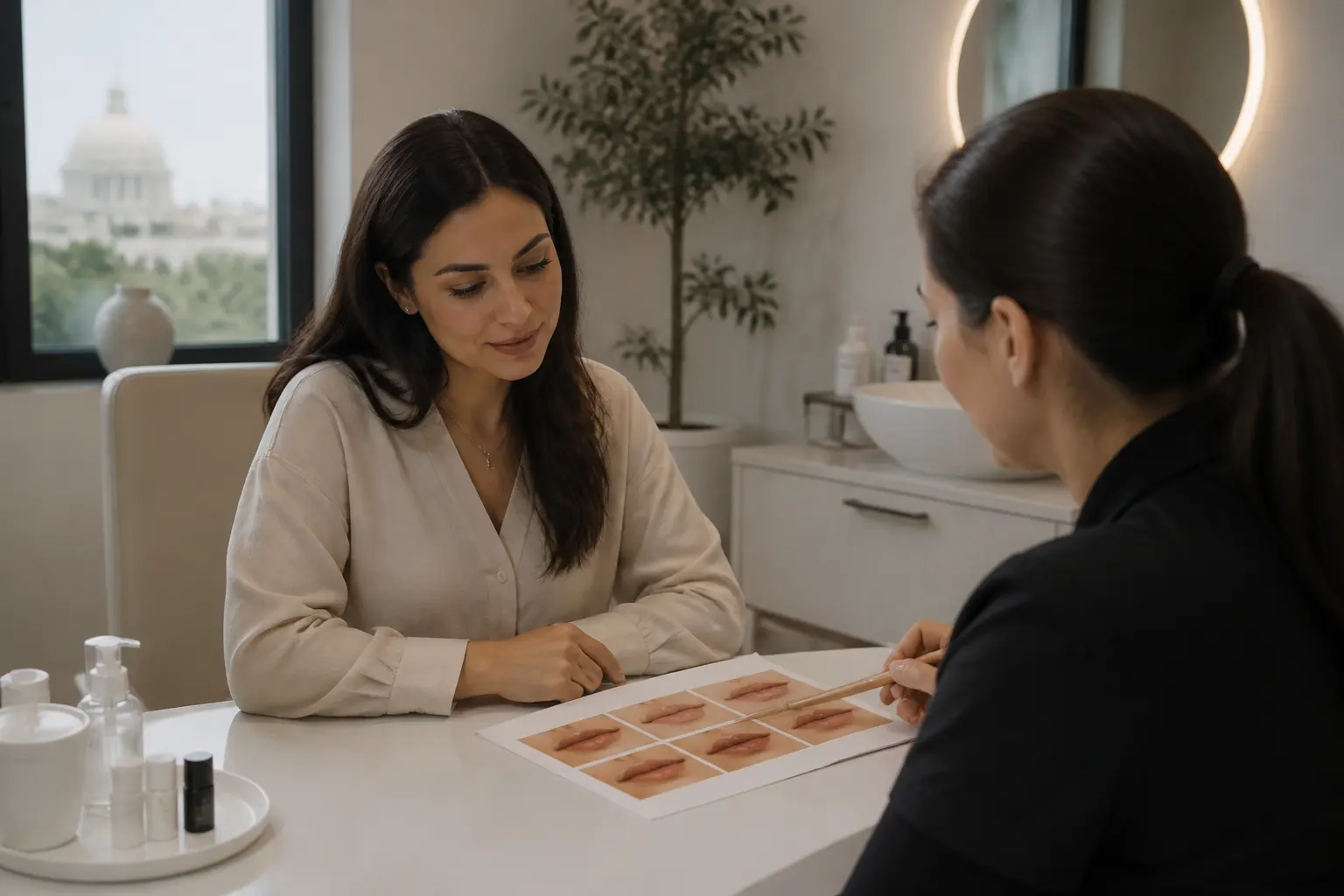
Lip blush can give the lips a softly enhanced wash of colour and more defined-looking shape, but the result you see immediately after an appointment is not the finished result. Like other forms of semi-permanent make-up, lip blush involves a healing period in which the lips can look brighter, feel different and change appearance several times.
If you are considering lip blush in Malta, understanding these stages before booking helps you plan realistically. You can avoid judging the colour too soon, arrange your social calendar with more confidence and follow the aftercare guidance given by your artist more carefully. Every person heals differently, so the exact pace, colour shift and level of swelling can vary.
This guide explains the typical lip blush healing stages, including swelling, peeling and the often surprising colour bloom phase. It is general information, not a substitute for the personalised pre-care and aftercare instructions provided at your appointment.
Lip blush healing at a glance
Lip blush is a form of lip micropigmentation. Fine pigment is placed into the lip area to create a sheer, balanced enhancement rather than the solid finish of conventional lipstick. In the days and weeks after the procedure, the surface of the lips recovers while the pigment settles into its healed appearance.
The process is not perfectly linear. One lip may appear to peel before the other, colour can look uneven while the surface is changing, and the shade may seem to fade before it gradually returns. That is why it is helpful to think in stages rather than expect a fixed day-by-day promise.
| Healing stage | What you may notice | What helps |
|---|---|---|
| Immediately after the appointment | Brighter colour, mild swelling and a fresh finish | Follow your artist’s instructions and avoid touching the area unnecessarily |
| Early recovery | Dryness, tightness or tenderness as the lips settle | Use only the aftercare products and routine recommended for you |
| Peeling phase | Fine flaking or small areas of peeling | Let flakes release naturally, do not pick or scrub |
| Colour bloom | The colour can look lighter, then gradually appear more visible again | Be patient and assess the result only after the advised healing period |
Stage 1: the first hours, bright colour and swelling
Directly after lip blush, the colour commonly looks more vivid, warmer or deeper than the healed shade you had in mind. This is expected because the lips have just been worked on and the surface is fresh. It is not the moment to decide whether the final colour is too bold.
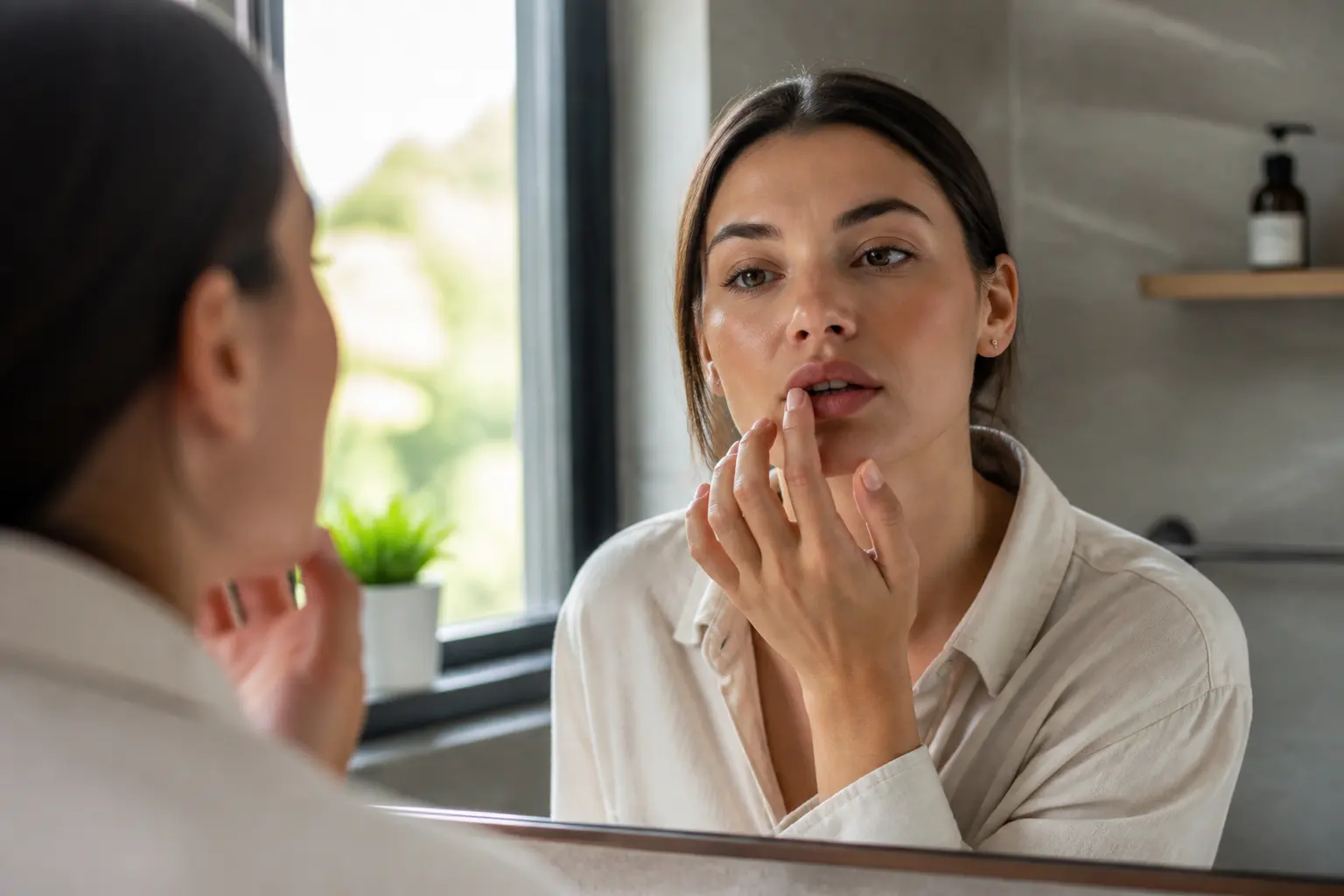
Mild swelling is also a common early response. Some clients notice only a little fullness, while others see a more obvious change for a short period. The amount can depend on individual sensitivity, the natural condition of the lips and the details of the session. Your lips may feel tender or slightly tight, so it is sensible to keep the rest of the day low-key where possible.
For many people, the first evening is the easiest time to keep things simple. Avoid adding products that have not been approved in your aftercare plan. Do not test a new lip balm, lip scrub or plumping gloss just because your lips feel dry. A professional artist will explain which product to use, how often to use it and how to keep the area clean.
How to plan the day of your appointment
- Allow enough time after the session so you do not need to rush into a long social event.
- Bring water if advised, but take care to drink in the way your artist recommends.
- Avoid scheduling an important photoshoot or occasion for the same day if you want your lips to look fully settled.
- Keep your aftercare product with you, so you can follow the instructions consistently.
Before the appointment, a professional consultation is the right place to discuss previous lip procedures, relevant sensitivities, your usual lip products and the shade direction you want. Good planning begins before pigment is applied.
Stage 2: dryness and the settling period
After the initial fresh appearance, lips often move into a drier stage. They may feel tight or look slightly textured. It can be tempting to try to smooth everything away, especially if you are used to exfoliating dry lips. During healing, however, less interference is usually better.
Your goal is to protect the recovering surface, not to speed it up through rubbing, scrubbing or adding multiple products. Follow the studio’s individual instructions on cleansing, hydration and protective aftercare. If you are uncertain about something, such as whether a particular drink, meal, activity or cosmetic is suitable, ask the artist rather than guessing.
This is also a stage when the lips can start to look less intensely coloured. That shift does not automatically mean the pigment has disappeared. The surface is changing, and the visible colour during recovery is not a reliable preview of the final healed result.
Why aftercare instructions matter
Aftercare is part of the service, not an optional extra. Semi-permanent make-up requires hygienic practice during the appointment and thoughtful care afterwards. In Malta, semi-permanent tattooing is subject to licensing requirements, and the Health Care Standards Directorate publishes standards for hygienic practice in tattoo and semi-permanent tattoo services. Choosing a properly licensed professional setting and following its aftercare guidance are sensible foundations for your appointment. Read the Malta semi-permanent tattooing studio guidance.
Your artist’s directions should always take priority over generic advice online, because they are based on the products, technique and assessment used for your appointment.
Stage 3: peeling, flaking and the urge to pick
Peeling is one of the lip blush healing stages clients ask about most. As the surface recovers, you may notice fine flaking, small dry patches or pieces of skin lifting away. This can make the colour look patchy for a while. One area may look darker while another appears pale, simply because they are progressing at different speeds.
The key rule is simple: do not pick, pull, bite or scrub peeling skin. Picking can disturb the recovering surface and makes it harder to let healing take its course. It can also create unnecessary irritation. Keep your hands away from your lips as much as possible and resist checking them very closely throughout the day.
Meals can feel a little less convenient in this stage. Choose foods and drinks that suit your own aftercare instructions, and take your time. If you have questions about spicy foods, hot drinks, exercise, swimming or kissing after the procedure, ask them before the appointment so you know how to organise the first part of your recovery.
What not to do while lips are peeling
- Do not use a lip scrub, exfoliating acid or cleansing brush on the lips.
- Do not apply ordinary lipstick, gloss or tinted balm unless your artist has confirmed it is appropriate.
- Do not pull loose flakes away, even if they seem ready to come off.
- Do not share drinks, lip products or utensils during the early healing period.
- Do not rely on social media timelines as a reason to change your own aftercare routine.
A calm, consistent routine is much more useful than trying to make the peeling finish sooner.
Stage 4: the colour bloom phase
After peeling, many clients experience what is often called colour bloom. The lips may look surprisingly light, muted or as though the colour has stepped back. This can be the most emotionally confusing part of healing, particularly when you have chosen lip blush to make your everyday routine easier.
Colour bloom describes the period in which the healed shade gradually becomes more apparent again as the lips continue settling. It is not an instant switch, and it does not look identical for everyone. The final tone can be influenced by your natural lip colour, the selected pigment, your skin and how your lips heal.
Try not to compare your lips to an immediate post-procedure photo, to someone else’s result or to a lipstick swatch. Lip blush is designed around the individual lip base and a personalised colour plan. A thoughtful result should work with your natural colouring and the level of definition you feel comfortable wearing day to day.
When should you judge the result?
Judge it only at the review point advised by your artist. This is why touch-up appointments exist in many lip blush plans. They allow the artist to assess how your lips have healed and discuss any appropriate refinement. A touch-up is not evidence that something went wrong. It is part of allowing a semi-permanent result to be assessed after the initial healing journey rather than during it.
How to support a smoother recovery
You cannot control every part of healing, but you can make the process easier to manage. Start by choosing a professional studio that takes consultation, hygiene and clear aftercare seriously. Then commit to the plan you are given, even if the colour temporarily looks lighter or uneven.
- Prepare questions in advance. Ask about your usual lip care, upcoming travel, special events and any concerns relevant to you.
- Follow one routine. Use the aftercare products and steps supplied or approved by your artist, instead of combining advice from several sources.
- Keep expectations realistic. Swelling, dryness, peeling and colour change are part of the reason lip blush needs patience.
- Protect the area. Avoid unnecessary touching and keep cosmetics away until you have been told it is suitable to return to them.
- Attend the recommended follow-up. It is the appropriate time to discuss the healed colour and next steps.
Remember that permanent make-up carries potential risks, including infection and allergic reactions. The US Food and Drug Administration notes these risks in its consumer information on tattoos and permanent make-up. See the FDA fact sheet on tattoos and permanent make-up.
When to contact your artist or seek medical advice
It is reasonable to contact your artist if you are unsure whether what you are seeing fits the aftercare guidance you received. Send clear photos if requested and describe when the change began. They can advise on the next appropriate step within the scope of their professional aftercare process.
Do not ignore symptoms that feel severe, are getting worse or concern you. If you think you may have an infection or an allergic reaction, seek medical advice promptly. Guidance from University College London Hospitals advises seeking medical attention for signs of infection after a tattoo or cosmetic procedure, particularly marked redness or swelling, fever or symptoms that are becoming serious. Read UCLH guidance on tattoos, cosmetic procedures and aftercare.
This does not mean that every bit of dryness or temporary colour change is a problem. It means you should take changes seriously when they fall outside the guidance you were given or when you are worried about your wellbeing.
Planning lip blush around life in Malta
Whether you live in Malta or are visiting, timing matters. Book lip blush with enough room before a holiday, wedding, major event or beach-heavy weekend. The first phase can involve visible swelling and peeling, and you will want the freedom to follow your aftercare without pressure.
At Becammo, lip micropigmentation begins with an informed conversation about your goals and suitability. The best approach is not to chase an instant lipstick effect, but to plan for a softly enhanced healed result and give the process the attention it deserves. If you are ready to explore lip blush, book a consultation or appointment through the online booking system and choose the option that fits your plans.
Frequently asked questions
How long does lip blush swelling last?
Swelling is usually an early part of the process and can vary from person to person. Your artist will give you individual guidance. If swelling is severe, worsening or accompanied by concerning symptoms, seek medical advice.
Is peeling after lip blush normal?
Fine peeling or flaking can occur as the lips recover. Do not pick, bite or scrub the area. Follow the aftercare routine given by your artist and ask them if you are unsure whether your healing looks expected.
Why does lip blush look too light after peeling?
A lighter-looking phase can happen before colour bloom, when the pigment becomes more visible again as healing continues. Do not assess the final shade too early. Wait for the review period recommended by your artist.
Can I wear lipstick while my lip blush is healing?
Use only products your artist has specifically approved during recovery. Standard lipsticks, glosses and balms may not suit your individual aftercare plan.
When can I book an event after lip blush?
Give yourself a comfortable buffer before an important event. The initial colour, swelling and peeling can be visible, and the final healed appearance takes time to develop.
Do I need a touch-up after lip blush?
A touch-up may be recommended after the initial healing period so the artist can assess the healed result and discuss suitable refinement. The right plan depends on your individual result and the advice given at your appointment.
Understanding lip blush healing stages lets you book with confidence and approach the process patiently. Swelling, peeling and colour bloom can all be part of the journey, but careful consultation, professional hygiene and consistent aftercare make a meaningful difference. When you are ready, use the final booking option to discuss your lip blush goals with the Becammo team.