Ingrown Hairs and Laser: Can It Help Bumpy Skin?
Brenda Cammo Team
Small, stubborn bumps after shaving or waxing can make even a smooth-looking area feel uncomfortable. They often appear on the underarms, bikini line, legs, upper lip, chin, neck or beard area, just when you want skin to look and feel calm. For many people, the pattern is familiar: remove hair, wait for regrowth, then deal with trapped hairs, redness and the temptation to pick at every bump.
Laser hair removal for ingrown hairs can be a useful longer-term option because it aims to reduce future hair growth rather than repeatedly cutting or pulling hair from the skin. Fewer actively growing hairs can mean fewer opportunities for hairs to curl back into the skin. It is not an instant fix for every bump, and it is not a substitute for medical care when skin is infected or severely inflamed. However, for recurring razor bumps linked to hair removal, it may help change the cycle.
At a professional studio, the starting point should be an individual conversation about the area, your hair-removal routine, your skin tone, the hair you want to treat and any current irritation. This helps set realistic expectations and decide whether it is the right time to begin.
What are ingrown hairs and why do they make skin look bumpy?
An ingrown hair happens when a hair grows back into the skin instead of growing out through the surface. The body can react to that trapped hair with a small raised bump. The bump may itch, feel tender or look red, brown or darker than the surrounding skin, depending on your complexion.
Ingrown hairs are especially common where hair is coarse, curly or grows at an angle, but anyone can experience them. Close shaving, waxing, tweezing, friction from clothing and repeated hair removal can all contribute. The NHS guidance on ingrown hairs notes that they commonly cause itchy bumps and advises against scratching, picking or squeezing them, as this can damage skin and increase the chance of infection.
It is helpful to separate two concerns that often happen together:
- Active ingrown hairs: individual hairs that are trapped and causing fresh bumps.
- The bumpy-looking aftermath: uneven texture, lingering marks or irritation left after repeated flare-ups.
Laser hair removal may be relevant to the first concern because it targets the hair-growth cycle. It cannot promise to erase every existing mark or replace tailored care for another skin condition. If the bumps are not clearly connected to hair removal, or they keep returning despite changing your routine, it is sensible to seek medical advice before booking a cosmetic treatment.
How laser hair removal can help reduce the cycle
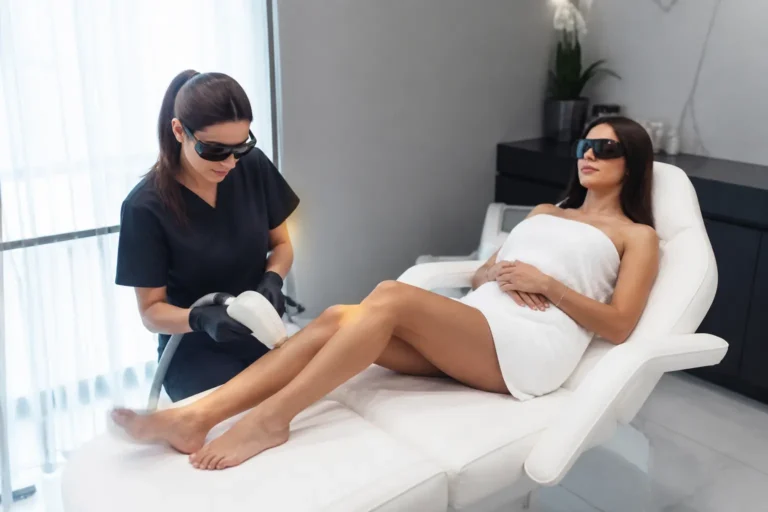
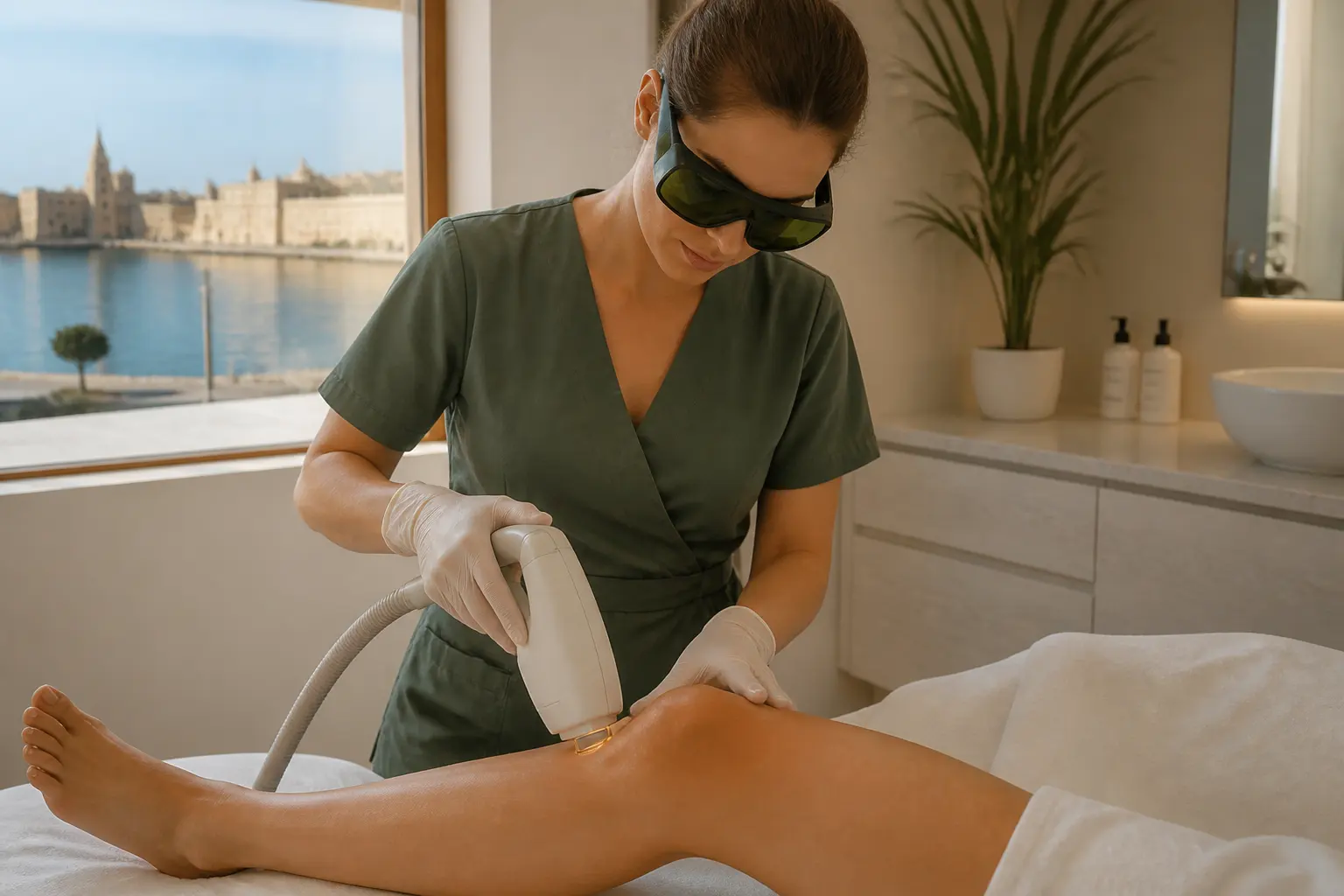
Laser hair removal works by directing light towards pigment in the hair. The energy becomes heat within the follicle, which can slow future hair growth. Because the hair is being addressed below the surface rather than shaved at the surface or pulled out from above it, laser offers a different approach to routine hair removal.
The key point for people prone to ingrown hairs is simple: if there is less hair regrowth over time, there may be fewer hairs available to become trapped. The American Academy of Dermatology includes razor bumps and ingrown hairs among the concerns that can lead people to consider laser hair removal. Its overview of laser hair removal also explains that several sessions are normally needed.
This does not mean every existing bump disappears after one appointment. Hair grows in cycles, and laser is most effective when hairs are in an appropriate active growth phase. Sessions are therefore planned over time. Your response can vary according to the body area, hair colour, hair thickness, skin tone, hormonal factors and how consistently appointments and aftercare are followed.
Why shaving can keep the problem going
Shaving cuts the hair close to the skin. As it grows out, a sharp or angled tip can sometimes re-enter the skin, particularly in areas exposed to movement, sweat or close-fitting clothes. Waxing and tweezing remove hair from the root, but they can also leave some people with irritation or hairs that struggle to emerge evenly during regrowth.
Neither method is automatically wrong. The issue is whether your usual method repeatedly leaves you with discomfort and bumpy texture. When that happens, reducing reliance on close, frequent hair removal may be worth discussing.
What laser does not do
It is equally important to be clear about the limits. Laser hair removal is not a diagnosis or a medical treatment for every cause of bumps. It will not address an infection, an allergic reaction, eczema, hidradenitis suppurativa or another condition that only resembles ingrown hairs. It also does not guarantee that hair will never grow again.
The Mayo Clinic’s laser hair removal overview explains that multiple treatments are usually needed and that some people require maintenance sessions over time. It also highlights why treatment planning should take both hair and skin colour into account.
Which areas may benefit most?
Any area that regularly develops ingrown hairs after hair removal can be worth discussing during a consultation. At Becammo, laser hair removal is available for women across areas including underarms, legs, bikini area, upper lip, face and other body zones.
These are some common situations where clients explore laser:
- Underarms: frequent shaving can make the area feel rough or irritated, especially when deodorant, heat and friction are part of daily life.
- Bikini line: coarse regrowth, tight clothing and regular shaving can make this a particularly frustrating area for ingrown hairs.
- Legs: shaving large areas often can create a repeated cycle of stubble, irritation and scattered bumps.
- Upper lip and chin: people who remove facial hair often may prefer a plan that reduces the need for frequent tweezing or shaving.
A consultation should also cover areas that are not suitable for treatment. Laser should not be used around the eyes or eyebrows. If you have tattoos in or close to the proposed treatment area, mention them before any session so the area can be assessed appropriately.
What to expect from a professional laser plan
A good laser plan is not simply about selecting an area and beginning immediately. It starts with asking the right questions. Be ready to share how you currently remove hair, how often bumps occur, whether you have recently tanned, which skincare products you use and whether there are any medications or skin concerns that could affect suitability.
Before your first session
Professional guidance is important because preparation affects both comfort and safety. In general, avoid waxing, plucking or epilating before laser sessions, as the laser needs a hair follicle to target. Shaving is commonly used instead, but follow the preparation instructions given for your booking rather than relying on a generic timetable online.
Sun exposure and tanning also matter. The contrast between skin and hair, plus recent sun exposure, can influence how a treatment is planned. If you live in Malta, think about beach days, outdoor swimming and holidays when choosing your appointment schedule. Tell your practitioner about any recent tan, including self-tanning products.
During the appointment
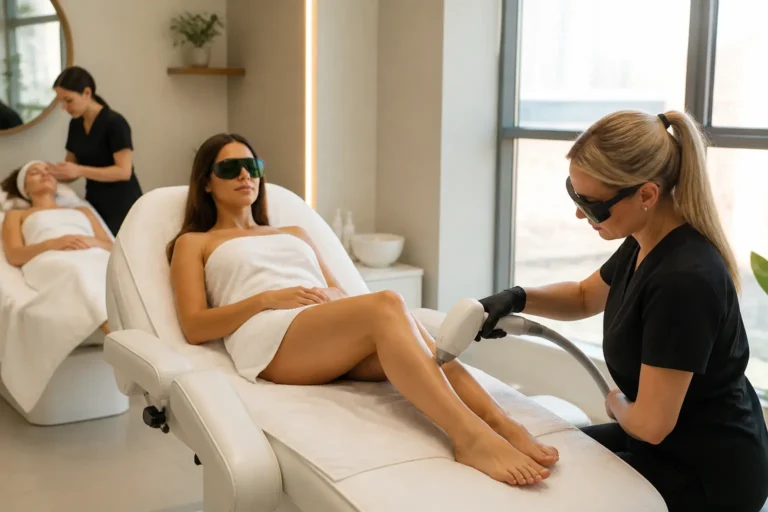
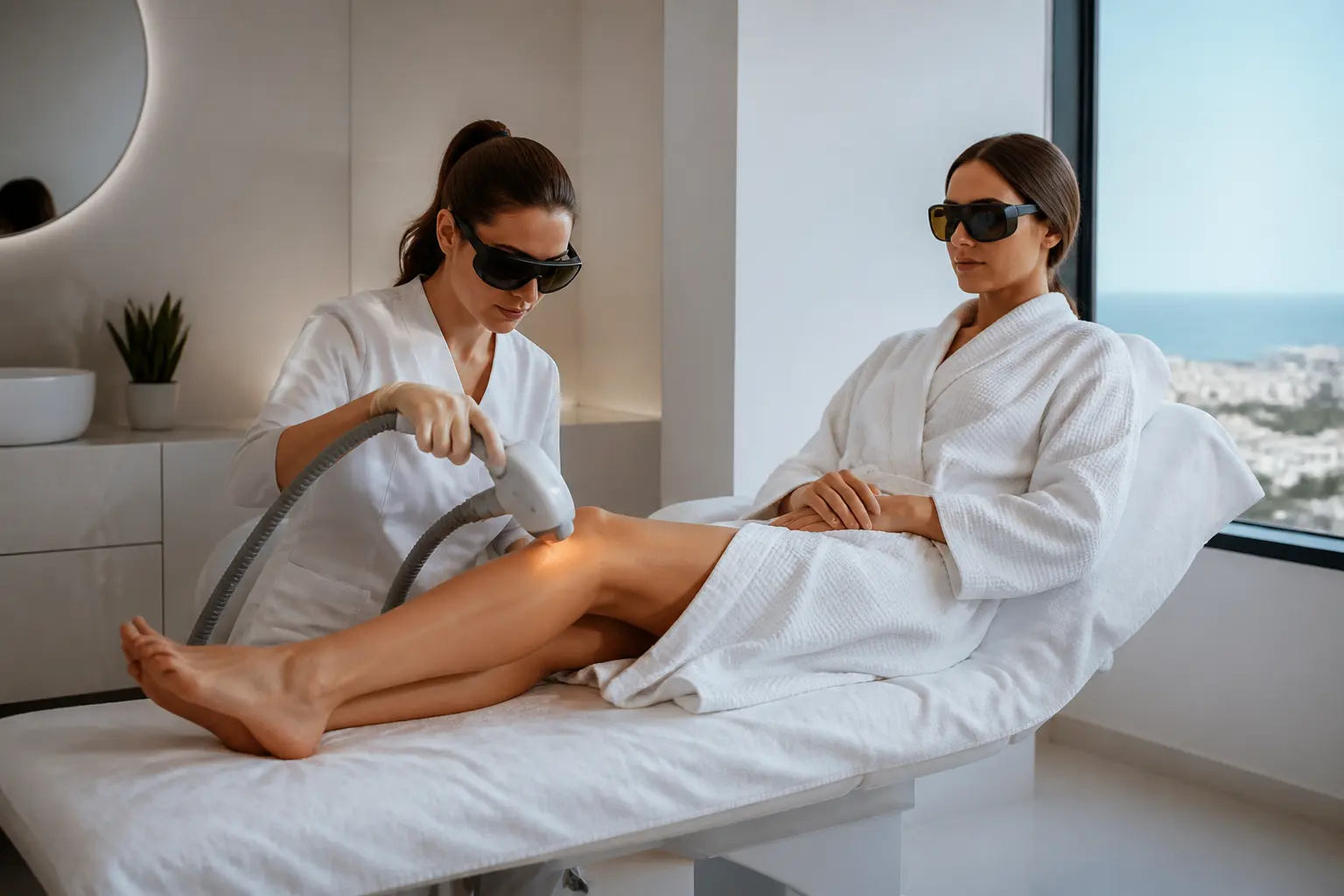
The area is prepared and treated in a controlled setting. You should receive clear instructions and appropriate eye protection. Sensation varies from person to person and by treatment area. Some people describe brief warmth or a quick snapping feeling. It is better to expect some level of sensation than to assume a completely pain-free experience.
If you have a history of sensitivity, dark marks after irritation or a reaction to previous hair-removal methods, raise it before treatment. Personalised settings and careful assessment matter, particularly across different skin tones and hair types.
After the appointment
Temporary warmth, redness or mild swelling around follicles can occur after laser hair removal. This is one reason not to judge the result by the look of the skin on the same day. Treat the area gently and follow the studio’s aftercare advice.
Between sessions, resist the urge to tweeze or wax new growth. If hair removal is needed, ask whether shaving is appropriate for your plan. Avoid picking at bumps, aggressive exfoliation and harsh products on irritated skin. Sun protection is especially important for exposed areas, and specific aftercare guidance should always take priority over general advice.
Practical habits that support calmer-looking skin
Laser can be part of a wider strategy, but everyday habits still matter. These simple adjustments can reduce unnecessary friction and help you observe what triggers your bumps.
- Do not pick or squeeze. It can turn a small bump into a longer-lasting mark or an infection risk.
- Keep shaving tools clean and sharp. A blunt razor can drag across skin and worsen irritation.
- Shave with the direction of hair growth where possible. This may be less close, but it can be kinder to skin that reacts easily.
- Use a gentle approach to exfoliation. Over-scrubbing can aggravate already sensitive skin. If you are unsure which product is appropriate, ask a pharmacist or clinician.
- Choose breathable clothing after hair removal. Reducing friction can be especially helpful around the bikini line and underarms.
- Track the pattern. Note whether bumps follow shaving, waxing, exercise, certain products or a particular body area. This information is useful at a consultation.
The NHS also advises using warm water and shaving gel, limiting razor strokes and avoiding an overly close shave if you continue to shave. Read the full NHS advice here for practical self-care and prevention tips.
When bumpy skin needs medical advice first
Not every bump is an ordinary ingrown hair, and a beauty appointment should never delay appropriate care. Speak to a GP or other qualified healthcare professional before laser if an area is very painful, hot, significantly swollen, spreading, producing pus, or accompanied by fever or feeling unwell. These can be signs that need assessment rather than cosmetic hair removal.
You should also pause and seek advice if bumps leave substantial scarring, repeatedly form deep painful lumps, or do not improve when you stop the hair-removal method that seems to trigger them. The NHS specifically recommends seeing a GP when an ingrown hair or the surrounding skin is very painful, hot or swollen, or when you feel unwell.
For a straightforward pattern of recurring razor bumps, a laser consultation can still be a constructive next step. Just be open about what you are experiencing so the practitioner can advise whether to proceed, postpone or ask you to obtain medical guidance.
Is laser hair removal for ingrown hairs right for you?
If you are tired of planning around stubble, shaving irritation and recurring bumps, laser hair removal may offer a more considered route than simply changing razors again. The aim is gradual reduction in regrowth, with a plan shaped around your skin, hair and chosen area. It is not about promising perfectly smooth skin overnight. It is about reducing the repeated trigger that may be contributing to ingrown hairs.
At Becammo, you can choose the most convenient Malta location in Sliema or Swieqi when booking. Bring your questions, mention any current bumps or previous reactions, and make sure the plan feels clear before you begin. A professional consultation gives you space to understand what laser can realistically do for your routine and bumpy skin concerns.
Frequently asked questions
Can laser hair removal remove an ingrown hair that is already trapped?
Laser is designed to reduce future hair growth, not to extract an individual trapped hair. Avoid digging into the skin or trying to remove it yourself. If the area is painful, hot, swollen or appears infected, seek medical advice.
How many laser sessions do I need for ingrown hairs?
There is no single number that suits everyone. Multiple sessions are normally needed because hair grows in cycles. The total can vary by area, hair characteristics, skin tone and individual response, with some people also choosing maintenance appointments later.
Can I shave between laser appointments?
Often, shaving is the hair-removal method used between sessions, while waxing, plucking and epilating are avoided. Follow the specific instructions given with your treatment plan, especially if your skin is irritated.
Will laser work if I have darker skin?
Laser can be considered for a wide range of skin tones, but the device, settings and practitioner experience are important. Tell the studio about your skin history and any tendency to develop darker marks after irritation so suitability can be assessed carefully.
Does laser hair removal stop hair growth forever?
No. It can provide long-term hair reduction, but results differ and some regrowth can happen over time. Any regrown hair may be finer or lighter, and maintenance sessions can be useful for some clients.
Can I book laser if I have active razor bumps today?
Tell the studio before booking or at your consultation. Mild concerns may be assessed individually, but very inflamed, painful or infected-looking skin should be checked by a healthcare professional first.