What Your Brow Tails Say About Your Overall Look
Brenda Cammo Team
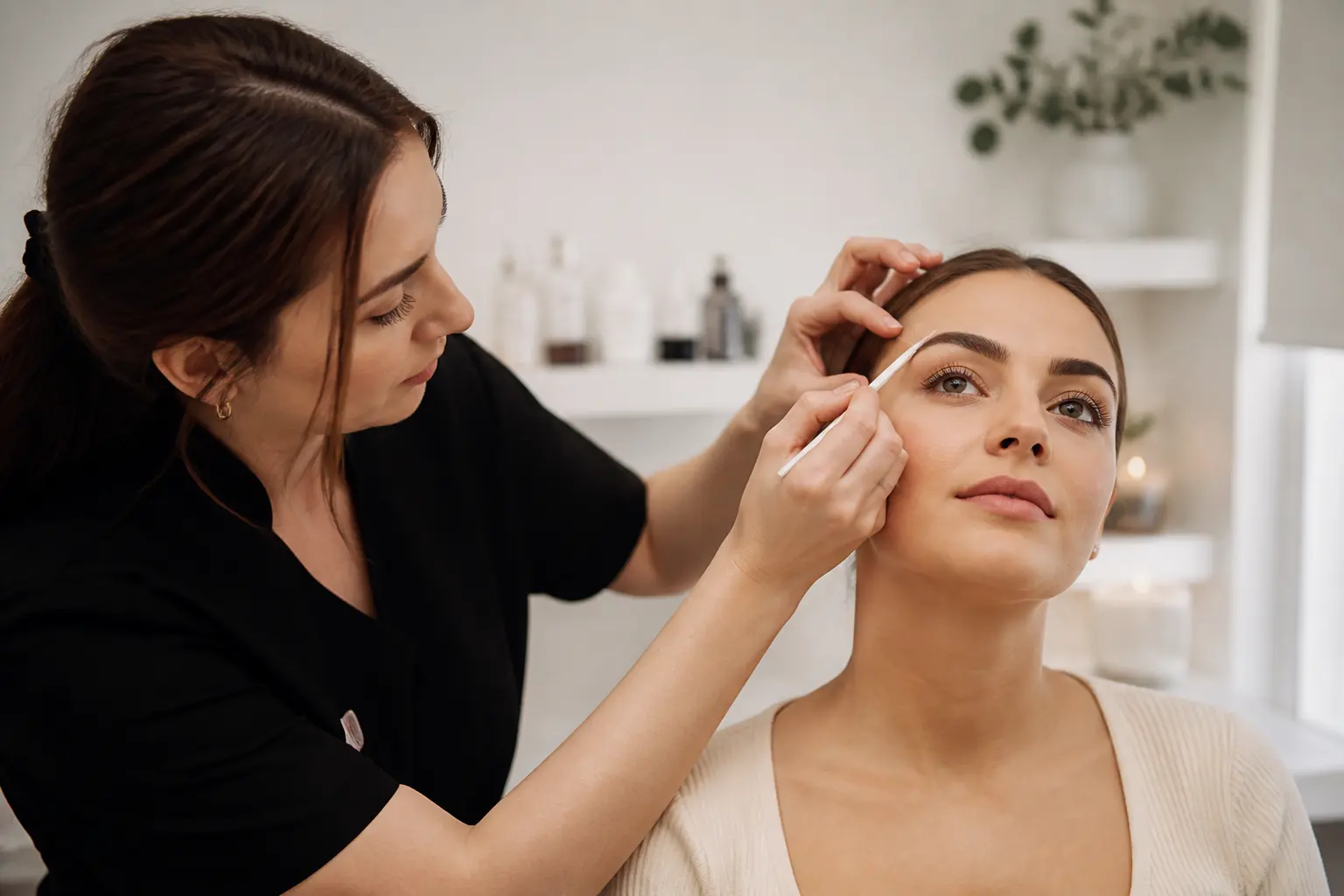
The tail of your eyebrow may be a small detail, but it has a noticeable effect on your whole expression. This is the outer section that tapers away from the arch towards your temple. When it is balanced with the rest of the brow, it can make the eye area look more defined and the brow shape feel intentional. When it is too short, too heavy, too low or disconnected from the arch, the overall look can feel unfinished, even when the front of the brow is full.
There is no single ‘correct’ eyebrow tail shape. The most flattering direction depends on your natural hair pattern, bone structure, brow density, facial proportions and the level of definition you enjoy wearing. At a professional brow appointment, the aim is not to give everyone the same sharp, dramatic tail. It is to assess what is already there, map a balanced line and refine it in a way that still looks like you.
For clients in Malta, this is especially helpful if you have moved between different beauty routines, climates or brow trends over the years. You may have sparse outer corners from past over-plucking, naturally downward-growing hairs, or strong brows that simply need a cleaner finish. Understanding what the brow tail contributes makes it easier to ask for the result you actually want.
Why the eyebrow tail matters so much
The brow can be thought of in three parts: the front, the body and the tail. The front frames the space between the eyes. The body carries most of the density and shape. The tail completes the direction of the brow and helps connect the design to the outer eye area.
Because the tail sits close to the temple and outer eye, small changes in its length, angle and thickness can alter how the brow reads from a normal conversational distance. A well-placed tail can create a sense of continuity from the brow body to the outer face. A tail that has been removed too far inward can make the brow appear shorter than it is. One that drops too sharply can make the brow look heavier, even if the rest of the shape is softly groomed.
This does not mean a higher tail is always better. Raising the tail too much can create an expression that feels overly surprised or disconnected from your natural brow line. The goal is balance, not a copied template.
What different brow-tail patterns can communicate
Eyebrows do not literally reveal personality. However, their proportions can influence the visual impression created by the face. Looking at your tail pattern is a useful design exercise, not a judgement about how you should look.
A tail that is very short
A short tail often happens after repeated removal from the outer brow, although some people naturally have less hair in this area. It can make the brow look concentrated around the centre of the face, with less visual connection towards the temples. Depending on the rest of the brow, the eyes may appear more exposed or the shape may feel abruptly cut off.
Refining a short tail does not always mean trying to create a long, thin extension. A professional may instead preserve the existing hairs, avoid further shortening and use mapping to identify where the natural brow can finish most harmoniously. If you use brow make-up, a light, hair-like finish can help create continuity while you allow the area to grow.
A tail that is too thick or blunt
A fuller tail can be beautiful and can suit naturally dense brows very well. The issue is usually not fullness itself, but a tail that ends with the same width as the brow body or stops in a squared-off block. This can make the outer third look visually heavy and reduce the soft taper that gives a brow its finished line.
With threading, a brow artist can selectively remove hairs around the edges rather than taking away large sections. That makes it possible to retain density while gradually refining the outline. The result should still respect the natural thickness of your brows rather than forcing a very narrow tail that does not match the front.
A tail that slopes down strongly
Many brows naturally grow slightly downwards at the outer end. This is not a flaw. But when the last part sits much lower than the beginning of the brow, it can make the design feel lower or more rounded than intended. Sometimes the effect comes from the hair direction. In other cases, it is caused by keeping hairs beneath the ideal tail line while removing too much from above it.
Professional mapping is useful here because it separates natural growth from the shape you want to maintain. The artist can assess which hairs support a balanced line and which ones may be adding unnecessary weight below the tail. The aim is a gentle direction that works with your facial features, not an unnaturally lifted point.
A tail that is too high or sharply angled
A high, crisp tail can look polished in certain brow styles, particularly when it follows a naturally defined arch. Yet an extreme angle can make the brow look separate from the rest of the face, especially if the front and body are soft. It may also be difficult to maintain when the natural hairs grow in a flatter direction.
If your brow tail looks overly sharp, the solution may be to soften the upper and lower edges rather than remove more hair. A slightly diffused taper often gives a more wearable result while keeping the brow structured.
A tail that is uneven from one side to the other
Nearly everyone has some natural asymmetry. One brow may sit a little higher, grow more densely or have a different outer-corner direction. Trying to make both tails identical can lead to over-removal and leave you with brows that are too thin.
A skilled brow design focuses on visual balance. This may involve making small adjustments so the brows look harmonious when your face is relaxed and animated, rather than measuring every hair into perfect symmetry. Your expressions, bone structure and natural hair growth all matter.
Length, direction and taper: the three essentials
When people say their brows need ‘fixing’, they often mean one of these three elements needs attention.
- Length: The tail should complete the brow without looking abruptly cut short or drawn too far towards the hairline.
- Direction: The line from arch to tail should complement the brow’s natural movement and the outer eye area.
- Taper: The tail generally becomes lighter and narrower than the brow body, but the degree of taper should suit your natural density.
These elements work together. For example, extending a tail without adjusting its thickness can make it look heavy. Creating more taper without checking the direction can leave the brow looking too pointed. This is why brow design is more considered than simply removing stray hairs.
How brow mapping helps refine the outer third
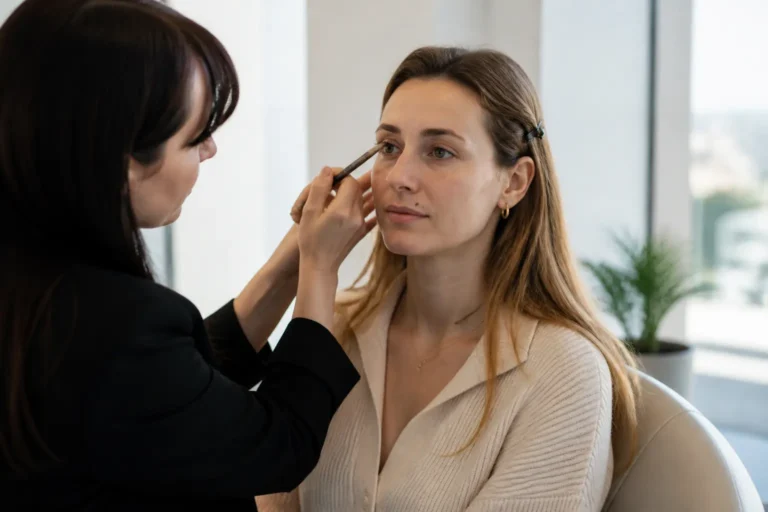
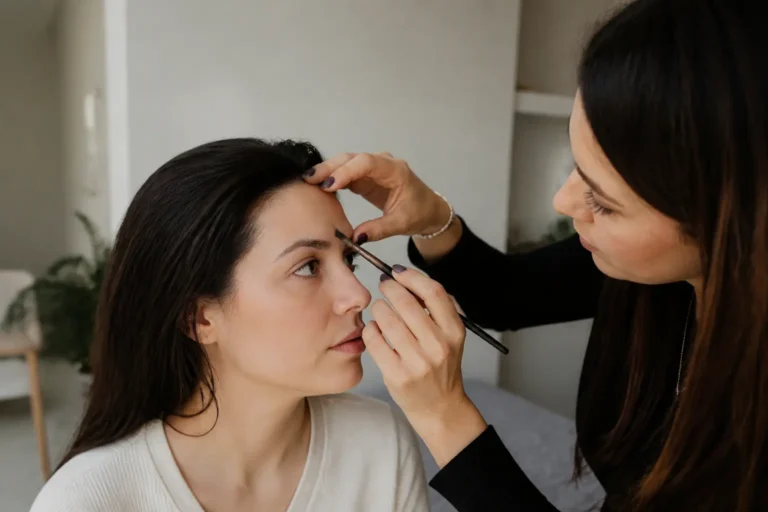
Brow mapping is the process of using facial reference points to plan a shape before hair removal begins. It gives structure to the appointment, particularly when the client wants to improve balance but does not want an overly dramatic change.
At a dedicated brow studio, mapping helps the artist identify a starting point, a suitable arch area and an appropriate end point for each brow. The tail is assessed in relation to the rest of the brow, not designed in isolation. This matters because a longer tail may suit one client beautifully but look out of proportion on another.
Mapping also creates a helpful conversation. You can explain whether you prefer a softly lifted finish, a straighter direction, a fuller natural brow or more defined edges. Your artist can then explain what is realistic with your current hair growth and what may need time to grow in.
The most refined brow tail is not necessarily the sharpest or longest one. It is the one that supports the rest of your brow shape without drawing attention away from your features.
What threading can do for brow tails
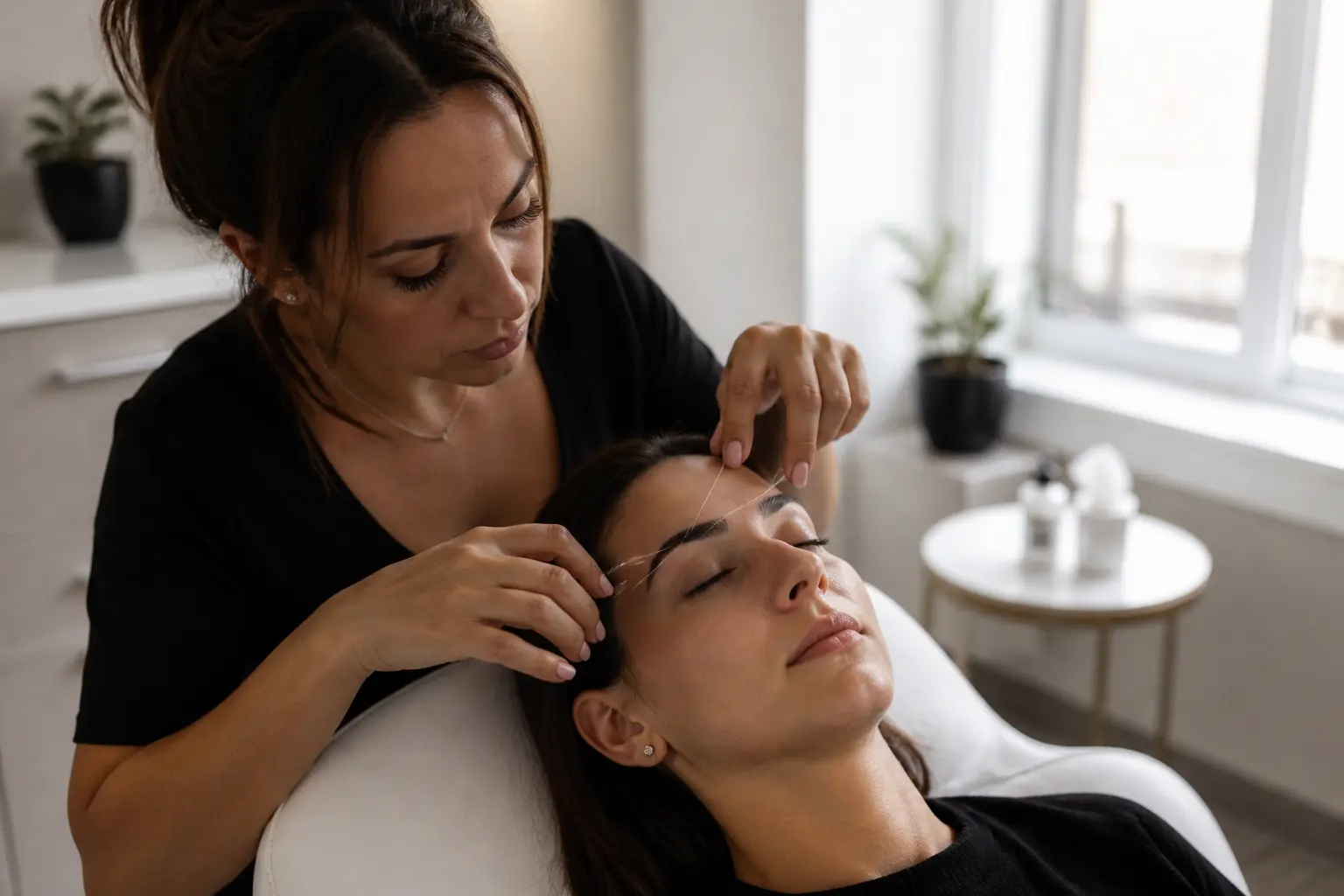
Threading is particularly useful for detailed work around the brow tail because it removes hair with a twisted cotton thread, allowing precise control around the outline. At Becammo, the thread is disposable and used for one client only. Cotton is the standard material, with polyester available for clients with relevant allergies.
The technique can help tidy fine hairs above, below and beyond the natural tail while preserving the hairs that contribute to its shape. This is valuable when you want a neat result but do not want to lose fullness. Rather than relying on a one-size-fits-all brow pattern, the design can be tailored to your density, growth direction and preferred finish.
You may feel mild discomfort during threading, especially in sensitive areas, but the sensation is brief for many clients. If you are worried about sensitivity, tell your brow artist before the appointment so the service can be approached with appropriate care.
How to prepare for a brow-tail refinement appointment
A few simple choices can help you and your brow artist make better decisions on the day.
- Let the outer area grow where possible. If you have been removing hairs around the tail at home, pause before your appointment. Even a small amount of growth gives the artist more information to work with.
- Bring your usual brow routine in mind. Consider whether you normally wear brow pencil, tint, gel or no make-up. A shape should work for your real life, not only immediately after grooming.
- Describe the concern, not only the trend. Say things such as ‘my tails look too short’, ‘one side drops lower’ or ‘I want a softer outer line’. This is often more useful than asking for someone else’s brow shape.
- Be open about previous brow work. Mention old over-plucking, tinting, lamination or semi-permanent brow work. It helps create a considered plan.
Between appointments: small habits that protect the shape
Once you have a tail shape you like, the main challenge is resisting the urge to chase every new hair at home. Removing one or two hairs may seem harmless, but the outer brow can change quickly when the lower edge or endpoint is repeatedly tweezed.
- Use a clear or tinted brow gel to guide hairs into place before deciding whether they need removal.
- If you fill sparse areas, use light strokes and build gradually. A very solid block of product can make the tail look heavier than it is.
- Keep make-up lighter at the end of the brow than at the body for a more natural taper.
- Book regular professional maintenance according to your own growth cycle and desired level of definition.
- If you are regrowing an over-plucked tail, avoid making frequent shape changes while it develops.
It is also worth remembering that a brow shape can look different from week to week. Hair growth, skin texture, make-up, lighting and facial expression all affect what you see in the mirror. A consistent professional plan is usually more helpful than constantly changing direction.
When a fuller or more defined option may be worth discussing
For some clients, grooming alone is enough to make the brow tail feel balanced. For others, there may be lasting gaps or a desire for additional definition. Tint or henna can be discussed where appropriate, as they can add visual depth to the brow hairs and surrounding shape for a limited period. The right choice depends on your natural colouring, skin, maintenance preferences and the look you want.
If you are considering a semi-permanent brow option because of sparse tails, it is sensible to begin with a consultation. This gives you space to ask questions, discuss your goals and understand whether the procedure suits your expectations. A consultation is especially valuable when you are deciding between maintaining natural hair, using temporary definition or exploring a more long-lasting brow design.
Frequently asked questions
Should eyebrow tails be longer than the brow front?
Not necessarily. The tail should look proportionate to the full brow and your facial features. Length is only one factor. Direction, thickness and the position of the arch all influence whether the brow feels balanced.
Can threading make my brow tails look fuller?
Threading removes unwanted hair rather than adding new growth. However, careful shaping can preserve useful hairs, improve the outline and make the existing tail look more intentional. You can also discuss tint or henna if temporary added definition is suitable for you.
Why does one eyebrow tail sit lower than the other?
Natural asymmetry is common. Differences in hair growth, facial movement and brow density can all play a part. A professional artist can make conservative adjustments to improve visual harmony without over-thinning either brow.
How long should I stop tweezing before a brow-shaping appointment?
If you can, allow the area to grow before your visit so the artist can see your natural pattern. The ideal timeframe varies between people, but avoiding last-minute tweezing is a good starting point.
Can I ask for a softer brow tail?
Yes. A softer tail may involve reducing harsh corners, preserving natural density and creating a more gradual taper. Tell your artist that you want definition without an overly sharp finish.
Your brow tails do not need to follow a trend to look polished. When they are shaped in proportion with the front, body and arch of the brow, they can bring the whole design together in a subtle but meaningful way. If you are unsure whether your tails are too short, too low, too heavy or simply in need of a cleaner outline, a professional mapping and threading appointment can provide a personalised answer. Choose the Becammo location in Sliema or Swieqi that suits you, and book a brow service to refine your shape with care.