Do Eyelash Extensions Damage Natural Lashes? Honest Answers
Brenda Cammo Team
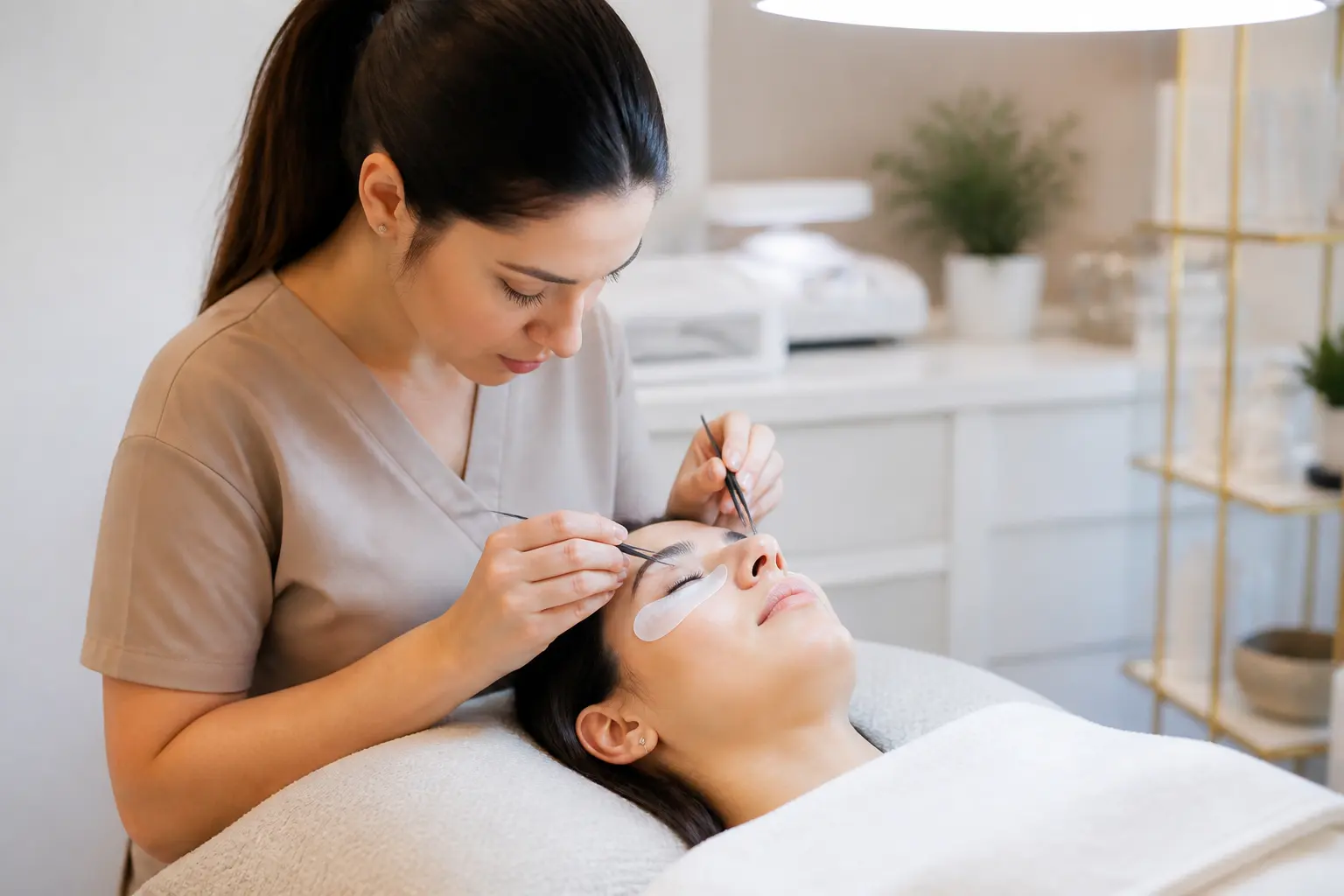
Eyelash extensions do not automatically damage your natural lashes. When extensions are selected thoughtfully, applied with careful isolation and maintained without pulling or picking, many clients wear them without noticing a lasting change to their own lashes.
However, they are not risk-free. Extensions can put natural lashes under unnecessary strain when they are too long, too heavy or poorly attached. Irritation from adhesive, unsuitable aftercare and trying to remove lashes at home can also create problems around a very delicate eye area. The honest answer is that the result depends less on the idea of lash extensions themselves and more on the quality of the application, the style chosen and how the set is looked after.
If you are considering eyelash extensions in Malta, this guide explains what “damage” can mean, what normal lash shedding looks like and how to make a more informed choice before booking.
What people mean when they say lash extensions caused damage
“Damage” is often used to describe several different experiences. They are not all the same, and identifying which one is happening matters.
Natural lash shedding that looks alarming
Natural lashes grow, rest and shed in cycles. A lash extension is attached to an individual natural lash, so it will usually fall away when that natural lash reaches the end of its cycle. Seeing an extension with a natural lash attached can therefore be normal.
This can feel more noticeable after a full set because the extension makes each shed lash easier to see. Once extensions are removed, natural lashes may also appear shorter or less visible simply because you have become used to extra length, curl and density. That contrast does not necessarily mean the natural lashes have been harmed.
Breakage or premature loss
More concerning signs include natural lashes appearing noticeably sparse, broken at different lengths or coming away after rubbing, picking or attempted home removal. This may happen when an extension is too heavy for the individual lash carrying it, when more than one natural lash has been bonded together, or when a client repeatedly pulls at loose extensions.
The American Academy of Ophthalmology notes that traction from synthetic lashes can contribute to loss of natural lashes. This is one reason a conservative, personalised lash plan matters more than choosing the fullest possible look. American Academy of Ophthalmology, Eyelash Extensions.
Irritation, allergy or eye discomfort
Itching, redness, watery eyes, swollen lids or a burning sensation are not signs to ignore. They can point to irritation or a sensitivity around the eye area, rather than damage to the lash hair itself. The US Food and Drug Administration highlights that false eyelashes, extensions and their adhesives are cosmetic products, and that reactions or injuries around delicate eyelids can be troublesome. FDA eye cosmetic safety guidance.
In short, a client may be talking about shedding, mechanical stress or a reaction, and each situation needs a different response.
Can professionally applied extensions be kind to natural lashes?
A professional application cannot promise that every client will have the same experience, because natural lash density, lash direction, skin sensitivity, lifestyle and aftercare all vary. It can, however, reduce avoidable stress.
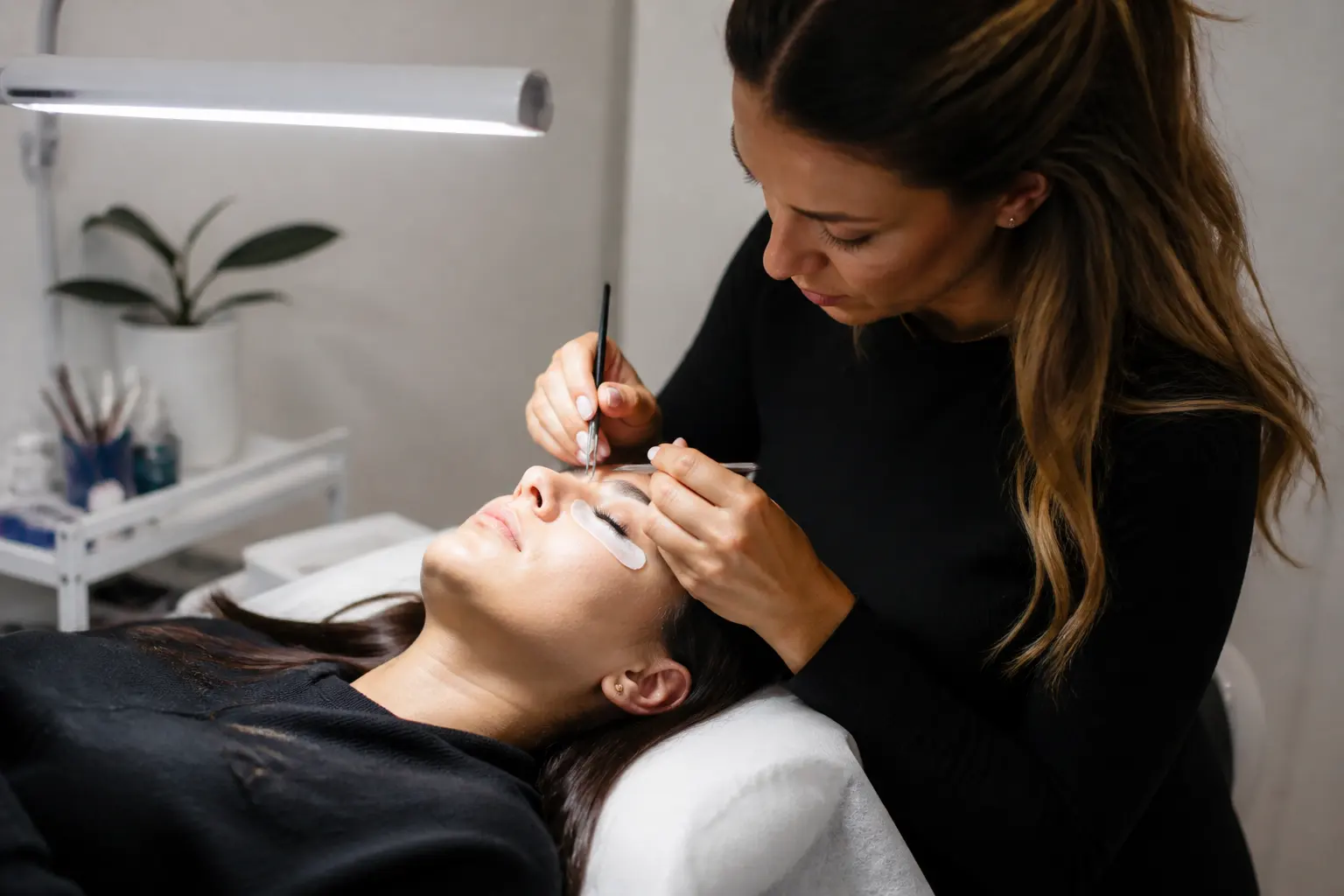
The central principle is simple: the extension style should respect the natural lash. That means choosing an appropriate length, curl and weight, then attaching the extension to one isolated natural lash rather than bonding neighbouring lashes together. The aim is movement and comfort, not a rigid or overloaded feeling.
A skilled lash artist also works with what is genuinely present. Some clients have fine lashes, some have sparse areas and some have lashes that grow in several directions. Adding dramatic length or volume regardless of that starting point is not automatically a better service. A flattering set should be adapted to the client, not force every eye into one template.
At a professional studio, the appointment should include a conversation about the look you want, your previous experience with extensions and any concerns around the eye area. It is also sensible to arrive with clean lashes, without mascara or oily eye products, so the artist can assess the natural lashes properly and work on a clean surface.
The main reasons natural lashes may be affected
Extensions that are too long or too heavy
Length and density are not just style decisions. They affect the load placed on the natural lash. Very dramatic extensions may be unsuitable for fine, short or fragile natural lashes, especially if the same look is worn continuously without reassessment.
This does not mean that a client can never choose a noticeable finish. It means the finish should be built responsibly. A softer classic or mixed style may give a polished result while being a more sensible match for the natural lash condition than an overly heavy set.
Poor isolation and incorrect bonding
Each natural lash moves on its own growth cycle. If several lashes are accidentally stuck together, one may pull against another as they grow and shed at different times. This can feel uncomfortable and can make normal lash movement more difficult.
Correct isolation is careful, detailed work. It is not something a client can fully inspect while lying with closed eyes, which is why choosing a trained professional and speaking up about discomfort is important.
Picking, rubbing and home removal
Picking at extensions is one of the clearest ways to create unnecessary stress. A loose extension can be tempting to pull, but it may still be firmly attached to the natural lash. Removing it by force can pull the natural lash out before it was ready to shed.
Oil-based products, steam and everyday wear can also affect retention over time. That does not make an extension safe to peel away. If you are ready for a break or have several grown-out lashes, arrange professional removal instead. Controlled removal is far kinder than trying to separate bonded lashes with fingers, tweezers or household products.
Adhesive sensitivities and existing eye concerns
Adhesive is necessary for extensions, but the eye area is sensitive. A history of reactions to cosmetic adhesives, inflamed eyelid skin, an active eye infection or unexplained eye discomfort should be discussed before an appointment. The FDA advises stopping use if an eye cosmetic causes irritation and seeking medical advice if irritation continues. FDA eye cosmetic safety guidance.
Anyone with a known latex allergy should also check product information carefully. The FDA notes that some cosmetic adhesives may contain natural rubber latex and advises people with concerns to review ingredients and speak with a healthcare professional where appropriate. FDA guidance on latex in cosmetics.
How to reduce the risk before you book
A safer lash experience starts before the first extension is applied. Use your consultation or appointment conversation to set expectations rather than focusing only on a reference photo.
- Choose a style that suits your natural lashes. Ask whether your preferred length and fullness are realistic for your lash condition.
- Share relevant sensitivities. Mention past reactions to adhesives, eye products or salon services, as well as any current irritation around the eyes.
- Ask about hygiene and professional removal. Clean working practices and a clear removal option are basic signs of a considered service.
- Do not book through an active eye issue. Wait until the eye area is calm, then seek appropriate advice if symptoms persist.
- Plan for maintenance. Extensions grow out with your natural lashes, so infills or a professional removal appointment may be needed depending on the look you want to maintain.
It is worth remembering that suitability can change. A style that worked well at one appointment may need adjusting later because of seasonal dryness, changes in your routine, a recent reaction or a difference in your natural lash condition.
Aftercare that protects both your extensions and natural lashes
Good aftercare is not about being overly cautious. It is about avoiding the habits most likely to compromise the bond or encourage pulling.
Keep the lash line clean
A clean lash line supports comfortable wear. Follow the aftercare guidance given by your lash artist and use products suitable for extensions. Avoid scrubbing aggressively or allowing eye make-up to build up around the base of the lashes.
Be gentle when cleansing and drying
Pat the eye area dry rather than rubbing it with a towel. If you use make-up, remove it carefully with products compatible with lash extensions. Rubbing can loosen extensions and may pull on your own lashes.
Brush only when needed, and lightly
A clean spoolie can help keep extensions neat, but brushing should be gentle. If lashes are tangled, twisting, painful or difficult to brush through, do not force them into place. Contact the studio for advice instead.
Book removal rather than taking matters into your own hands
Professional removal is particularly important if the set is uncomfortable, you suspect a reaction or you simply want a break. The goal is to release the extensions without pulling your natural lashes unnecessarily.
Signs that you should pause extensions and seek advice
Some post-appointment awareness is normal, especially if you are new to extensions. Persistent discomfort is not something to push through for the sake of a beauty result.
Contact the studio promptly if you notice extensions twisting sharply, poking the lid, feeling painful or becoming heavily tangled. Stop using new eye products if they seem to trigger irritation. For redness, swelling, significant pain, discharge, changes in vision or symptoms that persist, seek advice from an appropriate healthcare professional promptly. The Academy of Ophthalmology also advises prompt professional medical advice for symptoms associated with complications from eyelash extensions. American Academy of Ophthalmology, Eyelash Extensions.
It is always better to assess a concern early than to keep wearing a set that does not feel right.
Are lash extensions right for you?
Lash extensions can be a convenient choice if you enjoy a more defined eye look without applying mascara every day. They may be less suitable if you know you rub your eyes frequently, have an active eye or eyelid concern, have experienced adhesive reactions, or do not feel able to keep up with gentle cleansing and professional maintenance.
A good appointment is not about persuading every client to have the longest or fullest set. It is about deciding whether extensions fit your preferences and natural lashes at this point in time. Sometimes a lighter style is the best route. Sometimes taking a break is sensible. And sometimes another service focused on natural lashes may better suit the result you want.
Conclusion
So, do eyelash extensions damage natural lashes? Not inevitably. Normal shedding can look dramatic, particularly once you are used to a fuller lash line. Genuine problems are more likely when lashes are overloaded, incorrectly bonded, picked at, removed at home or worn through irritation.
The most helpful approach is to choose a professional studio, be honest about sensitivities and expectations, and treat maintenance as part of the service rather than an afterthought. If you are considering extensions at Becammo in Sliema or Swieqi, book with a clear idea of the look you enjoy and ask questions about a style that respects your natural lashes.
Frequently asked questions
Will my natural lashes grow back after extensions?
Natural lashes normally follow their own growth and shedding cycle. If lashes seem sparse after extensions, avoid pulling or adding more weight immediately and arrange an assessment with a professional. If you have persistent lash loss or eye symptoms, seek advice from an appropriate healthcare professional.
Why do my lashes look shorter after eyelash extensions are removed?
The contrast can be striking after weeks of extra length, curl and volume. Natural lashes may look less noticeable without extensions, even when they are simply back to their usual appearance.
Can I wear lash extensions continuously?
Some clients choose regular infills, but ongoing wear should still include honest checks on lash condition and comfort. If your natural lashes look stressed, feel uncomfortable or you develop irritation, pause and ask for professional advice.
Is it normal for extensions to fall out with my real lashes?
Yes. Because an extension is attached to a natural lash, it can shed when that natural lash naturally comes away. A gradual loss between appointments is different from sudden patchiness, pain or extensive breakage.
Should I remove eyelash extensions myself if they start lifting?
No. Avoid pulling, peeling or cutting at them. A lifting extension may still be attached to your natural lash. Professional removal is the safer option for protecting the lash line from unnecessary traction.