Nails for Hardworking Hands: Cleaners, Nurses and Chefs
Brenda Cammo Team

When your hands are central to your job, nails need to do more than look polished. Cleaners, nurses and chefs use their hands constantly, often with water, gloves, frequent washing, sanitiser, heat or cleaning products. That can make it difficult to keep a manicure looking neat, while workplace rules may also limit nail length, colour or coatings.
The good news is that practical nails do not have to mean giving up on looking put together. The right service is less about chasing a dramatic finish and more about choosing a shape, length and maintenance routine that suit the reality of your working week. A professional nail appointment can help you find a tidy, wearable option that feels like you, without making daily tasks harder.
What makes nails practical for hands-on work?
Practical nails are personal, because no two jobs place exactly the same demands on the hands. Still, there are a few qualities that usually matter when your work is physical or hygiene-led:
- A short, manageable length that is less likely to catch during busy tasks.
- A smooth shape with no sharp corners that could snag gloves, fabric or hair.
- A comfortable finish that feels natural during repetitive hand movements.
- A maintenance plan that fits around shifts and does not leave you trying to fix lifting, peeling or breakage yourself.
- Respect for your workplace policy, especially where hygiene, food preparation or patient care is involved.
A good manicure is not one fixed style. It is a decision made around your hands, your role and your preferences. For some people, that may mean a simple hygienic manicure with natural nails. For others, a short, understated gel polish may work well outside restricted working hours. The important point is to begin with what your job permits.
Start with your workplace rules
If you work in healthcare, food preparation or a setting with formal hygiene procedures, your employer may have clear requirements for nails. These can cover nail length, artificial enhancements, gel polish, chipped polish and hand jewellery. Rules differ between workplaces, departments and roles, so it is always sensible to check your own policy before booking a service.
This is particularly relevant for nurses and other healthcare professionals. In many clinical environments, bare, short natural nails may be required for infection-prevention reasons, especially where gloves are worn frequently or direct patient care is involved. A nail appointment can still be valuable in that case, but the focus may be on neat shaping, cuticle care and a clean natural finish rather than colour or extensions.
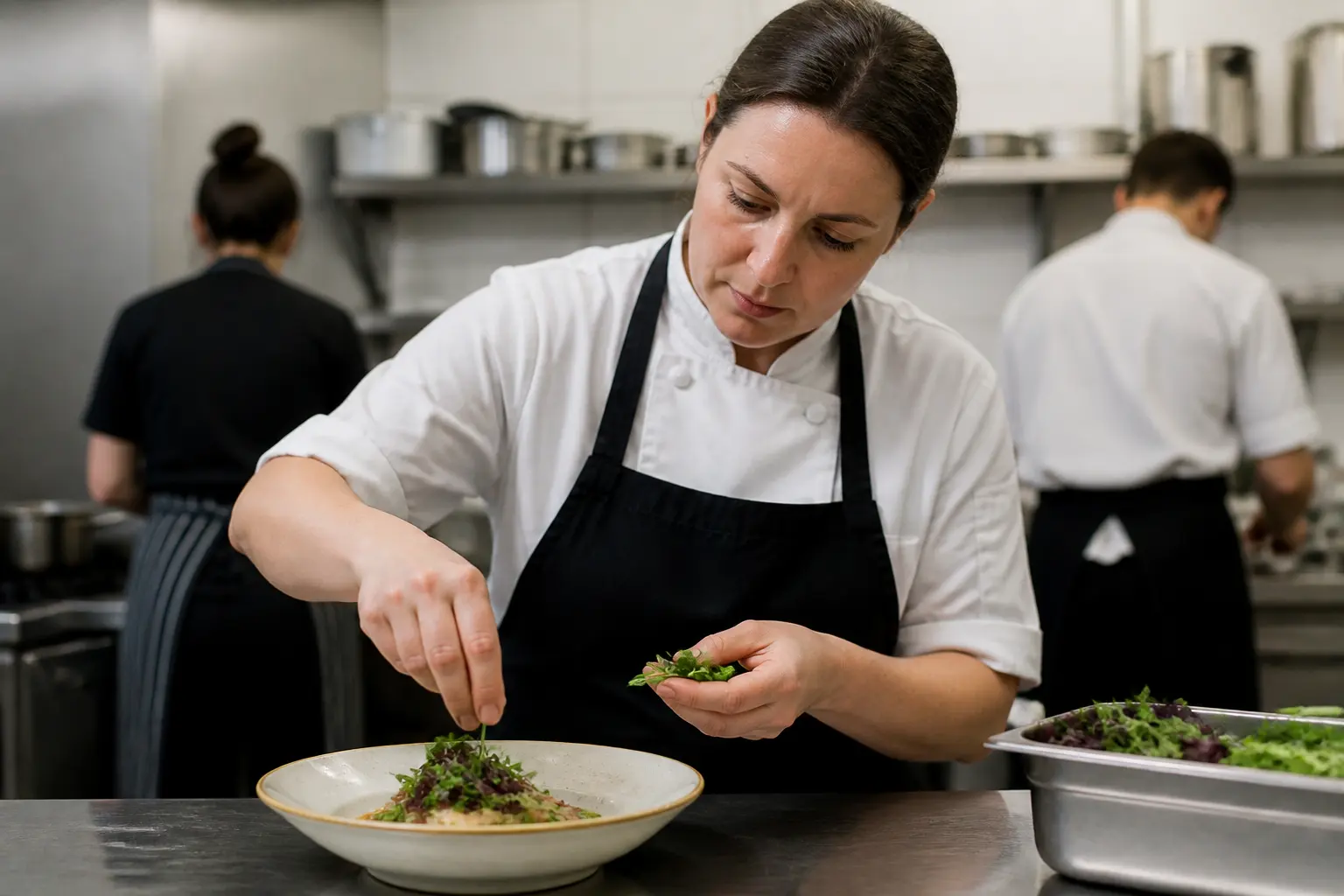
Chefs, kitchen staff and food handlers may face similar restrictions. A polished appearance is not worth risking non-compliance with food-safety standards. For this kind of role, a simple nail care routine may be the most suitable route.
Cleaners may have more flexibility depending on the setting, but repeated exposure to water and cleaning solutions can be tough on both nails and skin. Gloves are useful where required, yet constant moisture and friction can still leave nails dry, brittle or prone to peeling.
Your professional standards come first. Tell your nail technician about your job, the products you handle and any workplace requirements, so the appointment can be tailored to your routine.
Best nail choices for cleaners
Cleaning work can involve water, detergents, disinfectants, scrubbing and repeated glove use. These conditions can leave natural nails feeling dry and can make some finishes wear more quickly around the edges.
Keep the length short
Short nails are often the easiest choice for cleaning work. They are more comfortable inside gloves, less likely to bend when you are gripping tools and simpler to keep clean. A short rounded or soft square shape can look refined while staying practical.
Choose a low-maintenance look
If your workplace allows polish, neutral shades can be a practical choice because minor wear may be less noticeable than it is with a very dark or highly contrasting colour. A natural pink, soft beige or sheer finish can give a groomed appearance without demanding constant attention.
If regular exposure to products causes polish to lift or chip, do not pick at it. Peeling away product can take layers from the natural nail and make it harder to maintain a smooth surface. Booking safe professional removal is a kinder option for nails that already work hard.
Protect the skin around your nails
Hands often tell the story of a demanding job. Dry cuticles and rough skin around the fingertips can make even a fresh manicure feel untidy quickly. After work, use a hand cream that feels comfortable for you and apply cuticle oil when you can. Small, consistent habits are often easier to keep than an occasional intensive routine.
Nail care for nurses and healthcare workers
Nurses and healthcare workers need nail choices that work with hand hygiene, glove use and the policies of their workplace. In many cases, the most suitable professional service is a clean, short natural manicure.
Prioritise neat natural nails
A hygienic manicure can focus on careful shaping, gentle cuticle care and a smooth finish. This can be a useful reset for nails that feel uneven after long shifts, frequent washing or previous polish removal. The aim is not to create a high-maintenance look. It is to help your natural nails feel tidy and comfortable.
Avoid assuming that every finish is permitted
Even a subtle gel polish is not automatically appropriate in a clinical setting. Some roles or departments may restrict any coating, while others may have different guidance. Check first, then choose a service that works within those boundaries. If you have a special occasion or holiday coming up, you may decide to book a polish appointment for time away from work, with professional removal planned before your next shift pattern begins.
Make hand care part of your reset routine
Frequent handwashing and sanitiser can affect how the skin around the nails feels. A light hand cream after work, or during breaks where appropriate, can help you maintain comfort. Keep your nails filed rather than biting or tearing them when you notice a rough edge. This reduces the chance of a small snag becoming a painful split during a busy day.
Practical nails for chefs and kitchen professionals
Kitchen work is fast, hot and hands-on. It can include food preparation, washing up, lifting, plating and cleaning down stations, often all in the same shift. Nail choices must always fit your food-handling policy.
Think simple and functional
For many chefs and food professionals, short natural nails are the most reliable choice. Keeping them evenly filed helps prevent catching and makes routine handwashing easier. If your workplace does not allow nail colour or artificial coatings, a professional manicure can still make a visible difference through clean shaping and cuticle care.
Plan appointments around your rota
Long shifts can make self-care easy to postpone. Booking nail care on a day off, or before a lighter part of your week, can make the experience feel less rushed. If you do choose polish for personal time, allow enough time before returning to a work environment where it may not be suitable.
Do not use your nails as tools
This advice applies to almost everyone, but it matters even more during a busy kitchen shift. Opening packaging, scraping labels or prising apart containers with your nails can lead to breakage. Keeping a small tool nearby, where practical, is a better habit than relying on your fingertips.
Which nail shape works best for hardworking hands?
For active jobs, the best shape is usually one that follows the natural line of your fingertip and has no pronounced points or corners. Your nail technician can adapt the shape to your natural nail bed and the length your work allows.
- Short round: A soft, natural-looking option that is easy to wear and less likely to snag.
- Short oval: Slightly more elongated in appearance while remaining gentle and practical.
- Short soft square: A tidy choice for people who prefer a straighter edge, with softened corners for comfort.
Very long lengths or sharp shapes may be beautiful for some lifestyles, but they are not always the easiest fit for repetitive manual tasks. Choosing a shorter shape is not a compromise in style. It can look intentional, polished and modern.
Gel polish, natural nails or a simple manicure?
The right option depends on your workplace rules, nail condition and the time you can commit to upkeep. There is no universal answer.
Natural nail manicure
This is often the most flexible choice for nurses, chefs and anyone with strict hygiene requirements. It focuses on shaping, cuticle care and a clean finish. It can be ideal if you want your hands to look cared for without adding a coating that your workplace may not permit.
Gel polish
Where it is permitted, gel polish can offer a neat colour finish for people who want a more polished look. However, it still needs proper upkeep and removal. Work involving water, gloves, cleaning products or physical pressure can affect wear, and results vary from person to person. Short lengths tend to be the most practical choice for a busy routine.
Rubber base and strengthening-focused services
Some clients ask for a more supported feel when their natural nails are prone to peeling or bending. The best choice depends on the condition of your nails and the demands of your work. Explain what you are experiencing during your appointment rather than trying to diagnose or cover up a problem at home.
If you notice persistent changes in your natural nails, discomfort or concerns about the skin around them, seek appropriate advice from a qualified healthcare professional. A salon service is designed for cosmetic nail care, not for diagnosing health conditions.
How to make your manicure last through a demanding week
Even the most practical manicure needs everyday care. The aim is not perfection. It is reducing avoidable damage and keeping your nails comfortable between appointments.
- Wear suitable gloves for cleaning tasks and products when your role requires them.
- Dry your hands carefully, including around the fingertips, after washing.
- Use hand cream regularly, especially after a shift or before bed.
- Apply cuticle oil when convenient to support a softer, neater-looking nail area.
- File small snags gently instead of pulling them.
- Book removal rather than peeling if gel polish starts to lift.
- Leave enough time for maintenance before a manicure becomes difficult to manage.
What to tell your nail technician before your appointment
A professional appointment works best when the technician understands your everyday routine. You do not need to arrive knowing the exact service or shade you want. Sharing a few details makes it easier to receive a recommendation that is realistic for you.
- Your profession and whether you wear gloves for long periods.
- Whether your workplace has rules about nail length, polish or enhancements.
- How often your hands are exposed to water, sanitiser or cleaning products.
- Whether your nails peel, bend, break or feel dry.
- How much time you have for regular maintenance.
- Whether you want a natural look, a subtle colour or something for time away from work.
At Becammo, nail services are available at the Sliema studio. A consultation at the beginning of your appointment can help you choose an option that suits your style and your schedule, rather than leaving with a look that feels impractical by your next shift.
Small rituals can make hardworking hands feel cared for
People in caring, cleaning and kitchen roles often spend much of the day looking after other people, spaces or responsibilities. Nail care does not need to be elaborate to feel restorative. A tidy shape, moisturised hands and a finish that works with your life can bring a quiet sense of confidence every time you look down at your hands.
Choose what is compatible with your work, be honest about the wear your hands go through and let your routine guide the service. When you are ready, the final banner can help you arrange a nail appointment in Sliema and discuss a practical option for your hands.
Frequently asked questions
Can nurses wear gel nails at work?
It depends on the rules of your employer, department and role. Many clinical settings have strict hand-hygiene requirements, so check your workplace policy before booking gel polish or any enhancement. A short natural manicure may be the more suitable option.
What is the best nail length for cleaners?
Short nails are usually the easiest to manage for cleaning work. A short round, oval or soft square shape can be comfortable in gloves and less likely to catch during physical tasks.
Are gel nails suitable for chefs?
Food-handling workplaces may have rules that restrict gel polish, extensions or coloured nail products. Always follow your workplace policy. If coatings are not permitted, a professional natural nail manicure can still keep nails neat and well shaped.
How can I stop my nails peeling after cleaning work?
Repeated water exposure and cleaning products can be hard on nails. Wear suitable gloves where required, moisturise hands after work, use cuticle oil when possible and avoid peeling off any gel or polish. If peeling continues, discuss it with your technician and seek healthcare advice if you have concerns about persistent nail changes.
Can I have a manicure without nail polish?
Yes. A manicure can focus on shaping, cuticle care and a clean natural finish. This is often a practical choice for people whose jobs limit polish or artificial nail products.