Brow Lamination for Curly and Resistant Hairs: What Changes?
Brenda Cammo Team
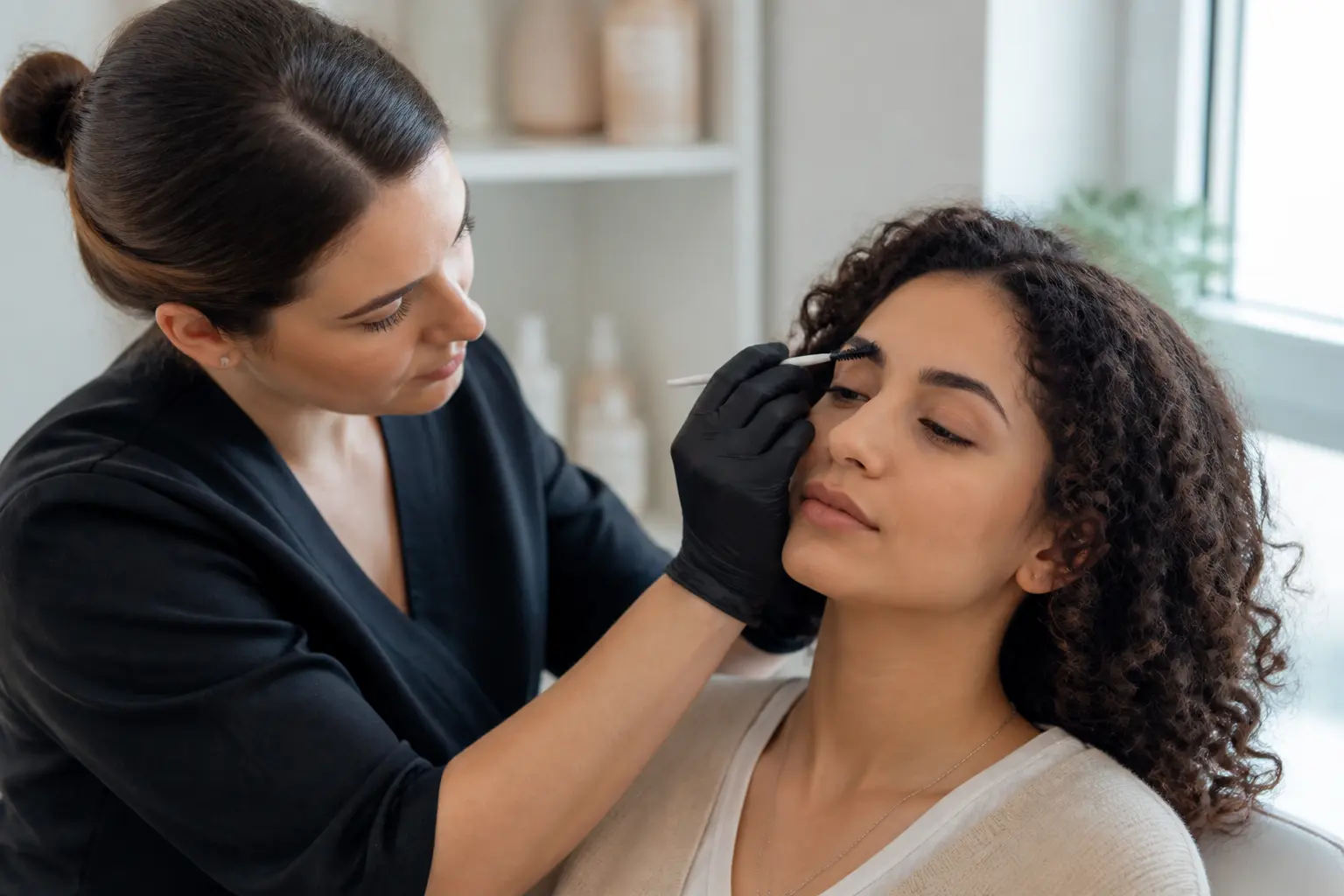
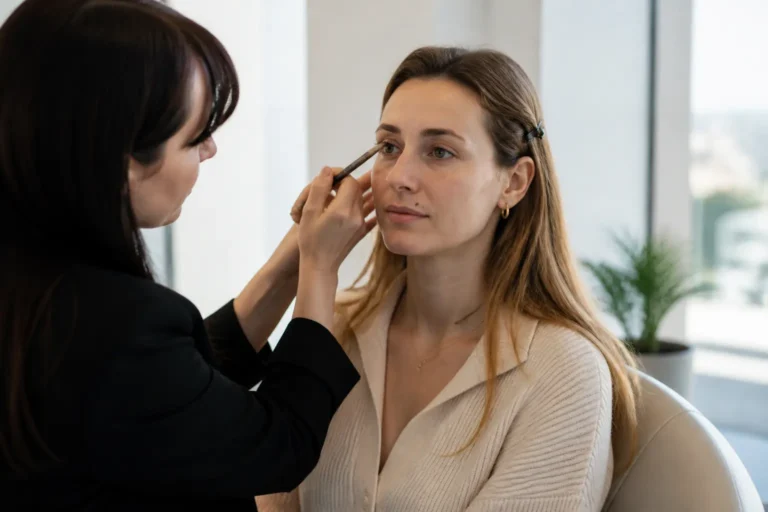
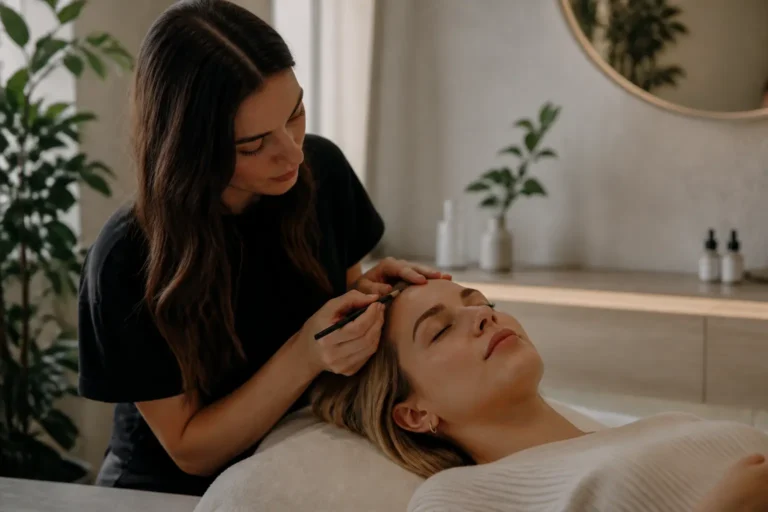
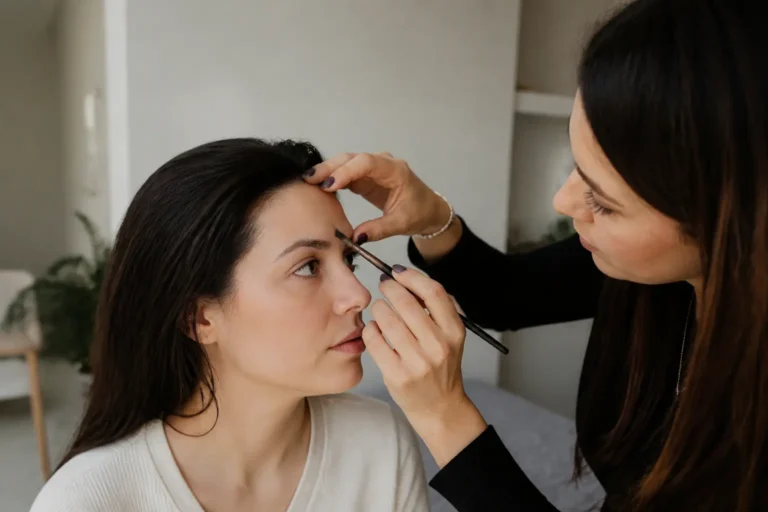
Curly, wiry or resistant brow hairs can create a beautiful natural texture, but they may not always sit in the direction you want. Some hairs grow downwards, twist away from the arch or spring back into place after brushing. Brow lamination can help create a more uniform, lifted and groomed look, but naturally curly or resistant hairs need a more considered approach than fine, straight brows.
The aim is not to force every brow into one identical shape. A professional brow lamination appointment should work with your natural density, growth pattern and facial features, then guide the hairs into a softer, more manageable position. For curly and resistant hairs in particular, the details of the process, timing and styling direction can make a meaningful difference to how balanced the final result looks.
What counts as curly or resistant brow hair?
Curly brow hairs may form visible bends, loops or changes in direction along each strand. They can also grow in different directions across the same eyebrow, with some hairs lying flat while others curl upwards, downwards or towards the temple. Resistant hairs are often coarse, dense or firm to the touch, and may return quickly to their usual position after brushing.
These characteristics are completely normal. Brow texture varies widely between people, and there is no single brow type that is automatically easier or harder to enhance. The key is recognising that a brow with stronger texture may need a different plan from one with soft, fine hairs.
At a professional studio, the brow artist looks beyond whether your hairs are simply “difficult to manage”. They consider the direction of growth, the density through the front, arch and tail, the condition of the hairs, and the look you would like to achieve. This helps prevent a result that feels overly stiff, too upright or disconnected from your natural brow shape.
How brow lamination works on curly and resistant hairs
Brow lamination is a professional service designed to soften and redirect the brow hairs so they can be brushed into a chosen shape. For brows with curls or strong resistance, the overall concept remains the same, but the application needs to be more tailored.
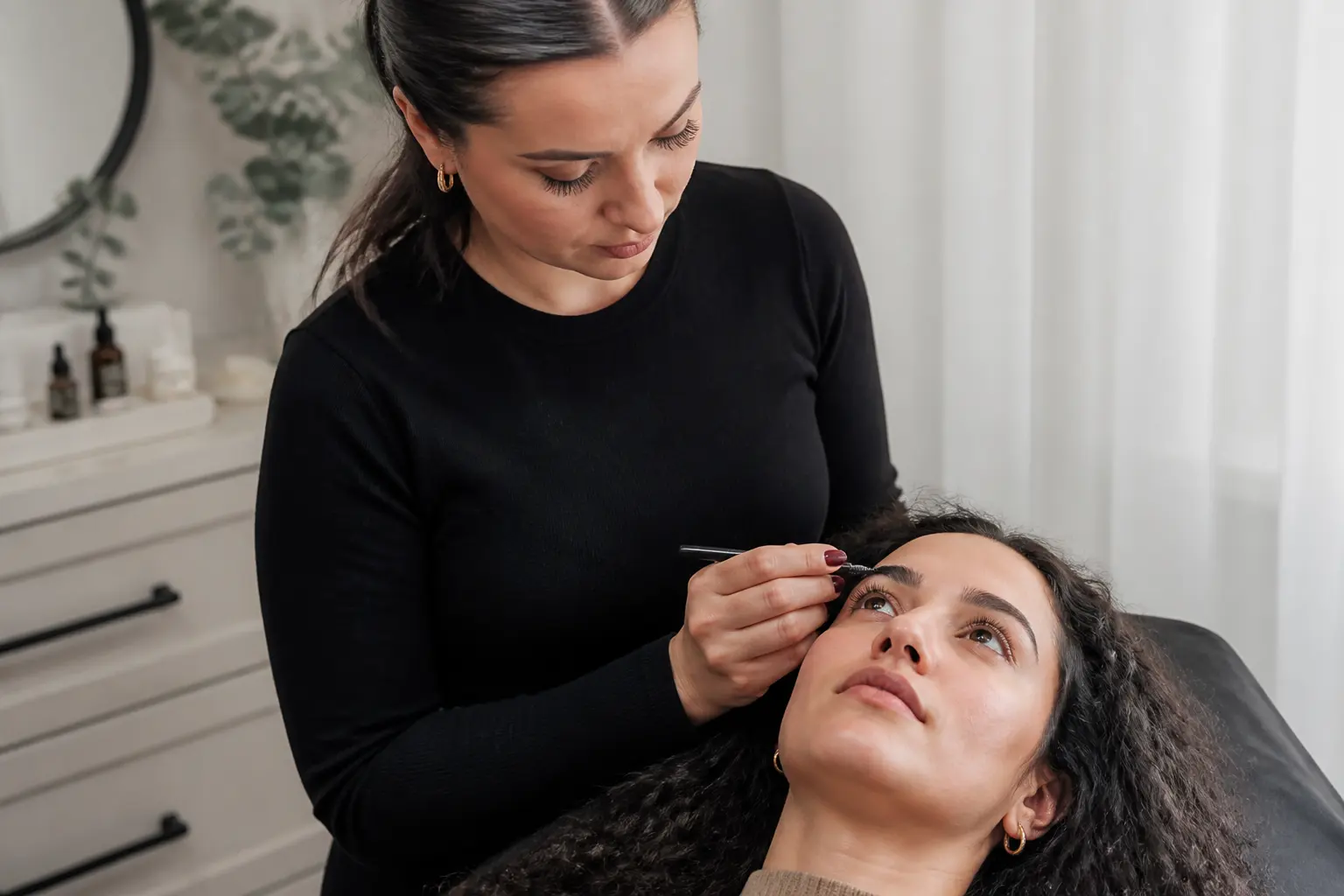
The appointment begins with an assessment of the brow hairs and skin around them. This is especially important when hairs are coarse or unevenly textured, because different areas of the same brow may respond differently. The front may be fuller and more upright, for example, while the tail may be finer, curlier or more sparse.
During the service, the hairs are carefully guided into a direction that suits their natural growth. Rather than brushing every hair vertically, a trained artist may use a more angled or softly feathered pattern. This can create lift while keeping the brow believable and comfortable to wear day to day.
For resistant brows, precision matters at every stage. The product is applied with attention to coverage and control, while processing is monitored according to the hair’s response. More product or longer processing is not automatically better. The goal is a polished finish that respects the condition of the brow hairs, not an exaggerated result.
The shape is adapted, not copied
A common misconception is that laminated brows must look very bold and brushed straight up. That is only one styling option. On curly or resistant hairs, an extreme upright style can make the texture more noticeable or leave the brows looking uneven once the hairs settle.
A personalised approach may involve lifting the front gently, directing the middle section towards the arch and smoothing the tail along its natural line. This can make the brows appear more organised without erasing their character. If your preference is a cleaner, more defined shape rather than a fluffy finish, say so at the beginning of the appointment.
What may change in the professional process?
Curly and resistant hairs do not necessarily make brow lamination unsuitable. They do mean that the appointment should be carried out with close observation rather than a one-style-fits-all routine.
More detailed consultation and brow assessment
Your artist may ask about previous brow lamination, tinting, threading, home brow products and any recent irritation around the eyebrow area. They will also look at how the hairs behave when brushed. A hair that appears straight at first may reveal a strong bend when moved into a new direction.
This assessment is useful because it helps set realistic expectations. Brow lamination can make resistant hairs easier to arrange and can soften the appearance of an uneven growth pattern. It may not make every individual hair behave exactly like a naturally fine, straight brow hair. The final look should be judged by overall harmony, not by whether every strand is perfectly identical.
Careful control of the styling direction
On a brow with mixed textures, the artist may work in smaller sections. Hairs at the front often need a different direction from those through the arch, while the tail may need to be encouraged into a smoother line. This approach helps create a shape that looks intentional from close up as well as in photographs.
The design should also take your existing brow structure into account. Strong, curly hairs can add natural fullness, but they may need strategic placement so the brow does not look too wide or overly square at the front. A precise design is particularly helpful if your hairs tend to cross over one another.
Thoughtful finishing and grooming
After the hairs have been guided into their new position, the finishing stage matters. Brushing, trimming where appropriate and shaping the surrounding brow area can help reveal the new direction more clearly. Threading can be a useful complement when you want to refine the outline, as it targets unwanted hairs around the brow without relying on wax.
For curly brows, trimming should always be approached with care. Removing too much length can reduce the flexibility needed for styling and may make irregular growth more noticeable as the brow grows out. The focus should be on neatness and balance, not on making the hairs look unnaturally short.
What results can you realistically expect?
When curly or resistant brow hairs respond well to lamination, the brows can look more lifted, more even and easier to style. You may notice that the hairs sit in a clearer direction, gaps are less obvious when the brows are brushed into place, and your daily brow routine feels simpler.
However, brow lamination does not add new hair or permanently change the way each follicle grows. It works with the hairs you already have. If one brow has a more pronounced curl, a lower arch or a thinner tail than the other, some natural difference may remain. That is normal and can often be managed through thoughtful styling, threading or tinting where appropriate.
It is also worth remembering that the freshly laminated look can appear more defined than the way your brows look after several days of normal routines. The hairs settle over time, and your home care influences how easy they are to arrange. A good result should still feel wearable after the first impression has softened.
The most flattering laminated brow is not always the most dramatic one. For curly or resistant hairs, a controlled, well-directed finish often looks more polished than an overly lifted style.
Who may benefit from brow lamination for resistant hairs?
You may wish to consider brow lamination if your brow hairs are full but difficult to place, if they point in several directions, or if you spend time every morning brushing them into shape. It can also suit people whose brows look uneven because one side has a stronger curl or more downward-growing hairs.
The service may be particularly appealing if you like the appearance of fuller brows but do not want to rely on heavy brow make-up every day. By making better use of your existing hairs, lamination can create a more open, tidy effect around the eye area.
That said, suitability is individual. If your brow hairs feel fragile, have been recently over-processed or the skin around the brows is irritated, it is important to discuss this before booking. An in-studio assessment provides the right opportunity to ask whether this is the best time for the service and what finish is realistic for your brows.
How to prepare for your appointment
A little preparation can make the consultation more useful and help your artist see your natural brow pattern clearly.
- Arrive with clean brows where possible, without heavy brow pencil, pomade or strong-setting gel.
- Avoid trying to reshape or trim your brows immediately before the appointment.
- Tell your artist about recent brow services, including lamination, tinting or any products that may have affected the hairs or surrounding skin.
- Bring reference images if they help explain your preferred finish, but stay open to a style adapted to your own brow texture.
- Be clear about your routine. If you prefer a subtle everyday brow, say so. If you enjoy a more brushed-up look, your artist can discuss how that may translate to your hairs.
For clients in Malta with international backgrounds and varied hair textures, this personalised conversation is especially valuable. Brow design should not impose one trend or one standard. It should make your own features feel more considered and easier to maintain.
Aftercare for curly or resistant laminated brows
Follow the aftercare advice given at your appointment, as it is based on the products used and the condition of your brows. In general, gentle handling is important during the initial period after lamination. Avoid rubbing the brows, brushing aggressively or using products that leave heavy residue unless they have been recommended for your brow routine.
Once you have been advised that normal care can resume, use a clean spoolie to brush the hairs into place rather than repeatedly pressing or pulling at them. Resistant hairs may still have some natural movement, so a quick, gentle brush can help maintain the intended direction.
If your brows naturally curl strongly, avoid expecting them to remain perfectly uniform without any daily styling. Brow lamination is designed to improve manageability, not remove every sign of natural texture. A small amount of movement can be part of what keeps the final look soft and natural.
Questions to ask before booking
If you are unsure whether brow lamination is right for your curly or coarse brow hairs, a few focused questions can help you make an informed choice:
- How would you adapt the brow direction to my natural growth pattern?
- Would a softer brushed finish suit my brow texture better than a high-lift look?
- Should I combine lamination with brow shaping or tinting for the result I want?
- Are there any signs in my brow hair or skin that mean I should wait before having the service?
- What home styling routine would help me keep the brows looking neat afterwards?
A professional artist should welcome these questions. Clear communication is part of achieving a result that fits your face, your routine and your expectations.
Frequently asked questions
Can brow lamination straighten curly brow hairs completely?
It can soften the look of curls and make the hairs easier to guide, but results vary according to the natural texture and condition of your brows. The aim is usually improved direction and manageability rather than making every hair completely straight.
Do resistant brow hairs need a different brow lamination appointment?
The service follows the same broad process, but the assessment, styling direction and product timing may need to be adjusted by the professional carrying out the treatment. Resistant hairs should be monitored carefully rather than treated with a generic approach.
Will a brushed-up brow style suit curly brows?
It can, but the most flattering version may be a softer lift rather than hairs brushed straight upwards. Your artist can choose a direction that works with your growth pattern and keeps the brow shape balanced.
Can brow lamination help brows that grow downwards?
It may help guide downward-growing hairs into a more lifted or horizontal direction, depending on their texture and condition. An assessment is the best way to discuss what is realistic for your individual brows.
Should I have threading with brow lamination?
Threading can be a helpful addition if you would like more definition around the brow shape. It removes unwanted hairs around the outline, while lamination focuses on arranging the existing brow hairs. The best combination depends on the result you want.
How should I choose a brow artist for curly or resistant hairs?
Look for a professional who assesses your natural hair direction, listens to the level of lift you prefer and explains realistic results. Experience with diverse brow textures is important because curly and resistant hairs benefit from an individual approach.
Final thoughts
Curly and resistant brows do not need to be flattened into someone else’s version of a perfect brow. With a thoughtful brow lamination service, their texture can be guided into a more polished, manageable shape while retaining the fullness and character that make them yours.
If you are considering brow lamination in Malta, book with Becammo in Sliema or Swieqi and discuss your brow texture, styling preferences and maintenance routine before the service begins. A tailored plan makes it easier to choose a finish that feels refined, practical and true to your natural brows.