Does Microblading Hurt? Numbing and Session Comfort
Brenda Cammo Team
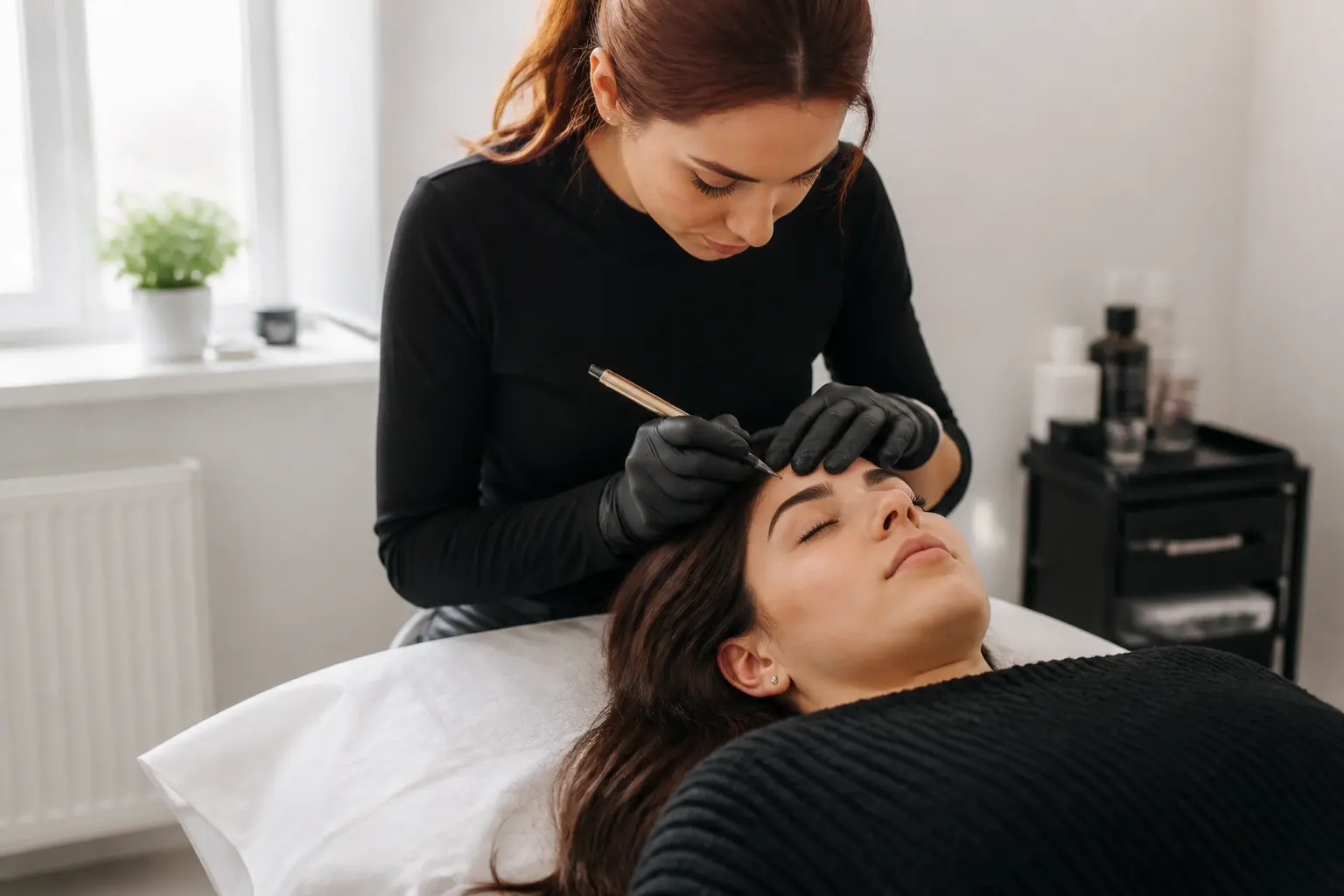
If you are considering microblading, it is completely normal to wonder, “Does microblading hurt?” The honest answer is that comfort is personal. Microblading is not usually described as feeling like a relaxing facial, but it should not be presented as something you simply have to endure either.
The sensation can vary with your skin sensitivity, stress levels, menstrual cycle, previous experience with cosmetic treatments and the specific area of the brow being worked on. A professional appointment should include clear communication, careful technique and time to pause when needed. Numbing may also be discussed as part of the plan, but it is important not to arrive with a cream or product applied unless your practitioner has specifically advised it.
At Becammo in Malta, Brazilian Microblading is approached as a personalised semi-permanent make-up service. The aim is to create fine, natural-looking hair strokes while respecting your existing brow pattern, facial features and comfort throughout the session.
So, does microblading hurt?
Most people experience microblading as a manageable but noticeable sensation. Rather than one single feeling, it can change during the appointment. Some clients describe light scratching, small repeated strokes, pressure or a tingling feeling around the brow area. Others find certain passes more intense than others.
The eyebrow area is sensitive, and microblading involves creating fine strokes in the skin so that pigment can be placed. It is therefore more accurate to expect some degree of discomfort than to expect no sensation at all. However, discomfort is not a competition and there is no “right” way to respond. A good practitioner will want you to say if you feel uncomfortable, anxious, light-headed or simply need a short pause.
Your own experience can differ from a friend’s. Someone who finds brow threading very easy may still feel nervous about microblading, while someone who dislikes threading may find the steady, controlled pace of a microblading session easier than expected.
What affects how microblading feels?
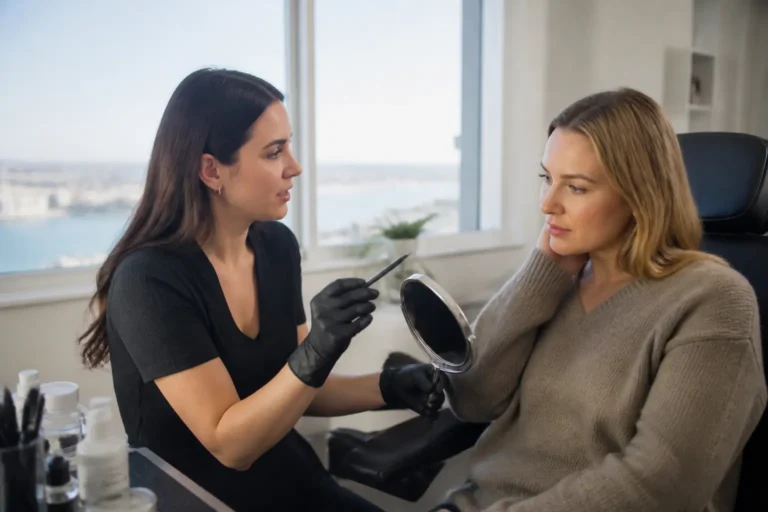
Comfort is influenced by more than pain tolerance. A thoughtful consultation and clear pre-appointment conversation can make a real difference, because they help identify practical factors that may affect how you feel on the day.
Your skin and brow area
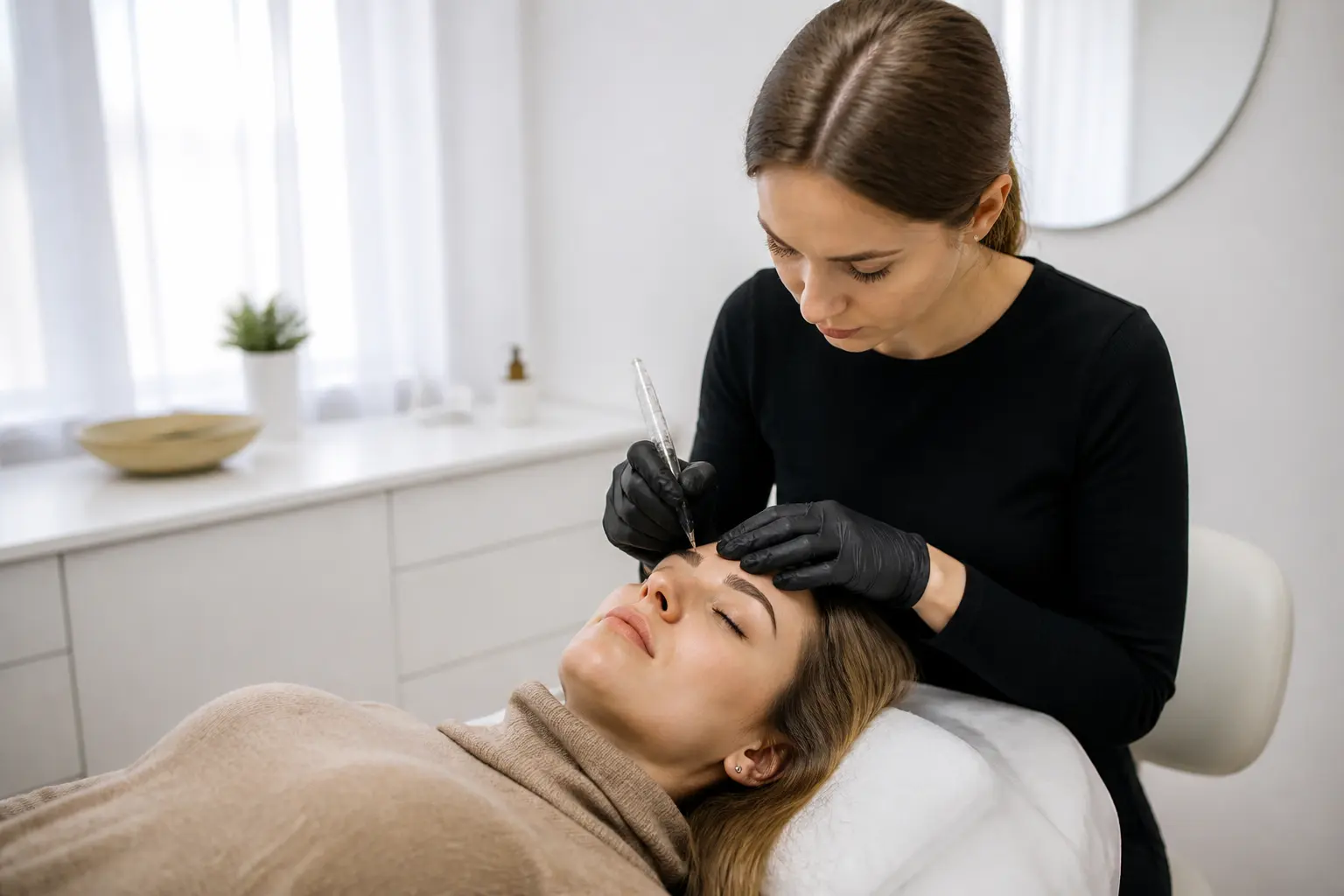
Skin can be more or less reactive from one person to another, and even from one appointment to the next. Naturally sensitive skin, dry areas, active irritation or recently stressed skin can affect comfort. This is one reason a practitioner should assess the brow area rather than treating every client in exactly the same way.
Your stress level
When you are anxious, your body may feel more alert to every small sensation. Worrying about an unfamiliar procedure can make the beginning of an appointment feel more intense. Asking questions beforehand, allowing enough time to arrive and knowing what will happen step by step can help you feel more settled.
Sleep, food and hydration
Arriving tired, hungry or dehydrated can make any beauty appointment feel less comfortable. A normal meal, water and a calm start to the day are simple ways to support your overall comfort. This is not about trying to control every variable, but about giving yourself the best chance of feeling steady and relaxed.
Individual sensitivity at that moment
Sensitivity is not fixed. Hormonal changes, tiredness, stress and your general wellbeing can all affect how you experience a session. Be open with your practitioner if there is anything relevant to your comfort or if you are unsure whether it is the right day to go ahead.
How numbing is handled in a professional microblading session
Numbing is one of the most common questions before semi-permanent make-up. It can be part of a professional comfort conversation, but it should never be treated casually. The appropriate approach depends on the product, your skin, your health history and the practitioner’s protocol.
Before booking, ask the studio how comfort and numbing are addressed for the service you are considering. Explain any known sensitivities, allergies or previous reactions to topical products. This gives the practitioner the opportunity to advise you properly and, where appropriate, recommend a consultation before the procedure.
It is especially important not to use a strong numbing cream bought online just before your appointment without checking first. The United States Food and Drug Administration has warned about certain topical pain-relief products marketed for use around cosmetic procedures, including tattooing, particularly where products contain high concentrations of lidocaine or are used in ways that may increase absorption. Read the FDA consumer warning on topical pain-relief products.
Using an unapproved product without guidance may also make it harder for the practitioner to assess your skin as it normally presents. Your comfort matters, but so does making sensible, informed choices about anything applied to the brow area.
What happens during microblading that supports comfort?
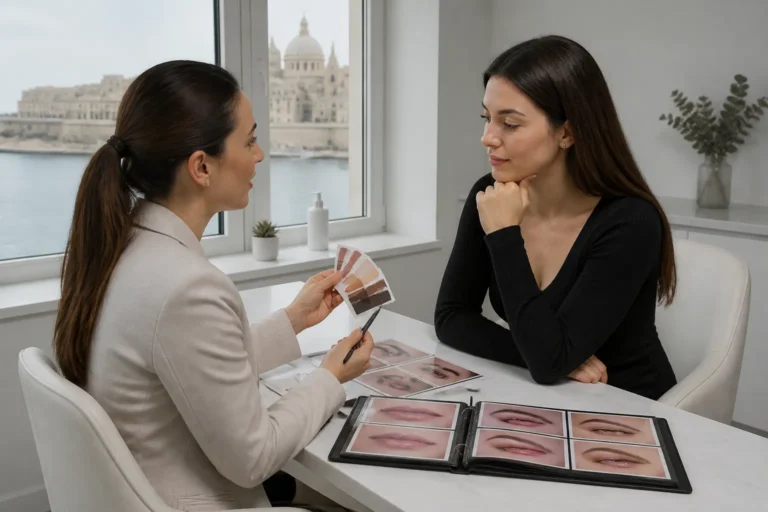
A professional microblading appointment is not only about the pigment work. It begins with planning, communication and a close look at the brows. The details of each practitioner’s method may differ, but you should expect a structured process rather than a rushed treatment.
1. A conversation about your goals
You should have space to explain what you would like to improve, whether that is sparse sections, unevenness, a softer outline or more visible hair-stroke detail. It is equally useful to say what you do not want. For example, you may prefer an understated result that works with your natural brow hairs rather than a bold change.
2. Brow mapping and shape planning
Microblading is not a one-size-fits-all brow template. Mapping helps create a balanced shape in relation to your face, brow bone and natural growth pattern. Seeing the planned outline before the procedure can reduce uncertainty, particularly for first-time clients.
3. A gradual start
The first few moments are often the most nerve-racking because the sensation is new. Slow breathing and clear feedback can help. If you need the practitioner to explain what they are doing, or if you would rather settle quietly once the plan is agreed, say so. Personalised care includes adapting communication as well as brow design.
4. Pauses when needed
You do not need to stay silent through discomfort. Short pauses can help you reset, relax your facial muscles and feel ready to continue. Tell your practitioner promptly if something feels unusually uncomfortable or if you feel unwell. Speaking up early is much more helpful than waiting until you are overwhelmed.
How to prepare for a more comfortable appointment
Preparation cannot remove every sensation, but it can make the experience feel more predictable and manageable.
- Book a consultation if you are undecided. A consultation is a useful place to discuss your brow goals, expectations, relevant sensitivities and whether semi-permanent make-up feels right for you.
- Ask about numbing before the day. Do not guess which product to buy or apply. Contact the studio and follow the guidance you are given.
- Arrive unhurried. Give yourself enough time to find the location, settle in and ask any final questions without feeling rushed.
- Have a normal meal and drink water. Simple practical care can help you feel more comfortable during a longer appointment.
- Be honest about how you feel. Mention anxiety, past reactions to products or any concern that could affect your experience. Clear information supports safer, more personalised planning.
- Choose the appointment date carefully. If you know you tend to feel more sensitive at certain times, consider that when scheduling.
Why hygiene and professional standards matter as much as comfort
When choosing microblading, it is important to look beyond the question of sensation. Semi-permanent make-up involves pigment placement in the skin, so hygiene, consent and professional standards are central to a responsible appointment.
In Malta, tattooing and semi-permanent tattoo services are subject to licensing and safety standards overseen by the Health Care Standards Directorate. Those standards cover safe and hygienic practice for tattoo and semi-permanent tattoo providers. See Malta’s standards for tattoo and semi-permanent tattoo services.
You should feel comfortable asking a studio about its hygiene practices, consultation process and aftercare guidance. The United States Food and Drug Administration also notes that permanent make-up carries risks including infection and allergic reactions, which is why an informed decision and a properly managed professional setting matter. Read the FDA fact sheet on tattoos and permanent make-up.
Comfort is not only about reducing a sensation in the moment. It is also about feeling listened to, understanding the process and choosing a setting where care, cleanliness and informed consent are taken seriously.
When should you ask for a consultation first?
A consultation before microblading can be particularly valuable if you are uncertain about the technique, worried about discomfort, have had a previous reaction to pigment or topical products, or are comparing microblading with another semi-permanent brow option. It gives you a chance to ask practical questions without pressure to make a same-day decision.
At Becammo, a semi-permanent make-up consultation can help you talk through your options before committing to a brow procedure. You can discuss the look you hope to achieve, how natural hair-stroke work may sit alongside your existing brows and what preparation is appropriate for you.
For clients who have decided that Brazilian Microblading is the right option, the most useful next step is to choose a convenient appointment at the Sliema or Swieqi studio and share any comfort concerns in advance. That way, the session can begin with a clear plan rather than unanswered questions.
Conclusion
Microblading can involve discomfort, but the experience is highly individual and should be handled with honesty, care and communication. You do not need to dismiss your nerves or pretend that comfort does not matter. Ask how numbing is approached, avoid applying products without professional guidance and choose a studio that takes time to understand your brows and your concerns.
If you are thinking about Brazilian Microblading in Malta, book with enough time to discuss your preferred result and any questions about sensation. A well-prepared appointment makes it easier to focus on the personalised brow design you want to achieve.
Frequently asked questions
Is microblading more painful than eyebrow threading?
The two services feel very different. Threading removes hairs quickly from the surface, while microblading involves fine strokes in the skin. Some people find threading sharper but shorter-lived, while others are more aware of microblading because the appointment lasts longer. Your personal sensitivity plays a major role.
Can I use numbing cream before my microblading appointment?
Only use a numbing product if the studio has specifically advised you to do so. Contact the practitioner before your appointment, especially if you have allergies, sensitive skin or have reacted to topical products before.
What does microblading feel like after numbing is discussed?
People may still notice pressure, scratching or a tingling sensation. Numbing is not a promise that you will feel nothing, and the experience can vary throughout the session. Let your practitioner know how you are feeling so they can support you appropriately.
Can I ask for breaks during microblading?
Yes. It is reasonable to ask for a short pause if you need to relax, drink water or reset. Clear communication is part of a professional appointment, particularly if this is your first semi-permanent make-up procedure.
Should I book a consultation if I am nervous about microblading?
Yes. A consultation can be the best first step if you have concerns about comfort, suitability, colour, shape or the overall process. It gives you time to ask questions before deciding whether to book the procedure.