Microblading Aftercare: Washing and Moisturising Guide
Brenda Cammo Team
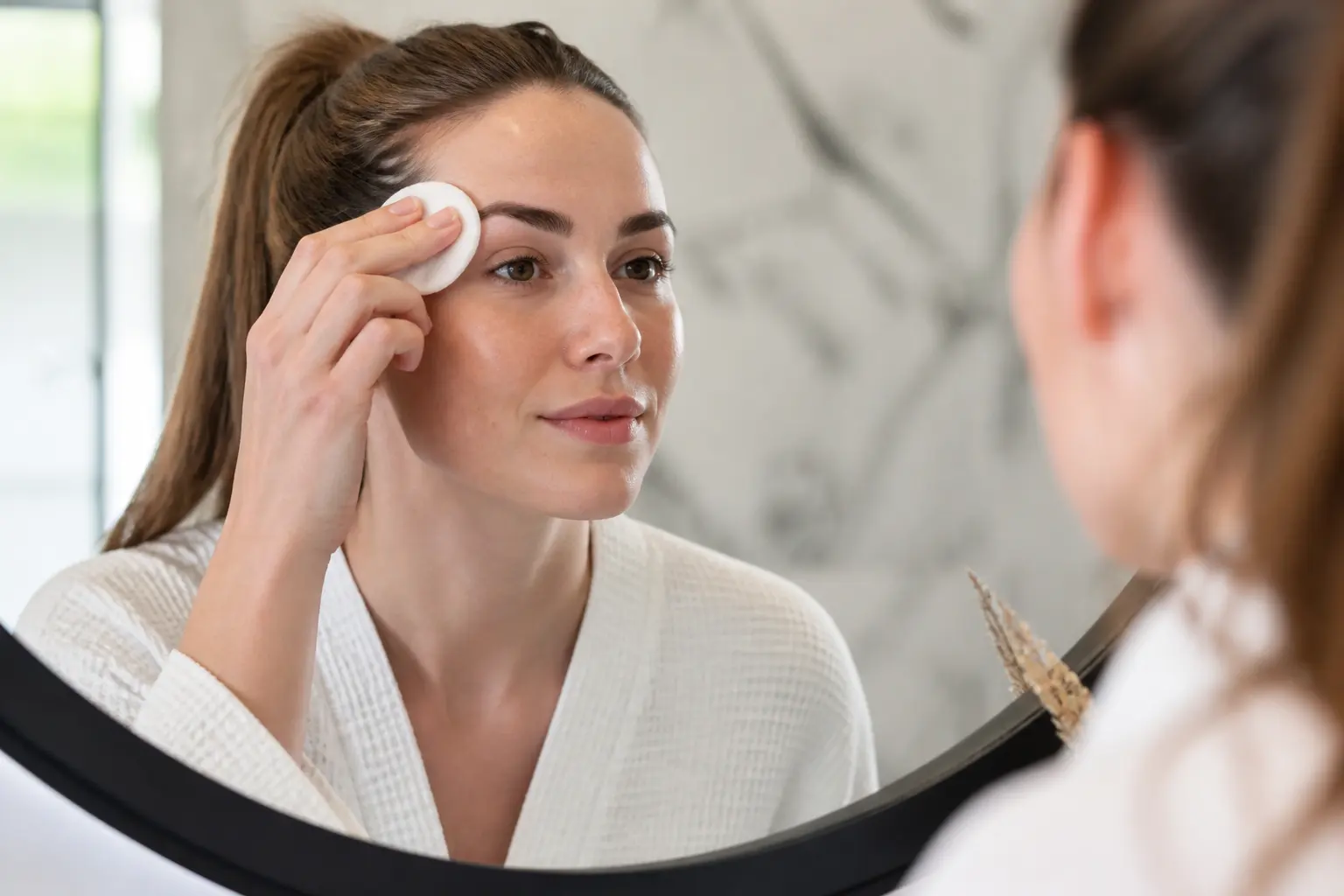
Microblading aftercare is not about adding lots of products or constantly checking your brows. It is about giving the treated area a clean, calm environment while it settles. The routine can feel simple, but details matter: wash your hands before getting near the brow area, follow the cleansing and moisturising guidance given by your artist, and avoid habits that can rub, soak or irritate healing skin.
Every client receives individual aftercare directions because skin, brow goals, technique and the products used can differ. This guide explains the practical principles behind those instructions, especially if you are planning Brazilian Microblading in Malta and want to know what daily life may look like afterwards. It is not a replacement for your artist’s own written advice. If the two ever differ, follow the instructions provided for your appointment.
Why microblading aftercare deserves a simple routine
Microblading is a form of semi-permanent make-up in which fine, hair-like strokes are created in the brow area and pigment is placed in the skin. In the days following the appointment, the area can look more defined than expected at first and may go through normal changes as it settles. The aim of aftercare is not to force the process along. It is to avoid unnecessary friction, contamination, excess moisture and product build-up.
Professional aftercare guidance for cosmetic tattooing consistently puts hygiene first. The American Academy of Dermatology advises washing hands before touching a healing tattoo and using fragrance-free products where appropriate. (aad.org) That principle is especially useful for brows because hands naturally touch the face throughout the day, often without us noticing.
Think of aftercare as a short-term edit to your normal routine. For a little while, your usual active skincare, gym session, swimming plans and brow make-up may need to wait. It is a practical trade-off that helps you protect the work while the skin recovers.
The first rule: clean hands before any brow contact
Before washing, applying an aftercare product or checking the brow area, wash your hands thoroughly. Dry them with a clean towel or disposable paper towel. This includes quick moments when you may be tempted to smooth a flaky patch or see how the colour looks up close.
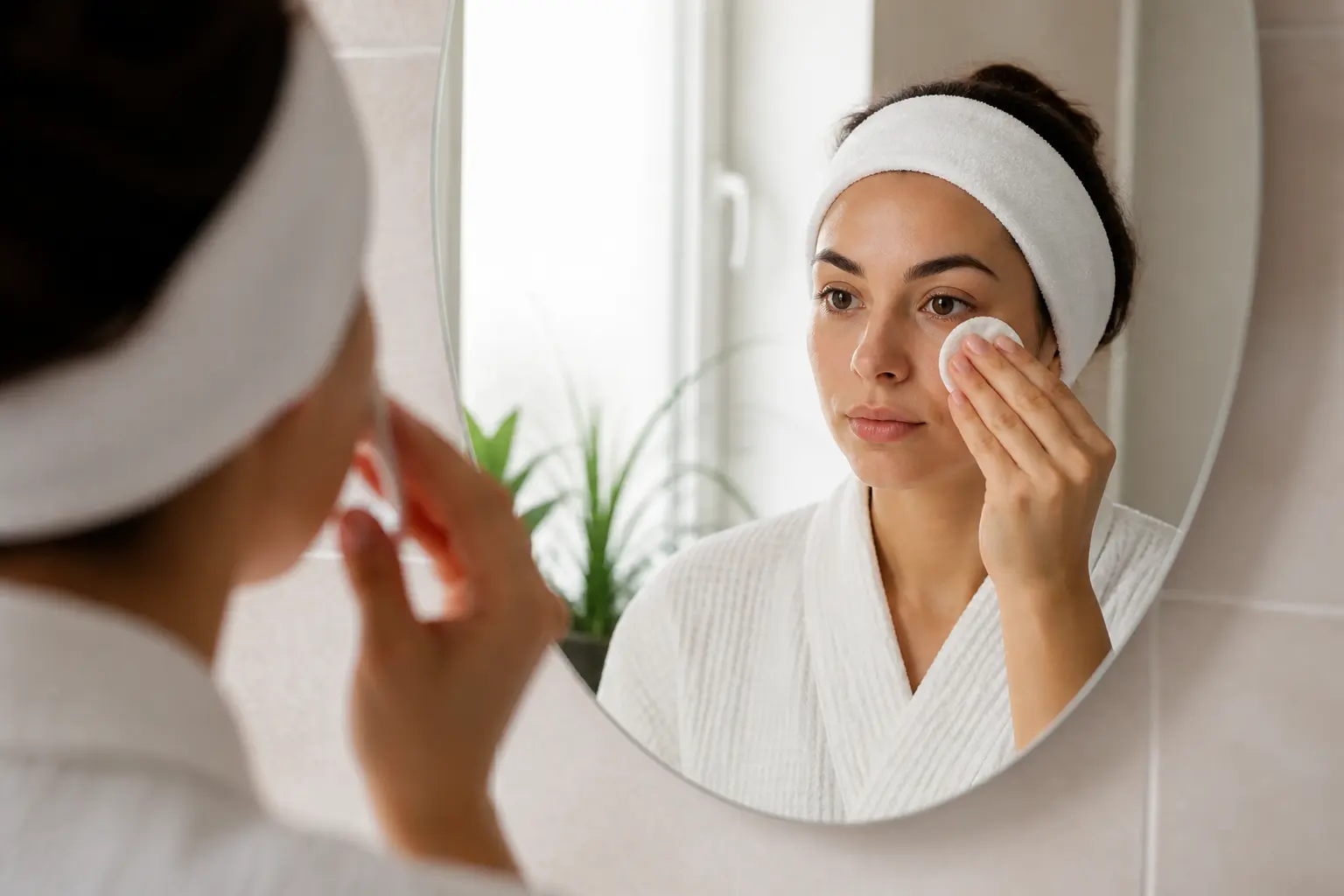
Try to make this automatic: no direct brow contact unless your hands have just been cleaned. Avoid letting other people touch the area too. This is not about being overly cautious. It is a sensible way to reduce the chance of transferring everyday dirt, skincare residue or bacteria to healing skin.
What counts as touching the brows?
- Rubbing your forehead when you are tired.
- Brushing hair away with product on your fingers.
- Picking at flakes or dry skin.
- Applying make-up close to the brow line.
- Using a towel to scrub the face dry.
- Resting your face in your hands while working or travelling.
You do not need to worry about every movement. Just be mindful. If you catch yourself touching the area, wash your hands before handling the brows again and return to the routine your artist recommended.
Washing microbladed brows: gentle, controlled and artist-led
One of the most common questions after an appointment is, “When can I wash my brows?” The exact answer depends on your artist’s protocol, so do not copy a friend’s routine or an online video. Some aftercare plans begin gentle cleansing at a particular point, while others ask you to keep the area dry for an initial period.
When you have been instructed to cleanse the brow area, keep the process deliberately gentle. Do not treat it like an exfoliating facial cleanse. Avoid rubbing, scrubbing, washcloths, cleansing brushes and direct high-pressure water. General tattoo aftercare information from NHS Norfolk and Waveney similarly recommends gentle washing with warm water and fragrance-free soap, followed by patting dry once it is time to remove a dressing. (fyinorfolk.nhs.uk)
A calm cleansing approach
- Wash and dry your hands first.
- Use only the cleanser, water-only method or product your artist has recommended.
- Keep water lukewarm rather than hot.
- Clean with light contact, never a scrub.
- Pat the area dry with a clean disposable tissue or clean material, rather than rubbing with a shared bathroom towel.
- Apply aftercare only if, when and how your artist has instructed.
The goal is to avoid leaving the brow area overly wet. Long, steamy showers can make it harder to control how much water reaches your face, so it helps to keep showers brief and turn your face away from the stream. If you wash your hair, take extra care that shampoo, conditioner and styling products do not run across the brows.
What not to use while cleansing
Unless your artist specifically tells you otherwise, do not introduce your normal facial routine to the brow area during the early healing period. This can include exfoliating acids, retinoids, scrubs, cleansing balms, strong foaming cleansers, fragranced products and facial oils. A product that works well on the rest of your face is not automatically right for freshly microbladed skin.
It is also worth remembering that “natural” does not always mean gentle. Essential oils, perfumed botanical blends and rich balms can still be unsuitable when the brow area is healing. Keep your routine boring on purpose, then return to your usual products only when your artist confirms it is appropriate.
Moisturising: less is usually more
Moisturising after microblading can be confusing because people often assume that more cream means better care. In reality, the right amount and timing matter more than using a large quantity. Your artist may recommend a particular aftercare product, a very thin application, or waiting until a defined stage of healing. Follow that plan rather than choosing a new moisturiser from your bathroom shelf.
Official tattoo aftercare guidance from Torbay Council notes that any cream should be applied with clean hands and that clients should seek advice if they have concerns about infection or a reaction. (torbay.gov.uk) For microblading, the practical message is straightforward: use clean hands, use only the advised product and apply it sparingly.
How to apply aftercare product carefully
- Wash and dry your hands before each application.
- Use the smallest amount needed, following your artist’s instructions.
- Apply with a light touch. Do not massage the brow area.
- Keep the product container clean and close it promptly after use.
- Do not share the product with anyone else.
- Do not layer it with make-up, brow gel or other skincare.
A heavy coating can make the area feel slick and may encourage accidental rubbing. It can also make it harder to see whether you are using too much. If you are unsure whether your brows look dry, flaky or simply part of the expected healing process, send a clear photo to your artist and ask before changing your routine.
What to skip while your brows heal
Microblading aftercare is often easier to remember as a temporary “skip list”. These are not permanent restrictions. They are short-term habits to pause so that healing skin is not exposed to excess moisture, heat, sweat, rubbing or unnecessary products.
Skip picking, scratching and peeling
Flaking can be tempting to remove, particularly when one brow appears to shed before the other. Leave it alone. Picking can disturb the healing surface and may affect how the pigment settles. If the area feels itchy, do not scratch it with a fingernail. Ask your artist what is suitable for your stage of healing instead.
NHS medical tattoo aftercare materials also advise against picking at crusting or flakes, noting that this can interfere with colour. (ruh.nhs.uk)
Skip brow make-up and facial products near the area
Put brow pencils, powders, pomades, gels and concealer aside until you have been told they are safe to use again. The same applies to facial masks, exfoliants, peels and active skincare close to the brows. Even careful make-up removal can create rubbing where you least want it.
This pause is often useful in another way: it lets you see the genuine evolution of the brows rather than trying to correct every change with cosmetics. Your artist can then assess the healed result more clearly at the appropriate follow-up.
Skip swimming, saunas, hot tubs and heavy sweating
Plan ahead if you enjoy swimming, hot yoga, sauna sessions or intense workouts. Pools, sea water, steam rooms and hot tubs are not ideal during the healing phase, and high perspiration can make aftercare harder to manage. NHS aftercare guidance for medical tattooing advises avoiding swimming, hot tubs and saunas until the area is healed. (christie.nhs.uk)
If you are booking around a Malta holiday, beach day or fitness event, allow enough space after your appointment to follow your artist’s instructions comfortably. A quieter few days is often far more practical than trying to protect new brows during a packed itinerary.
Skip sun exposure and tanning around the brows
Freshly treated brows should not be deliberately exposed to strong sun or tanning beds. Sunburn is never helpful for healing skin, and sun exposure can complicate colour changes. Once your artist confirms that the area has healed, ask what sun protection is suitable for your routine. NHS guidance on medical tattooing likewise advises protecting tattooed skin from direct sun because of the potential for pigment change. (leedsth.nhs.uk)
Skip last-minute product experiments
Do not test a new moisturiser, brow serum, self-tan, facial oil or make-up remover during aftercare. If you have a special event coming up, tell your artist before booking so you can choose a date that gives you suitable recovery time. This is particularly relevant for weddings, professional photos and holidays, when people may be tempted to use more make-up than usual.
Making aftercare work in everyday Malta life
Aftercare does not mean staying indoors or putting life on hold. It means planning small adjustments. Keep a clean tissue with you if needed, avoid booking a beach afternoon immediately after your session, and consider lighter activity if your usual exercise leaves you very warm or sweaty.
At home, change pillowcases regularly and keep hair products away from the brow line. When getting dressed, take care with tight necklines that may rub the forehead or brow area. If you wear a fringe, try to keep freshly washed hair from sitting directly on the brows, especially if it carries styling product.
If you are travelling between Sliema, Swieqi, St Julian’s or elsewhere in Malta after your appointment, the main thing is to avoid treating the journey as an excuse to touch or inspect your brows repeatedly. Your artist has done the detailed work. Your role now is consistency and patience.
When to contact your artist or seek medical advice
It is sensible to contact your artist if you are uncertain about cleansing, moisturising, flaking or the use of a product. A quick question is better than relying on conflicting advice online.
However, do not wait for a beauty answer if you are concerned about a possible infection or significant reaction. The American Academy of Dermatology advises contacting the artist and a qualified dermatologist if signs or symptoms of infection occur. (aad.org) Seek prompt medical advice for symptoms such as increasing redness, heat, swelling, worsening pain, unusual discharge, fever, or a reaction that concerns you. This article cannot assess symptoms remotely.
Microblading aftercare checklist
- Follow the personalised instructions from your microblading artist.
- Wash your hands before any brow contact.
- Clean only when advised, using a gentle method.
- Pat dry, never rub.
- Use only the recommended aftercare product and apply it sparingly.
- Do not pick, scratch or peel flakes.
- Pause brow make-up, active skincare and unfamiliar products near the area.
- Avoid swimming, steam, hot tubs, excess heat and heavy sweating for the period advised.
- Protect the area from strong sun as instructed.
- Ask questions early if you are not sure what to do.
Conclusion
The most effective microblading aftercare routine is usually the least complicated one. Keep hands clean, cleanse gently only as instructed, use moisturising products carefully and avoid the activities or products that could disrupt healing. This gives your brows the calm, consistent environment they need while the colour settles.
If you are considering Brazilian Microblading at Becammo in Sliema or Swieqi, book with enough time to follow aftercare properly. A professional consultation is also a good opportunity to discuss your skincare routine, travel plans, exercise habits and any questions you have before deciding on semi-permanent make-up.
Frequently asked questions
Can I wash my face after microblading?
Yes, but you should follow your artist’s specific instructions for the brow area. Keep the brows away from direct water pressure, avoid rubbing and do not let active cleansers or skincare products run over them unless your artist says it is appropriate.
Should I moisturise microbladed brows?
Only according to the aftercare plan given by your artist. If a product is recommended, apply a very small amount with freshly washed hands. Do not substitute it with a random moisturiser, oil or balm.
Can I wear brow make-up while my microblading heals?
It is best to pause brow make-up until your artist confirms that the area has healed sufficiently. Applying and removing make-up can add product, friction and unnecessary contact to the treated area.
What happens if my microbladed brows start flaking?
Flaking can happen as the skin settles. Do not pick or peel it, even if it looks uneven. Follow your aftercare guidance and contact your artist if you are unsure whether what you are seeing is expected.
Can I exercise after microblading?
Ask your artist for guidance based on your appointment and skin. Activities that create a lot of heat or sweat are commonly paused during the early healing period, so schedule your session around intense workouts where possible.
When should I worry about my brows after microblading?
Contact your artist with routine aftercare questions. Seek prompt medical advice if you have increasing redness, heat, swelling, worsening pain, unusual discharge, fever or any reaction that concerns you.