What Is Microblading? Hair Strokes, Pigments and the Technique
Brenda Cammo Team
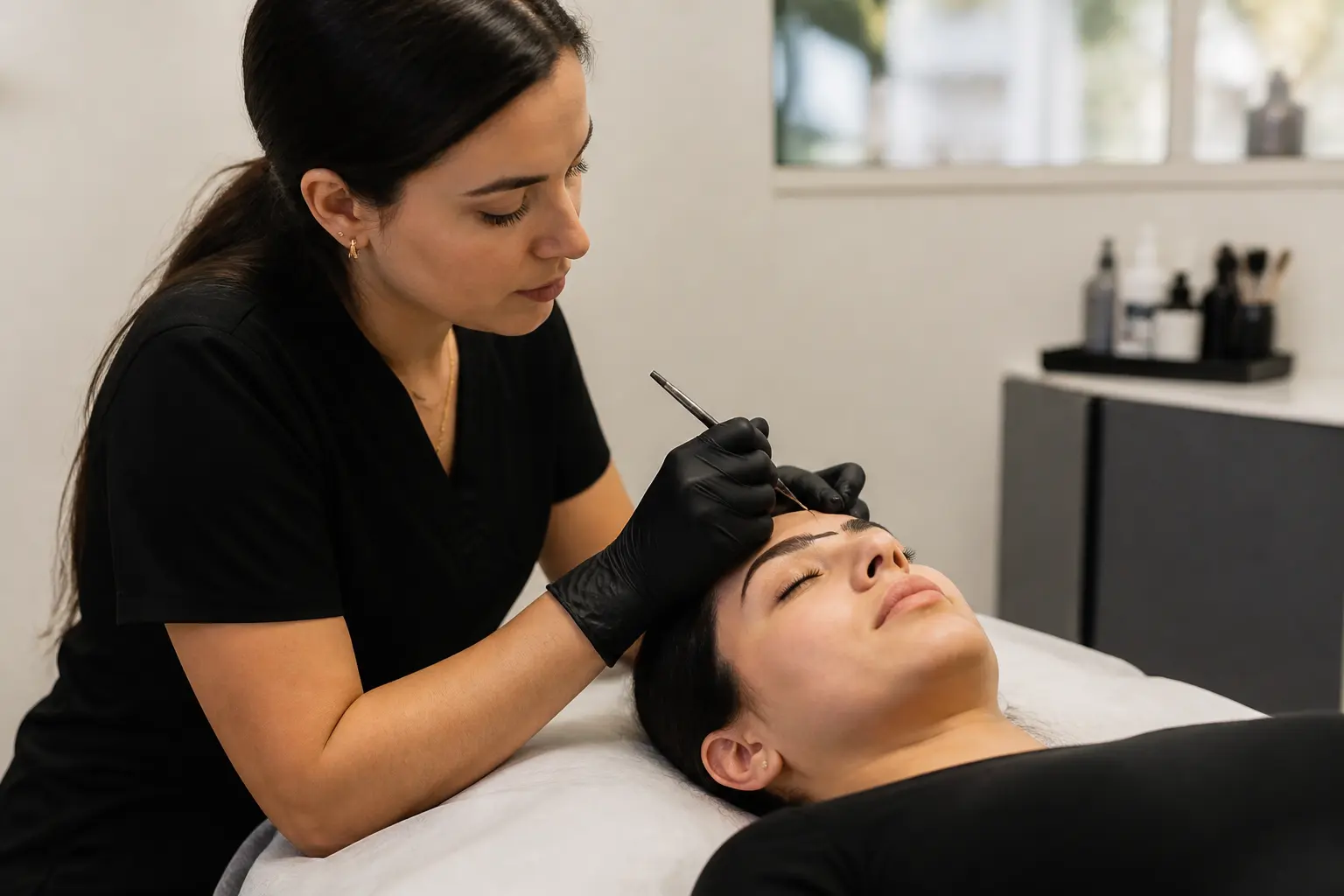
Microblading is a semi-permanent eyebrow technique designed to create the appearance of fine, hair-like strokes. It can be an option for people who want more visible definition in sparse areas, a clearer brow outline or the look of added texture without needing to draw their brows on every day.
It is often described simply as “eyebrow tattooing”, but that shortcut misses important details. Microblading is a careful design process involving your natural brow hair, facial proportions, skin considerations, pigment selection and the artist’s hand technique. The aim is not to replace every natural hair with a line. It is to plan strokes that sit naturally within, around or alongside the brow pattern you already have.
If you are considering microblading in Malta, understanding the basics can help you ask better questions and decide whether a professional consultation is the right next step.
What is microblading?
Microblading is a form of semi-permanent make-up for the eyebrows. A trained artist uses a handheld tool with very fine needles arranged in a line to create precise openings in the skin and place pigment in hair-stroke shapes. Those marks are planned to resemble the direction, length and flow of eyebrow hairs.
The technique is different from simply applying brow make-up on the surface of the skin. Pigment is placed into the skin, which is why hygiene, informed decision-making and aftercare all matter. The result also evolves as the area settles, rather than appearing exactly the same at every stage.
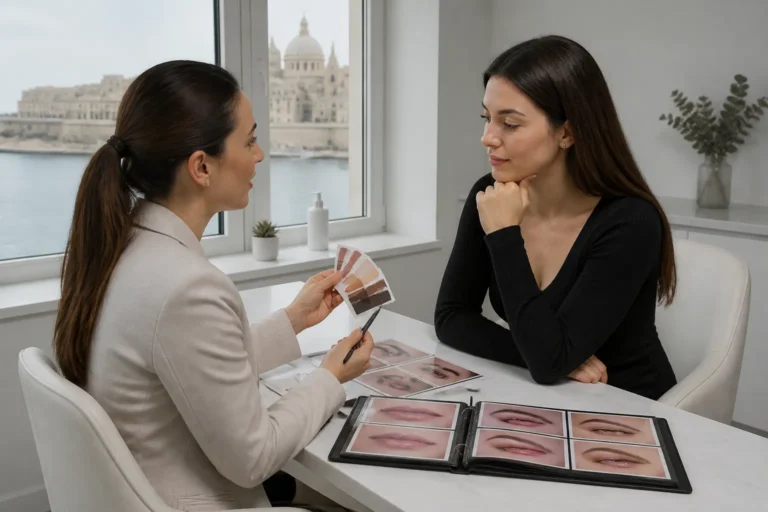
At a professional studio, microblading should begin with a conversation about your brow goal. Some people want to rebuild small gaps caused by over-plucking. Others want to make a very light brow pattern easier to see, or add definition while keeping the overall effect soft. A suitable plan depends on the individual, not on copying one fixed brow shape.
How hair strokes create a natural-looking brow effect
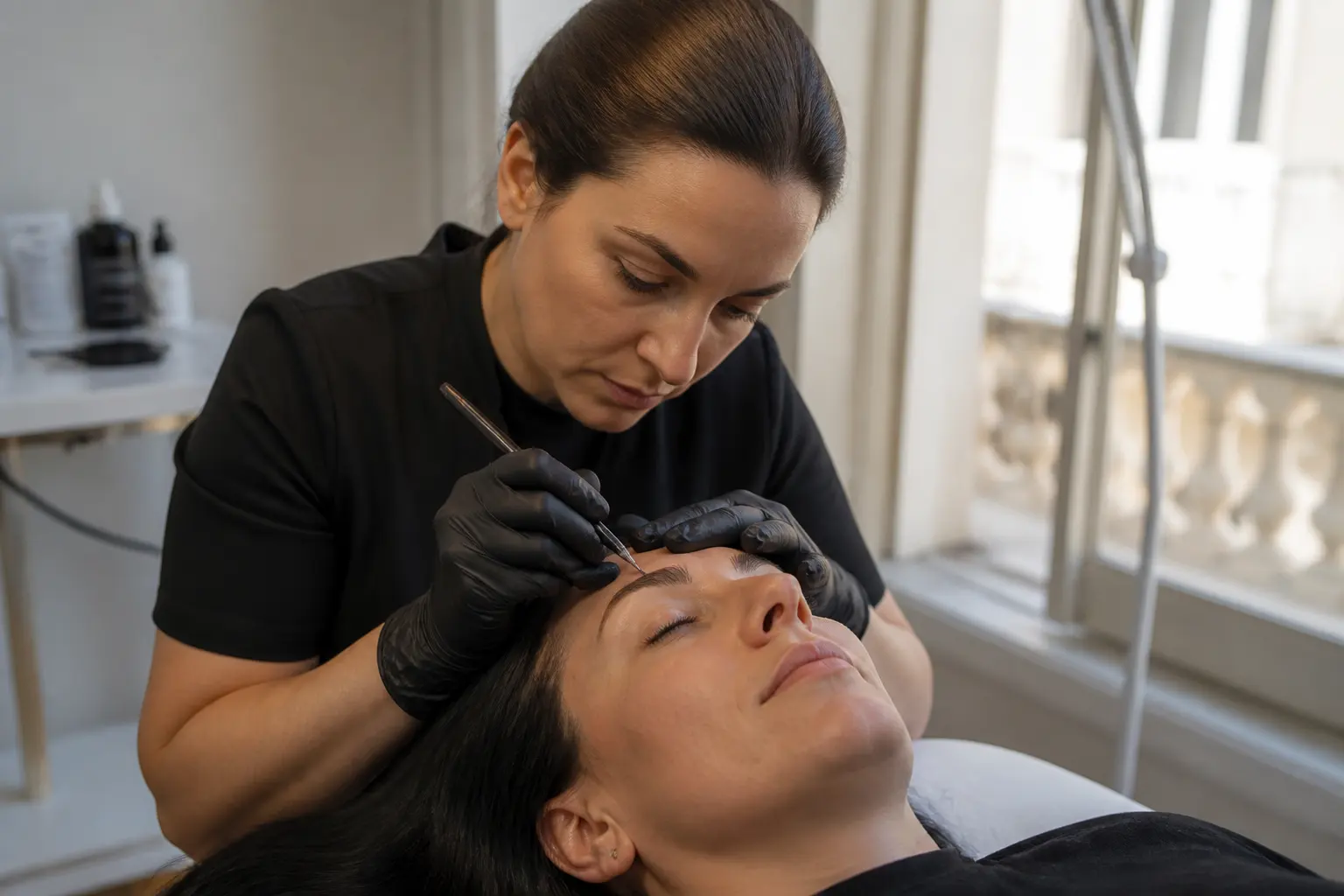
The defining feature of microblading is the hair stroke. Each stroke is a small, deliberate mark intended to suggest an individual brow hair. Placement is important because natural eyebrows do not grow in one identical direction from beginning to end.
Stroke direction follows the brow’s natural movement
At the front of the brow, hairs often appear more upright or softly angled. Through the body of the brow, they usually travel diagonally, while the tail tends to narrow and follow a more horizontal or descending direction. An artist considers these shifts when mapping a stroke pattern.
This is why a good microblading design is not a repeated row of identical lines. Stroke length, spacing and curvature need to be adjusted to the area of the brow and the natural hair already present. A design that looks balanced on one person may not suit another person’s brow density, bone structure or preferred level of definition.
Natural brow hair remains part of the design
Microblading does not need to compete with natural hair. Where brow hair is present, the artist can assess its growth pattern and plan the pigment strokes to complement it. Where the brow is sparse, the design may focus on creating continuity so the brow reads as more complete from a normal conversational distance.
For this reason, it is helpful to arrive with a clear idea of how you normally wear your brows. If you regularly fill them in, photographs of the look you like can be useful starting points for a discussion. They should guide the conversation, not dictate an exact copy, because your own brow structure and skin need to remain central to the plan.
More strokes do not automatically mean a better result
It can be tempting to think that a fuller brow requires as many strokes as possible. In practice, negative space is part of a believable hair-stroke effect. Careful spacing can stop the design from looking crowded and gives each stroke room to remain visually distinct.
A professional artist will consider the density that makes sense for your existing hair, skin and desired finish. Soft definition is often more versatile than a heavily packed appearance, particularly for clients who want their brows to work comfortably with both minimal make-up and a more polished look.
What are microblading pigments?
Microblading pigment is the colour placed during the procedure. It is selected to work with the visible brow hairs, skin tone and the level of definition you want. The purpose is not necessarily to match one hair perfectly. Brow hair naturally contains variation, and the goal is usually a balanced overall impression.
Pigments can be discussed in terms of depth, warmth and intensity. A person with very fair or ash-toned brow hair may need a different approach from someone with dark, warm-toned hair. Previous brow colour, including older semi-permanent make-up, can also affect what is realistic to plan.
It is important to be cautious about marketing claims around pigments. The FDA’s consumer guidance on tattoos and permanent make-up notes that pigments and inks can carry risks, including reactions and contamination concerns. This is one reason to choose a professional setting that takes hygiene, product handling and a proper pre-service conversation seriously.
Why pigment may look different as it settles
The immediate appearance after a microblading appointment is not the final reference point. Colour can look more pronounced at first, then change while the skin goes through its normal settling process. Pigment retention and the way colour appears can vary between clients.
Skin characteristics, lifestyle, sun exposure, skincare habits and individual healing can all influence how the brows settle over time. No responsible artist should promise that a particular shade will look identical on every person or last for an exact period.
Instead, ask how colour choice will be approached for you, what aftercare guidance you will receive and how follow-up planning is handled. These questions are more useful than choosing a pigment name from a photograph alone.
How does a microblading appointment work?
While each appointment is personalised, the process is usually organised around assessment, design, pigment work and aftercare guidance. The details matter as much as the hair strokes themselves.
- Initial discussion. You explain your brow history, expectations and any relevant information that may affect whether the procedure should go ahead or be postponed.
- Brow assessment and mapping. The artist looks at your existing hair, facial balance and the amount of definition you would like. Mapping provides a guide, rather than forcing both brows into artificial uniformity.
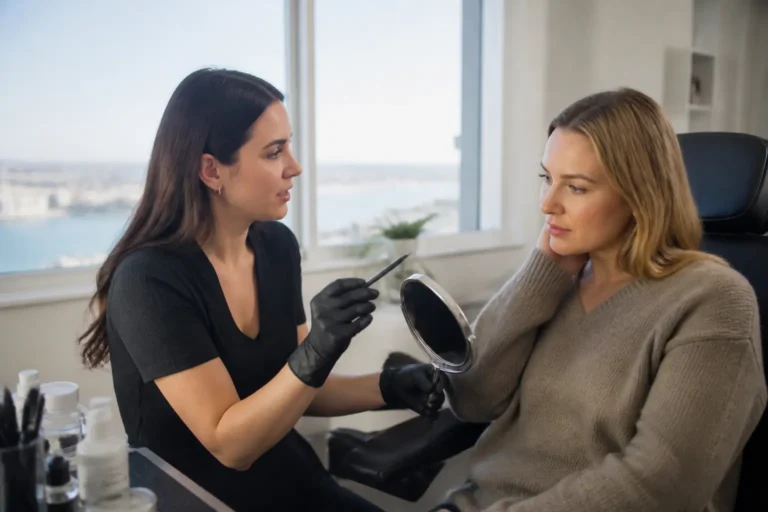
- Design approval. You have an opportunity to view and discuss the planned outline before the pigment work begins. Speak up at this stage if you prefer a softer front, a straighter shape or a more subtle tail.
- Hair-stroke work. The artist creates the planned strokes with a handheld microblading tool and works with the chosen pigment. This requires a steady, methodical approach rather than rushing for density.
- Aftercare information. You receive practical guidance on caring for the brow area while it settles, plus information about the next stage of your plan.
Microblading is not a one-size-fits-all appointment. The design conversation is where technical judgement meets your personal preference. A brow can be shaped to feel tidier, more expressive or more defined, without suggesting that any one brow style is right for everyone.
Microblading, microshading and other brow techniques
Microblading focuses on individual hair strokes. Microshading creates a softer shaded effect, often compared with the appearance of lightly applied brow make-up. Some clients prefer one approach, while others may need advice on which finish better matches their skin, natural brow hair and routine.
The important question is not which technique is universally better. It is which approach gives you a realistic, maintainable result for your own brows. If you like a very airy, hair-led appearance, microblading may be part of the conversation. If you usually prefer a more softly filled-in brow, another semi-permanent technique may be worth discussing.
At Becammo, Brazilian Microblading is approached as a personalised hair-stroke service. The design is considered in relation to your existing brow pattern and desired level of definition, rather than applying a standard template.
What to consider before booking microblading
Because microblading involves pigment placement in the skin, the decision deserves more thought than an ordinary brow tidy. Be open about previous semi-permanent make-up, skin sensitivities, current skincare products and any medical or skin-related concern that may be relevant. If you are unsure whether you are a suitable candidate at a particular time, ask before booking the full procedure.
It is also sensible to consider your diary. You may prefer not to schedule the appointment immediately before a beach holiday, a major event or a time when you will find it difficult to follow the aftercare instructions. Planning ahead can make the process less stressful.
Choose a studio where you feel comfortable asking direct questions. You should understand how the design is agreed, what hygiene measures are followed, what you need to do afterwards and what outcomes can realistically vary. The FDA also advises consumers to consider hygiene carefully, as unsterile equipment and contaminated inks can create risks. Its fact sheet on tattoos and permanent make-up is a useful reminder that choosing a careful professional environment is part of making an informed decision.
Aftercare and maintenance: keep expectations realistic
Aftercare is an essential part of microblading, not an optional extra. Follow the guidance given by your artist closely and avoid assuming that a friend’s experience will be identical to yours. The brow area needs time to settle, and the appearance can change during that period.
Maintenance is also individual. Semi-permanent make-up can fade gradually, but the pace and visible pattern of fading vary. Your skin, sun exposure, skincare routine and original treatment plan can all play a role. A future touch-up may be discussed when it is appropriate for your brows, rather than booked according to a universal timetable.
If you have concerns during the settling period, contact the studio for guidance. If you experience a worrying skin reaction or feel unwell, seek advice from an appropriate healthcare professional.
Conclusion
Microblading is a detailed semi-permanent brow technique built around fine hair strokes, considered pigment choice and personalised mapping. It can offer a more defined brow appearance, but the most important part is not simply creating more lines. It is designing a result that respects your natural hair pattern, facial features and day-to-day style.
If you are deciding whether microblading suits your brows, start with a professional conversation. At Becammo in Sliema or Swieqi, you can ask questions about hair strokes, pigment selection and the practical steps involved before choosing your appointment.
Frequently asked questions
Is microblading the same as an eyebrow tattoo?
Microblading is a type of semi-permanent make-up that uses pigment placed in the skin to create eyebrow hair strokes. Although it is often casually called eyebrow tattooing, the technique, design approach and expected fading pattern should be discussed individually with a qualified artist.
Does microblading look like real eyebrow hair?
The technique is designed to create the appearance of fine hairs. How natural the result appears depends on thoughtful stroke placement, your existing brow hair, skin characteristics and the personalised design plan.
Can microblading fill gaps in sparse brows?
It may be considered for sparse areas, but suitability depends on the brow, skin and desired finish. A consultation helps establish whether hair strokes are the most appropriate approach for your goal.
How is the pigment colour chosen for microblading?
The artist considers visible brow hair, skin tone, your preferred level of definition and any existing colour in the brow area. Colour can change while the area settles, so it is best viewed as a personalised decision rather than a fixed formula.
Is a microblading touch-up always needed?
Follow-up needs vary. Pigment retention, fading and the appearance of the brows are individual, so any touch-up plan should be discussed according to how your brows settle.