Why Hair-Growth Cycles Matter When Planning Laser Hair Removal Sessions
Brenda Cammo Team
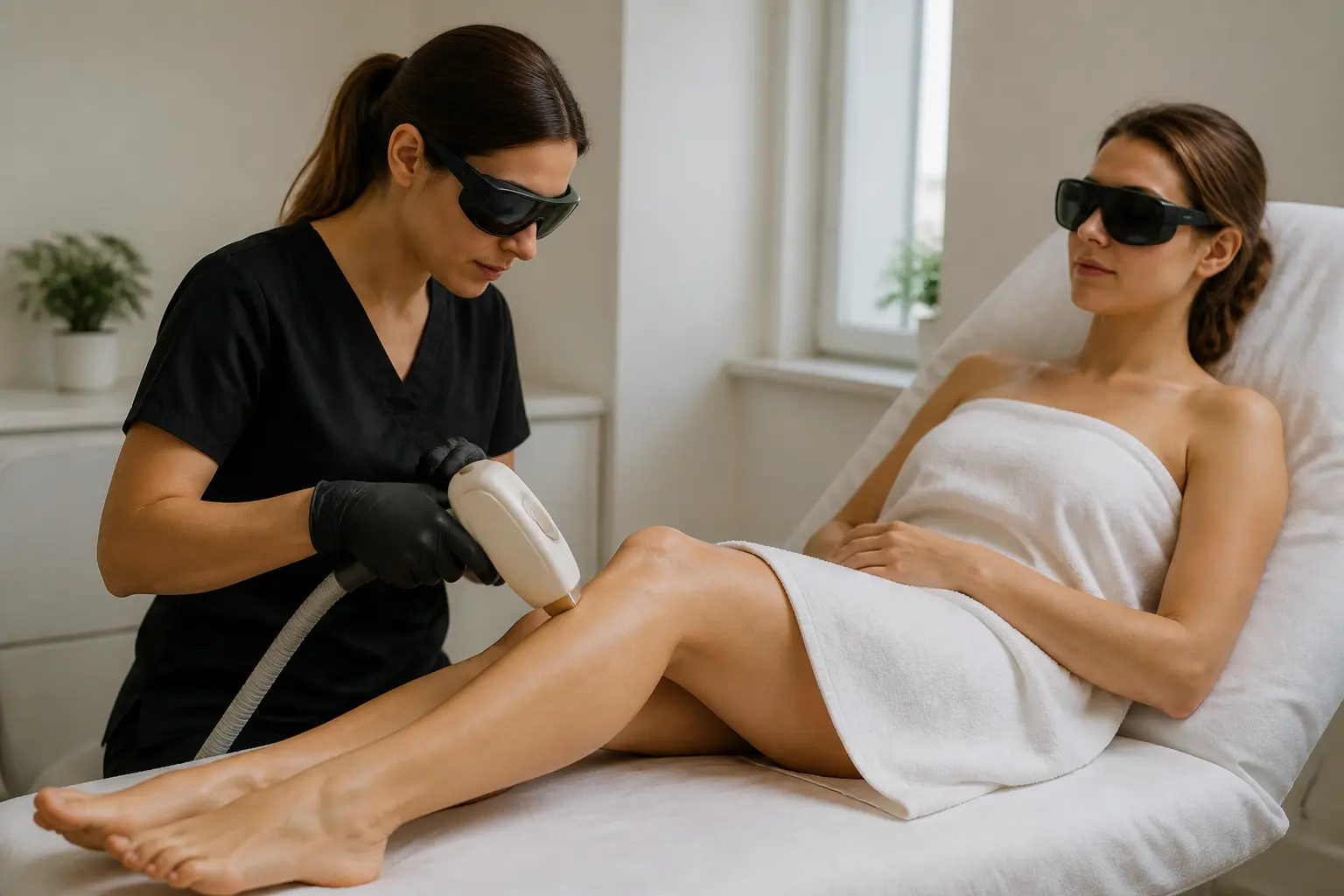
Laser hair removal is usually planned as a series of appointments, not because one session has been missed or performed incorrectly, but because body hair does not all grow at the same time. Each follicle follows its own cycle. At any given appointment, some hairs are actively growing, some are changing phase and some are resting before a new hair begins to emerge.
Understanding this cycle makes the process easier to plan. It helps explain why a treated area can look smoother after an appointment yet still show hairs later, why appointment spacing matters, and why a friend’s schedule may not be the right schedule for you. Rather than chasing every visible hair straight away, a well-planned course gives different groups of follicles time to reach a stage where they can be assessed and treated appropriately.
The most useful starting point is simple: laser hair removal responds to the relationship between the hair, its pigment and the follicle. Because only part of the hair population is in the most responsive growth stage at one time, repeat sessions are a normal part of planning.
What is a hair-growth cycle?
Hair does not grow continuously at the same speed from every follicle. It moves through recurring stages, and those stages overlap across an area of skin. This is why you may notice new stubble or finer hairs in different places even after shaving, waxing or having a laser appointment.
Anagen: the active growth stage
Anagen is the active growth stage. During this period, the hair is connected to structures within the follicle and is producing the visible hair shaft. This is generally the stage most relevant when planning laser hair removal, because the laser energy is directed towards pigment in the hair and the follicle area.
Not every follicle on the legs, underarms, bikini line or face is in anagen on the same day. The proportion can vary by body area and from one person to another. That is the central reason a single appointment cannot address every follicle in the same way.
Catagen: the transition stage
Catagen is a short transition stage. The follicle is changing from active growth towards rest. Hair may still be visible on the skin, but visibility alone does not tell you that every follicle is at the same point in its cycle.
Telogen: the resting stage
Telogen is the resting stage. A hair can remain in place for a time before shedding and before the follicle begins another growth phase. A follicle in this stage may not respond in the same way as one that is actively growing, which is why follow-up appointments are built into a laser hair removal plan.
The American Academy of Dermatology notes that the position of hair within its growth cycle is among the factors considered when planning laser hair removal, alongside the body area, hair colour and hair coarseness. Read its preparation guidance.
Why the cycle changes how sessions are scheduled
The goal of spacing appointments is not to create an unnecessarily long routine. It is to allow time for a different group of hairs to become visible and reach an appropriate stage for the next session. Booking too close together may mean there is less newly active hair to assess. Waiting much longer than the plan agreed during your consultation can also make the overall process less consistent.
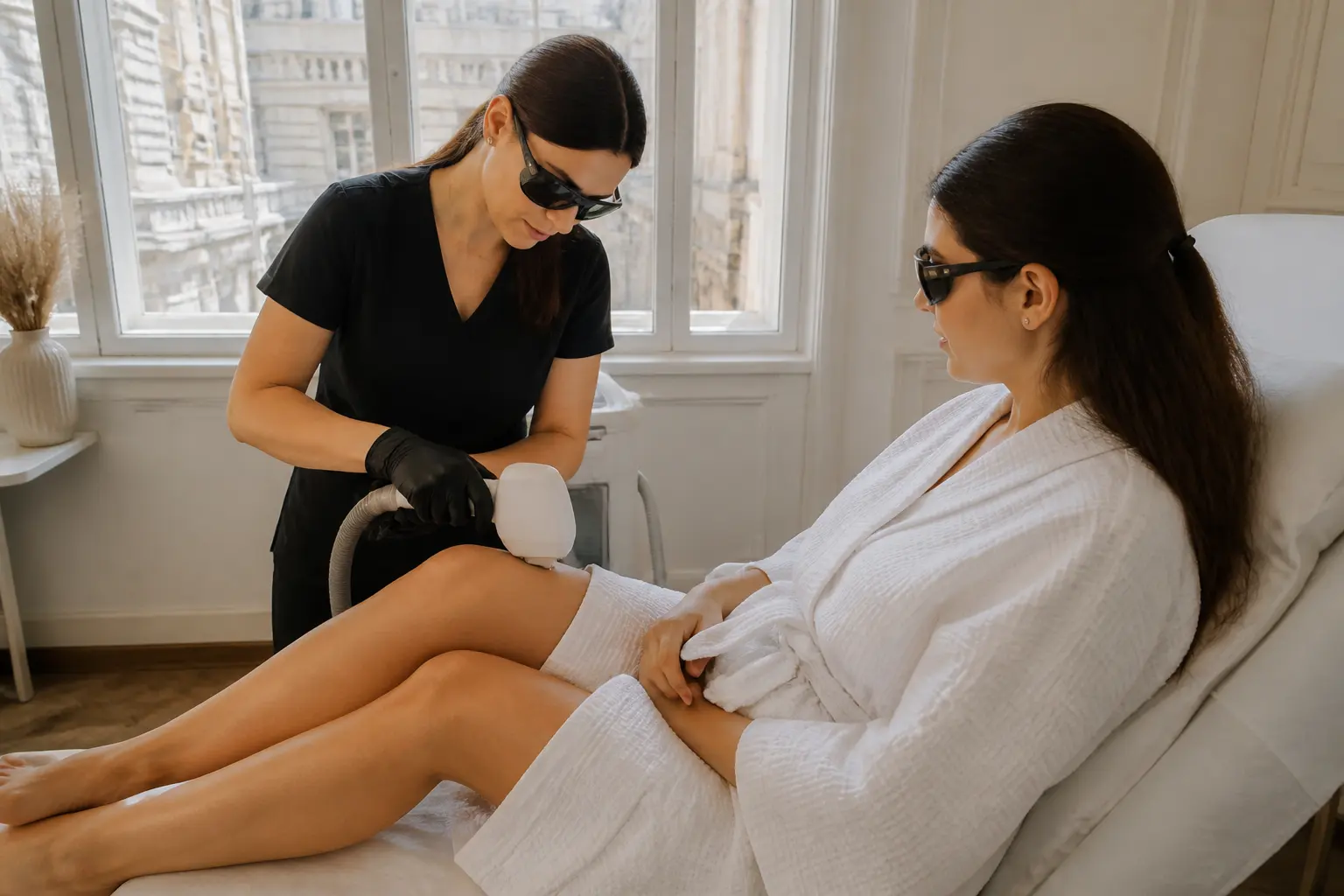
There is no universal calendar that suits every person or area. Facial hair, underarm hair, bikini hair and leg hair can follow noticeably different patterns. Hormonal changes, natural hair density, hair texture, previous hair-removal habits and individual skin characteristics can all shape what you see between appointments.
For that reason, it is better to think in terms of a planned course with review points than a fixed promise of a certain number of sessions. Dermatology guidance also reflects this variation: the number of appointments and the timing of further treatment depend on the individual and the area being treated. The American Academy of Dermatology’s laser hair removal FAQs explain that repeat treatments are commonly needed and that the schedule should be personalised.
What you may notice between laser hair removal appointments
The period between sessions can feel confusing if you expect all hair to disappear immediately. A more realistic view can prevent unnecessary worry and help you avoid changing your routine in ways that make the next session harder to plan.
Some hairs may appear to continue growing at first
After an appointment, treated hairs may not vanish instantly. In the days that follow, you may still notice hair at the skin surface. This does not automatically mean the session has had no effect. It can take time for treated hairs to work their way out of the follicle and shed.
Avoid judging the outcome solely by what you see in the first few days. Instead, watch the pattern over time: whether regrowth looks patchier, whether some hairs seem finer, and whether the period before you notice new growth changes. These observations can be useful to share at your next appointment.
New growth can look uneven
Because follicles are not synchronised, regrowth may be uneven. One part of the underarm may look clearer than another. The bikini area may seem to grow in sections. Leg hair may be more noticeable in one zone than elsewhere. Unevenness is often a reflection of different follicles moving through their cycles, not a sign that the treatment should be rushed.
The hair you see may not be the hair treated on the day
It is easy to assume that every visible hair after an appointment has “come back”. In reality, some hair may be shedding from the previous session while other follicles are starting a new phase. This is another reason your plan should be based on the broader pattern rather than a close inspection on one particular morning.
Why body area matters
Different areas of the body do not behave identically. The density, thickness and growth rhythm of hair can vary greatly between the upper lip, chin, underarms, bikini line and legs. As a result, two areas treated during the same period may not look ready for the next appointment at exactly the same time.
| Area | What may influence planning | What to discuss at consultation |
|---|---|---|
| Underarms | Hair is often coarse and easy to observe as it grows back. | Your usual shaving routine, skin sensitivity and how quickly you notice new growth. |
| Bikini area | Hair may be dense and the skin can be more sensitive. | The precise area you want treated, comfort preferences and any recent irritation. |
| Legs | A larger surface area can make patchy regrowth more noticeable. | Whether you prefer to divide the area into stages and how you manage hair between visits. |
| Face | Fine hairs and hormonal influences can affect expectations. | Hair colour, coarseness, medical history and a realistic maintenance conversation. |
A professional assessment should consider the actual hair in the area, not just the service name. The same person can have coarse dark hair under the arms and much finer, lighter hair on the face. Those are different starting points and may call for different expectations.
Hair colour, skin tone and hair texture also affect the plan
Hair-growth timing is only one part of the picture. Laser hair removal works by directing light energy towards pigment in the hair. This means hair colour and coarseness matter, as does selecting an approach suitable for your skin tone.
Very light, grey, white or red hairs may not respond in the same way as darker hairs because there is less pigment for the laser to target. Fine hair may also require a different expectation from coarse hair. None of this should be decided from an online description alone; it is best discussed with a trained professional before booking a course.
Modern laser hair removal can be considered for a broad range of skin tones, but safe planning relies on an informed assessment and suitable settings. The American Academy of Dermatology advises asking about the practitioner’s experience with your skin colouring and discussing expected results and possible side effects before treatment. Its consultation checklist is a helpful set of questions to keep in mind.
How to prepare without disrupting your plan
Your preparation routine can support clearer, safer session planning. Follow the specific instructions given by your provider, as these should take account of the area and your skin. In general, the key is to avoid doing anything that makes it difficult to assess the natural hair pattern or increases avoidable skin sensitivity.
- Share relevant information at consultation, including recent tanning, skin reactions, a tendency to scar, medications and any history that may affect your appointment.
- Be honest about how you currently remove hair. Shaving, waxing, threading, tweezing and epilating interact differently with the visible hair and follicle.
- Ask which hair-removal method is appropriate between sessions. Do not assume that the same routine is right for every treatment plan.
- Protect the area from sun exposure and follow the studio’s pre- and post-session guidance carefully.
- Tell the practitioner if your skin is irritated, sunburnt or unusually reactive before your appointment.
Planning is not only about the date in the diary. It is also about arriving with enough information for the session to be adapted responsibly.
Common mistakes when planning a course
Expecting a one-off appointment to treat every hair
This expectation overlooks the fact that follicles are on different schedules. A course of appointments is designed to work with that biology, not against it.
Booking based only on a friend’s timetable
Another person’s experience may be useful as a general reference, but it cannot predict your own response. Their skin tone, hair type, body area and growth pattern may be different.
Changing the method of hair removal without asking
Waxing or plucking between laser appointments can affect the hair available for the next session. Before changing your routine, ask the professional treating you what they recommend for your plan.
Ignoring sun exposure or skin changes
A recent tan or irritated skin can affect whether a session should go ahead. Bringing this up early is much better than treating it as a minor detail on the day.
Measuring progress hair by hair
Laser hair removal is better assessed across several weeks and appointments. Photographs taken consistently, notes about regrowth and a discussion at each visit can offer a more useful picture than daily checking.
How to make your consultation more useful
A good consultation is where session planning becomes personal. Bring a clear idea of the area you would like to treat and the result you hope to work towards. You do not need to use technical language; details about shaving frequency, ingrown hairs, sensitivity and your travel or sun-exposure plans can be genuinely useful.
Consider asking:
- How does my hair colour and coarseness affect expected results?
- How should this particular body area be spaced within a course of sessions?
- What should I use, or avoid using, to remove hair between appointments?
- What signs should make me contact the studio before my next session?
- How will we review progress and adjust the plan if needed?
The point is not to receive a generic timetable. It is to leave with a practical plan that respects your hair-growth cycle, skin and daily routine.
Conclusion
Hair-growth cycles are the reason laser hair removal needs patience and planning. Different follicles become active at different moments, so repeat appointments give the process an opportunity to address new groups of hair as they emerge. The best plan is not the fastest-looking calendar; it is one built around the area being treated, your hair and skin characteristics, and appropriate guidance before and after each visit.
If you are considering laser hair removal for areas such as legs, underarms, bikini line, upper lip or face, book a consultation and discuss a session plan that fits your individual pattern. This gives you a clearer starting point and more realistic expectations for every stage of the course.
Frequently asked questions
Why do I need more than one laser hair removal session?
Hair follicles are in different stages of growth at the same time. Repeat sessions allow newly active hairs to be assessed and treated over the course of your plan.
Can I book my next laser session as soon as I see hair?
Not necessarily. Visible hair does not confirm that the area is ready for another session. Follow the timing recommended after your assessment, as it should reflect the body area and your individual hair pattern.
Does hair growing back mean laser hair removal has not worked?
Not on its own. Some treated hairs may take time to shed, while other follicles can move into a new growth phase later. Progress is better reviewed over several appointments than after a few days.
Do all body areas need the same appointment spacing?
No. Areas such as the face, underarms, bikini line and legs can show different growth rhythms. Your treatment plan may therefore vary by area.
Can I wax or pluck between laser hair removal sessions?
Ask your practitioner before doing so. Different methods affect the hair and follicle differently, and your between-session routine should support the plan rather than interrupt it.
What should I mention before starting laser hair removal?
Tell the practitioner about recent tanning, skin sensitivity, relevant medication, your usual hair-removal routine and the result you would like to achieve. These details help make the assessment more appropriate for you.