Winter Nail Care: How to Prevent Dryness and Splitting
Brenda Cammo Team
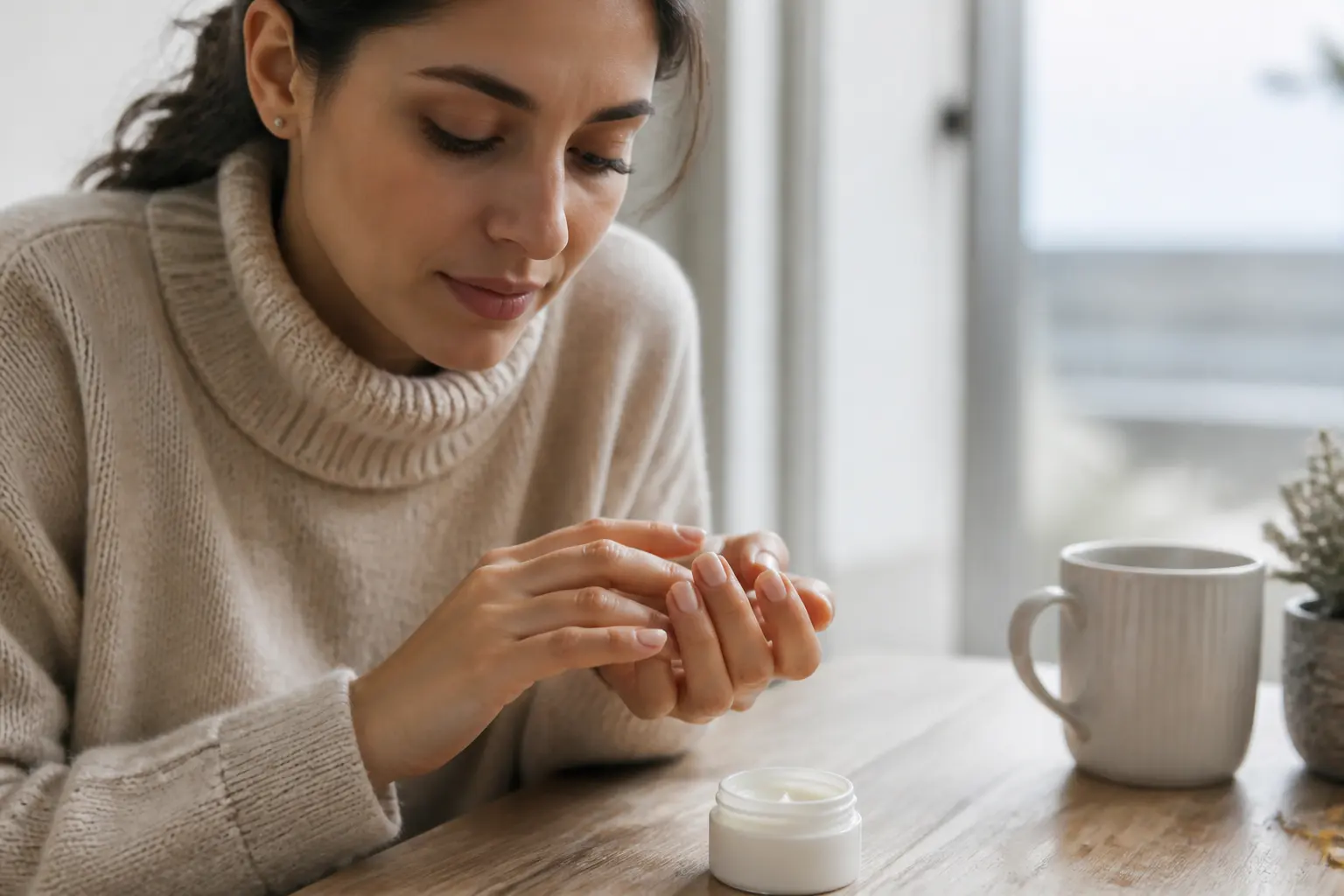
Cold air, wind, indoor heating and frequent handwashing can leave hands feeling tight and uncomfortable in winter. Your nails often show the effects too. They may feel less flexible, catch on clothing, peel in layers or split at the tips just when you want them to look neat.
Winter nail care is not about chasing a perfect finish. It is about reducing everyday stress on the nail plate and the skin around it, then choosing manicure habits that suit the condition of your nails. Small changes, repeated consistently, can make a meaningful difference to how manageable dry, brittle nails feel through the season.
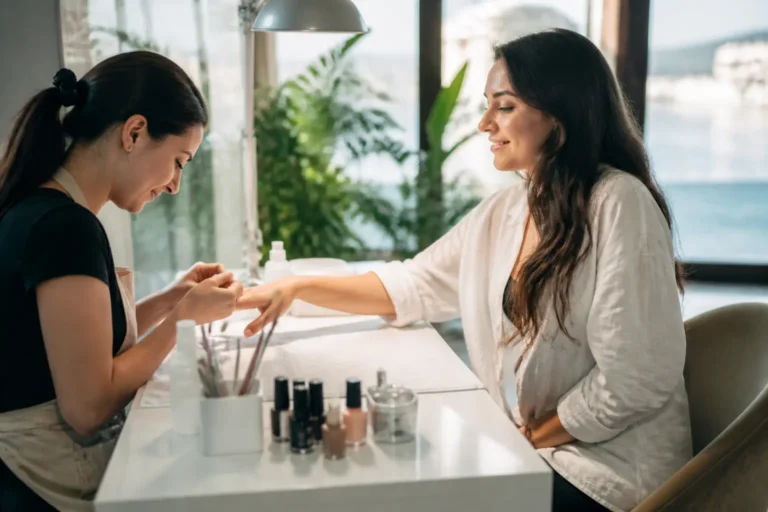
At a professional nail appointment, the best starting point is an honest look at your natural nails, cuticles and usual routine. That helps your technician tailor the shape, length and finish without treating dryness as something to hide.
Why nails can feel drier and split more in winter
Nails are exposed to more than the weather itself. Moving between cool outdoor air and heated indoor spaces can contribute to dryness in the hands and cuticles. More handwashing, sanitiser use, hot showers and household cleaning can add repeated contact with water and cleansing products.
Too much water exposure can weaken nails and contribute to peeling, breaking and splitting. The American Academy of Dermatology also notes that dry nails split more easily, which is why moisturising after washing matters just as much as choosing a hand cream that feels pleasant.
It is useful to separate two common concerns:
- Dryness often shows up as rough cuticles, small flakes of skin around the nail and nails that feel rigid rather than flexible.
- Splitting or peeling may appear at the free edge, where a nail catches, separates into fine layers or breaks before it reaches your preferred length.
Winter conditions can make both more noticeable, but they are not always the only reason. Repeated tapping, opening packaging with nails, biting, picking, aggressive filing and removing coatings at home can all add stress. A practical routine looks at the whole pattern rather than blaming one product or one appointment.
Build a simple winter nail routine at home
Moisturise after every handwash
Make moisturising part of the handwashing routine rather than something you do only when your skin feels very dry. Apply a hand cream to your hands, nails and cuticle area after drying them. In the evening, a richer cream or ointment can be especially useful when hands feel rough from the day.
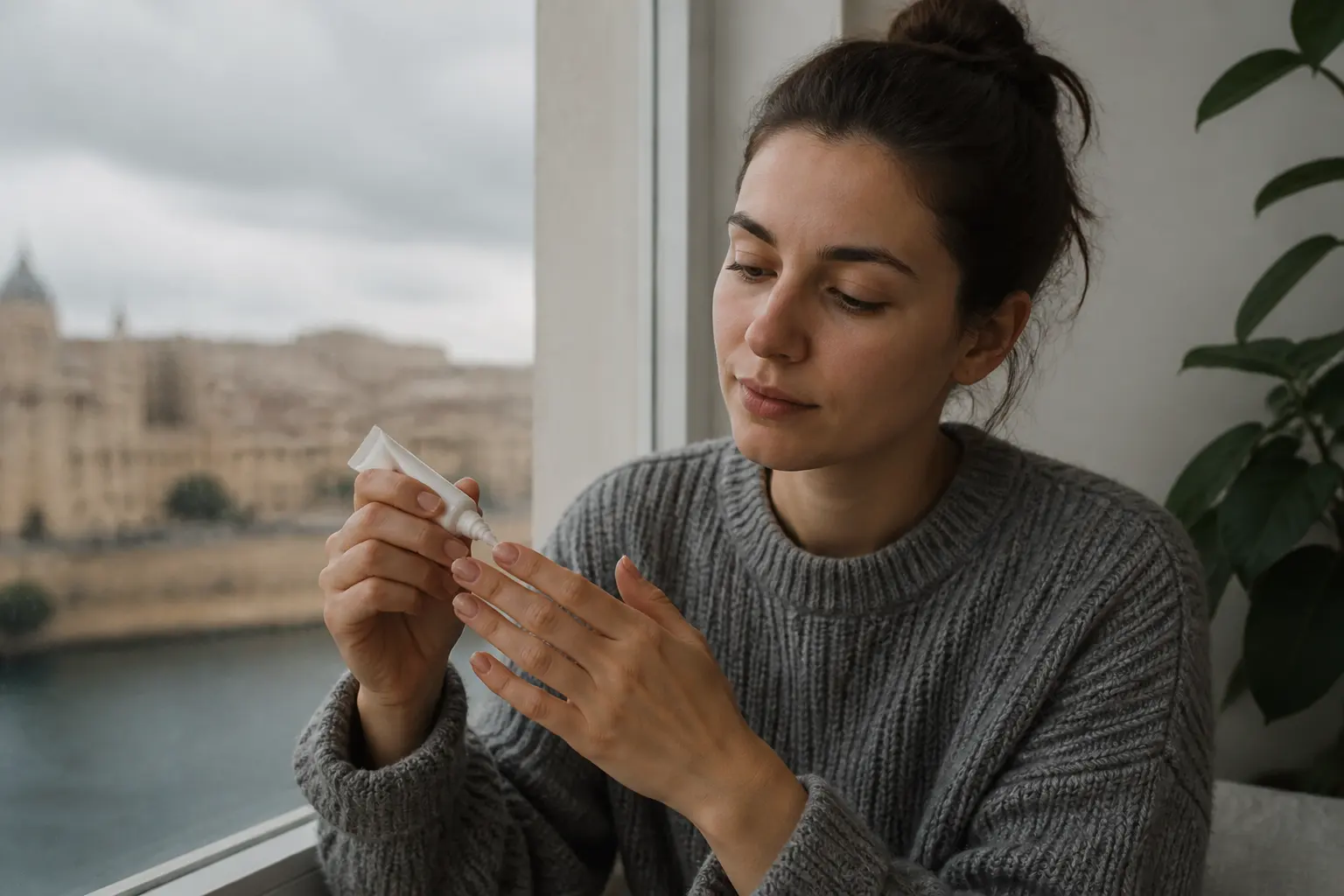
Pay attention to the nail folds, the skin at the sides and base of each nail. This is often where dryness becomes uncomfortable first. Massage gently instead of rubbing hard, particularly if the skin is already flaky or tender.
Use gloves for wet work and cold days
Washing dishes, cleaning bathrooms and handling detergents all combine water with products that can be drying. Wear protective gloves for household cleaning and dishwashing, ideally with a comfortable cotton layer underneath if you are doing a longer task. Dry the inside of reusable gloves fully between uses.
Outdoor gloves are useful too. They protect the skin around the nails from cold, dry air and reduce the urge to hide hands in pockets, where nails can catch against keys or other items.
Keep the length realistic for your routine
If your nails are splitting repeatedly, temporarily choosing a shorter length can be kinder than trying to grow through constant breaks. Shorter nails are less likely to bend against a keyboard, catch on knitwear or take the force when you open a zip.
This does not mean every nail must be extremely short. It means selecting a length that works with your hands, work and hobbies while the condition improves. A professional manicure can help create an even, practical shape without taking more length than necessary.
File with care, not urgency
A rough edge invites picking and makes a split travel further. Keep a suitable nail file at home and smooth snags early. File in one direction with light pressure rather than sawing back and forth across the edge. The American Academy of Dermatology advises filing in one direction, as back-and-forth filing can weaken the nail.
If one nail has split deeply, do not keep filing it down in frustration. Protect it from catching, keep it clean and ask a professional technician how best to manage the length at your next appointment.
Cuticle care that protects rather than overworks
Cuticles can look more prominent in winter because the surrounding skin is dry. It can be tempting to cut, scrape or push them back firmly, especially before a special occasion. However, cuticles act as a protective seal at the base of the nail.
For day-to-day care, focus on softening the area with moisturiser rather than removing it. Avoid biting loose skin or pulling hangnails. If a small piece of skin is catching, use clean nail scissors or clippers to trim only the loose piece instead of tearing it. The American Academy of Dermatology’s nail care advice recommends leaving cuticles alone and treating hangnails carefully to avoid damage to the surrounding skin.
At a salon, gentle, hygiene-led preparation should take priority over an overly sharp cuticle look. Tell your technician if your cuticles are cracked, sore or unusually sensitive, so the service can be adapted appropriately.
How manicures fit into winter nail care
A manicure can be part of a supportive winter routine when it respects the current condition of your nails. The purpose is not to disguise every imperfection. It is to maintain a smooth shape, tidy the appearance and choose a finish that you can care for properly between appointments.
Choose preparation over excessive buffing
Dry nails can look uneven, but aggressive buffing may leave them feeling thinner and more vulnerable. Ask for a careful assessment and keep preparation proportionate to what your nails need. If your nails are already peeling, it is sensible to mention this before the service begins.
Be realistic about gel polish
Gel polish can be a convenient option for some people, but it is not automatically the right answer for nails that are currently very brittle or splitting. Repeated use, harsh removal or picking at lifting product can make existing weakness harder to manage.
The American Academy of Dermatology’s guidance on gel manicures notes that gel manicures can be associated with brittleness, peeling and cracking. It recommends moisturising nails and cuticles between polishes, and taking breaks from polish where appropriate. The important point is not that everyone must avoid gel, but that your choice should be based on your nail condition and removal plan.
Never pick or peel off a coating
When polish or gel begins lifting at an edge, peeling it off can take layers from the natural nail with it. That can turn a small maintenance issue into weeks of uneven growth. Book removal with a professional where possible, or follow suitable removal instructions rather than pulling at the product.
Match colour choices to maintenance
Winter does not require darker colours or a certain nail trend. If your nails are dry, a practical choice may simply be a finish that makes regrowth and small chips less stressful for you. Neutrals, sheer shades and shorter, well-shaped nails can look polished while you focus on recovery and comfort.
Common winter habits that quietly cause more splitting
- Using nails as tools. Opening cans, scraping labels, prising open lids and undoing knots puts concentrated pressure on the free edge.
- Very hot water. Long, hot showers and frequent washing up can leave hands feeling stripped. Lukewarm water and prompt moisturising are often gentler choices.
- Skipping hand cream because it feels greasy. Keep one formula by the sink and a richer option by the bed. Consistency matters more than an elaborate routine.
- Ignoring tiny snags. A small rough edge can turn into a larger tear after catching on a towel or jumper.
- Cutting too close. Very short trimming can leave nails more prone to pressure and can make the skin around them uncomfortable.
- Covering a persistent problem without checking it. A cosmetic finish should not replace attention to ongoing changes in the nail or surrounding skin.
A practical seven-day reset for dry, splitting nails
If your nails feel fragile, try a simple reset rather than changing everything at once.
- Day 1: Shorten or file obvious snags gently. Remove the temptation to pick at uneven edges.
- Days 1 to 7: Apply hand cream after every wash, including across the nails and cuticles.
- Days 1 to 7: Wear gloves for dishes and cleaning. Keep outdoor gloves nearby when the weather is cool or windy.
- Two or three evenings: Use a richer moisturising product before bed and allow it time to settle.
- Throughout the week: Do not use nails to open, scrape or pry.
- At your next appointment: Tell your technician exactly where the splitting happens and whether you have recently removed gel or changed your hand-care routine.
This will not change nail growth overnight. Nails grow gradually, and the visible free edge has already been exposed to daily wear. The aim is to reduce new damage while the healthier nail grows forward.
When dryness may be more than a seasonal beauty concern
Not every change in a nail is caused by winter dryness. Seek advice from a GP, pharmacist, dermatologist or podiatrist if you have a persistent concern, particularly when a nail changes colour or shape, becomes painful, lifts, thickens, crumbles, or the surrounding skin becomes red, warm or swollen.
The NHS guidance on nail problems advises contacting a GP for unexplained changes in nail shape or colour, a nail falling off, or signs of inflammation around the nail. This article is for everyday cosmetic care, not diagnosis. A salon appointment is an appropriate place to discuss comfort, shape and finish, but it should not replace medical assessment when there are concerning symptoms.
Professional nail care in Malta during winter
Winter is a good time to make nail appointments more intentional. Instead of booking the same service automatically, share what has changed. Are your hands drier because you are cleaning more often? Have your nails started splitting after a removal? Do you need a shorter shape that works better with gloves and daily routines?
At Becammo’s Sliema nail service, a professional manicure or pedicure can be tailored around neat shaping, considered preparation and a finish that suits your lifestyle. Bringing up dryness at the start helps the appointment stay focused on care as well as appearance.
For many people, the most helpful winter plan is uncomplicated: protect hands from repeated wet work, moisturise consistently, avoid picking, keep the shape tidy and seek professional or medical advice when the issue is not settling. When you are ready, use the final banner to explore a nail appointment in Sliema and choose a service that feels right for your current routine.
Frequently asked questions
Why do my nails split more in winter?
Cold, dry air, indoor heating, handwashing, sanitisers and wet household tasks can all contribute to dry hands and less flexible nails. Splitting can also be made worse by picking, using nails as tools or rough filing.
Should I stop wearing gel polish if my nails are splitting?
It depends on the condition of your nails and how the product is applied and removed. If your nails are already brittle or peeling, discuss this with a professional technician and avoid peeling off any lifting product. A break may be useful for some people.
What is the best way to moisturise nails and cuticles?
Apply hand cream after washing, making sure to massage it over the nails and around the cuticles. A richer cream or ointment in the evening can be useful when the area feels especially dry.
Can I cut my cuticles at home?
It is generally better not to cut or forcefully push back cuticles. Focus on moisturising them and trim only a loose hangnail carefully with clean tools rather than pulling it.
When should I see a doctor about a splitting nail?
Seek medical advice if changes are persistent or unexplained, or if there is pain, redness, swelling, warmth, marked thickening, crumbling, colour change or a nail lifting or falling off.