Why Microblading Softens Over Time and When to Refresh
Brenda Cammo Team
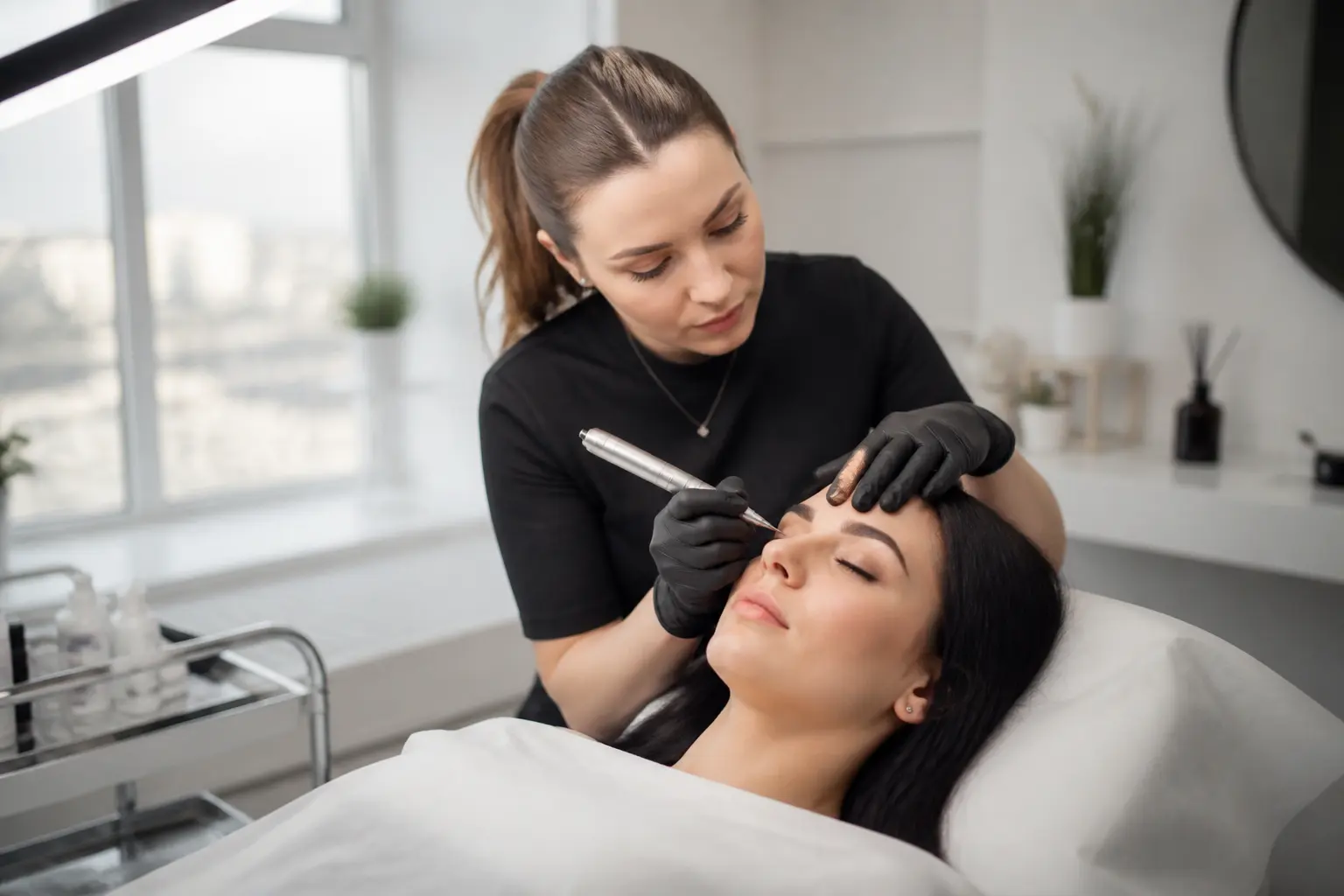
Freshly healed microblading rarely looks exactly the same forever. Over time, many clients notice that the colour appears lighter, the individual strokes look softer, or the overall brow effect no longer feels as crisp as it once did. This gradual change is a normal part of living with semi-permanent brow work, but it does not mean every brow needs an immediate top-up.
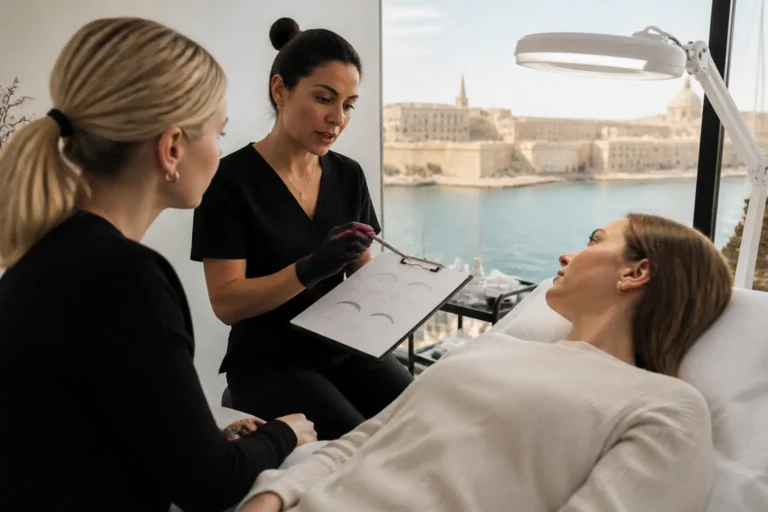
A well-timed microblading refresh session is about more than putting colour back into the skin. It is an opportunity to look carefully at the remaining pigment, your natural brow growth, your current skin condition and whether the original shape still works for your face and routine. At a professional studio, that assessment comes before any decision to add pigment.
For clients in Malta, this matters particularly because daily sun exposure, swimming, skincare habits and an active outdoor lifestyle can all influence how brows appear over time. The goal is not to chase the darkest possible result. It is to maintain a balanced, natural-looking enhancement that still feels like you.
Why microblading pigment becomes softer over time
Microblading and other forms of eyebrow micropigmentation place pigment beneath the skin to create the appearance of fine hairs, soft shading or added definition. The result is long-lasting, but it is not fixed in the way brow pencil sits on the surface of the skin.
Once the area has healed, the pigment is seen through the skin rather than directly on top of it. As months and years pass, several factors can change the way that colour and detail are perceived. The process is individual, which is why two people who had brow work at a similar time can see different levels of softness later on.
Your skin changes continuously
Skin is living tissue. It renews itself, responds to weather, produces oil, and changes with age, hormones and daily care. These normal processes can affect how clearly pigment is visible. Areas that are naturally oilier may make delicate hair strokes appear less sharp sooner than drier skin, while very dry or reactive skin may need its own careful approach during any future work.
The original technique also matters. Fine strokes are designed to look light and hair-like, so they may naturally become softer rather than remain sharply defined. This can be preferable to an overly dense or heavy-looking brow as time passes.
Sun exposure can affect the appearance of colour
Ultraviolet exposure is one reason facial pigment may gradually lose intensity or change in appearance. A review of permanent make-up notes that pigment can be lost and degraded over time, with UV exposure particularly relevant on facial skin. Read the review of permanent make-up techniques and considerations.
That does not mean avoiding daylight completely. It means taking sensible care of the brow area once it is fully healed, especially in Malta’s bright climate. A hat, shade where practical and daily sun protection suited to your skin can all be helpful parts of a wider skincare routine. Sun care protects more than the look of your brows, so it is worth making it a consistent habit.
Skincare and exfoliation can make a difference
Strong exfoliating routines, peels and products used close to the brow area may affect how the skin looks and behaves over time. Retinoids, acids and other active ingredients are not automatically a problem, but they should be discussed when you are planning a refresh. A practitioner needs to know what you use so they can advise on appropriate preparation and timing.
This is especially important if you have changed your routine since your original appointment. The skincare that suits your face today may be different from what you used when the brows were first created.
Healing and retention are personal
There is no universal calendar for pigment retention. Skin type, lifestyle, aftercare, previous brow work and the original technique all contribute to the healed result. Research reviews on microblading also highlight the importance of individual assessment, including skin characteristics, sun exposure and skincare history. See the clinical overview of microblading and factors considered before treatment.
For this reason, a refresh should never be promised at an identical interval for every client. One person may feel that their brows still look balanced, while another may notice that a few areas have become pale or disconnected from their current natural brow hairs.
Softening is not always a sign that you need more pigment
It is easy to see lighter brows and assume that more pigment is the only answer. In practice, a professional will first consider whether a refresh is appropriate at all.
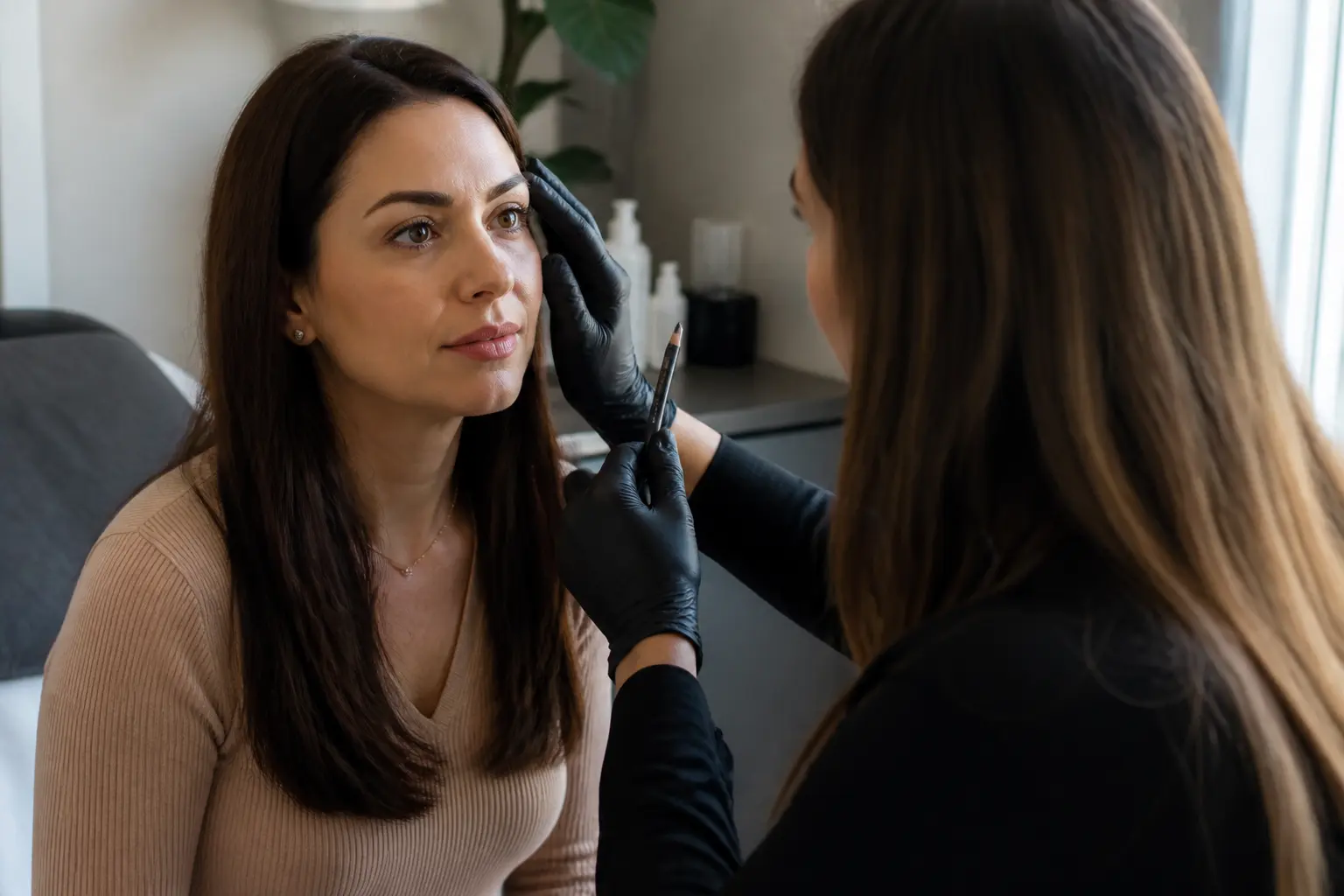
Sometimes the brows have softened in a flattering way and only need everyday styling. A brow tint, henna or threading and design appointment may be a better fit if your main concern is the natural hairs rather than the underlying pigment. In other cases, a full reassessment is needed because the shape, colour or previous pigment is no longer suitable for adding new work over the top.
A refresh is not intended to make brows increasingly darker at every visit. Repeatedly adding pigment without assessing what remains can compromise the soft, natural effect many clients want. Thoughtful maintenance prioritises clarity, balance and respect for the skin.
Signs it may be time to ask about a microblading refresh session
You do not need to diagnose your brows at home. Still, the following changes can be useful reasons to arrange a professional consultation:
- The overall colour looks noticeably lighter than it did after healing.
- Hair strokes have become soft or patchy, particularly in parts of the brow that once gave the shape structure.
- Your natural brow pattern has changed, so the previous enhancement no longer blends as naturally as it once did.
- You are relying on pencil every day to restore the definition you originally enjoyed.
- The colour no longer looks in harmony with your hair colour, skin tone or preferred make-up style.
- You have had previous brow work elsewhere and are unsure whether it can be safely refreshed.
These signs do not guarantee that you will be advised to have more micropigmentation. They simply make an assessment worthwhile. A close look at the brow area is the responsible first step.
What happens during a professional refresh assessment
Before planning any semi-permanent brow work, a practitioner should assess the existing pigment rather than relying on a photograph alone. Lighting, make-up, tinted brow gel and camera filters can all conceal important detail.
At the appointment, the discussion may cover your original procedure, when it was done, whether you have had one or more touch-ups, how the brows healed, and which products or treatments you now use around the face. Your preferences matter too. You may want to keep the same shape, soften it, adjust the tone or move towards a more subtle effect.
Looking at the remaining pigment
The key question is not simply, “Has it faded?” It is, “What is still present in the skin?” Residual pigment may be faint yet still influence the final appearance of any new work. A skilled assessment considers its placement, tone and distribution before deciding whether a refresh can create a clean result.
This is one reason it is unwise to book a touch-up based only on a general time frame. Brows that look light from a distance may still contain enough underlying pigment that a different plan is needed.
Revisiting shape with care
Faces, preferences and natural hairs can all change. A refresh creates an opportunity to revisit the design, but it is not a licence for dramatic alterations without consideration. Brow mapping helps place any proposed shape in relation to your facial features and natural growth, while preserving a result that feels personal rather than copied from a trend.
At Becammo, eyebrow design is approached with attention to different brow types and backgrounds. The aim is not to force every client into one brow shape, but to find proportion and direction that work for the individual.
Choosing a realistic next step
After the assessment, the appropriate next step may be a refresh, a period of waiting, a non-permanent brow service, or further advice before any procedure is booked. If older pigment requires a different approach, it is better to understand that clearly than to cover it quickly.
Permanent make-up is an area where patience protects choice. The scientific literature on micropigmentation also recognises that pigment behaviour and long-term appearance are complex, rather than identical for every person. Read an overview of micropigmentation and pigment behaviour over time.
How refresh sessions help keep brows looking balanced
When a refresh is suitable, its purpose is to restore coherence. That might mean bringing back definition through sparse areas, refining a faded tone or helping existing brow work blend again with your natural hairs. It is not necessarily a complete recreation of the original appointment.
A careful refresh can be more conservative than the first procedure because there is already a history in the skin. The practitioner works with what remains, not against it. This makes consultation, colour evaluation and a personalised plan especially important.
Clients often describe wanting brows to look “crisp”. In practice, crispness should still be soft enough to suit the face. Brows can have clear structure without looking stamped on, and colour can have presence without becoming too dark. The right balance is guided by the healed pigment, your complexion, hair colour and the amount of natural brow hair available.
How to care for brows between appointments
You cannot control every factor that influences pigment retention, but you can support the appearance of your brows with consistent, sensible care.
- Use daily sun protection once the area is fully healed, and seek shade when you can.
- Tell your practitioner about active skincare, peels, facials or other treatments planned around the brow area.
- Avoid using strong exfoliating products directly over the brows unless they are appropriate for your routine.
- Book threading or brow design appointments when your natural hairs need shaping, instead of trying to reshape the area aggressively at home.
- Keep expectations flexible. Your skin, lifestyle and pigment history are unique.
- Arrange an assessment when you begin to question the colour or shape, rather than repeatedly covering concerns with make-up.
If you have recently changed medication, developed a skin concern, or are considering a facial procedure that may affect the brow area, share that information during your consultation. Clear communication helps the studio recommend the most suitable timing and service.
Refresh versus removal: why the distinction matters
A refresh is for brows where the remaining pigment and overall design can be evaluated as a suitable foundation for further work. It is not the answer for every older result. If pigment has changed in a way that does not support a clean refresh, or if you would prefer to move away from previous work altogether, another route may need to be discussed.
Becammo offers laser removal of old micropigmentation at its Sliema location, following an individual consultation. This is a separate service from a brow refresh, and the right option depends on the condition and history of the existing pigment. No result or number of sessions should be assumed in advance.
The most helpful mindset is to see semi-permanent brow maintenance as a long-term plan, not a one-size-fits-all timetable. Your brows deserve the same considered approach at a refresh appointment as they did at the first one.
Conclusion
Microblading and brow micropigmentation soften over time because skin, pigment and everyday life all interact. Lighter colour or gentler strokes can be completely normal, but deciding what to do next requires more than a glance in the mirror.
If your brows no longer feel as defined as you would like, book a semi-permanent consultation at Becammo in Sliema or Swieqi. A professional assessment can clarify what remains, whether a refresh is appropriate and how to keep your next step aligned with the natural, balanced look you want.
Frequently asked questions
How often should I have a microblading refresh session?
There is no single schedule that suits everyone. Pigment retention varies with skin type, sun exposure, lifestyle, skincare, the original technique and the amount of pigment remaining. Arrange an assessment when you notice a meaningful change in colour or definition.
Will a refresh make my brows darker than before?
Not necessarily. A well-planned refresh is designed around the pigment that remains and the result you want now. The aim is balanced definition, not automatically making the brows darker at every appointment.
Can I refresh old microblading done by another artist?
Possibly, but this must be assessed in person. Existing pigment, its tone, the design and the skin condition all need to be considered before any new work is planned.
Does sun make microblading fade faster?
UV exposure can influence the long-term appearance of facial pigment. Once the brows are fully healed, sensible daily sun protection and shade when practical can support both skin care and the appearance of your brow work.
Can I have threading while my microblading is fading?
Threading can be useful for shaping the natural brow hairs around healed brow work. Tell the practitioner about your micropigmentation history so the design can be approached with care.
What if I do not want a refresh?
You do not have to refresh simply because the pigment has softened. Depending on your brows and preferences, you may choose to style the natural hairs, use make-up, explore a non-permanent brow service or discuss other options during a consultation.