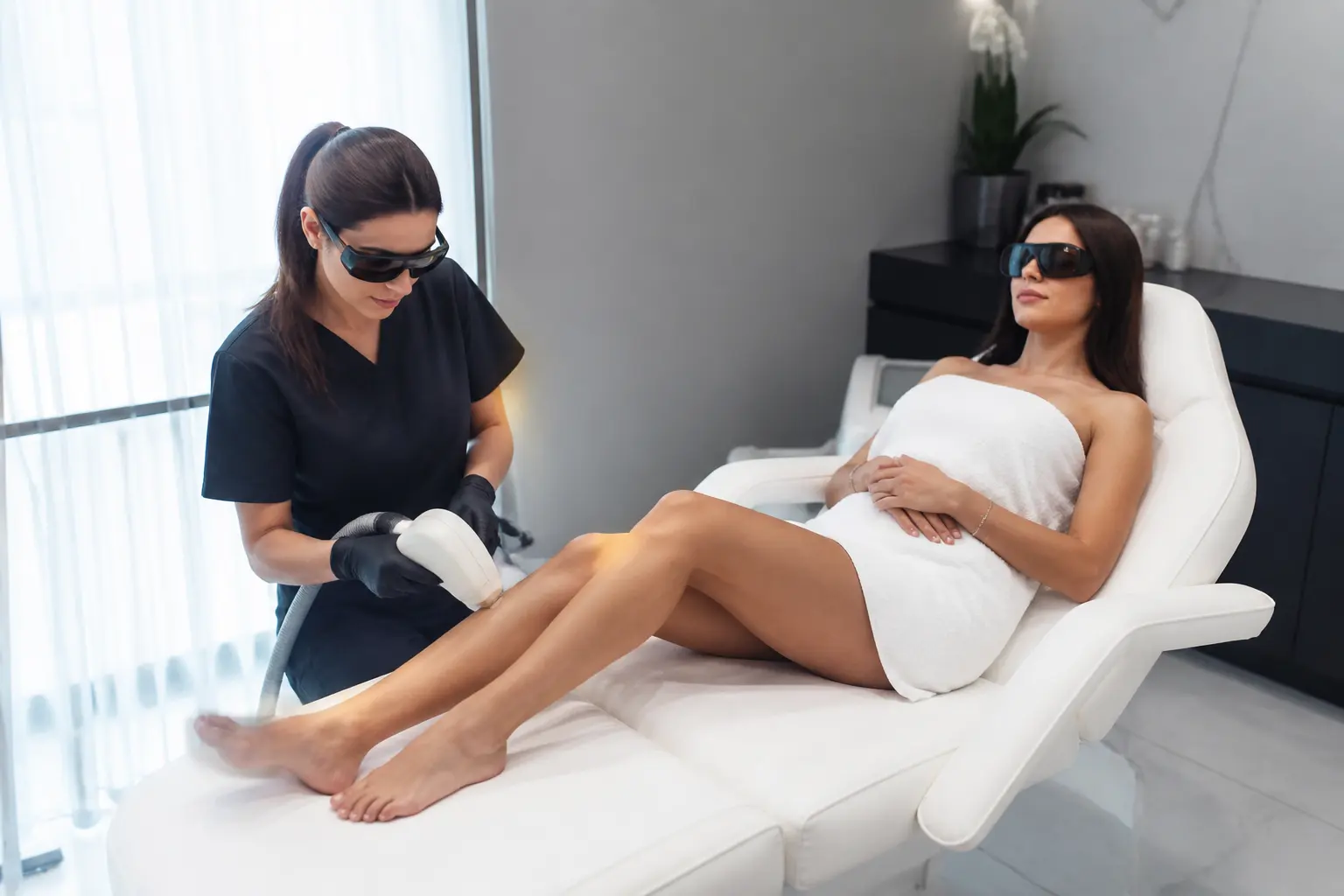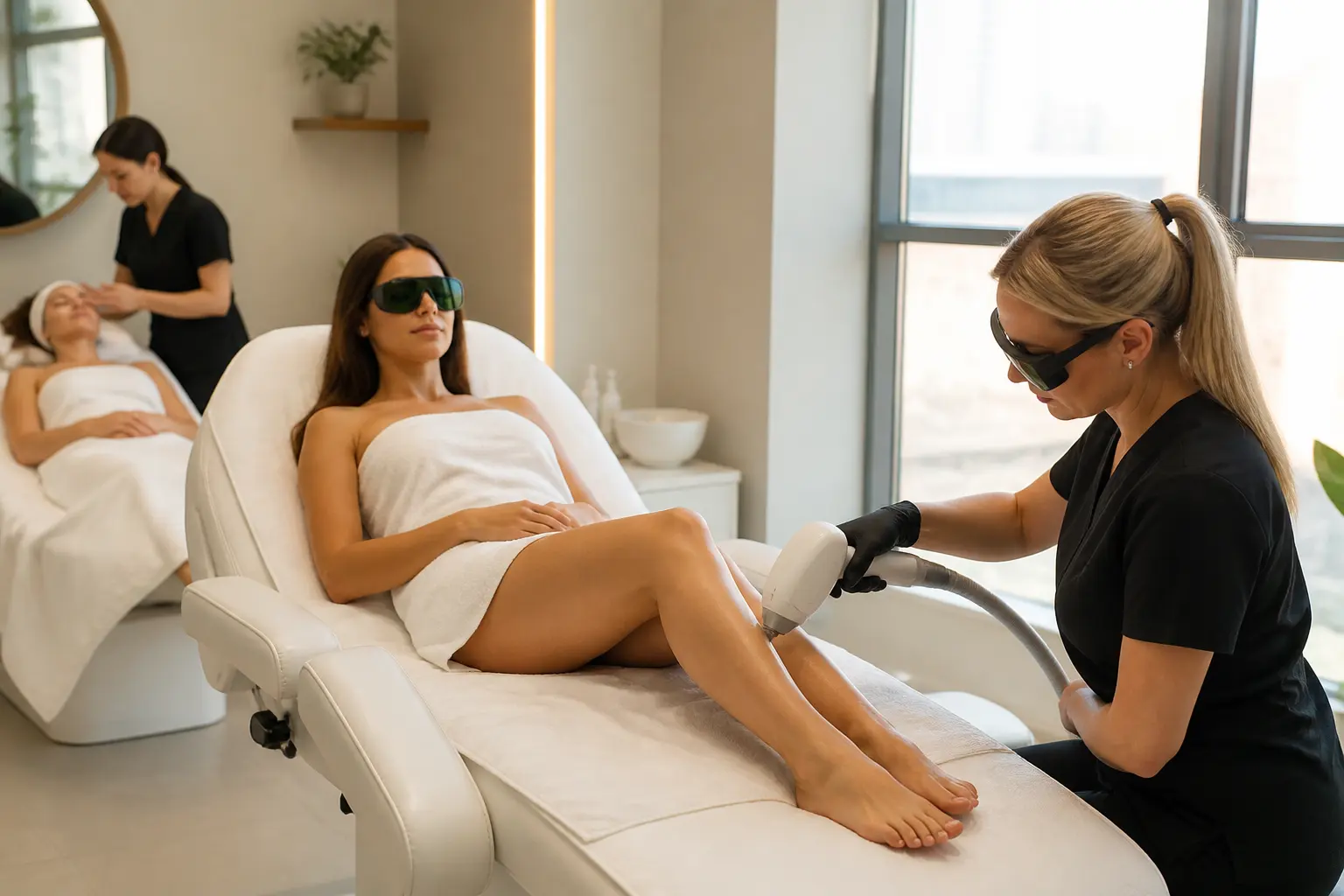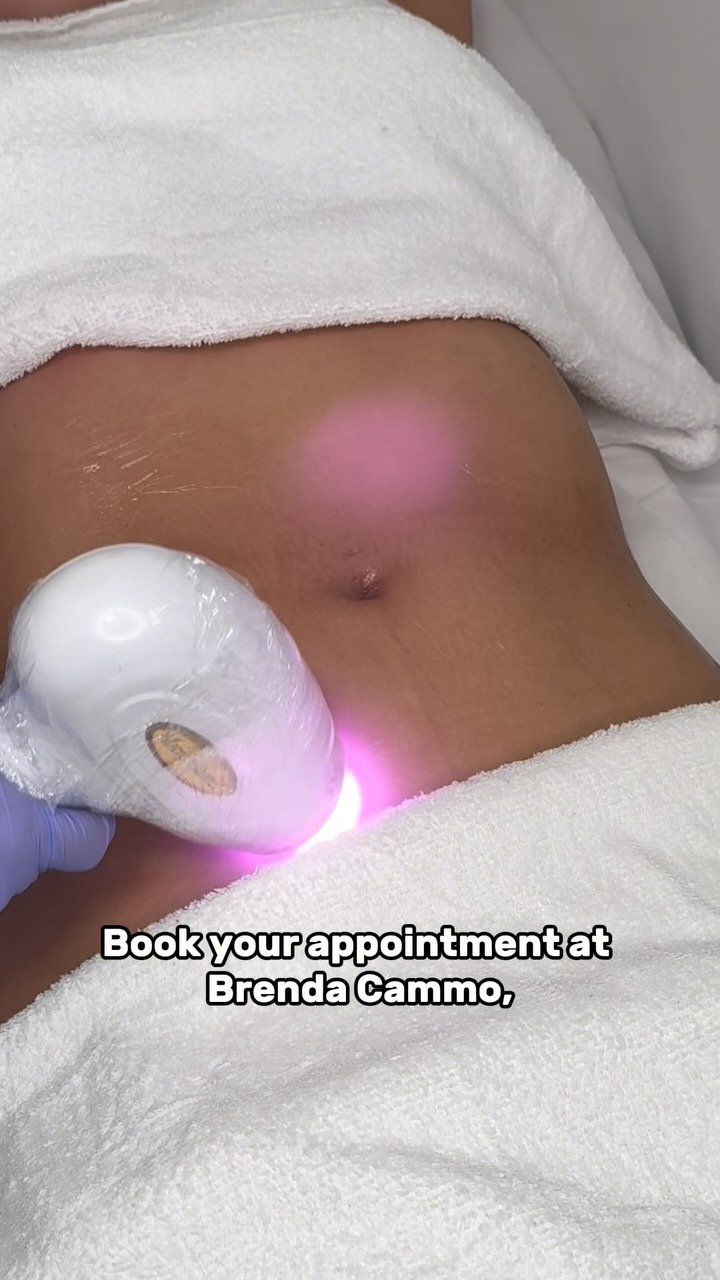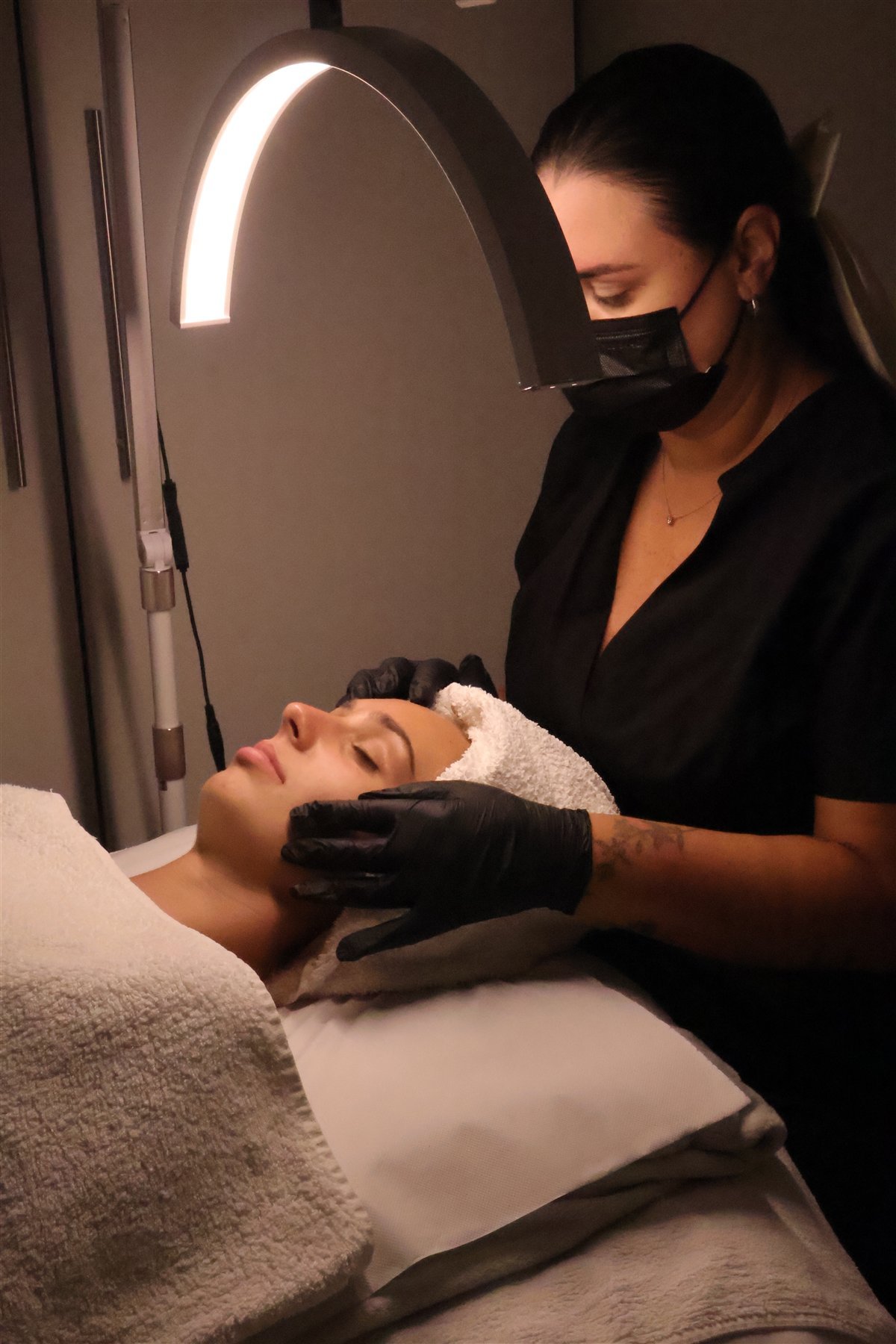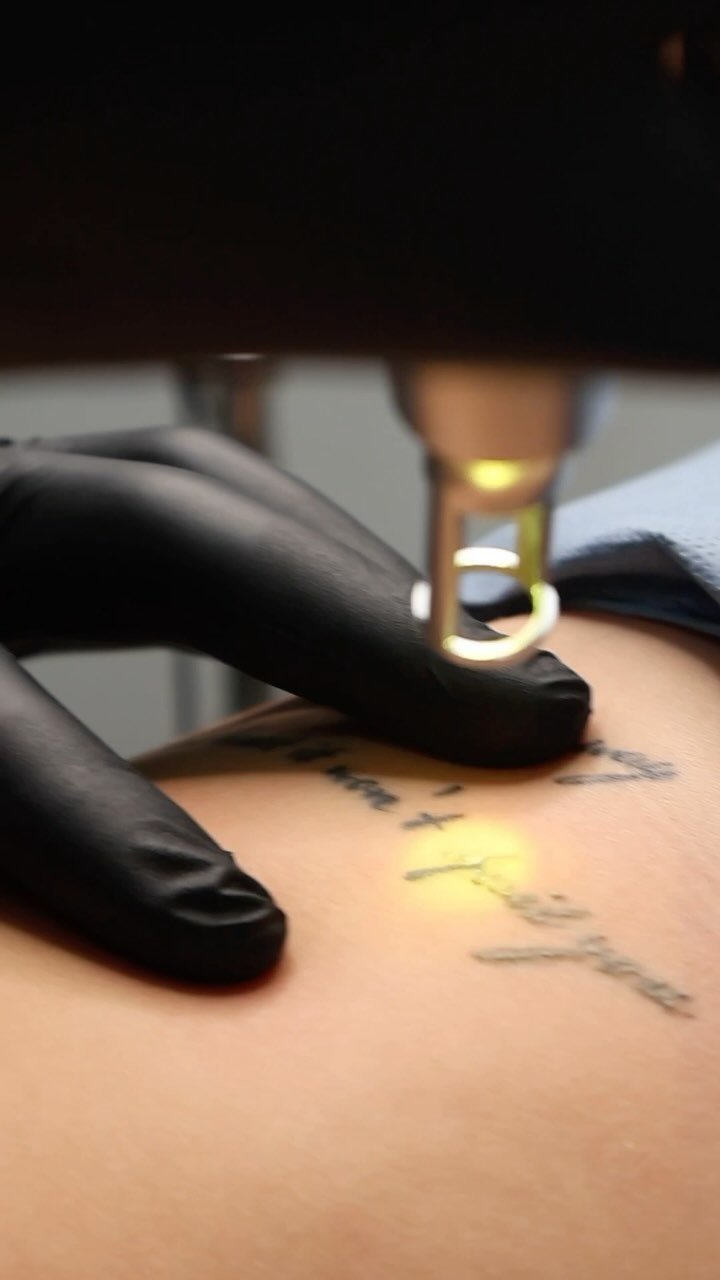
After laser hair removal, keep the first 24 to 48 hours low-key: avoid direct sun, hot baths, steam rooms and strenuous exercise. Wait for the swimming interval your studio gives you and only return to the pool or sea once the skin is calm and intact. Strong sun exposure should be avoided throughout a course of treatment, and a fresh tan may mean your next session is postponed.
A laser hair removal appointment can fit beautifully into life in Malta, but it does need a little planning when your week includes beach days, hotel pools, boat trips or long afternoons outdoors. The key question is usually simple: when can you swim or go in the sun after laser hair removal?
There is no single timetable that suits every person, body area or laser setting. Your skin’s response, your recent sun exposure and the advice given at your appointment all matter. Still, it is sensible to treat the days immediately after a session as a quieter window for the treated skin, particularly in Malta where strong sunshine, heat, sea water and pool chemicals can all be part of everyday plans.
This guide explains how to organise laser sessions around swimming and sun exposure, what to do if you have holiday plans, and when it is best to contact your studio before making assumptions.
Why do swimming and sunshine need extra thought after laser?
Laser hair removal works by directing energy towards pigment in the hair follicle. After a session, the treated area may feel warm, look temporarily pink or feel more sensitive than usual. Even when the skin looks normal, it is worth avoiding unnecessary heat, friction and irritation while it settles.
Swimming can add a few variables at once. Pool water may contain chlorine and other chemicals, while sea water, sand, salt, swimwear and towel-drying can all create friction or dryness. A pool deck or beach day also tends to involve significant UV exposure. This is why aftercare is about more than simply asking whether the water itself is allowed.
Published laser aftercare guidance differs between services, which is a useful reminder not to apply a generic rule blindly. For example, Leeds Teaching Hospitals NHS Trust advises avoiding swimming, strenuous exercise, saunas and steam rooms for 7 to 10 days after laser treatment, while Salisbury NHS Foundation Trust advises avoiding swimming for 2 to 3 days and longer if the skin has not healed. Your own aftercare plan should therefore come directly from the professional carrying out your session.
How should you time laser sessions around sun and swimming in Malta?
Think of your laser session as an anchor point in your diary. Rather than booking it between a beach morning and a sunset swim, give yourself room on either side. The exact interval should be confirmed with your therapist, especially if you have sensitive skin, a recent tan, a history of irritation or a treatment area that is likely to rub against clothing.
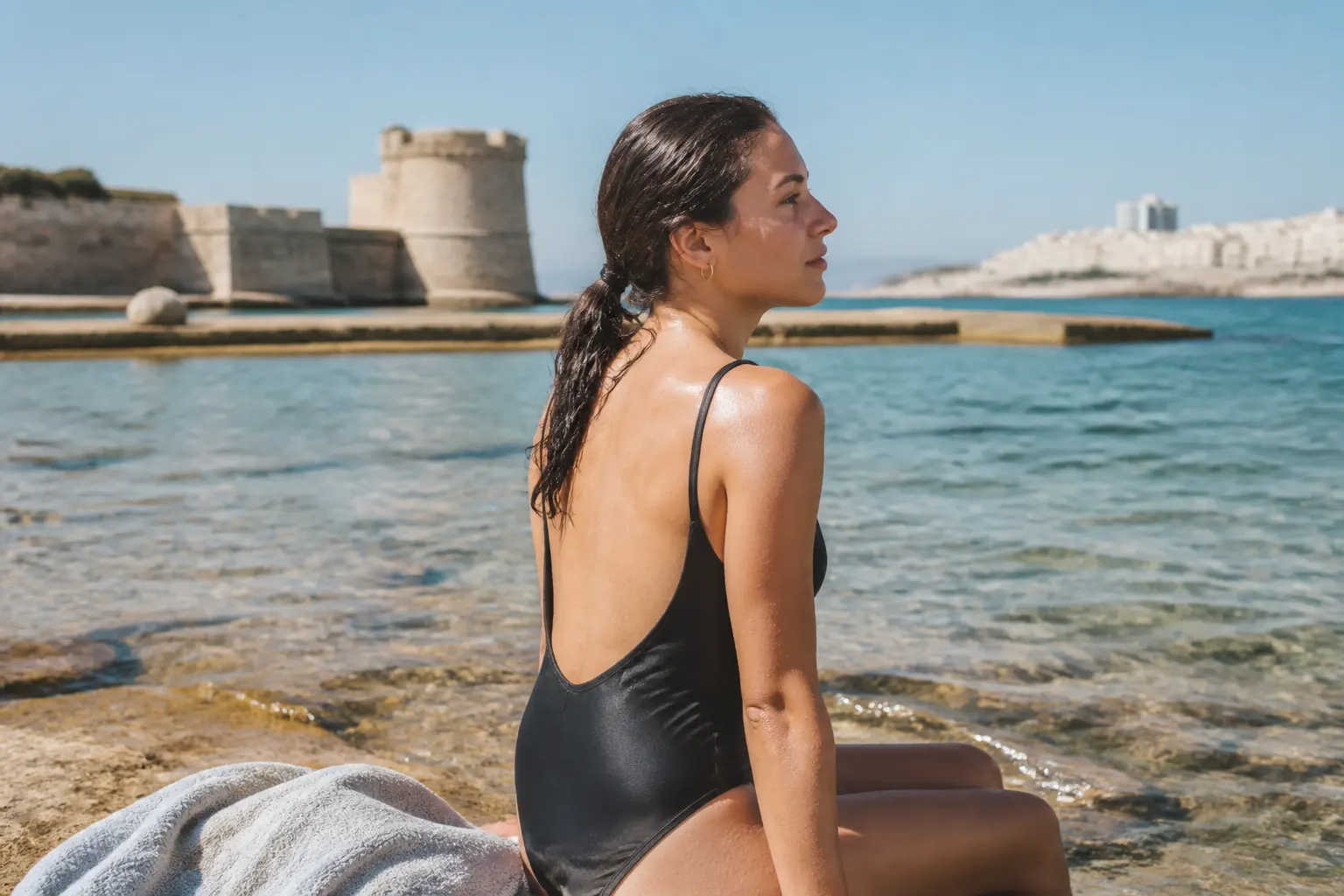
Before your appointment
Try not to arrive with recently tanned, sunburnt or irritated skin. A tan changes the contrast between hair and skin, and may mean the appointment needs to be postponed or the settings reviewed for safety. This includes deliberate sunbathing, tanning products and unplanned colour picked up during a full weekend outdoors.
If you know you have a beach break, boat day or pool holiday coming up, mention it when you book. It is much easier to schedule a session around your plans than to risk losing an appointment because of recent sun exposure.
In the days before treatment, follow the preparation instructions given by your studio. Shaving is commonly used to prepare an area, while waxing, threading, epilating or plucking can interfere with the hair target needed for a laser session. Do not guess which hair-removal method applies to you. Ask if you are unsure.
The first 24 to 48 hours
The first day or two are best kept deliberately low-key. Avoid direct sun, hot baths, very hot showers, steam rooms and strenuous exercise unless your therapist has specifically told you otherwise. Choose loose, breathable clothing if the area is on the body, and avoid rubbing it with tight waistbands, bra straps or rough fabrics.
For a Malta summer appointment, this may mean planning indoor errands, shaded travel and a calm evening rather than a long walk along the promenade. If the treatment area cannot be covered easily, postpone outdoor plans where possible. Sunscreen is useful as part of a wider sun-protection routine, but it does not turn prolonged direct sun exposure into a good idea immediately after treatment.
Follow your therapist’s product advice carefully. Some laser aftercare protocols ask clients to leave the area free from products for a short period to avoid rubbing or irritation. If a product stings, feels hot or makes the area more uncomfortable, stop using it and contact the studio for advice.
When can you swim after laser hair removal?
For swimming after laser hair removal, plan to wait for the interval your studio has given you and make sure the skin is calm and intact before returning to a pool or the sea. A cautious schedule is particularly valuable after treatment on areas that will experience rubbing from swimwear, such as the bikini line, underarms, legs or chest.
If you have redness, tenderness, swelling, broken skin, blistering, scabbing or any unexpected reaction, do not swim. Contact the studio for guidance first. Do not try to cover a reaction with heavy products or scrub the area before a beach day.
Once you have been cleared to swim, keep the first return gentle. Rinse the area with fresh water afterwards, pat it dry rather than rubbing, and avoid sitting in damp swimwear for a long time. If the treated skin becomes uncomfortable, stop and give it more recovery time.
When can you be in the sun after laser hair removal?
Strong sun exposure should be avoided during a course of laser hair removal, not only on the day after a session. The skin needs to remain protected so that each appointment can be assessed safely and scheduled appropriately. This matters in Malta even outside peak summer, because bright days, reflective water and long lunches outdoors can add up quickly.
The Health Promotion and Disease Prevention Directorate in Malta advises seeking shade and avoiding direct sunlight during the middle of the day, generally around 11:00 to 16:00. The World Health Organization also recommends checking the UV Index, seeking shade from moderate levels upwards, and taking stronger precautions when the index is high.
For laser clients, that translates into a practical habit: check the UV Index, cover treated areas with clothing where possible, plan outdoor errands earlier or later in the day, and use the sun protection your therapist recommends once they confirm it is appropriate to apply. A high-factor sunscreen should support your plan, not replace shade and clothing.
At BeCammo · Sliema · Swieqi
Laser hair removal in Malta
Underarm, before and after laser hair removal.
Diode laser hair removal for women and men, suitable for different skin tones.
- from €20price
- Sliema · Swieqiwhere
- ★ 5.0460+ Google reviews
Pool, sea or lido: does the type of swimming matter?
All types of swimming deserve the same basic question: is the treated skin fully settled, and has the studio cleared you to return? The details can then help you make a more thoughtful choice.
- Swimming pools: Chlorinated water may feel drying or irritating on recently treated skin. Poolside sun exposure can be just as relevant as the time in the water.
- The sea: Salt water, sand and wind can be uncomfortable on sensitive skin. A sea swim often involves a longer period outdoors before and afterwards.
- Hotel and rooftop pools: These can feel convenient, but the combination of water, heat and direct sunlight still counts. Do not assume a quick dip carries no aftercare considerations.
- Spas and hot tubs: Heat is the issue here as much as water. These are usually best left until the timeframe given by your therapist has passed.
Remember that your appointment may be delayed if you turn up with a fresh tan. This is often frustrating before a holiday, but it is better to have an honest assessment than to rush a session at the wrong time.
How do you schedule laser sessions around holidays and beach plans?
A little forward planning makes laser hair removal far easier to maintain in a sunny location. Start by looking at your actual calendar, not an ideal one. Include boat trips, weddings, pool parties, outdoor work, sports days and weekends when you know you will spend more time outside.
- Book your consultation early. This gives you time to discuss your skin, hair, usual sun exposure and any planned travel.
- Leave a buffer before a beach holiday. Your therapist can advise on the right timing based on the service and your response to previous sessions.
- Do not chase a tan between sessions. If you are undergoing a course, consistent UV protection is more helpful than repeatedly needing to pause or reschedule.
- Choose practical treatment days. A weekday when you can work indoors or stay out of the sun may be easier than a Friday before a full outdoor weekend.
- Be honest at check-in. Tell your therapist about recent sun exposure, tanning products, skin changes and any reaction after your last session.
For visitors to Malta, it may make more sense to book laser hair removal when you can spend the following days away from intense sun, rather than squeezing it into a beach-centred itinerary. Residents can also find that a morning or evening appointment on a quieter week is easier to protect than one immediately before a major outdoor event.
What if you accidentally get sun after a session?
Do not panic, but take it seriously. Move into shade, cover the area with loose clothing where possible and avoid adding more heat or friction. Do not exfoliate, pick at the skin or apply unfamiliar active products in an attempt to fix the situation.
Contact your studio if you notice persistent discomfort, unusual swelling, blistering, scabbing, marked changes in colour or any reaction that concerns you. NHS laser guidance similarly advises seeking professional advice when blistering, scabbing, crusting or weeping occurs. Leeds Teaching Hospitals NHS Trust notes these symptoms as reasons to contact the laser service.
It is also important to mention the exposure before your next appointment. A professional can decide whether your skin is ready to continue or whether waiting is the more sensible option.
What should you ask before booking laser hair removal in Malta?
Clear communication is part of good laser care. Before your first session, ask practical questions that reflect your lifestyle rather than relying only on general online advice.
- How long should I avoid swimming after this specific treatment?
- When can I return to direct sun exposure, and what protection do you recommend?
- What should I do if I have a beach day or holiday planned?
- Which products should I avoid immediately after my session?
- What signs mean I should contact the studio before my next appointment?
- Could recent tanning affect whether I can be treated today?
At a professional studio, these questions should be welcomed. The goal is not to create an unrealistic routine. It is to organise your sessions around real life while giving your skin the consideration it needs.
Frequently asked questions
Can I swim the day after laser hair removal?
Do not assume that next-day swimming is suitable. Aftercare intervals vary, so follow the guidance provided for your session. If the area is still red, sensitive or otherwise unsettled, wait and contact the studio for advice.
Can I go to the beach after laser hair removal if I use sunscreen?
Sunscreen is an important part of sun protection, but it is not a reason to spend prolonged time in direct sun immediately after a laser session. Shade, clothing and careful scheduling are also important, especially during Malta’s brighter months.
Does sea water irritate skin after laser hair removal?
It can be uncomfortable on skin that is still sensitive. Salt water, sand, wind and rubbing from swimwear may all add irritation. Wait for the aftercare window provided by your therapist and return only when the skin is calm.
What if I have a tan before my laser appointment?
Tell the studio before your appointment. Recently tanned skin may affect whether treatment can go ahead safely, so the session may need to be reviewed or rearranged.
Should I book laser hair removal before or after my Malta holiday?
Often, booking after a sun-focused holiday is easier, but the right answer depends on your planned exposure and the advice from your therapist. Arrange a consultation early if you want to build a course around travel dates.
Laser hair removal works best as a planned course rather than a last-minute addition to a beach itinerary. If you are deciding how to fit sessions around swimming, sunshine or an upcoming holiday in Malta, book a consultation and share your plans openly. Your therapist can help you choose a timetable that is realistic for your skin and your lifestyle.