Sleeping With Eyelash Extensions: Positions and Pillowcase Tips
Brenda Cammo Team
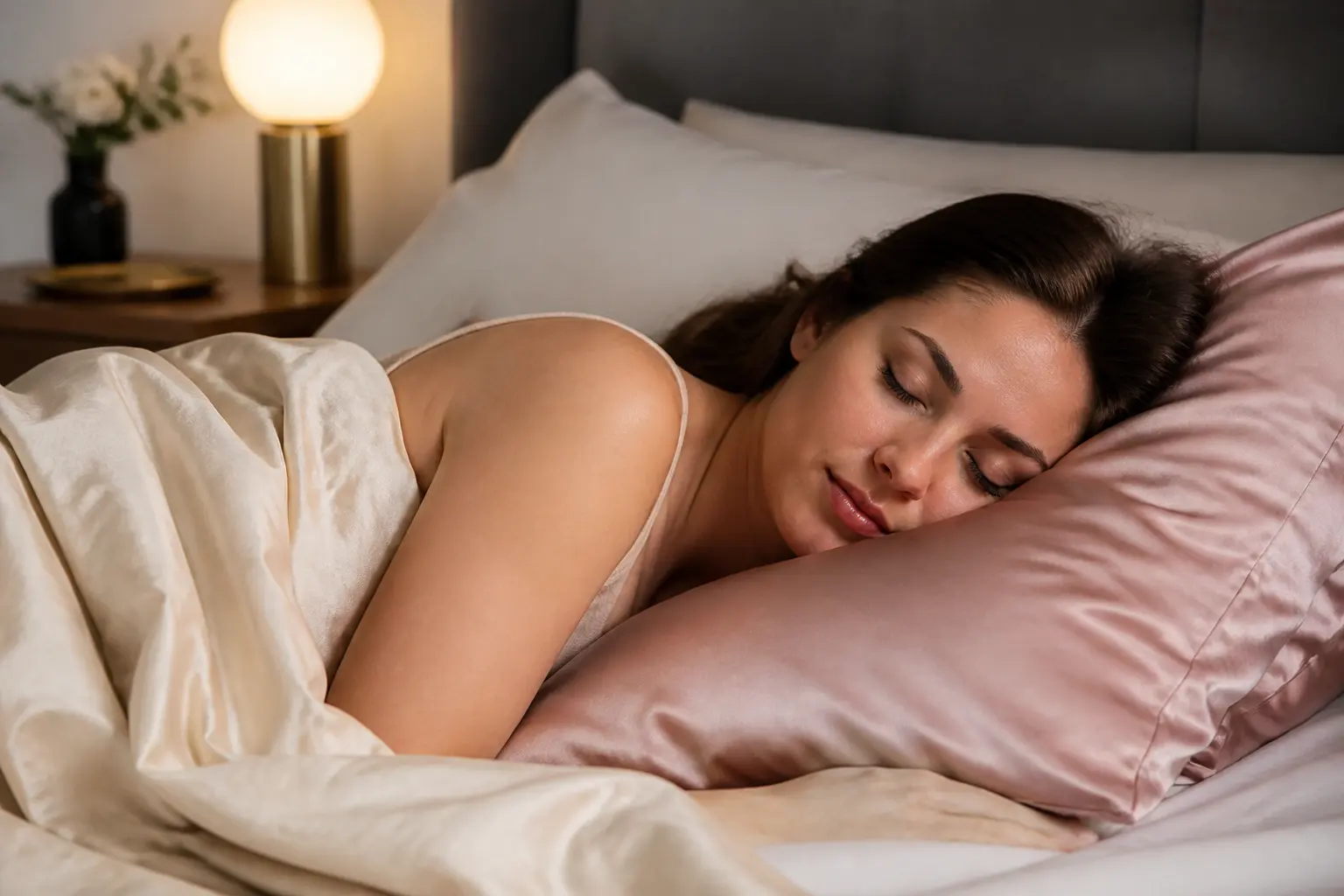
Sleeping with eyelash extensions should not mean changing every part of your bedtime routine. It does, however, help to be more aware of where your lashes meet the pillow. Night-time pressure, friction and rubbing can leave extensions looking twisted, uneven or less polished by morning, particularly if you naturally sleep face down or move frequently during the night.
The aim is not perfection. Most people do not stay in one position until morning, and waking on your side once does not mean you have spoiled your set. Instead, a few practical choices can make your routine more lash-friendly: start in a position that keeps your face clear of the pillow, use a smoother pillowcase if it suits you, and avoid habits that make you rub or press the eye area.
If you are considering eyelash extensions in Malta, it is also worth discussing your usual sleeping habits at your appointment. A professional lash artist can help you understand the aftercare that fits your chosen style, your natural lashes and your everyday routine.
Why sleep can affect eyelash extensions
Eyelash extensions are attached individually or in carefully created fans to natural lashes. As your natural lashes complete their normal growth cycle, extensions shed with them. That natural shedding is expected. Overnight contact is different: repeated pressure or dragging against bedding may disturb the direction of the extensions, especially where one side of the face regularly meets the pillow.
For many clients, the issue is not that a pillowcase causes all lash shedding. It is that several small factors can build up over time. These can include sleeping with the face pressed into the pillow, rubbing tired eyes, using rich eye products too close to the lash line, or waking with lashes bent in different directions.
A calm evening routine helps reduce those avoidable stresses. Good aftercare should still feel realistic, whether you are at home in Sliema, staying in Swieqi, travelling, or simply trying to get a comfortable night’s sleep.
The best sleeping positions for lash extensions
Back sleeping, the lowest-contact option
Sleeping on your back gives your extensions the greatest chance of staying clear of the pillow. With less direct contact around the eyes, there is less opportunity for the lashes to be pressed flat, caught against textured fabric or pushed to one side.
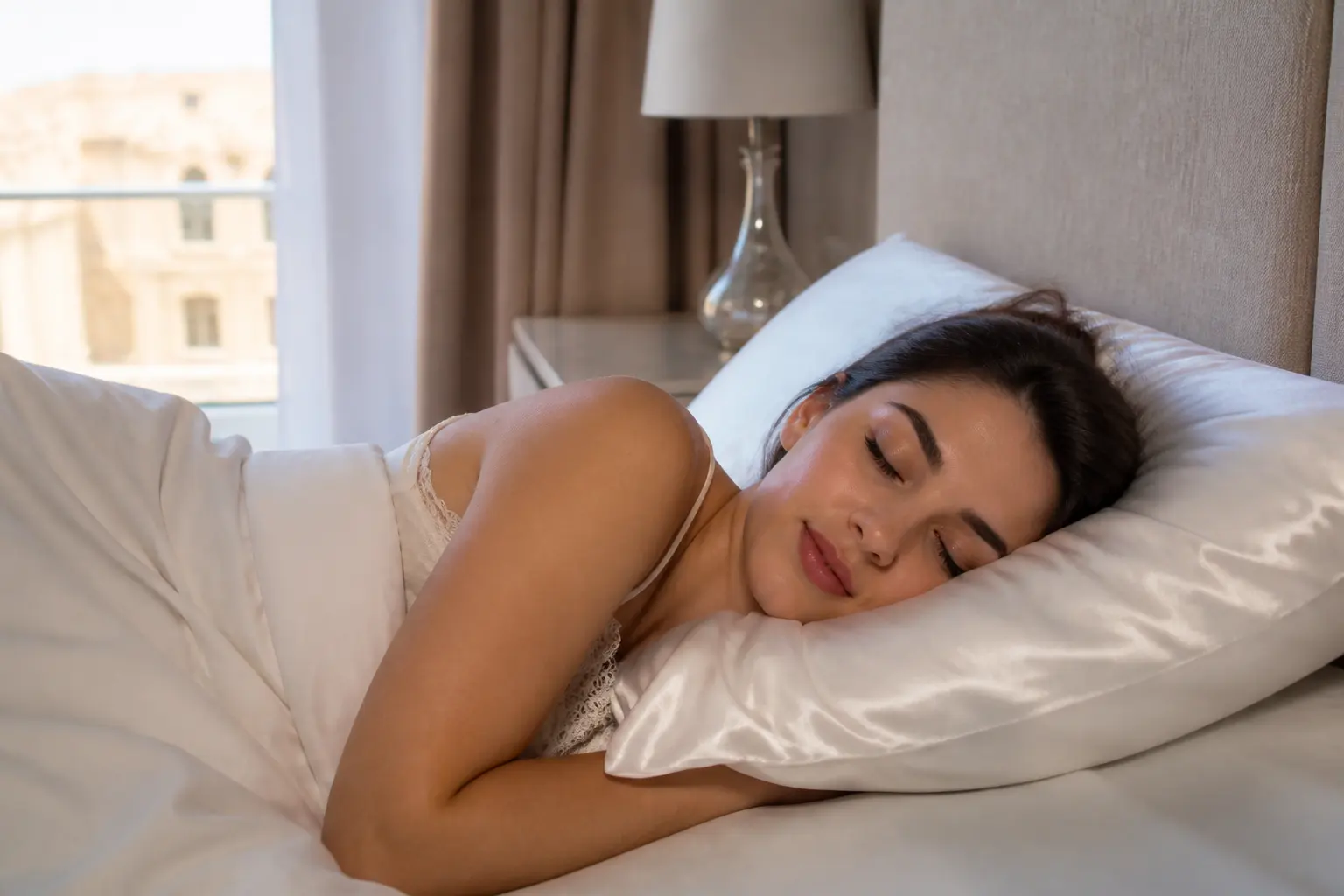
You do not need to force yourself into an uncomfortable position to protect your lashes. If back sleeping already feels natural, a supportive pillow that keeps your head comfortably centred may be all you need. Some people also find that placing a pillow beside each arm makes it easier to settle without rolling forward immediately.
It is not necessary to sleep upright, buy specialist equipment or worry about every small movement. Starting the night on your back is a sensible, uncomplicated habit.
Side sleeping, workable with a little care
Side sleeping is common, comfortable and entirely realistic for many people. The main consideration is that one eye area may spend more time against the pillow than the other. You may notice that the lashes on your usual sleeping side need more gentle tidying in the morning, or that this side loses its neatness sooner between infills.
If you sleep on your side, try to position your head so your cheek and temple take more of the pillow contact than the eye area. A pillow that supports the neck well can make this easier. Avoid deliberately pushing the eye into the pillow in an attempt to get comfortable.
A smooth pillowcase is particularly useful for side sleepers. It cannot stop all movement, but it can create a less grabby surface than a rough or worn fabric. The goal is to reduce friction, not to make a promise that your lashes will never move.
Front sleeping, the position to reduce where possible
Sleeping on your front tends to place the most direct pressure on the lashes. Your face can press into the pillow for long periods, and the extensions may be pushed upwards, sideways or into the eyelid. Over time, this can make the set appear less even and can encourage more touching or brushing when you wake up.
If front sleeping is your usual position, do not assume you must change overnight. Begin with one modest adjustment: start on your side or back, use a smoother pillowcase, and choose a pillow arrangement that makes turning fully face down less tempting. Small changes are often more sustainable than a strict rule that disrupts your rest.
Choosing a pillowcase for eyelash extensions
A pillowcase matters because it is the surface your face and lashes meet repeatedly. Cotton pillowcases are widely used and are not automatically a problem. However, a rough, heavily textured or older cotton case may create more drag when you move your face across it.
Silk and satin pillowcases are popular choices because they feel smoother against the skin and lashes. They can be particularly helpful if you sleep on your side, move around a lot, or regularly wake with one side of your extensions looking less aligned. The right choice is the one you will wash and use consistently.
Silk versus satin: what is the practical difference?
Silk is a natural fibre, while satin describes a smooth weave and can be made from different fibres. For lash aftercare, the practical feature is the smooth finish. Both can be a reasonable choice when they feel comfortable, fit your pillow properly and are kept clean.
There is no need to buy the most expensive option simply because it is labelled as beauty bedding. Focus on a pillowcase that is soft, smooth and easy for you to maintain. If a fabric feels slippery in a way that stops you sleeping well, it is unlikely to become a useful long-term habit.
What to look for when buying one
- A smooth surface with no raised embroidery, sequins or scratchy trims where your face rests.
- A secure fit that does not bunch up or twist around the pillow during the night.
- A washable fabric, so you can keep bedding fresh without complicated care.
- A spare pillowcase, especially if you use skincare, hair products or self-tan regularly.
- A colour and finish you genuinely like, because practical aftercare works best when it fits your routine.
Fresh bedding is useful for comfort and cleanliness around the face. If you apply leave-in hair products, heavy moisturiser or oils before bed, changing your pillowcase regularly also helps prevent those products from transferring repeatedly near the eye area.
A simple bedtime routine for lash extension clients
The best bedtime routine is gentle and repeatable. It should not involve pulling, picking or trying to over-correct every lash before you sleep.
- Remove eye make-up carefully. Use products your lash artist has confirmed are suitable for extensions. Avoid rubbing back and forth across the lash line.
- Cleanse as advised. Clean lashes are easier to keep looking separated than lashes carrying make-up, skincare residue or daily buildup.
- Dry before brushing. Do not brush extensions while they are soaking wet. Let them dry, then use a clean spoolie with a light upward motion if your artist has advised this as part of your aftercare.
- Keep rich products away from the lash line. Apply eye cream carefully and avoid letting oils or balms travel into the extensions while you sleep.
- Settle into your chosen sleep position. Start on your back or in a side position that does not press your eye directly into the pillow.
It is also sensible to keep hands away from the eyes when you are falling asleep. If you often rub your eyes because of tiredness, dry indoor air or an ingrained habit, mention this at your appointment. Your lash artist can offer practical aftercare guidance, while persistent eye discomfort should be discussed with an appropriate healthcare professional.
Can you wear a sleep mask with eyelash extensions?
A standard flat sleep mask may rest directly over the eyelids and lashes. That can create pressure and friction, especially if the mask shifts through the night. If you use a mask because of light sensitivity, travel or shift work, look for a contoured design with structured eye space. The inside should sit away from the extensions rather than flattening them.
Try the mask before relying on it overnight. With clean, dry lashes, put it on gently and blink normally. If you can feel the mask touching, catching or bending your extensions, it is not the right shape for your set. A mask should feel secure without being tight.
After a fresh full set or infill, follow the specific guidance from your lash artist first. Product systems and appointment protocols can differ, so personal advice from the professional who has seen your lashes should always lead your routine.
What to do if your extensions look bent in the morning
Do not panic and do not pull at them. A few lashes that have shifted slightly after sleep can often be tidied with a clean spoolie once they are dry. Brush lightly from underneath and upwards, using minimal pressure. The purpose is to guide lashes back into a neat direction, not to force them into place.
If a fan looks closed, twisted or attached in an unusual position, avoid trying to separate it with nails, tweezers or a pin. Picking can put unnecessary tension on your natural lash. Take a clear photo in natural light and ask your lash artist for advice, particularly if you have discomfort, redness or persistent irritation.
Common overnight mistakes to avoid
- Sleeping with your face firmly pressed into the pillow whenever possible.
- Using a flat eye mask that touches the lashes.
- Going to bed with eye make-up, cleanser residue or heavy products around the lash line.
- Rubbing your eyes through the pillow or with your hands when tired.
- Trying to pull out an extension that looks out of place.
- Using an eyelash curler on extensions.
- Assuming a silk or satin pillowcase replaces cleansing and professional aftercare.
Professional aftercare guidance commonly recommends avoiding direct face-down pressure, keeping the lash area clean and using a smooth pillowcase if it supports your sleeping habits. For an example of these general recommendations, see this eyelash extension aftercare guide. Your own lash artist’s advice remains the most relevant guidance for your appointment.
When to book an infill rather than trying to fix lashes at home
Extensions naturally become less full as natural lashes shed, and an infill is the professional way to restore balance. If the set is looking sparse, uneven or difficult to brush into place, booking an infill is usually more effective than adding mascara, using adhesive products or attempting home repairs.
At a professional appointment, the lash artist can assess the remaining extensions, remove any that have grown out or are no longer sitting correctly, and work with your natural lash condition. This keeps the focus on a neat, comfortable result rather than trying to stretch a set beyond the point where it still looks its best.
Conclusion
Sleeping with eyelash extensions is mainly about reducing repeated pressure and friction, not achieving a flawless sleep position every night. Back sleeping is the lowest-contact option, side sleeping can work well with thoughtful pillow support, and front sleeping is worth reducing where you can. A clean silk or satin pillowcase can be a useful addition, especially if you tend to move in your sleep.
For personalised advice on lash extensions, aftercare and the style that suits your routine, book an appointment with Becammo in Sliema or Swieqi. A professional consultation is the best place to ask about sleep habits, eye products and maintaining a comfortable, polished set between appointments.
Frequently asked questions
Can I sleep on my side with eyelash extensions?
Yes. Side sleeping is common. Try to avoid pressing your eye directly into the pillow, and consider a smooth silk or satin pillowcase to reduce friction as you move.
Is a silk pillowcase necessary for eyelash extensions?
No. It is an optional, practical choice rather than a requirement. It may be helpful if you are a side sleeper or notice your lashes becoming less aligned on one side.
Will sleeping on my front ruin my eyelash extensions?
One night is unlikely to determine the condition of your whole set. Regular face-down pressure, however, can make extensions more likely to look bent, uneven or untidy. Reducing this position can support better day-to-day wear.
Can I wear an eye mask with lash extensions?
Choose a contoured mask with enough space around the eyes, rather than a flat mask that presses directly on the lashes. If the mask touches your extensions when you blink, use another option.
What should I do if I wake up with crossed lashes?
When the lashes are dry, gently brush them with a clean spoolie. Do not pull, pick or use tweezers. If they remain twisted or uncomfortable, contact your lash artist for advice.