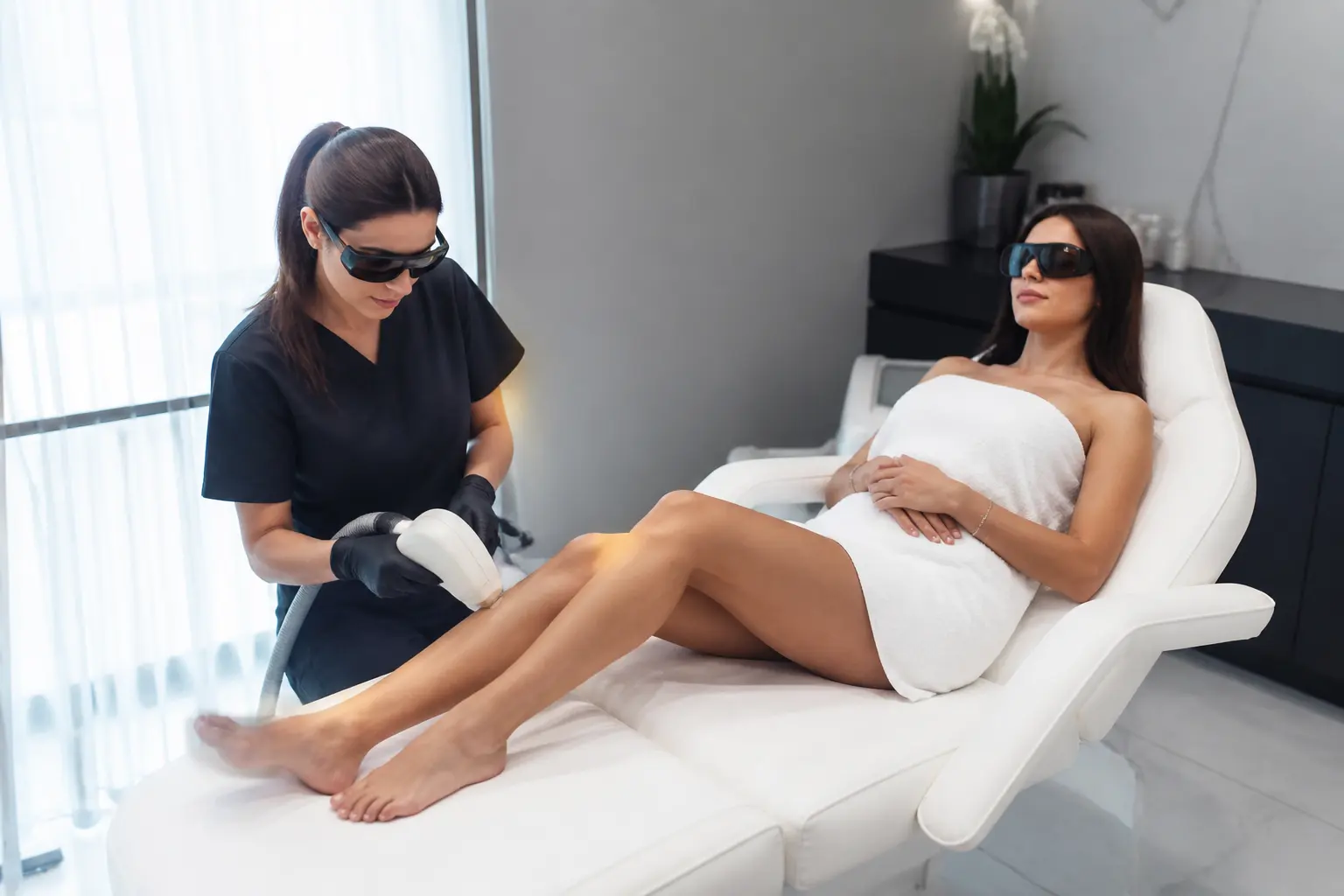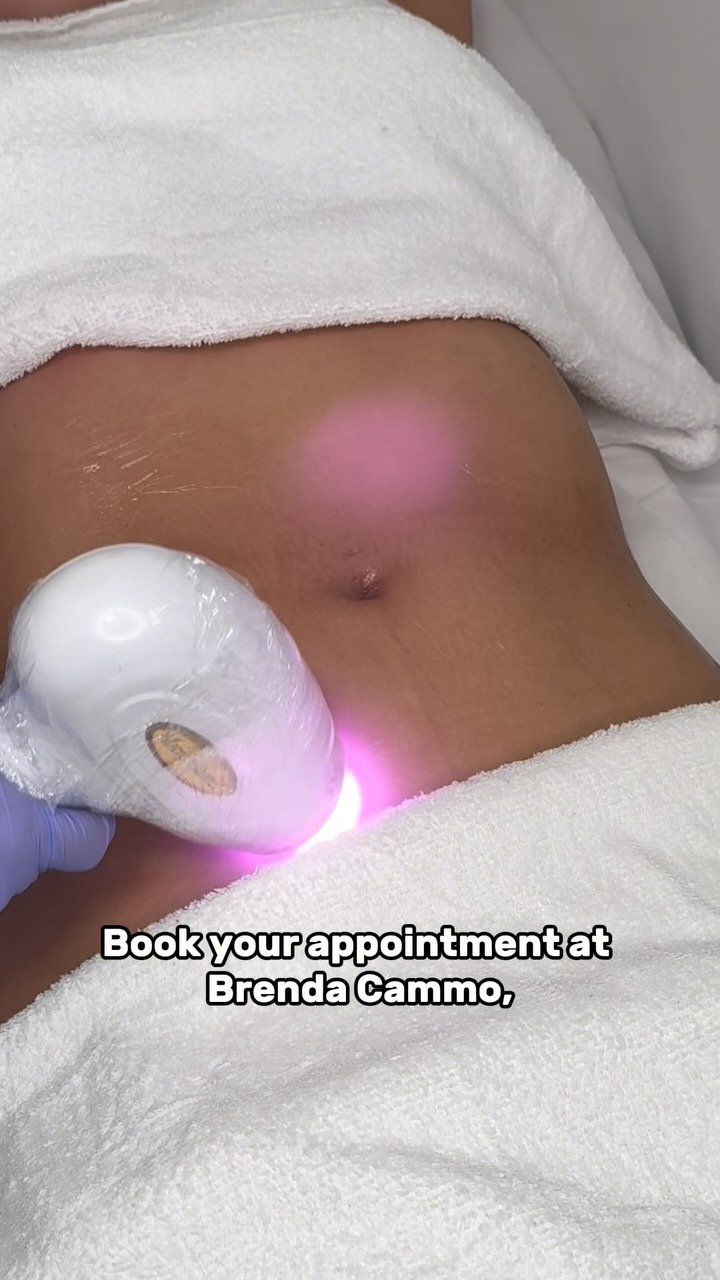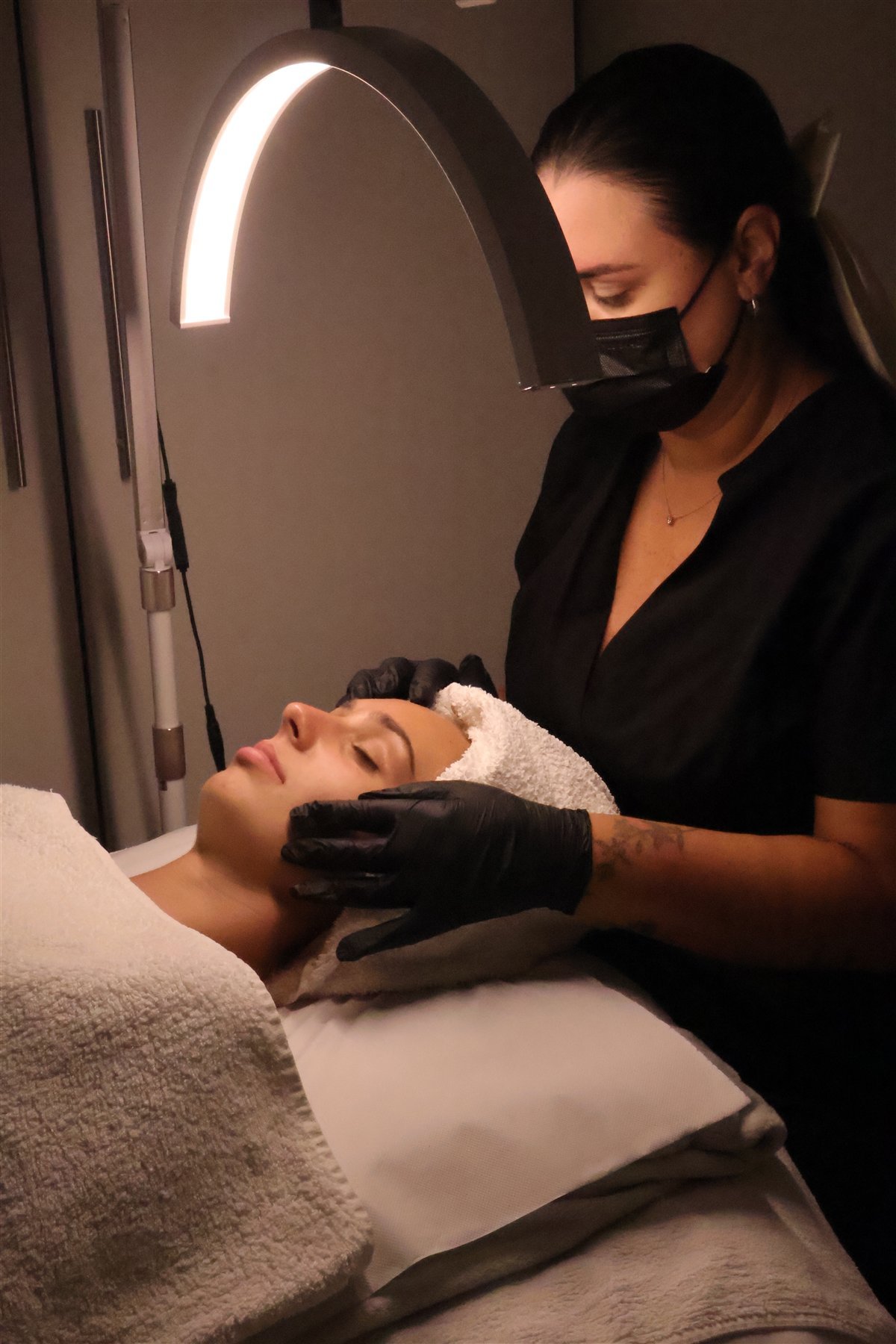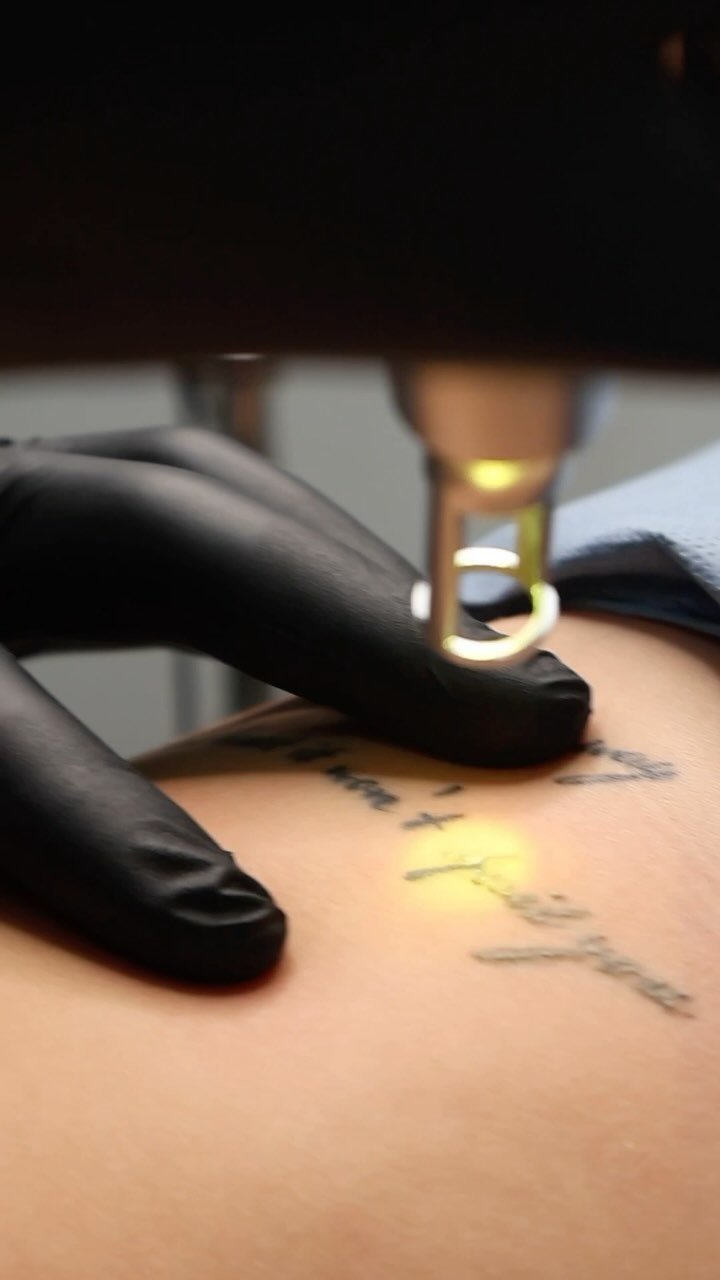
Shaving is allowed between laser sessions because a razor cuts the hair at the skin surface and leaves the follicle in place, which is what the laser targets. Waxing, plucking, threading, epilating and sugaring pull the hair from the root, so there may be less for the laser to treat and the next appointment may need to be delayed. Shave gently and follow the timing your practitioner gives you.
Starting laser hair removal often brings up a surprisingly practical question: what should you do when hair starts to show again between appointments? If you are used to waxing, epilating, threading or plucking, it can feel counterintuitive to put those methods aside. Yet, during a course of laser sessions, shaving is usually the hair-removal method that fits the plan, while waxing is not.
The difference is not about one method being universally better than another. It is about how laser hair removal works and what needs to be present beneath the skin for the session to be worthwhile. Understanding this can make your routine easier, help you arrive better prepared and prevent an avoidable interruption to your treatment plan.
Why do hair removal habits matter during laser sessions?
Laser hair removal works by directing light towards pigment in the hair. The aim is to affect the hair structure within the follicle during the stages of growth when it can respond to treatment. Hair does not all grow at the same pace or in the same phase, which is one reason sessions are scheduled over time rather than completed in a single visit.
Between appointments, some regrowth is expected. You may notice hair appearing unevenly, more finely in some places or at different speeds across the treatment area. That visible hair can tempt you to return to your familiar waxing appointment, especially before a holiday, swim day or event. However, removing hair from the root can leave less of the target the laser relies on for the next session.
Professional guidance commonly advises clients to avoid waxing, plucking and similar root-removal methods during a laser course, while allowing shaving according to the provider’s preparation instructions. The Cleveland Clinic, for example, notes that waxing, tweezing and plucking should be avoided after treatment begins. NHS laser hair-reduction guidance similarly distinguishes shaving from methods that pull hair out of the follicle.
What is the difference between shaving and waxing?
The key distinction is where each method acts on the hair.
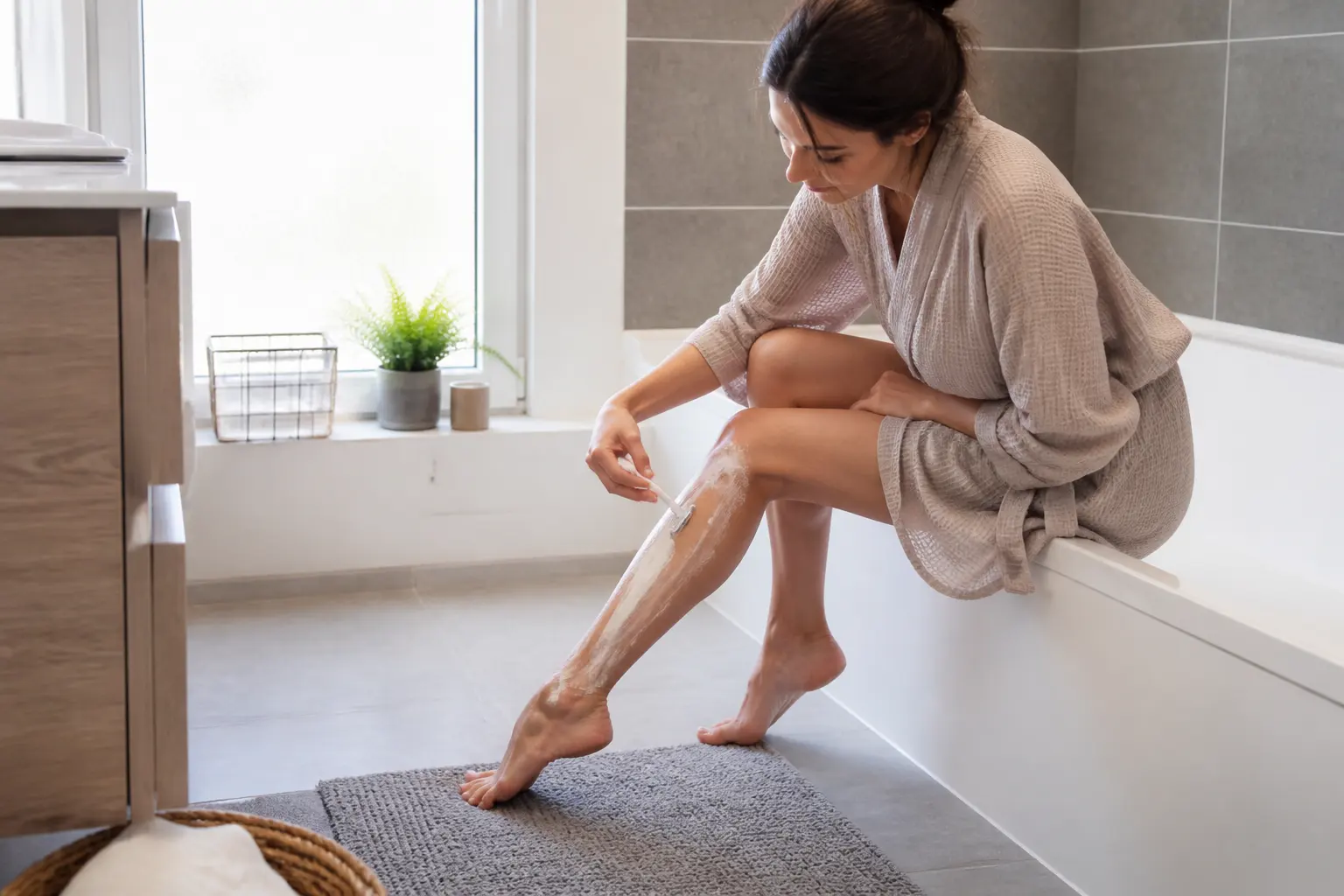
What shaving does
A razor cuts the hair at, or just above, the skin’s surface. It does not deliberately pull the hair from the follicle. Although the visible portion of the hair is removed, the structure beneath the skin is left in place. This is why shaving is generally compatible with a laser plan.
It also explains why shaved hair may feel blunt as it grows through. A razor has cut the hair straight across, so the new edge can feel more noticeable. It has not made the follicle produce thicker or darker hair. The American Academy of Dermatology describes shaving as cutting hairs at the skin surface, whereas waxing removes them by pulling them out.
What waxing does
Waxing grips hair and removes it from the root. Plucking, threading and epilating work on the same principle, even though the technique is different. The skin may look smoother for longer, but the hair that the laser would normally target has been removed from the follicle.
That can make the next laser appointment less useful or mean it needs to be postponed. It may also disrupt the rhythm of a course that is designed around hair growth cycles. If your goal is to get the best value and consistency from a series of sessions, it makes sense to avoid resetting that progress with root-removal methods.
At BeCammo · Sliema · Swieqi
Laser hair removal in Malta
Underarm, before and after laser hair removal.
Diode laser hair removal for women and men, suitable for different skin tones.
- from €20price
- Sliema · Swieqiwhere
- ★ 5.0460+ Google reviews
Why is shaving allowed between laser hair removal sessions?
Shaving is useful because it lets you manage visible regrowth without interfering in the same way with the follicle. You do not need to feel that you must leave the area visibly hairy for weeks simply because you are having laser sessions. In most cases, a carefully performed shave is the practical option for keeping the area comfortable and presentable between visits.
There is another benefit. Long surface hair is not ideal immediately before a laser appointment. Your practitioner may ask you to shave in advance so the treatment area is clear and the session can focus where it is intended to work. Exact timing varies by provider, area and skin condition. Some clinics advise shaving a day or two before, while others give different instructions. Your booking guidance from BeCammo should always take priority for your specific appointment.
Think of shaving as maintenance, not a replacement for the laser process. You are not undoing the session by shaving. You are simply removing the part of the hair that is above the skin while continuing with the plan agreed for the area being treated.
Why can waxing interrupt your laser plan?
Waxing may be part of your usual beauty routine, but it is best paused once you begin laser hair removal in an area. Here is what can happen if you wax between sessions:
- There may be less hair available within the follicle for the laser to target.
- Your next appointment may need to be delayed so enough hair can return for an effective session.
- It becomes harder to follow a consistent treatment schedule, particularly if you wax shortly before an appointment.
- The skin may be more reactive after waxing, which is not ideal when you are also planning a light-based treatment.
This does not mean you have failed if you have waxed once out of habit. Be honest with your practitioner before the next appointment. They can assess the area and advise whether it is appropriate to proceed or whether it would be better to reschedule. Clear information helps the studio guide you responsibly.
Which hair removal methods should you avoid, besides waxing?
Waxing is the most common question, but it is not the only method to set aside. During a laser course, avoid methods that pull the hair out from the root in the treatment area unless your practitioner specifically advises otherwise.
- Waxing, including strip and hot wax
- Plucking with tweezers
- Threading on an area receiving laser hair removal
- Epilators
- Sugaring
Threading remains an excellent option for precise facial hair removal and eyebrow shaping when it is the service you want. At BeCammo, threading uses a single-use thread and is performed as a dedicated brow and facial-hair service. However, it should not be used on a facial area that is being prepared for laser hair removal without first checking your laser plan. The method still removes hair from the root, so the same principle applies.
Hair-removal creams can also require caution because they may irritate some skin types. Do not assume that a method is suitable simply because it does not pull from the root. Tell the studio what you have used, especially if you have noticed sensitivity, redness, peeling or a reaction.
How can you shave more comfortably between appointments?
Shaving is straightforward, but technique matters. Repeated shaving on already sensitive skin can cause nicks, razor burn or ingrown hairs. A gentle routine helps you maintain the area without creating unnecessary irritation before your next session.
Choose a clean, sharp razor
Use a clean razor that is in good condition. A dull blade can drag across the skin and encourage irritation. If you use a reusable razor, rinse it thoroughly and keep it dry between uses. Do not share razors.
Soften the hair first
Shaving after a warm shower can make the process feel easier for many people. Use water and a suitable shaving product if your skin tolerates it. Avoid heavily fragranced formulas if your skin is reactive.
Use light pressure
There is no need to press hard for an extremely close shave. Light, controlled strokes reduce the chance of cuts. Shave in the direction that feels most comfortable for your skin, particularly in areas prone to bumps.
Do not chase every last hair
Repeatedly going over the same patch can leave the skin sore. A neat, comfortable shave is more useful than overworking the area. If you have an appointment coming up, it is especially important to arrive with calm, intact skin.
Pause if your skin is irritated
If shaving has left you with a cut, rash, active irritation or unusual tenderness, let the area settle and contact the studio if your laser appointment is near. A professional assessment is better than guessing whether the skin is ready.
What about shaving after a laser appointment?
After a session, the skin can feel warm, look slightly red or feel more sensitive for a short time. It is sensible to avoid shaving immediately if the area feels reactive. Let the skin settle and follow the aftercare directions you received at the appointment.
You may also notice what looks like fresh growth in the days following treatment. Sometimes treated hairs take time to work their way out, so avoid trying to pull them out with tweezers or wax. Keep the area clean, avoid friction and ask the studio if you are unsure whether what you are seeing is normal regrowth or shedding.
Sun care matters throughout a laser course, particularly in Malta where outdoor exposure can be part of everyday life. Recent tanning can affect whether treatment is suitable, and the American Academy of Dermatology advises protecting the skin from sun exposure as part of preparation. Tell your practitioner about recent sun exposure, self-tan products, skincare changes and any new medicines before your session.
What is a practical between-session routine?
A simple approach can remove the uncertainty:
- Continue with the schedule recommended for your treatment area.
- Use shaving only for visible regrowth unless the studio gives you different instructions.
- Avoid waxing, plucking, threading, sugaring and epilating in the laser treatment area.
- Shave before your appointment only at the timing advised by your practitioner.
- Keep the skin protected from strong sun exposure and avoid attending with a fresh tan.
- Tell the studio about irritation, products, medicines or anything you have used on the area.
This routine is not about making your life more restrictive. It is about ensuring that the effort you put into each appointment supports the next one. The best preparation is consistent, realistic and tailored to your skin, hair and chosen area.
When should you ask for personalised advice?
Laser hair removal is not one-size-fits-all. Hair colour and coarseness, skin tone, the area being treated, sun exposure and your skin’s response all matter. The face, underarms, bikini area and legs can also behave differently from one another.
Ask before your appointment if you are unsure about any of the following:
- You waxed, plucked or used an epilator recently.
- You have a holiday, beach day or outdoor event planned.
- You have experienced a shaving rash, ingrown hairs or a skin reaction.
- You have started a new medicine or active skincare product.
- You are unsure how close to the appointment you should shave.
A good laser plan leaves room for questions. The aim is not to follow generic internet advice rigidly, but to make informed choices that fit your individual assessment and the instructions for your session.
Conclusion
Shaving between laser hair removal sessions is generally allowed because it cuts hair at the skin’s surface. Waxing is not usually recommended because it removes hair from the root, which can interfere with what the laser is trying to target at your next appointment.
If you are considering laser hair removal in Malta, or you are unsure how to manage regrowth before your next visit, choose your preferred BeCammo location in Sliema or Swieqi and ask the team for guidance tailored to your treatment area. A clear routine between sessions can help you arrive prepared and feel confident about each step.
Frequently asked questions
Can I shave every week between laser hair removal sessions?
In many cases, yes. Shaving is commonly used to manage visible regrowth because it does not remove the hair from the root. Shave gently and follow the preparation timing given for your next appointment.
How long before laser hair removal should I stop waxing?
The appropriate interval can vary by provider and treatment area. Contact the studio before booking or before your next session if you have waxed recently. Do not guess, as the appointment may need to be timed around sufficient regrowth.
Can I use an epilator instead of waxing during laser sessions?
No, an epilator also removes hair from the root. For an area receiving laser hair removal, shaving is generally the more suitable between-session method unless your practitioner tells you otherwise.
Can I thread my upper lip while having laser hair removal elsewhere?
Usually, the rule applies to the specific area being treated. Threading your eyebrows may be separate from laser hair removal on your legs, for example. However, do not thread the upper lip if that is one of your laser treatment areas without checking with the studio first.
What if I accidentally waxed before my laser appointment?
Let the studio know as soon as possible. The team can advise whether the area should be assessed, whether the session can go ahead or whether moving the appointment would be more appropriate.