Why Professional Lash Removal Beats Picking at Home
Brenda Cammo Team
When lash extensions have grown out, started twisting or simply no longer suit your routine, it can be tempting to pull at the loose ones in the mirror. It may feel like a quick fix, especially when a few extensions are catching or looking uneven. But picking at extensions at home can pull on your natural lashes, irritate the delicate eyelid area and leave your lash line looking patchy.
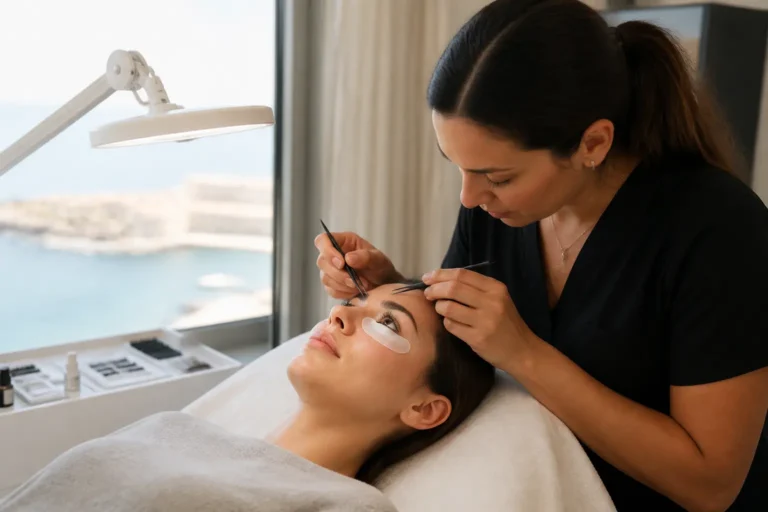
Professional lash extension removal is designed to separate the extensions from the adhesive with control and care. Rather than tugging at what is attached, a trained lash professional works gradually, protects the eye area and checks how your natural lashes are coping throughout the appointment. If you are in Malta and ready for a fresh start, booking removal is often the calmest way to move on from an existing set.
Why picking at lash extensions is so tempting
Most people do not begin picking because they want to damage their natural lashes. It usually happens when extensions are at the awkward in-between stage. A few lashes may have shed, the remaining ones may look more noticeable, or one extension may feel slightly turned as your natural lash grows.
The problem is that an extension is bonded to one natural lash. When you pinch, pull or peel it off, you cannot always tell whether the extension has already released from the adhesive or whether it is still firmly attached. If it is still bonded, the force can be transferred to the natural lash underneath.
Natural lashes shed as part of their usual growth cycle, but forced removal is different from normal shedding. Repeated picking can make the lash line look uneven, create short or sparse-looking areas and make it harder to judge what your lashes naturally look like once the extensions are gone.
There is also the practical issue of the eye area. Eyelids are thin, mobile and close to the surface of the eye. The US Food and Drug Administration guidance on eye cosmetic safety notes that the eyelids are delicate and that irritation, allergic reactions and injury around the eye can be particularly troublesome. That is a good reason to treat lash removal as more than a quick bathroom task.
What professional lash removal does differently
A professional removal appointment is not simply about taking extensions off faster. It is about using a controlled process that respects the natural lash and the sensitive skin around it.
The lash line is assessed first
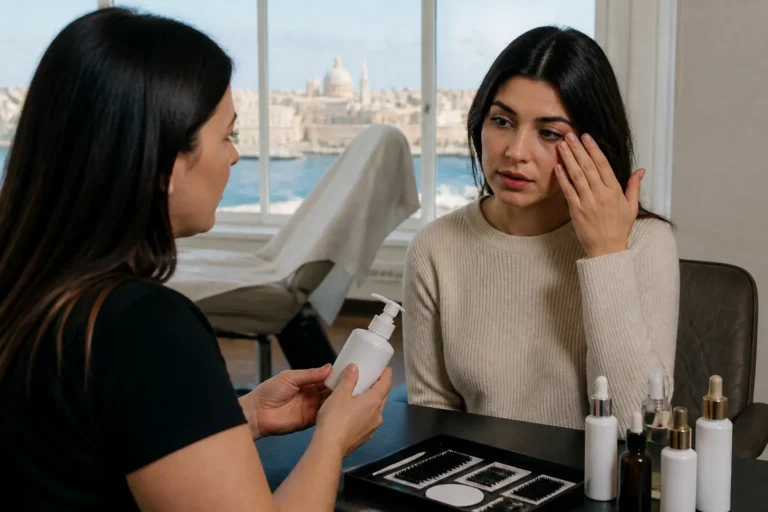
Before removal begins, the lash professional can look at the condition of the set. Are the extensions mostly grown out? Are there areas of twisting? Is there visible residue? Does the client report itching, discomfort or sensitivity? These details help determine the most appropriate approach and whether removal should be paused in favour of medical advice.
This assessment is especially valuable if your extensions were applied elsewhere and you are unsure of the adhesive, style or products used. A professional will not need to guess by pulling at the fibres.
Removal products are used with precision
Professional lash removal relies on products intended to help loosen lash adhesive, applied with care and kept away from the eye itself. The aim is to release the extension rather than pull the natural lash out with it.
This does not mean trying to recreate the process with a random product at home. Oils, make-up removers, steam, cleansers and household solvents are not a dependable substitute for a professional removal product or trained application. In particular, do not use acetone or similar solvents near your eyes. The eye area is not a place for experimentation.
Your eyes stay closed and protected
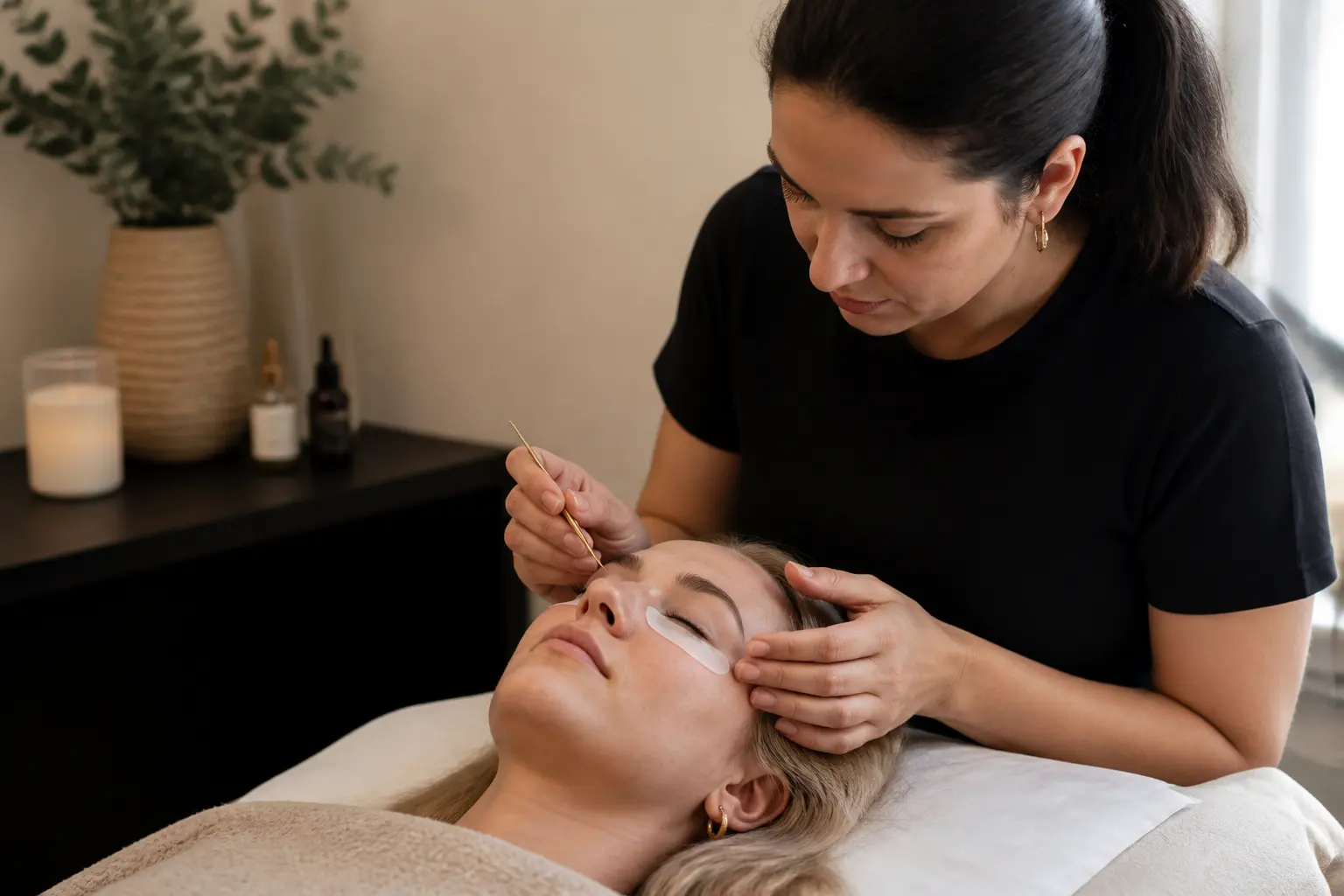
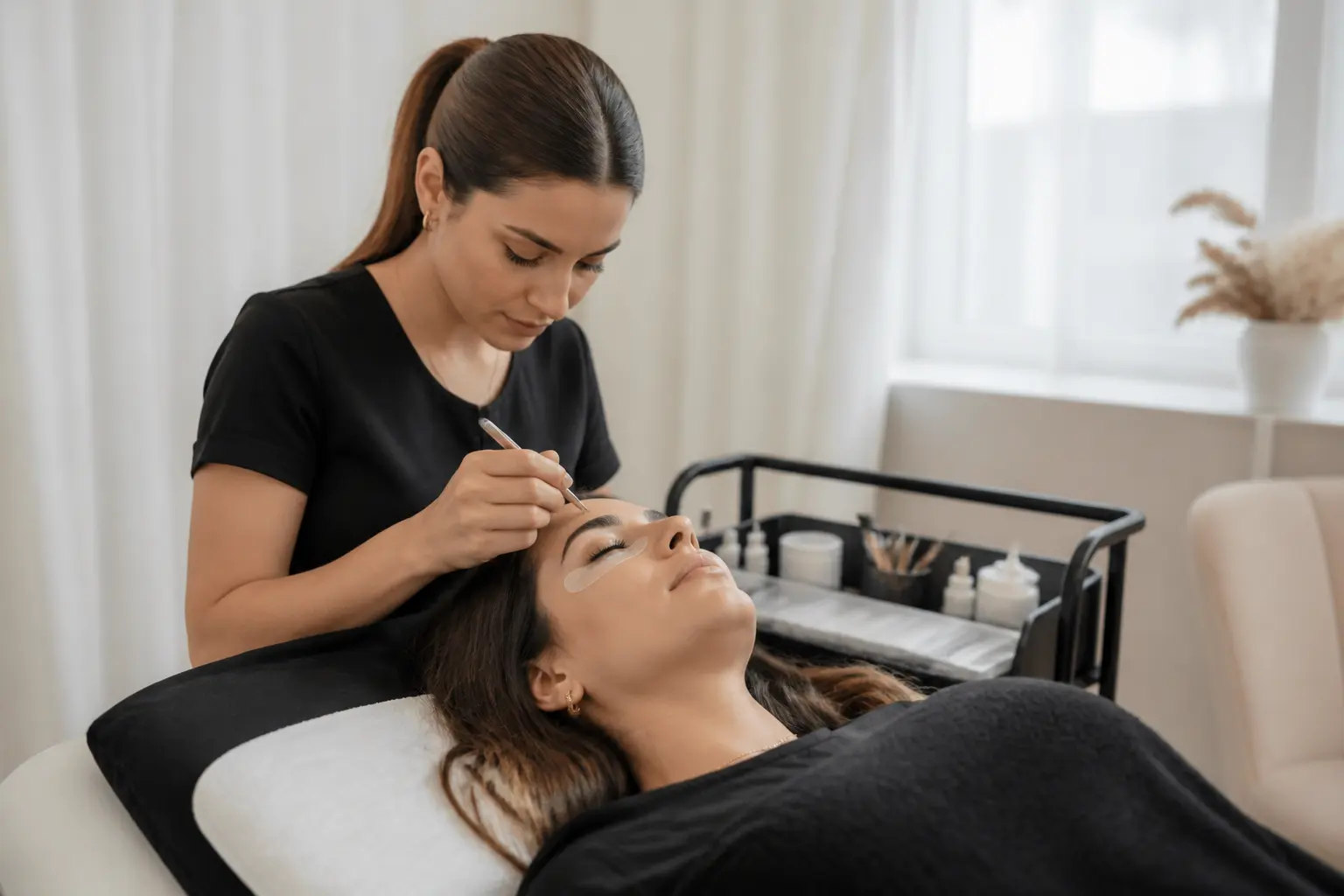
During a removal appointment, you can lie back with your eyes closed while the professional works in a stable, well-lit environment. This makes a meaningful difference. Trying to remove extensions on yourself means working extremely close to your own eye, often using one hand to hold the lid while the other hand picks or pulls.
The FDA advises people to take care not to scratch the eyeball or another sensitive area when applying or removing eye cosmetics. A professional setup reduces the need for awkward angles, fingernails near the eye and rushed decisions in front of a mirror.
Natural lashes are treated as the priority
The goal of removal is not to leave every last fibre off at any cost. The goal is to remove extensions as safely and gently as possible while respecting the natural lashes underneath. If a stubborn extension needs more time, patience is better than force.
This is the key difference between a professional approach and picking. At home, it is easy to focus on the visible extension. At a studio, the natural lash line should guide every decision.
What can happen when you pull extensions off yourself
Not every picked extension will cause an obvious problem, but the risk is unnecessary. The more often you pull, pinch or scratch at the lash line, the more likely you are to create irritation or remove lashes before they were ready to shed naturally.
- Natural lash loss: An extension can come away with the natural lash it is bonded to, leaving the area looking sparse.
- Uneven regrowth appearance: When lashes are removed at different points in their cycle, the lash line can look irregular while new lashes grow through.
- Eyelid irritation: Fingernails, rubbing and repeated touching can make the lid feel sore or sensitive.
- Residue left behind: Small pieces of adhesive may remain, making the lashes feel stiff or causing extensions to catch.
- Eye discomfort: A loose fibre or residue can feel irritating if it moves towards the eye.
- A cycle of overhandling: One loose extension can lead to more picking, more checking and more rubbing throughout the day.
Professional eye-care sources also recognise that eyelash extensions and their adhesives can sometimes be associated with irritation and allergic reactions. If you have persistent redness, swelling, pain, significant tearing, sensitivity to light, changes to vision or feel that something is in your eye, do not try to solve it by removing the lashes yourself. Seek prompt advice from an appropriate healthcare professional. The NHS guidance on eyelid problems advises urgent assessment for concerns such as eye pain, vision changes or a possible allergic reaction.
When to book professional lash removal
Removal can be a sensible choice for several reasons. You do not need to wait until the set looks completely grown out or uncomfortable.
- You want a break from extensions and prefer to return to your natural lashes.
- Your set has become uneven and you would rather remove it than continue with infills.
- You are changing style, moving from extensions to a lash lift, or starting again with a fresh set after a rest period.
- You have extensions from another salon and would like them professionally removed before your next appointment.
- You notice twisting, heaviness or persistent catching at the lash line.
- You have begun picking and want to stop before more natural lashes are pulled out.
If there is active irritation or a suspected reaction, tell the studio before booking so they can advise on the appropriate next step. Cosmetic removal is not a replacement for medical care when there are eye symptoms.
What to expect at a lash removal appointment
A professional appointment should feel unhurried and straightforward. You will usually be asked about your existing extensions, any sensitivity you have noticed and whether you know where or when the set was applied. It is helpful to arrive without eye make-up where possible, as this allows the lash line to be seen clearly.
Once you are comfortable, the professional prepares and protects the under-eye area, then works through the extensions with suitable removal products and tools. The process should be gentle. You may notice light contact around the lashes, but you should not need to pull, rub or force anything yourself.
Afterwards, the lashes can be cleansed and checked for any remaining adhesive. You may be given simple aftercare guidance based on how your natural lashes and eye area look that day. This is also a useful moment to discuss what you would like next, whether that is a period without extensions, a future infill plan or a lash lift for your natural lashes.
How to look after lashes after removal
It is normal to notice your natural lashes more after extensions come off. They can seem shorter or less full simply because you have become used to the added length and volume of a lash set. Give yourself time to adjust before judging them.
A few gentle habits can help you avoid further stress on the area:
- Cleanse around the eyes carefully with products suitable for the eye area.
- Avoid rubbing your eyes, especially when tired or removing make-up.
- Do not use tweezers to pull at remaining adhesive or lashes.
- Skip strip lashes or additional lash products for a short while if the eyelids feel sensitive.
- Choose a follow-up service only after discussing your lash condition and personal routine with a professional.
If you love the look of an enhanced curl but want a lower-maintenance option after removal, a lash lift may be worth discussing. It works with your natural lashes rather than adding extensions, although suitability and expected results depend on your own lash length, condition and desired look.
Professional removal supports better future lash choices
Choosing professional removal is also useful when you plan to have lash extensions again. Starting a future set with a clean, assessed lash line gives the technician a clearer view of the natural lashes and helps them make a more personalised recommendation.
That conversation can cover everyday factors that matter more than people often realise: whether you wear glasses, sleep on your side, swim regularly, use oil-based skincare near the eyes or want a subtle versus fuller finish. The right next step is not always another full set straight away. Sometimes, a break, a careful cleanse or a different style is the more comfortable choice.
At Becammo, the focus is on helping you make an informed decision for your lashes and your routine, rather than encouraging a one-size-fits-all result. A professional removal gives you the cleanest starting point for that conversation.
Conclusion
Picking at lash extensions may feel satisfying for a moment, but it can turn a simple removal into unnecessary stress for your natural lashes and eyelids. Professional lash removal is a more controlled option, with the right environment, suitable products and a clear focus on protecting the natural lash line.
If your extensions are grown out, uncomfortable or simply no longer what you want, book a professional removal rather than trying to pull them off at home. You can then decide on your next look with greater comfort and confidence.
Frequently asked questions
Can I remove lash extensions with oil at home?
Oil-based products may affect some adhesives over time, but they are not a reliable or controlled way to remove extensions. Rubbing products into the lash line can also irritate the eye area and still leave adhesive residue behind. Professional removal is the more careful option.
Will professional lash removal damage my natural lashes?
When performed carefully, professional removal aims to release the extensions while protecting the natural lashes. Your lashes may look different once the added length and volume are gone, but that does not automatically mean they have been damaged.
Why do my natural lashes look short after extensions are removed?
Extensions can change your perception of your natural lash length and fullness. After removal, it can take time to readjust to your own lashes. Picking can also make the lash line look more uneven, which is one reason to avoid pulling extensions off yourself.
Can I get a new lash set straight after removal?
That depends on the condition of your natural lashes, the eyelid area and your reason for removal. A lash professional can assess the situation and advise whether a new set, a different service or a short break is most appropriate.
What symptoms mean I should seek medical advice instead of booking removal?
Eye pain, changes to vision, marked swelling, persistent redness, significant tearing, light sensitivity or a suspected allergic reaction should be assessed by an appropriate healthcare professional. Do not use removal products or pull at the lashes when you have these symptoms.