Patch Tests Before Semi-Permanent Make-Up: What They Check
Brenda Cammo Team
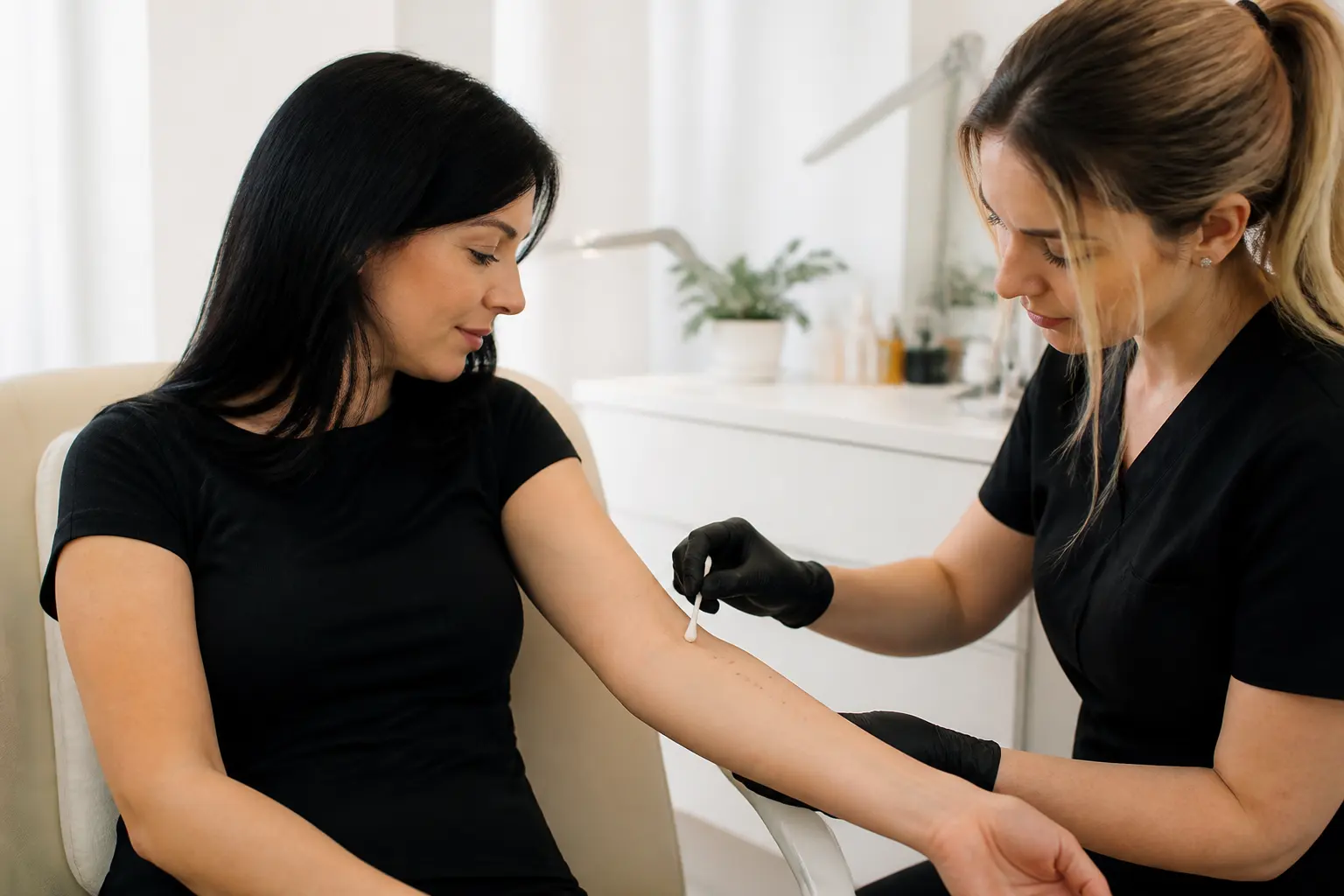
A patch test before semi-permanent make-up is a sensible part of planning your appointment. It creates space to discuss your skin, relevant allergies and the products that may be used, before you commit to microblading, microshading or lip micropigmentation.
It is also important to understand its purpose clearly. A pre-procedure patch test can help identify a visible skin reaction to a small, controlled exposure. It is not a promise that every possible reaction has been ruled out, and it is not a substitute for sharing your medical history or seeking medical advice when you have an existing skin concern.
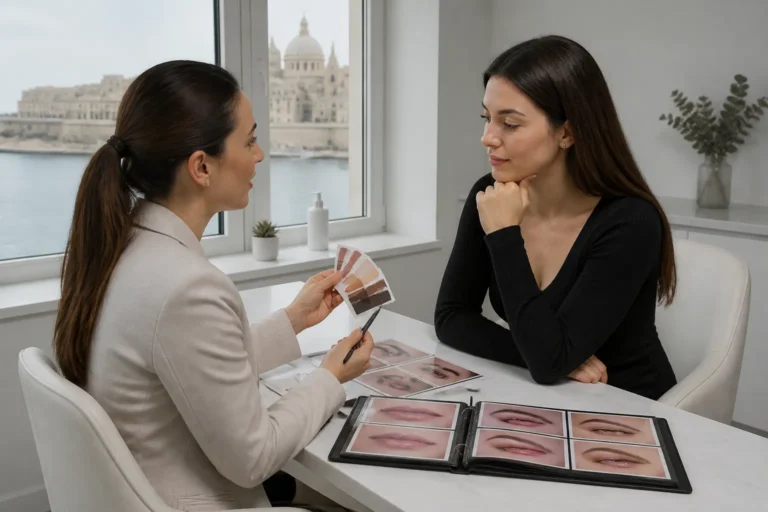
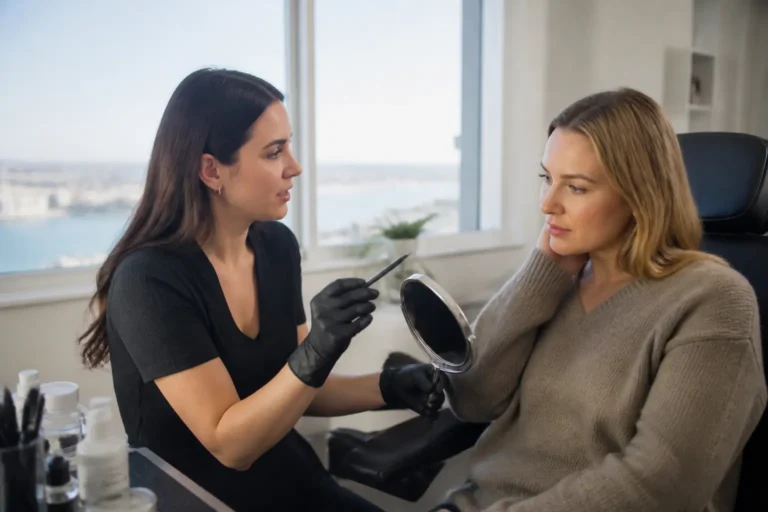
At a professional studio, the process should sit alongside a proper consultation, not replace one. That means discussing your goals, assessing whether the procedure is appropriate for you at that time, explaining the aftercare commitment and giving you an opportunity to ask questions without pressure.
What is a patch test for semi-permanent make-up?
In everyday beauty language, a patch test usually means placing a very small amount of a relevant product on a discreet area of skin and observing whether your skin shows an unwanted reaction. Before semi-permanent make-up, this may relate to products planned for your appointment, such as a pigment or another topical product used during the service.
The aim is not to recreate the full procedure. It is to look for an early sign that your skin may not tolerate a particular product well. This is particularly relevant because semi-permanent make-up involves placing pigment into the skin, rather than simply applying make-up to its surface.
In clinical dermatology, patch testing has a more specific meaning. It is used to investigate contact allergy by applying known allergens to the skin and checking for delayed reactions over a set period. The NHS explains patch testing for contact dermatitis as a process that can help identify allergens through observations made over several days. A studio patch test is not the same as a medical diagnostic investigation, but the principle of checking for a skin response is why it is a valuable precaution.
What does a pre-procedure patch test check?
A patch test is mainly a check for an observable local response after exposure to a small amount of product. Depending on the products being considered, the studio may ask you to watch for signs such as redness, itching, swelling, soreness, a rash or irritation at the test area.
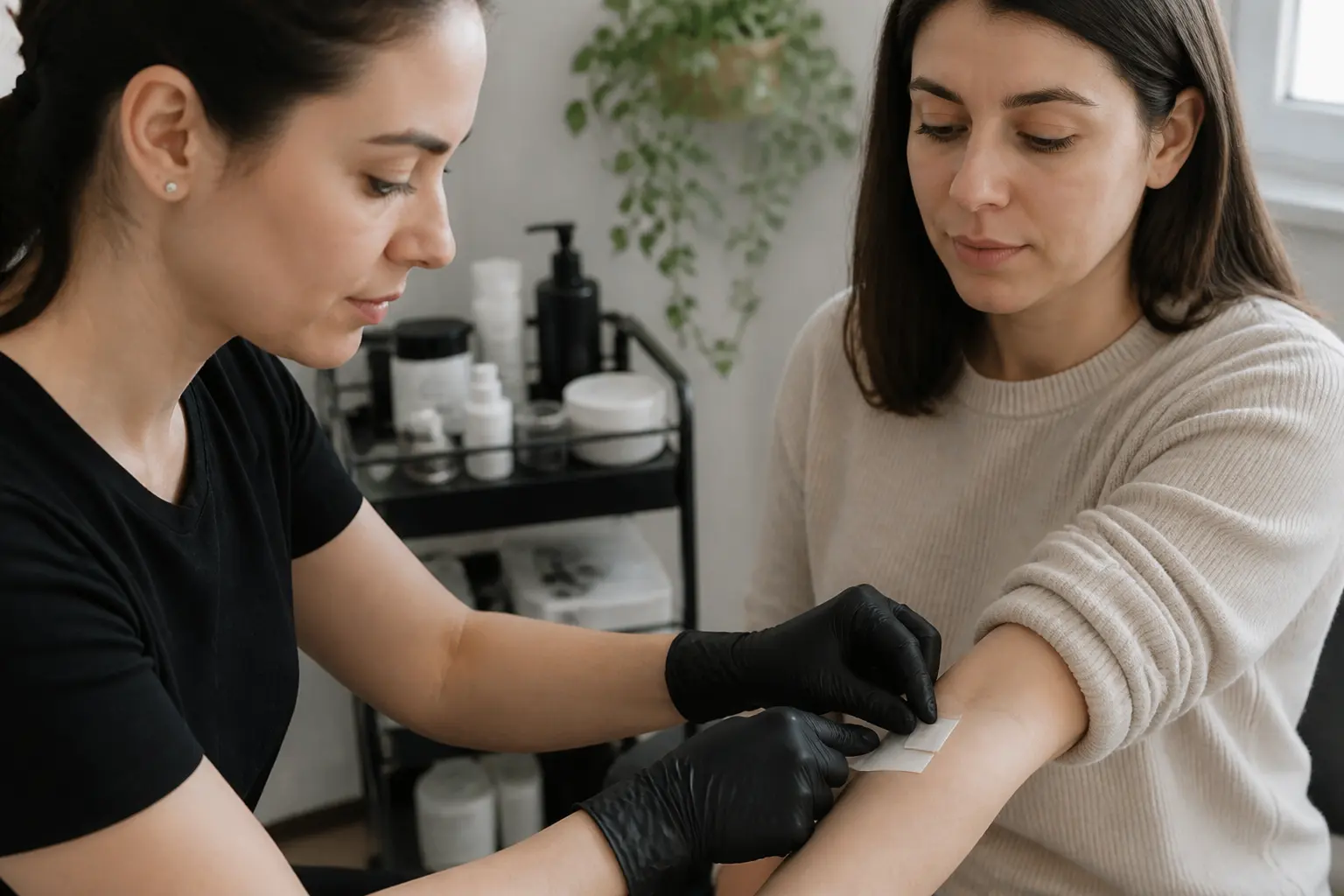
It also opens an important conversation. Your practitioner can ask about previous reactions to cosmetics, hair dyes, skincare, pigments, adhesives or topical products. You can mention whether you have experienced eczema, contact dermatitis, recurring skin irritation, allergies, previous cosmetic tattooing or an unexpected reaction during another beauty treatment.
This information matters because a professional decision is never based on one detail alone. A clear-looking patch test does not outweigh a relevant history of reactions, active skin irritation or concerns that need input from a qualified healthcare professional.
1. Possible sensitivity to a planned product
The most direct purpose is to see whether your skin reacts to the small amount of product used for the test. If you notice a reaction, tell the studio promptly and do not assume it will disappear simply because the area is small.
A reaction does not automatically explain exactly which ingredient caused it. It may be related to the pigment, a topical product, an adhesive or even the material placed against the skin. That uncertainty is one reason a beauty patch test should be approached as a precautionary screening step, rather than a diagnosis.
2. Whether more questions are needed before booking
Sometimes the most useful outcome is not a simple yes or no. It may show that you need a more detailed conversation before proceeding. For example, you may need to provide information about a past reaction, delay an appointment until skin has settled, or speak with a healthcare professional about a concern that falls outside a studio’s role.
This is a positive part of responsible service. Semi-permanent make-up is a considered choice, and it is better to pause for clarity than rush into an appointment.
3. Your ability to follow pre-appointment guidance
Patch testing also gives you a chance to experience the studio’s approach to preparation. You should receive clear instructions on where the test is placed, what to avoid doing to the area, how long to observe it and how to report any change. Follow those instructions exactly, because timing and observation are part of making the check useful.
What a patch test cannot tell you
The most reassuring way to approach a patch test is with realistic expectations. A negative result is helpful information, but it cannot guarantee that you will never experience a reaction during or after semi-permanent make-up.
Reactions can be delayed, and skin can respond differently when a product is used in a different way or in a different area. The FDA’s information on tattoos and permanent make-up notes that allergic reactions to tattoo pigments can occur and may, on occasion, develop long after the original procedure. This does not mean that every client should expect a problem. It means that informed consent, honest disclosure and careful aftercare matter.
A patch test also cannot predict the final colour of healed pigment, how your skin will retain pigment, the exact healing journey or the aesthetic result. Those outcomes depend on many individual factors, including your skin, the selected technique, your aftercare and the natural changes that happen during healing.
- It does not guarantee that a future reaction is impossible.
- It does not diagnose the precise cause of a reaction.
- It does not replace medical assessment for persistent, severe or unexplained skin symptoms.
- It does not confirm that a procedure is suitable if there are other reasons to postpone it.
- It does not predict the final healed colour or longevity of semi-permanent make-up.
Why patch testing matters before microblading, microshading and lip micropigmentation
Semi-permanent make-up is not a last-minute beauty appointment. It requires thoughtful preparation because pigment is implanted into the skin and the result develops through a healing period. A patch test is one practical way to slow the process down and make a more informed decision.
For eyebrow work, whether you are considering fine hairstroke-style microblading, soft-shaded microshading or another bespoke approach, the consultation should consider more than the shape you like. Skin condition, lifestyle, previous brow work and your expectations all influence the conversation.
For lip micropigmentation, it is equally important to discuss your intended result, natural lip tone, previous cosmetic procedures and any concerns that could affect planning. The right approach is personalised. A good practitioner will not treat every face, skin type or beauty goal in the same way.
At Becammo, a semi-permanent make-up consultation is the right starting point when you are still deciding whether a procedure suits your needs. It gives you time to discuss the look you want, ask about preparation and understand whether a patch test or further information is needed before booking the main service.
How to prepare for your patch test
Preparation is usually simple, but it should be taken seriously. Your studio will give the final instructions because the products and method used for your appointment may differ. In general, be ready to share complete and accurate information rather than trying to judge what is relevant yourself.
- Tell the studio about past reactions. Mention reactions to cosmetics, hair colour, skincare, pigments, adhesives, numbing products or previous tattoos and semi-permanent make-up.
- Be honest about your skin. Let the practitioner know if the intended area is irritated, broken, sunburnt or experiencing a flare-up.
- Share relevant health information. If you are taking medication, have a diagnosed skin condition or are uncertain about suitability, raise it during the consultation. The studio can explain its service process, while a healthcare professional is the appropriate person for medical guidance.
- Do not test additional products on your own. Home experiments with pigments or topical products can confuse the picture and are not a replacement for the studio’s process.
- Follow the observation instructions. Do not ignore a change because it appears mild. Take note of when it started, how it looks and whether it is getting better or worse.
What should you do if you notice a reaction?
If the tested area becomes itchy, swollen, sore, red, rash-like or otherwise uncomfortable, contact the studio and explain what you noticed. If the symptoms are severe, rapidly worsening or worrying, seek appropriate medical advice promptly.
Do not proceed with a semi-permanent make-up appointment on the assumption that the reaction will be manageable. A reaction needs to be taken seriously, even if it later settles. The next step may be to postpone, discuss alternative plans or obtain professional medical guidance, depending on the situation.
This is also why a transparent consultation is so valuable. It is not about persuading everyone to go ahead. It is about helping each client make a decision with the information available.
Questions to ask at your consultation
If you are considering semi-permanent brows or lip micropigmentation in Malta, arrive with questions. A professional consultation should welcome them. You may want to ask:
- Which products will be considered for my patch test?
- When should the test be completed before the main appointment?
- What specific changes should I look for afterwards?
- What should I do if I have reacted to a cosmetic product in the past?
- Is my skin currently suitable for the procedure, or would it be better to wait?
- What aftercare and healing expectations should I understand before deciding?
These questions help you compare services based on care, communication and suitability, rather than choosing solely by a photograph or a trend. Semi-permanent make-up should feel like an informed, individual decision.
Patch tests are one part of a responsible decision
A patch test before semi-permanent make-up is a useful precaution. It may identify a visible response to a product and prompt a more careful conversation before your procedure. However, it works best as one element of a broader consultation that considers your history, current skin condition, desired outcome and willingness to follow preparation and aftercare guidance.
If you are exploring microblading, microshading or lip micropigmentation, book a consultation first. You can discuss your goals, ask whether a patch test is appropriate for your plan and receive clear guidance before making your final booking.
Frequently asked questions
Is a patch test mandatory before semi-permanent make-up?
Requirements can vary by studio, procedure and your individual circumstances. Even when it is not presented as a universal requirement, it can be an important precaution, particularly if you have a history of skin sensitivity or reactions. Ask during your consultation what applies to your appointment.
How long before microblading should I have a patch test?
Follow the timeframe given by your studio. The right timing depends on the testing process and the products involved. Do not leave it until the day of your procedure, as there needs to be enough time to observe the area and discuss any reaction.
Can a negative patch test guarantee I will not react to pigment?
No. A negative test result can be reassuring, but it cannot guarantee that a reaction will never occur. It is one piece of information used alongside your consultation, skin history and professional judgement.
What if I have eczema or sensitive skin?
Tell the studio before you book. Sensitive skin and eczema do not have one universal answer, especially if there is an active flare-up or a history of contact reactions. A consultation can clarify the studio’s process, and medical concerns should be discussed with an appropriate healthcare professional.
Does a patch test show the final eyebrow or lip colour?
No. A patch test is not a colour preview and cannot predict the final healed shade. Your practitioner should discuss colour selection, skin tone and realistic expectations separately during your consultation.