The modern French manicure keeps the classic pale base and defined tip but adapts them with micro tips, soft cream or pearl tones, coloured tips, double lines, angled or side placements and reverse details. The most wearable version depends on your nail shape, length and routine: fine tips suit short nails, while longer almond shapes can carry deeper curves and layered details.
The French manicure is having a welcome return, but it no longer needs to mean one fixed look. The familiar pale base and white tip can still feel elegant, yet today’s versions leave much more room for personality. A fine micro tip, a soft colour contrast, a double line or a finish that complements your natural nail shape can all make this classic style feel current.
For anyone in Malta looking for nails that look polished without feeling overdone, a modern French manicure is a versatile choice. It can work for everyday wear, holidays, office settings, celebrations and everything in between. The key is not simply choosing a trend. It is choosing a tip width, shade combination and nail finish that fit your hands, your wardrobe and the level of upkeep you are comfortable with.
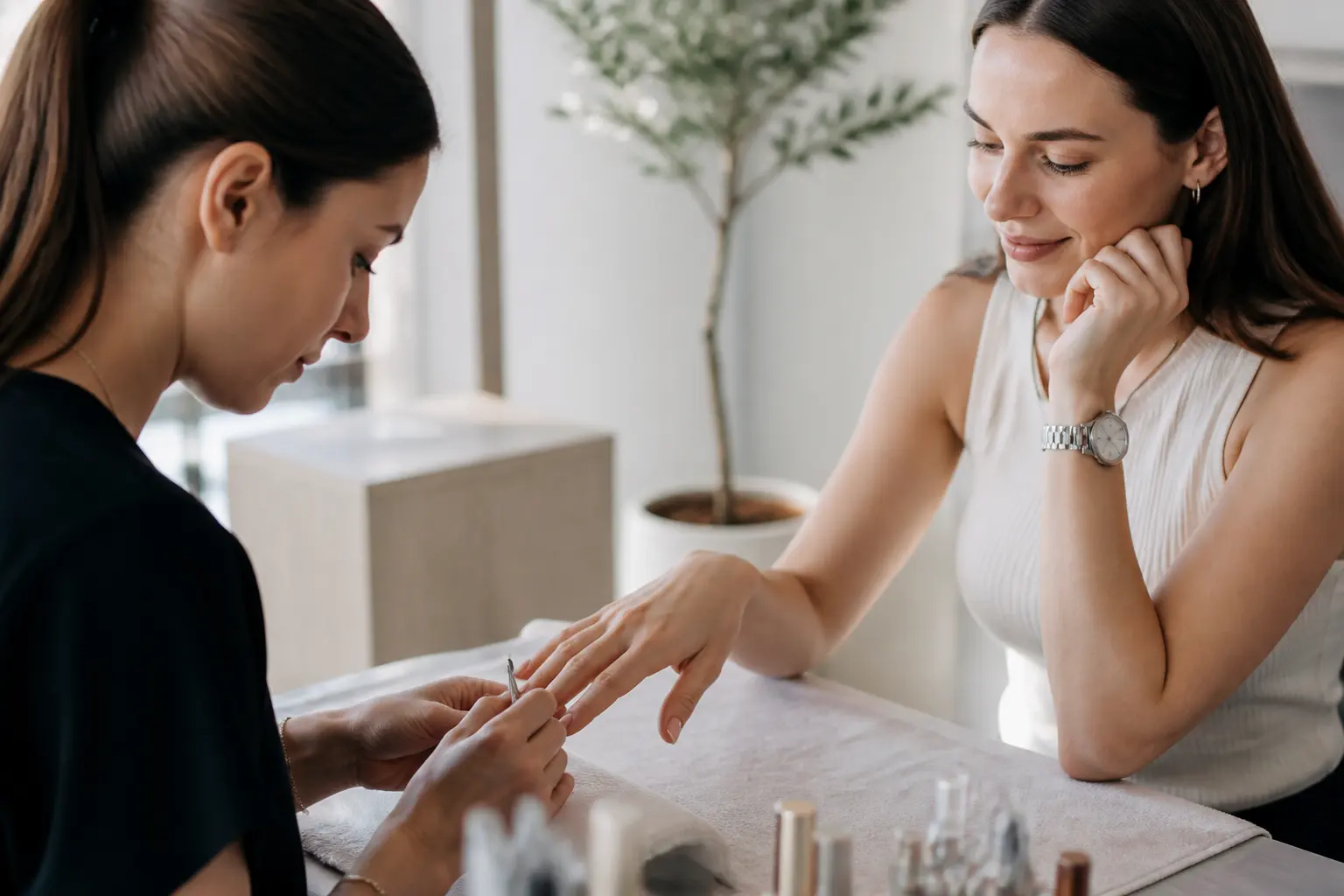
At a professional nail appointment, the French manicure is about more than painting a line across the free edge. Nail preparation, cuticle care, shape and careful product application all influence how clean and balanced the final look appears.
Why does the French manicure still work?
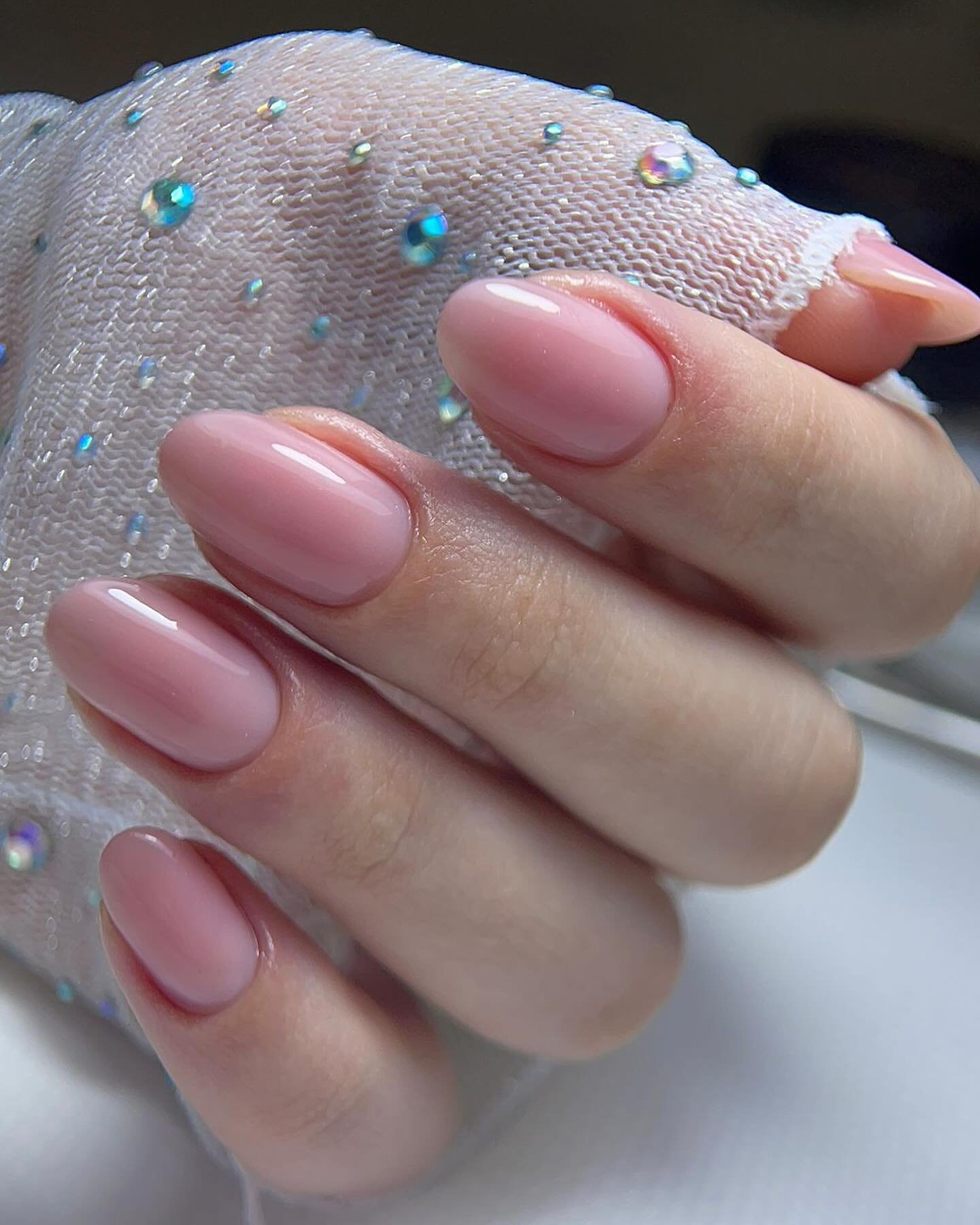
A French manicure has remained popular because it creates definition while keeping the overall result refined. The tip draws attention to the nail shape, while the base can be tailored from sheer nude to milky pink, beige or a more modern translucent tone.
It also adapts easily. A traditional white tip can look crisp on short square nails, while a delicate coloured line can soften an almond shape. There is no single “correct” French manicure. The best version is one that feels balanced on your hands and practical for your everyday routine.
Its comeback is less about returning to a strict, traditional formula and more about using a recognisable design as a starting point. Small adjustments can create a manicure that feels minimal, playful, bold or quietly luxurious.
What are the building blocks of a modern French manicure?
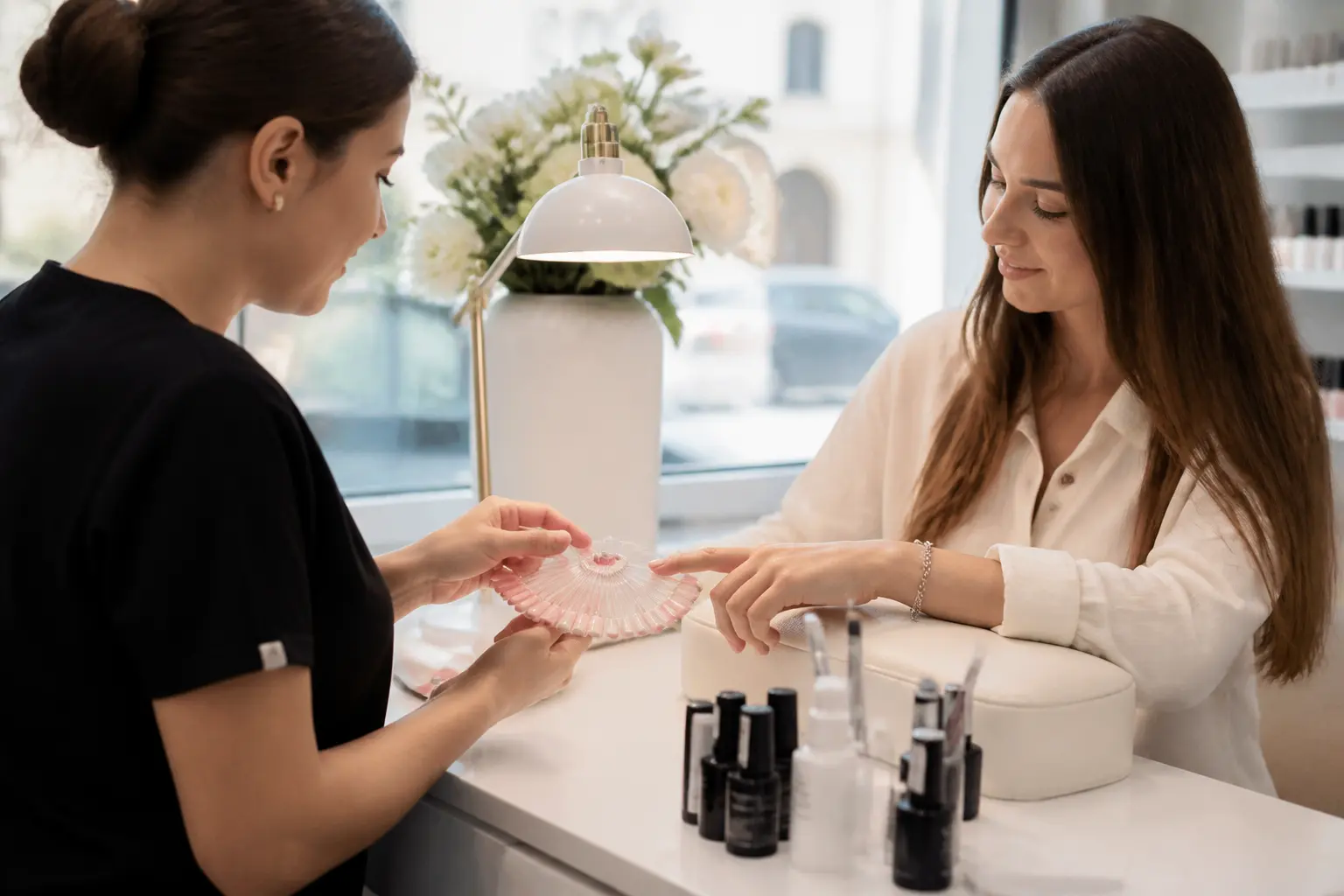
Before choosing colours or nail art details, it helps to understand the elements that shape the final design. Discussing these points with your nail technician makes it easier to arrive at a look that suits you rather than copying a photo exactly.
The base colour
The base is often underestimated, but it determines whether the finished manicure reads as natural, warm, cool or graphic. A sheer pink or soft beige keeps the contrast gentle. A milky base gives a cleaner, brighter effect. A clear base can make colourful tips look sharper and more playful.
Skin undertone is useful to consider, but it should not become a rule. Trying a few neutral options in person is often the simplest way to find a shade that makes your hands look and feel their best.
The tip width
The width of the tip changes the whole character of the manicure. Fine tips tend to feel understated and can be especially flattering on shorter nails. A deeper tip creates stronger contrast and makes more of a feature of the design. Neither is automatically better. The choice depends on nail length, shape and your preferred level of visibility.
The smile line
The curved line separating the base from the tip is often called the smile line. It may be softly curved, almost straight or shaped into a deeper curve. A well-positioned smile line should complement the nail rather than make it appear shorter or uneven.
On a professional manicure, consistency matters. Each nail does not have to be identical in a rigid way, because natural nails vary, but the design should look intentional and balanced across both hands.
The finish
A glossy top coat gives the classic, polished French effect. A matte finish can make the same colour combination look more contemporary, particularly with muted shades. The condition of the nail surface and the quality of preparation are important whichever finish you choose, because the design is so clean and visible.
At BeCammo · Sliema
Nail salon in Sliema
Illustrative image. Results vary from one person to another.
Manicures, pedicures and long-lasting rubber base gel nails at BeCammo Sliema.
- from €18price
- Sliemawhere
- ★ 5.0460+ Google reviews
Which modern French manicure ideas should you consider?
These options all build on the French manicure idea while offering a different mood. Bring inspiration to your appointment, then let the final design be adjusted for your nail length and shape.
Micro French tips
Micro French tips use a very narrow line at the edge of the nail. They are an excellent option if you enjoy a minimal manicure, have shorter nails or want something neat for work without choosing a full block colour.
White is timeless, but a micro tip can also look beautiful in soft brown, muted rose, navy, burgundy or a subtle metallic shade. The thin line leaves plenty of the base visible, which helps the manicure remain light and wearable.
Soft white, cream or pearl tips
Bright white is not the only route to a classic French look. Off-white, cream and pearly tones can create a softer transition from the base to the tip. This approach is especially appealing if you prefer an understated finish or usually wear warm neutrals.
The effect is still recognisably French, but less stark. It can be a thoughtful choice for events where you want your nails to look refined in photographs without becoming the centre of attention.
Colour French tips
Colour is one of the easiest ways to make the French manicure your own. A single tip colour can reflect the season, an outfit or simply a shade you enjoy wearing. Deep red, chocolate brown, cobalt, forest green and soft pastels each give a very different impression.
For a cohesive result, keep the base fairly simple and allow the tip colour to do the work. If you are unsure where to start, choose a shade you already wear in accessories, make-up or clothing. It is often more useful than chasing a colour that may not feel like you.
Double French lines
A double French design adds a second fine line above, below or alongside the main tip. The two lines may use tonal shades, such as beige and brown, or a neutral paired with a small metallic accent.
This version has more visual detail than a micro tip, yet can remain sophisticated when the lines are fine and the palette is restrained. It is a good middle ground for someone who wants nail art without committing to a detailed design on every nail.
Side French and angled tips
Instead of following the natural curve of the nail edge, a side French design sweeps colour from one corner. An angled tip uses a diagonal line for a clean, graphic effect. Both styles can visually elongate the nail when designed with proportion in mind.
These are particularly effective for clients who want a modern shape but still appreciate the simplicity of negative space. Because placement matters, it is worth having the design applied professionally rather than trying to create exact angles at home.
Reverse French details
A reverse French manicure places the accent near the cuticle area rather than at the tip. It can be a fine half-moon line, a delicate glitter curve or a contrasting colour kept close to the base.
This look is more decorative and can be combined with a traditional tip, although a simpler version is often easier to wear. It is best suited to those who enjoy a design detail but want to preserve a clean overall finish.
French tips with subtle texture
Texture can update a French manicure without adding strong colour. Think a glossy nude base with a pearlescent tip, or a glossy tip over a matte base. A small touch of shimmer may also work beautifully for an evening, celebration or holiday look.
For the most polished result, use texture with restraint. One considered detail tends to feel more timeless than several competing finishes.
How do you match the design to your nail shape?
French tips highlight the outline of the nail, so shape plays an important role. The aim is not to force every hand into one fashionable silhouette. It is to choose a shape that feels comfortable, suits the natural nail and supports the design you want.
| Nail shape | French manicure approach | Overall effect |
|---|---|---|
| Short square | Micro tips or a shallow smile line | Clean, neat and practical |
| Squoval | Classic white, cream or coloured tips | Soft and versatile |
| Oval | Fine curved tips or side French placement | Elegant and naturally balanced |
| Almond | Deeper smile lines, colour tips or double French details | Elongated and more expressive |
Length is equally important. If your nails are short, a very deep tip can take over the surface and make the nail appear smaller. A fine line often keeps the proportions more harmonious. With more length, there is greater room for a pronounced curve or layered details, provided the design still feels comfortable in daily life.
How do you choose a French manicure for your routine?
The most beautiful manicure is one you can enjoy without constant worry. Before deciding on your design, consider your work, hobbies, hand care habits and how often you plan to return for maintenance.
- For a low-key everyday look: choose micro tips in white, cream, brown or another neutral shade.
- For a holiday or special occasion: consider a brighter colour, pearl detail or a restrained metallic accent.
- For a professional setting: keep the base soft and select a fine, precise tip in a classic or muted colour.
- For a creative statement: try an angled tip, double line or contrasting shades, while keeping the rest of the manicure balanced.
It is also helpful to be realistic about regrowth. As natural nails grow, the gap near the cuticle becomes more visible. A clean French manicure can still look lovely as it grows out, but regular nail appointments and gentle home care help maintain its overall appearance.
How does a professional French manicure appointment make a difference?
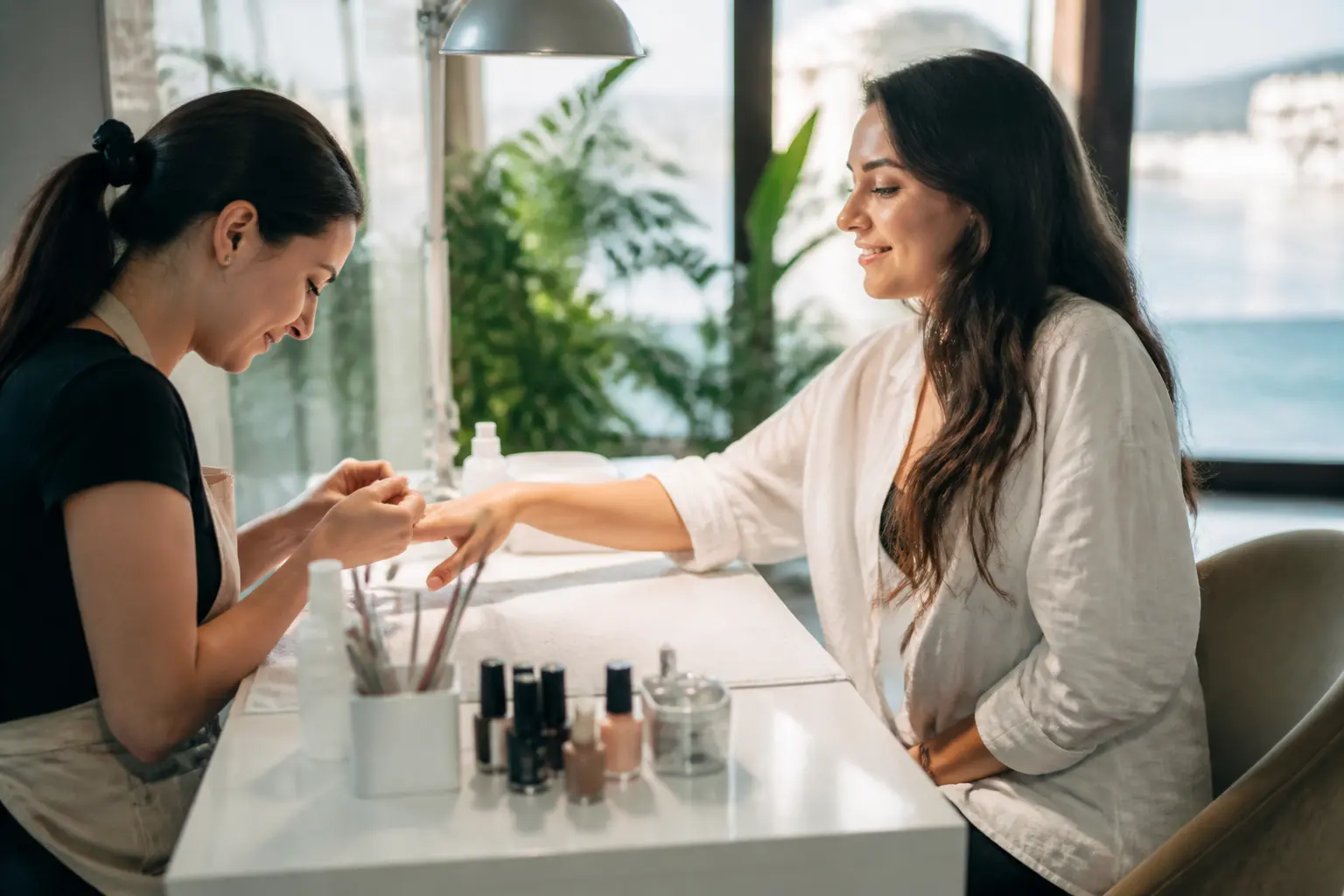
French tips look deceptively simple. Their clean lines make small inconsistencies easier to notice, which is why preparation and technique matter. At a professional studio, your manicure begins with an assessment of the current condition and length of your nails, followed by shaping and cuticle care appropriate to the service selected.
The technician can then help you choose a base and tip combination, taking into account the nail shape and the level of contrast you want. The aim is not to make every client wear the same formula. It is to create a tidy, personalised finish that works with their natural nails.
Whether you choose normal polish, gel polish or another suitable service offered at your appointment, follow the recommended care guidance afterwards. Avoid picking at the product, wear gloves for tasks involving harsh cleaning products where possible, and use cuticle oil regularly if it suits your routine. These habits support the appearance of both the manicure and the surrounding skin.
Which common French manicure mistakes should you avoid?
A few simple choices can make the difference between a design that feels intentional and one that feels difficult to wear.
- Choosing a tip that is too wide for short nails when you would prefer an elongated appearance.
- Selecting several bold colours and finishes at once, so the design loses its focal point.
- Ignoring nail preparation, especially when a crisp tip makes every edge more visible.
- Trying to peel off gel polish when it is time for removal, which can affect the surface of the natural nail.
- Copying a reference image exactly without adapting it to your own nail length, shape and lifestyle.
Inspiration is useful, but personalisation is what makes the French manicure feel considered. A technician can help refine an idea so it translates well from a photograph to your hands.
Conclusion
The modern French manicure proves that a classic does not need to be predictable. From discreet micro tips to colour contrasts, double lines and angled designs, there are many ways to make the look feel fresh while keeping the neat finish that made it iconic.
If you are deciding which version will suit you best, start with your natural nail shape and the kind of manicure you enjoy living with day to day. At BeCammo in Sliema, a nail appointment can be tailored around the finish, shape and design details that feel most like you. The final banner below is a useful next step when you are ready to explore your options.
Frequently asked questions
Is a French manicure only suitable for long nails?
No. French manicures can look especially polished on short nails. A micro tip or shallow smile line is often a flattering option because it preserves the visual length of the nail.
What is the most wearable modern French manicure?
A fine white, cream or neutral-coloured tip over a sheer base is one of the most versatile choices. It feels current without being tied to one occasion or outfit.
Can I have a French manicure in a colour other than white?
Yes. Colour French tips are a popular way to personalise the look. Choose a shade that complements your style, then keep the base and other details simple for a balanced result.
Should I choose square or almond nails for French tips?
Both can work well. Square and squoval shapes create a neat, classic effect, while oval and almond shapes can make curved or angled tips feel more elongated. Your natural nail shape and preferred length should guide the decision.
Can French tips be done with gel polish?
French tips can be incorporated into a gel polish manicure when that service is appropriate for your nails and preferences. Ask your technician which option best suits the finish and maintenance level you want.
How do I keep a French manicure looking neat?
Use your hands gently, avoid peeling at product, care for your cuticles and book maintenance or removal professionally when needed. These small habits help preserve a clean, polished appearance.